

Short Answer
The cactus, a botanical marvel of resilience and stark beauty, has quietly ascended from desert floors to the polished shelves of nurseries worldwide. Once dismissed as a prickly oddity, it now stands as a symbol of modern horticultural chic—a living paradox of fragility and fortitude. The nursery industry, ever attuned to shifting consumer tastes, has embraced this spiky icon with fervor, transforming it from a humble plant into a coveted emblem of minimalist elegance. But what lies beneath this verdant revolution? How did a plant that thrives on neglect become the darling of urban dwellers and interior designers alike? The answer is a tapestry woven with market dynamics, cultural shifts, and the unyielding allure of the unconventional.
The Resurgence of the Prickly Darling: Market Size and Historical Context
For decades, cacti were the wallflowers of the plant world—overlooked, underappreciated, and often relegated to the back corners of garden centers. Yet, like a phoenix rising from the ashes, they have clawed their way into the spotlight. The global nursery industry, valued at over $50 billion, has witnessed a meteoric rise in cactus cultivation and sales, with market analysts projecting a compound annual growth rate (CAGR) of 7.2% through 2030. This surge is not merely a passing trend but a seismic shift in horticultural preferences, driven by a confluence of factors.
The 21st century has seen a radical redefinition of what constitutes “desirable” in plant life. Where once towering ferns and delicate orchids reigned supreme, the modern consumer craves low-maintenance, high-impact flora. Enter the cactus—a plant that asks for nothing but sunlight and occasional neglect, yet rewards its caretaker with architectural grandeur and an almost sculptural presence. Its resurgence is not just about aesthetics; it’s a rebellion against the high-maintenance lifestyles of the past, a quiet manifesto of sustainability and self-sufficiency.
The Allure of the Unconventional: Why Cacti Captivate the Modern Imagination
What is it about cacti that has ensnared the collective psyche of plant enthusiasts? The answer lies in their paradoxical nature. A cactus is both a fortress and a jewel—its spines a defensive armor, its blooms a fleeting, ethereal beauty. This duality resonates deeply in an era where duality itself is celebrated. The cactus thrives in arid conditions, a testament to adaptation in the face of adversity, yet its flowers burst forth in vibrant hues, a fleeting celebration of life’s persistence.
Designers and homeowners alike are drawn to its stark, geometric forms. A single saguaro standing sentinel in a minimalist living room speaks volumes about the occupant’s taste for the bold and the uncluttered. The cactus’s ability to thrive in neglectful conditions makes it the perfect companion for the fast-paced, often chaotic lives of urban dwellers. It is a plant that does not demand but gently reminds—its presence a quiet nod to the beauty of resilience.
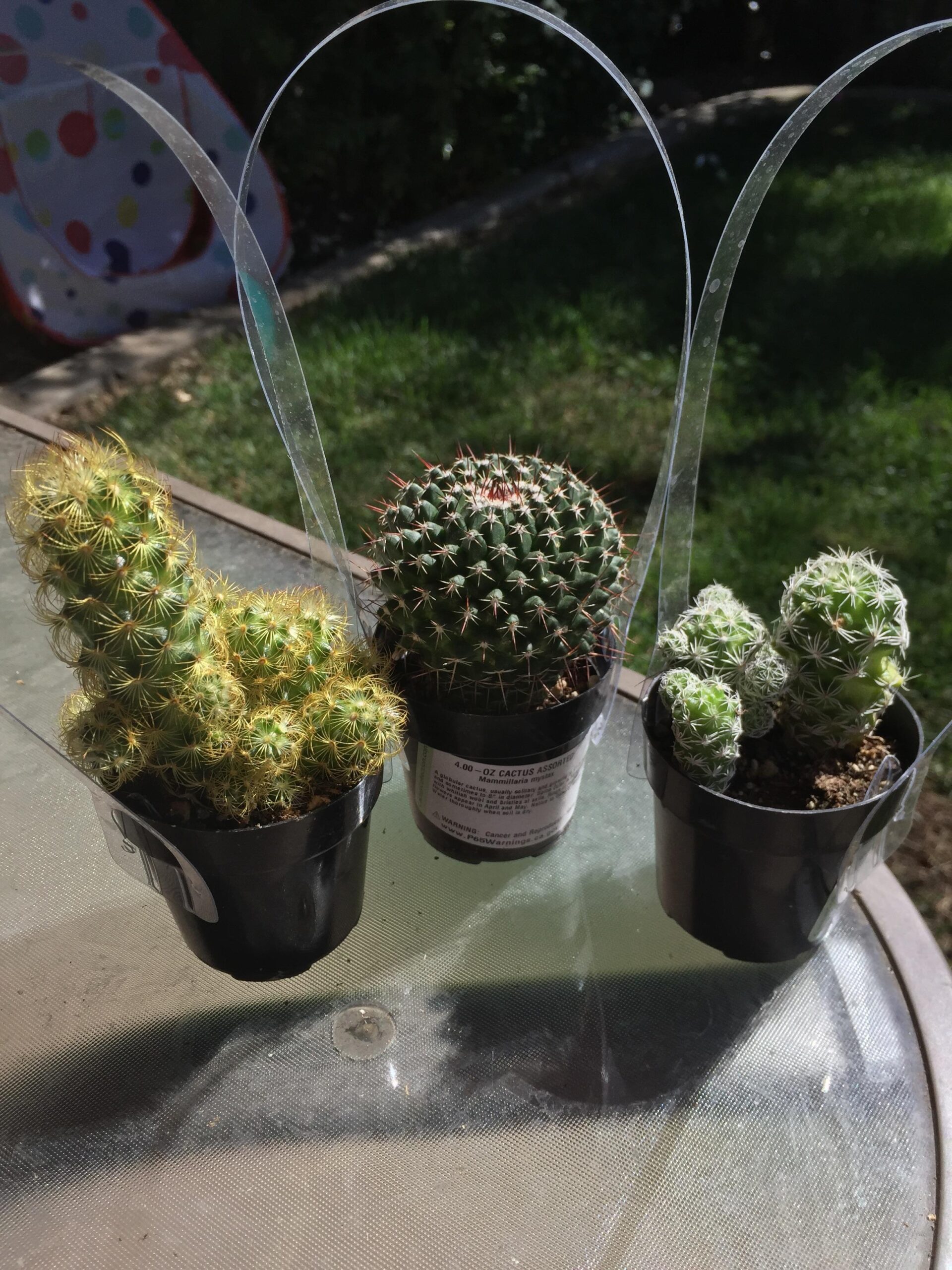
Moreover, the cactus has become a canvas for creativity. From terrariums to vertical gardens, its versatility knows no bounds. Hybrid varieties, such as the moon cactus (Gymnocalycium mihanovichii) with its vibrant, grafted top, have introduced a splash of color to an otherwise monochromatic world. The nursery industry has capitalized on this, cultivating an array of species that cater to every aesthetic whim—from the diminutive, button-like mammillaria to the towering, branching cereus.
Market Dynamics: The Forces Shaping Cactus Cultivation and Sales
The cactus market is a microcosm of broader economic and cultural trends. One of the most significant drivers is the rise of e-commerce. Platforms like Etsy and specialized plant shops have democratized access to rare and exotic cacti, turning what was once a niche hobby into a global phenomenon. Collectors now scour the internet for the rarest specimens, from the elusive Lophophora williamsii (peyote) to the striking Astrophytum asterias (sea urchin cactus), driving up prices and fueling a thriving black market for illegally harvested plants.
Another key factor is the growing awareness of sustainability. As consumers become more eco-conscious, they seek plants that require minimal resources to thrive. Cacti, with their water-efficient biology, fit this bill perfectly. Nurseries have responded by emphasizing drought-resistant varieties, positioning cacti as the poster children of sustainable gardening. This shift is not just about saving water; it’s about redefining our relationship with nature, choosing plants that ask for less and give more.
The global pandemic further accelerated this trend. Locked indoors, people turned to plants as a source of comfort and connection to the natural world. Cacti, with their low-maintenance appeal, became a favorite. Sales skyrocketed, and nurseries struggled to keep up with demand. The cactus, once a symbol of neglect, became a lifeline for those seeking solace in greenery without the burden of constant care.
The Aesthetic Revolution: Cacti in Interior Design and Beyond
The cactus has transcended its humble origins to become a staple in interior design. Its architectural lines and sculptural forms make it a natural fit for modern, minimalist spaces. Designers now incorporate cacti into everything from statement centerpieces to living walls, using them to add texture, height, and a touch of the wild to otherwise sterile environments.
This aesthetic revolution is not confined to homes. Restaurants, cafes, and even corporate offices have embraced cacti as part of their decor, recognizing their ability to create a sense of calm and sophistication. The trend has also spilled into fashion and art, with cactus motifs appearing on everything from clothing to wallpaper. The plant’s prickly exterior and soft, velvety blooms make it a versatile muse, inspiring creativity across multiple mediums.
Moreover, the cactus has become a symbol of resilience in the face of adversity. In a world grappling with climate change and environmental degradation, the cactus stands as a reminder of nature’s ability to adapt and thrive. This symbolic power has only enhanced its appeal, making it a plant that resonates on both a practical and emotional level.
Challenges and Controversies: The Dark Side of Cactus Cultivation
Despite its popularity, the cactus industry is not without its challenges. One of the most pressing issues is the illegal trade of rare and endangered species. The demand for unique cacti has led to widespread poaching, particularly in regions like Mexico and the southwestern United States, where many species are native. This black market trade not only threatens the survival of these plants but also fuels organized crime and corruption.
Another concern is the environmental impact of large-scale cactus cultivation. While cacti are inherently sustainable, the methods used to propagate and transport them can have unintended consequences. Overharvesting, habitat destruction, and the use of pesticides are all issues that the industry must address to ensure its long-term viability. Nurseries and conservationists are increasingly collaborating to promote ethical cultivation practices, but the road ahead is fraught with challenges.
Additionally, the cactus’s popularity has led to a saturation of the market with mass-produced, generic varieties. While these plants are affordable and accessible, they lack the uniqueness and character of their wild counterparts. This has created a divide between collectors seeking rare specimens and casual consumers content with more common varieties. The industry must strike a balance between accessibility and exclusivity to sustain its growth.
The Future of Cacti: Trends and Predictions
The cactus market shows no signs of slowing down. As urbanization continues to rise, so too will the demand for low-maintenance, space-efficient plants. Innovations in cultivation, such as tissue culture and hydroponics, are making it easier than ever to grow cacti in controlled environments, opening up new possibilities for indoor gardening.
We can also expect to see a greater emphasis on native and regionally adapted species. As consumers become more aware of the ecological impact of their choices, they will seek out plants that are not only beautiful but also sustainable. This shift will likely lead to a resurgence of interest in native cacti, which are better suited to local climates and require fewer resources to thrive.
Furthermore, the intersection of technology and horticulture will play a significant role in shaping the future of the cactus industry. Smart plant sensors, automated watering systems, and even AI-driven plant care apps are making it easier for even the most novice gardeners to cultivate cacti successfully. This democratization of plant care will further fuel the industry’s growth, making cacti more accessible to a global audience.
Ultimately, the cactus’s journey from desert floor to nursery shelf is a testament to the power of adaptation and reinvention. It is a plant that has defied expectations, captivated imaginations, and carved out a space for itself in the hearts of millions. As we look to the future, one thing is clear: the cactus is not just a trend. It is a symbol of resilience, a beacon of sustainability, and a reminder that even the most unlikely of plants can bloom in the most unexpected of places.
FAQ
What are the main drivers of cactus market growth?
The growth is driven by e-commerce, sustainability awareness, and the appeal of low-maintenance plants.
What challenges does the cactus industry face?
Challenges include illegal trade of rare species, environmental impact, and market saturation with mass-produced varieties.

Leave a Reply