
Short Answer
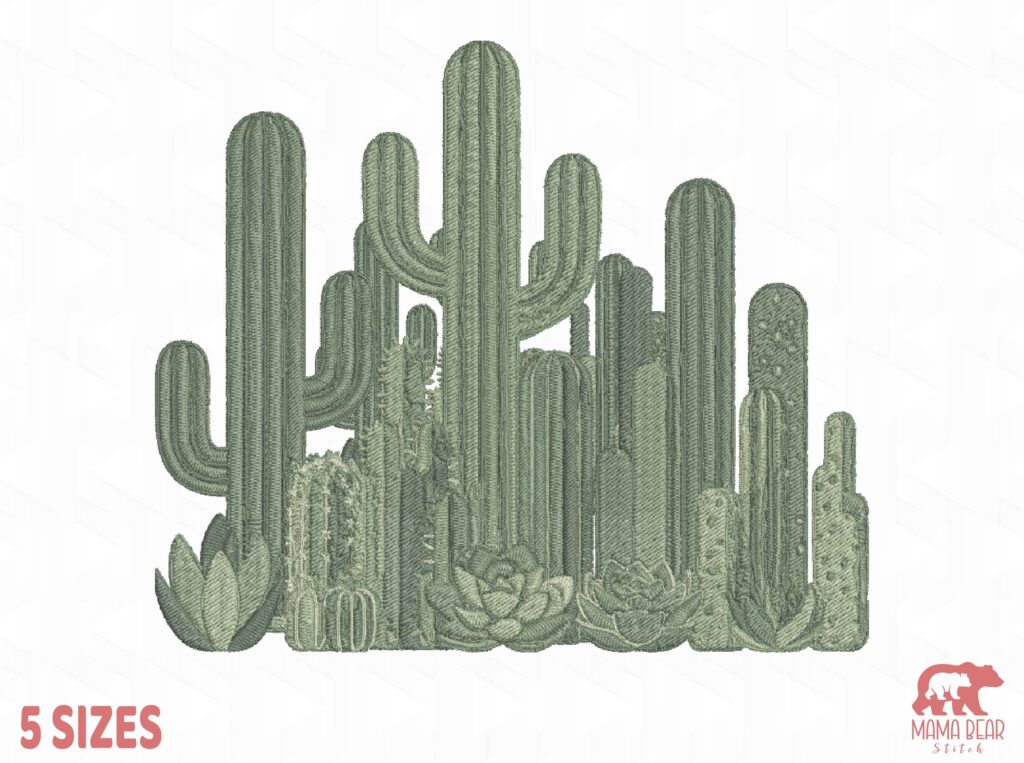
There’s something quietly rebellious about stitching cacti into fabric. These spiky desert dwellers, often dismissed as mere obstacles in a hike or decorative afterthoughts in a garden, become the stars of a textile narrative when rendered in thread. Cactus embroidery isn’t just a craft—it’s a quiet act of defiance against the ephemeral, a way to immortalize the resilience of life in the harshest of climates. It’s no wonder these prickly plants have woven their way into the fabric of our creative consciousness, offering both aesthetic allure and symbolic depth. Whether you’re a seasoned stitcher or a curious beginner, the world of cactus embroidery beckons with its blend of whimsy and tenacity.
The Allure of Prickly Charm: Why Cacti Captivate Crafters
Cacti are the ultimate underdogs of the plant world. They thrive where others wither, store water like misers, and bloom in bursts of color that seem to mock the arid landscapes they call home. This paradox—fragility and fortitude intertwined—makes them irresistible subjects for embroidery. When you stitch a cactus, you’re not just replicating a plant; you’re capturing a story of survival, adaptation, and quiet defiance. The geometric precision of their spines, the organic asymmetry of their shapes, and the unexpected vibrancy of their flowers offer a playground for creativity that few other plants can match.
There’s also a subversive joy in working with something so unapologetically spiky. In a world that often demands softness and conformity, cacti remind us that beauty doesn’t have to be gentle to be profound. Their prickles become a metaphor for the sharp edges of life—unavoidable, but not insurmountable. When you thread a needle and bring a cactus to life, you’re engaging in a form of gentle rebellion, stitching resilience into every fiber.
Essential Stitches for Cactus Embroidery: From Outlines to Textures
Mastering cactus embroidery begins with understanding the stitches that will bring your desert dreams to life. Start with the basics: backstitch for clean outlines, split stitch for delicate details, and chain stitch for textured spines. For the fleshy pads of a prickly pear or the ribbed surface of a saguaro, long and short stitch is your best friend, allowing you to blend colors seamlessly and create lifelike gradients.
Don’t overlook the power of French knots—those tiny, rebellious bumps of thread that mimic the clustered spines of a barrel cactus. They’re fiddly to execute, but their imperfections add a touch of organic charm. For the flowers, consider satellite stitches or bullion knots to capture the delicate, spiraled petals of a blooming cactus. And if you’re feeling adventurous, experiment with bullion roses to mimic the rosette patterns of some cactus blooms, adding a touch of whimsy to your design.
The key is to let the cactus guide your stitches. Observe the natural flow of its spines, the way its ribs curve, the asymmetry of its growth. Your stitches should echo these patterns, not fight them. The result? A cactus that doesn’t just sit on the fabric—it *lives* on it.
Color Palettes: Capturing the Desert’s Palette in Thread
The desert isn’t a monochrome wasteland—it’s a symphony of muted greens, dusty blues, and fiery accents. When selecting colors for your cactus embroidery, think beyond the obvious. Start with the base: a sage green for the pads of a prickly pear, a muted olive for a barrel cactus. But don’t stop there. Introduce subtle variations—pale jade for new growth, deep emerald for shadows, and even a touch of gray-green to mimic the weathered look of an old cactus.
For the spines, resist the urge to default to stark white. Instead, opt for off-whites, creams, or even soft grays to create depth. A single spine in a slightly darker hue can add dimension, as if the light is catching it just right. And for the flowers? Let your palette be guided by nature’s own audacity. A desert rose might demand a blush pink, while a cholla’s bloom could be a fiery coral. Don’t be afraid to mix in unexpected hues—lavender for a moonlight cactus, or even a dusty rose for a sunset glow.
The magic lies in the interplay of colors. A well-chosen palette doesn’t just represent a cactus; it evokes the feeling of standing in the desert at dusk, the air thick with the scent of dry earth and the last light of the sun painting everything in gold.
Designing Your Cactus: From Sketch to Stitch
Before you thread your needle, spend time with your design. Sketch your cactus from multiple angles, paying attention to the way its spines radiate from the center, the asymmetry of its pads, the way its ribs undulate. Cacti are not symmetrical creatures, and forcing them into rigid patterns will strip away their charm. Instead, embrace their quirks—let one pad dip slightly lower, allow a spine to curve unexpectedly. These imperfections are what make your embroidery feel alive.
Consider the scale of your project. A single cactus might work beautifully on a small hoop, while a sprawling desert scene demands a larger canvas. Think about the negative space, too. The empty fabric around your cactus isn’t just background—it’s part of the story. It could be the vast expanse of the desert, the shadow of a nearby rock, or the hint of a distant mountain range. Let the space around your cactus breathe; don’t crowd it with unnecessary details.
If you’re feeling adventurous, try incorporating other desert elements into your design. A coiled rattlesnake, a blooming ocotillo, or the skeletal remains of a dead cactus can add layers of meaning and intrigue. Each element should complement the others, creating a cohesive narrative that invites the viewer to linger.
Finishing Touches: Framing, Blocking, and Preserving Your Work
The final step in your cactus embroidery journey is just as important as the stitching itself. Once your design is complete, remove it from the hoop or frame and gently block it to smooth out any puckering. Use a damp cloth and a warm iron (or a steamer) to press the fabric, taking care not to flatten the stitches. This step ensures your embroidery lies flat and looks polished.
When it comes to framing, consider the aesthetic you’re aiming for. A minimalist approach—matting the embroidery in a neutral tone and placing it in a sleek, modern frame—can highlight the intricate details of your stitches. Alternatively, a rustic wooden frame with a distressed finish might complement a desert-themed piece, evoking the feel of an old botanical illustration.
If you’re not ready to frame your work, consider turning it into a functional piece. A cactus-embroidered pillow, a framed wall hanging, or even a patch on a denim jacket can breathe new life into your creation. The key is to let your embroidery serve a purpose beyond the stitching itself—whether that’s adornment, storytelling, or simply the joy of creation.
The Deeper Meaning: What Cactus Embroidery Teaches Us
Beyond the technical skills and aesthetic choices, cactus embroidery is a quiet act of reverence. It’s a way to honor the resilience of life in the face of adversity, to celebrate the beauty of the unconventional, and to stitch our own stories into the fabric of the world. Each prickle, each bloom, each shadowed rib is a reminder that even in the harshest conditions, life finds a way to thrive.
In a world that often feels fragmented and uncertain, cactus embroidery offers a sense of grounding. It connects us to the rhythms of nature, to the slow, deliberate growth of a plant that takes decades to reach maturity. It reminds us to slow down, to appreciate the small wonders, and to find strength in the things that endure.
So the next time you pick up a needle and thread, consider stitching a cactus. Let its spines prick your fingers, let its colors inspire you, and let its story unfold in every stitch. Because in the end, cactus embroidery isn’t just about creating something beautiful—it’s about celebrating the quiet, unyielding beauty of life itself.
FAQ
What materials do I need for cactus embroidery?
You’ll need embroidery thread, fabric, needles, and an embroidery hoop. Optional items include fabric markers for sketching designs and different stitching tools for texture.
Can beginners try cactus embroidery?
Yes, cactus embroidery is suitable for beginners. Start with basic stitches and simple designs to build confidence.
What stitches are commonly used in cactus embroidery?
Common stitches include backstitch for outlines, chain stitch for textures, and French knots for spines.
How do I choose colors for cactus embroidery?
Select a palette that reflects the colors of the desert, including muted greens, blues, and vibrant flower hues.
Leave a Reply