
Short Answer
Few sights compare to the marvel of a cactus in full bloom — those unexpected bursts of vibrant color erupting from a plant most often associated with rugged, spiky austerity. Encouraging your cactus to flower is both a science and an art, a rewarding journey that intertwines patience with attentive care. This guide delves deeply into the secrets behind coaxing blooms from your desert jewel, illuminating every facet from environmental orchestration to seasonal rhythms. Prepare to transform your prickly companion into a captivating spectacle of nature’s resilience and beauty.
Understanding the Natural Bloom Cycle of Cacti
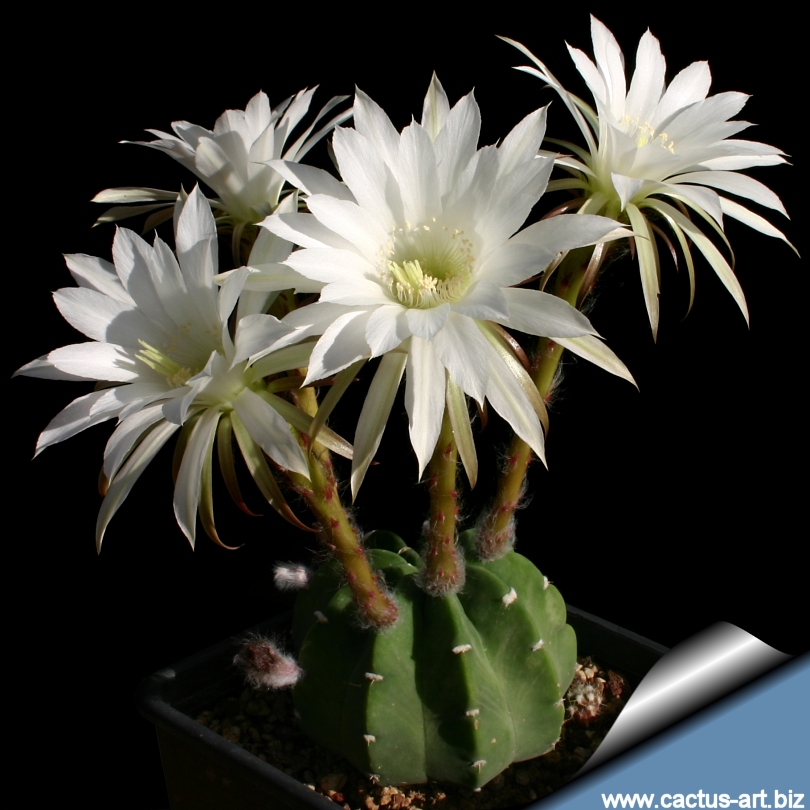
Before diving into techniques, it’s vital to grasp the innate flowering rhythms of cacti. These succulents evolved in arid regions where water is scarce and seasons dictate growth spurts. Many species flower during specific times of the year, mainly spring and early summer, capitalizing on optimal conditions. Some nocturnal bloomers, like the iconic night-blooming cereus, unfurl their petals only after dusk, astonishing observers with ephemeral splendour. Knowing your cactus species’ natural cycle sets the foundation for encouraging timely flowering.
Optimal Lighting: Harnessing the Power of Sunlight
Light is the catalyst for photosynthesis and a key signal influencing a cactus’s flowering regime. Most cacti thrive under intense, direct sunlight for several hours daily. Positioning your cactus near a south-facing window or outdoors in a sun-drenched veranda stimulates not just growth but flower bud development. Be mindful, though: sudden exposure to harsh sunlight can cause sunburn or chlorosis. Gradual acclimatization ensures your cactus receives ample light without stress. Artificial grow lights equipped with full-spectrum bulbs can supplement natural sunlight during darker months, maintaining the photoperiod that prompts blooming.
Temperature Fluctuations: Mimicking Desert Extremes
Temperature plays an enigmatic role in flowering. During the desert’s cool nights, cacti undergo vital metabolic shifts that prime them for blooms. Replicating this diurnal temperature variation — cooler nights ranging from 50-60°F (10-15°C) and warm days around 70-85°F (20-29°C) — fosters the hormonal changes necessary for bud formation. Overly warm or stable temperatures can inhibit this process. Seasonal cooling, often achieved by repositioning plants in cooler, well-ventilated rooms or even brief periods outdoors during spring, signals cacti to emerge from dormancy and transition toward reproductive growth.
Watering Regimen: The Art of Controlled Hydration
Water is a double-edged sword for cacti. Irregular or excessive watering can stunt flower production or induce rot. During the growing season, moderate watering encourages healthy tissue expansion and energy storage. However, as your cactus approaches its dormant phase through the colder months, water should be reduced significantly — sometimes nearly withheld — to mimic natural dryness. This quiescent state is critical for flowering initiation. A judicious watering schedule entails moistening soil only when it dries out completely, allowing roots to breathe and avoiding soggy conditions.
Soil Composition and Nutritional Support
Flowering demands a cactus’s considerable energy reserves, which stems from nutrient availability and balanced soil structure. A well-draining substrate enriched with mineral content mimics native desert soils. Incorporating pumice, coarse sand, or perlite ensures aeration and swift drainage, thwarting moisture retention pitfalls. Fertilization with a low-nitrogen, phosphorus-rich formula during the active growing season encourages bud development and robust blooms. Organic amendments like bone meal or rock phosphate can also supply essential macronutrients. Avoid overfeeding, as excessive nitrogen promotes vegetative growth at the expense of flowers.
The Role of Dormancy: Embracing Rest for Revival
Many gardeners neglect the indispensable role of dormancy in the cactus life cycle. This seasonal rest period, typically in winter, allows your plant to recalibrate energy reserves and gear up for prolific flowering. During this stage, reduced watering, cooler temperatures, and diminished light simulate natural conditions. Attempts to push flowering without honoring dormancy often fail or produce weak, short-lived blooms. Recognizing and creating a distinct resting interval respects your cactus’s evolutionary blueprint and primes stunning floral displays.

Pest Management and Disease Prevention
While many envision desert plants as invincible, cacti are vulnerable to pests and diseases that can sabotage blooming vigor. Mealybugs, spider mites, and fungal pathogens can stress a plant, redirecting energy from flower production to survival. Routine inspections coupled with prompt interventions, such as insecticidal soaps or neem oil treatments, preserve plant vitality. Maintaining cleanliness by removing dead plant material and ensuring proper air circulation prevents fungal outbreaks. Healthy cacti have the strength to expend resources on blossoming rather than defense mechanisms.
Propagation Techniques to Encourage Flowering
Surprisingly, propagation can also trigger flowering in mature cacti. Techniques such as grafting onto a vigorous rootstock stimulate accelerated growth and earlier blooms. Offsets or pups grown under ideal conditions may flower prematurely, allowing enthusiasts to enjoy blossoms sooner. Additionally, controlled propagation provides an opportunity to tailor environmental variables more precisely for each young plant. This hands-on approach deepens the gardener’s connection and understanding of how subtle changes influence flowering outcomes.
Patience and Observation: The Final Ingredients
Ultimately, coaxing a cactus to flower is an exercise in patience and keen observation. These succulents communicate through slow but meaningful cues: slight color changes, emerging buds, or shifts in spination can herald impending blooms. Recording growth patterns and environmental conditions helps refine care routines over time. Celebrate incremental progress, for the flowering of a cactus is not a mere horticultural event but a testament to resilience and the beauty that thrives in adversity.

FAQ
What conditions are needed for cacti to flower?
Cacti require optimal light, temperature fluctuations, controlled watering, and nutrient-rich soil to encourage flowering.
How does dormancy affect cactus flowering?
Dormancy allows cacti to recalibrate energy reserves, which is essential for successful flowering in the following season.

Leave a Reply