
Short Answer
In the kaleidoscopic tapestry of the botanical world, few plants possess the whimsical charm and tenacious spirit of the Schlumbergera—more affectionately known as the Christmas cactus. Unlike its more conventional cousins, this epiphytic marvel thrives not in soil but in the crooks of trees, where it sips moisture from the air and basks in dappled sunlight. Yet, its most enchanting secret lies not in its cascading, jewel-toned blooms, but in the alchemy of its seed germination. To coax life from these tiny, unassuming capsules is to embark on a journey of patience, intuition, and a touch of botanical sorcery. Here’s how to master the art of Schlumbergera seed germination, transforming a handful of dust-like seeds into a living testament to nature’s resilience.
The Seed’s Silent Siren Song: Understanding Schlumbergera’s Unique Germination Language
Schlumbergera seeds are not your garden-variety propagules. They are the whispering seeds of the rainforest, evolved to germinate in the most improbable of niches—clinging to mossy branches or nestled in the crevices of decaying bark. Their germination is a slow, almost meditative process, a stark contrast to the rapid, greedy sprouting of weeds or the eager emergence of vegetable seedlings. To unlock their potential, one must first attune to their rhythm.
The seeds of the Schlumbergera are tiny, almost translucent, and require a specific cocktail of conditions to awaken. They demand high humidity, filtered light, and a substrate that mimics the airy, well-draining medium of their natural habitat. Think of them as delicate spies, infiltrating the world one at a time, their germination a clandestine operation that unfolds over weeks or even months. Patience is not just a virtue here—it’s a necessity.
The Substrate Alchemy: Crafting a Home for the Seeds’ Delicate Dreams
Creating the perfect germination bed for Schlumbergera seeds is akin to composing a symphony. The substrate must be light, airy, and devoid of the heavy, moisture-retentive qualities that spell doom for these epiphytic tenderlings. A blend of fine orchid bark, perlite, and a whisper of sphagnum moss creates an environment that cradles the seeds without smothering them. Avoid the temptation of rich, loamy soil—it’s the botanical equivalent of a weighted blanket, stifling the very life you seek to nurture.
Sterilization is key. The substrate must be free of pathogens that could ambush the seeds before they’ve had a chance to take root. A brief bake in the oven at 200°F (93°C) for 30 minutes will dispatch any lurking microbes, leaving you with a pristine canvas for germination. Think of it as a ritual of purification, a way to honor the seeds’ fragile existence before they even stir from their slumber.
The Humidity Enigma: Mimicking the Misty Canopy
Schlumbergera seeds hail from the cloud forests of Brazil, where the air is thick with moisture and the sunlight filters through a perpetual green haze. Recreating this environment is crucial. A humidity dome—a simple plastic container or a sealed plastic bag placed over your seed tray—will trap moisture and create a microclimate where the seeds can thrive. The goal is to achieve a balance: enough humidity to keep the seeds hydrated, but not so much that they drown in their own condensation.
Misting the substrate lightly with a spray bottle filled with distilled water is the gentlest way to maintain moisture. Tap water, with its mineral content, can leave deposits that inhibit germination. Think of the mist as a soft rain, a fleeting touch that coaxes the seeds awake without overwhelming them. Too much water, and they’ll rot; too little, and they’ll remain dormant, their potential untapped.
The Light Paradox: Illuminating Without Burning
Schlumbergera seeds are not sun-worshippers. They prefer the gentle caress of indirect light, the kind that filters through the leaves of their forest home. Direct sunlight is a harsh taskmaster, capable of scorching the delicate seedlings before they’ve had a chance to establish themselves. A north-facing windowsill or a spot beneath grow lights with a timer set for 12-14 hours of light per day is ideal.
If using artificial light, keep the seedlings a few inches away from the bulbs to prevent overheating. The light should be cool and diffused, like the dappled sunlight of a tropical understory. Too much intensity, and the seeds will retreat into dormancy; too little, and they’ll stretch and weaken, their stems elongating in a desperate search for illumination.
The Temperature Tango: Finding the Sweet Spot
Schlumbergera seeds are not fans of extremes. They thrive in temperatures between 65°F and 75°F (18°C and 24°C), a range that mimics the mild, stable climate of their native habitat. Fluctuations—especially sudden drops—can stall germination or, worse, kill the seeds outright. A consistent environment is their ally, a steady rhythm that allows them to focus on the business of growing.
If your home is prone to chilly drafts or scorching heat, consider using a seedling heat mat to maintain a stable temperature. The mat should be placed beneath the tray, not directly on the seeds, to avoid overheating. Think of it as a cozy blanket, a way to shield the seeds from the vagaries of the outside world while they take their first tentative steps into life.
The Waiting Game: Embracing the Art of Botanical Patience
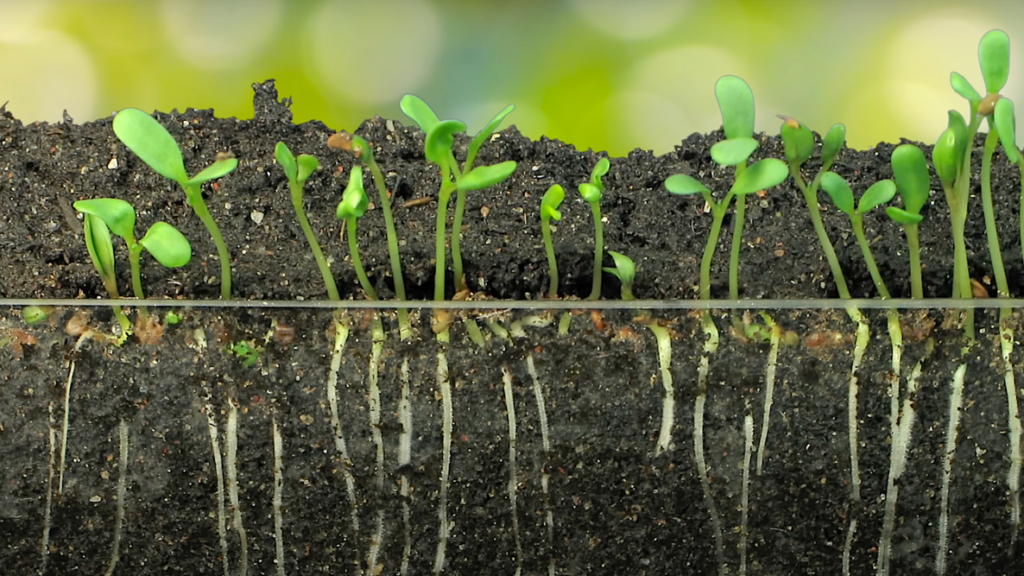
Germination is not a sprint; it’s a slow, meandering waltz. Schlumbergera seeds can take anywhere from a few weeks to several months to sprout, their progress as subtle as the unfurling of a fern frond. Resist the urge to dig them up to check for progress—this is the botanical equivalent of opening an oven to see if the cake is done. Trust the process. Trust the seeds.
Once the seeds have germinated, the real work begins. The tiny seedlings are fragile, their roots still in their infancy. Handle them with the care of a jeweler, using a soft brush or tweezers to transplant them into individual pots once they’ve developed a few true leaves. The first few months are critical; a misstep in watering or light can set them back irreparably. But with diligence and a dash of luck, you’ll soon be rewarded with a forest of Christmas cacti, each one a living testament to your patience and perseverance.
The Reward: A Legacy of Living Jewels
To grow a Schlumbergera from seed is to participate in a quiet revolution—a rebellion against the disposable culture of modern gardening. These plants are not mass-produced; they are living heirlooms, each one a unique expression of nature’s artistry. Their blooms, when they finally arrive, are a riot of color: fuchsia, magenta, white, or even bi-colored, as if painted by an artist with a whimsical streak. They are the botanical equivalent of a fireworks display, a burst of joy in the depths of winter.
But the true magic lies not in the flowers themselves, but in the journey. In the act of nurturing a seed from its dormant state to a thriving plant, you become a steward of life—a silent accomplice in nature’s grand design. The Schlumbergera’s germination is a lesson in resilience, a reminder that even the smallest, most unassuming beginnings can lead to something extraordinary.
So, gather your seeds, your substrate, and your patience. The forest canopy awaits your tender care. And who knows? In a few years’ time, you might just find yourself surrounded by a living, breathing testament to the power of slow, deliberate growth.
FAQ
What are Schlumbergera seeds?
Schlumbergera seeds are tiny, delicate seeds from the Christmas cactus that require specific conditions for germination.
How long does it take for Schlumbergera seeds to germinate?
Germination can take anywhere from a few weeks to several months depending on environmental conditions.
What is the best substrate for germinating Schlumbergera seeds?
A light, airy mix of fine orchid bark, perlite, and sphagnum moss is ideal for germinating Schlumbergera seeds.


Leave a Reply