
Short Answer
There’s something quietly rebellious about adorning yourself with jewelry you’ve crafted yourself—especially when those creations draw inspiration from the untamed beauty of nature. Cactus jewelry, with its spiky allure and desert-born resilience, offers a perfect marriage of earthy aesthetics and wearable art. It’s no wonder that DIY enthusiasts and eco-conscious crafters alike are turning to these prickly plants for inspiration, transforming their sharp silhouettes into delicate earrings and statement necklaces. But beyond the visual appeal, what is it about cactus-inspired adornments that captivates us so deeply? Perhaps it’s the way they embody both fragility and fortitude, or maybe it’s the silent defiance of taking something wild and making it personal.
The Allure of the Prickly: Why Cactus Jewelry Captivates the Imagination
Cacti are more than just desert survivors; they are symbols of tenacity in harsh conditions, their spines serving as both armor and art. This duality—soft petals cradling sharp defenses—translates beautifully into jewelry. When we wear cactus-inspired pieces, we’re not just accessorizing; we’re carrying a piece of the desert’s spirit with us. The geometric precision of a saguaro’s ribs or the delicate symmetry of a prickly pear’s spines can be mimicked in metal, clay, or even resin, creating pieces that are as unique as the wearer. There’s a primal connection here, a reminder that beauty often thrives where it’s least expected.
Consider the contrast: the soft drape of a necklace against the rigid structure of a cactus’s silhouette. Or the way a pair of earrings can mimic the delicate unfurling of a flower bud, only to reveal a hidden spine-like detail upon closer inspection. This interplay of textures and forms is what makes cactus jewelry so mesmerizing. It challenges our perceptions of what is delicate versus what is durable, inviting us to rethink the boundaries between fragility and strength.
Gathering Your Desert Palette: Materials for Cactus Jewelry
Before diving into creation, it’s essential to curate your materials with intention. The right supplies can elevate your cactus jewelry from merely decorative to truly evocative. Start with a base material that resonates with your vision—perhaps polymer clay for its malleability, or air-dry clay if you prefer a more organic feel. For those drawn to metalwork, copper or brass sheets can be etched or cut to mimic the ribbed patterns of a barrel cactus. Don’t overlook natural elements, either; dried cactus pads or even small, preserved segments can be incorporated for an authentic touch.
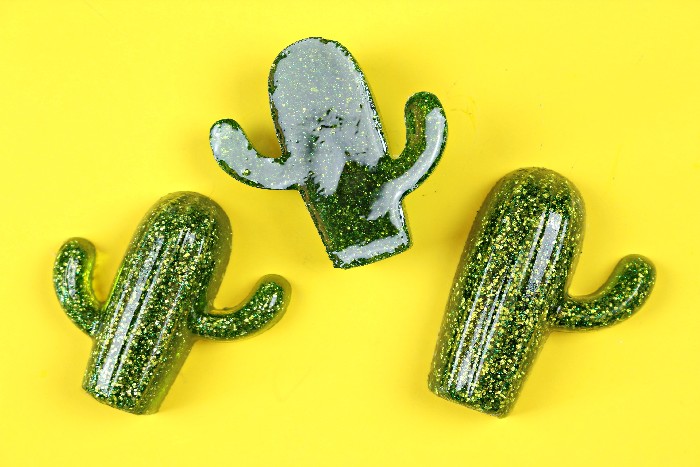
Color plays a pivotal role in capturing the essence of a cactus. Earthy tones—ochre, sage, terracotta—evoke the sun-baked landscapes where these plants thrive. But don’t shy away from bold contrasts: a pop of turquoise can mimic the vibrant blooms of a night-blooming cereus, while metallic gold or silver can highlight the intricate details of a spine-like design. If you’re working with resin, consider embedding tiny desert elements like sand or crushed stone to add texture. The key is to let the materials guide you, just as a cactus adapts to its environment.
Sculpting Spines: Techniques for Crafting Cactus Earrings
Earrings are the perfect canvas for cactus-inspired creativity, offering a chance to play with scale and dimension. One approach is to sculpt individual “spines” from polymer clay, arranging them in clusters to mimic the radiating patterns of a barrel cactus. For a more abstract take, try flattening clay into thin sheets and cutting out geometric shapes that echo the angular forms of a saguaro’s arms. If you’re working with metal, a jeweler’s saw can be used to etch delicate ribbing into copper, while a hammer and texture plate can create the dimpled surface of a prickly pear’s skin.
For those who prefer a minimalist aesthetic, consider wire-wrapping techniques to form delicate cactus silhouettes. Thin gauge wire can be bent into the shape of a blooming flower or a cluster of spines, then wrapped around a bead or post for a lightweight yet striking pair of earrings. Don’t forget to add movement—dangling elements or swaying charms can mimic the way cactus flowers sway in the desert breeze. The goal is to capture not just the look of a cactus, but its essence: resilient, dynamic, and unapologetically itself.
Weaving Wilderness: Necklace Designs Inspired by the Desert
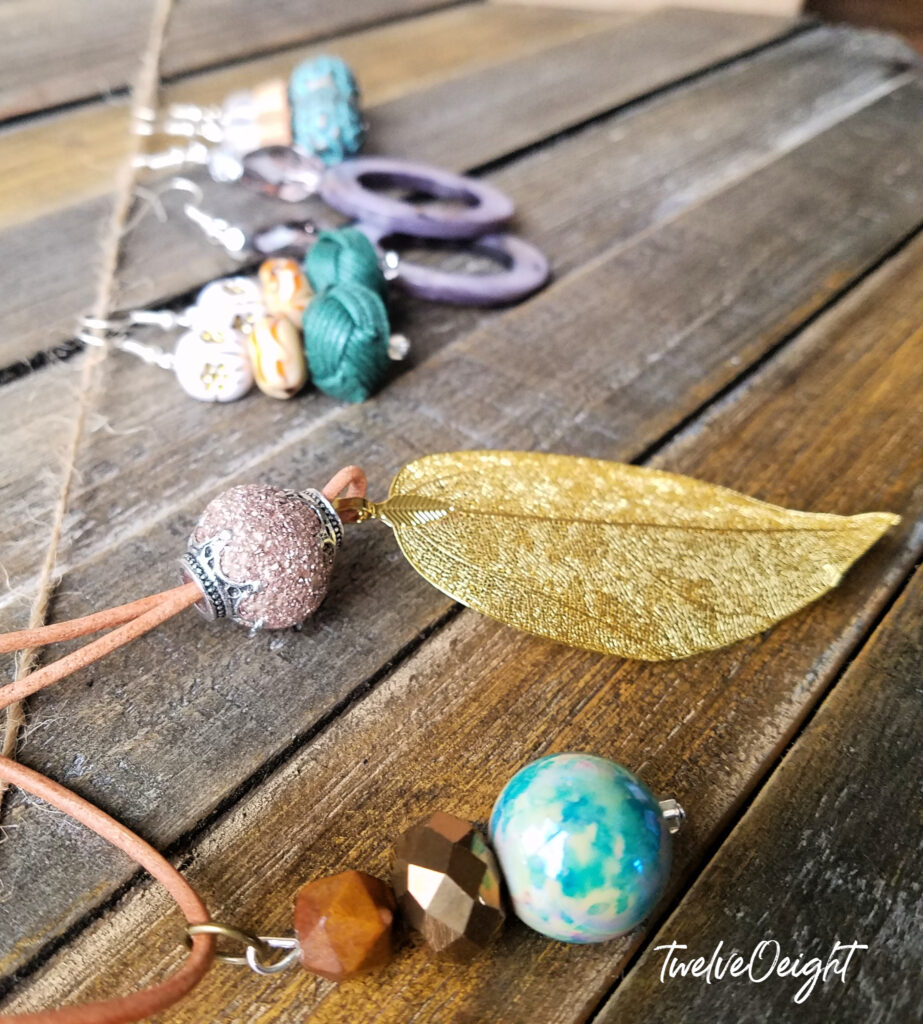
Necklaces offer a broader canvas for cactus-inspired designs, allowing for more intricate storytelling. A statement piece might feature a large, sculpted cactus flower pendant, its petals layered in translucent resin to mimic the delicate tissue of a bloom. Alternatively, a multi-strand necklace could incorporate tiny cactus-shaped beads interspersed with natural stones like turquoise or carnelian, evoking the rugged beauty of a desert landscape. For a more subtle approach, consider a pendant that resembles a cross-section of a cactus stem, its concentric rings etched into metal or clay.
Another technique is to use found objects—perhaps a dried cactus skeleton or a piece of driftwood—to create a rustic, organic necklace. These elements can be combined with handmade components, such as clay spines or wire-wrapped beads, to form a piece that feels both ancient and modern. The key is to balance the raw, untamed energy of the desert with the precision of human craftsmanship. A well-designed cactus necklace doesn’t just hang around your neck; it becomes a talisman, a reminder of the wild places that inspire us.
Finishing Touches: Sealing, Polishing, and Preserving Your Creations
Once your cactus jewelry is assembled, the final steps are crucial to ensuring its longevity and visual impact. If you’ve used clay or resin, a high-quality sealant will protect your piece from moisture and wear. Matte finishes can enhance the earthy aesthetic, while a glossy coat can make metallic elements gleam like desert dew. For natural materials like dried cactus pads, a light application of beeswax can preserve their texture without altering their appearance.
Polishing is where the magic happens—literally. A soft cloth can buff metal components to a mirror-like shine, while a gentle sanding can smooth rough edges in clay or resin. Don’t rush this step; the difference between a piece that feels handmade and one that feels polished is often just a few extra minutes of attention to detail. And if you’re incorporating organic elements, consider how they’ll age over time. A cactus necklace might develop a patina, its colors deepening with each wear, adding to its story.
Wearing Your Creation: The Empowerment of Handmade Adornment
There’s a quiet power in wearing something you’ve made yourself—especially when that something draws from the resilience of the natural world. Cactus jewelry isn’t just an accessory; it’s a declaration. It says, “I embrace the wild, the untamed, the resilient.” It’s a conversation starter, a way to connect with others who share your appreciation for the unconventional. And perhaps most importantly, it’s a reminder that beauty doesn’t have to be delicate to be exquisite.
So the next time you slip on a pair of cactus earrings or drape a cactus-inspired necklace around your neck, take a moment to appreciate the story behind the piece. Think of the hands that shaped it, the materials that inspired it, and the desert landscapes that birthed its design. In a world that often feels overly polished and controlled, cactus jewelry is a celebration of the raw, the rugged, and the real.
FAQ
What materials do I need to make cactus jewelry?
You can use polymer clay, air-dry clay, metal sheets, natural elements like dried cactus pads, and various colors to create your cactus jewelry.
What techniques can I use for crafting cactus earrings?
Techniques include sculpting individual spines from clay, flattening clay into shapes, wire-wrapping, and etching designs into metal.


Leave a Reply