
Short Answer
There is an undeniable charm to a cactus—those stoic, resilient plants that flourish despite their harsh surroundings. Yet, occasionally, you might notice your cactus leaning precariously to one side or looking top-heavy. This tilt can spark curiosity and concern alike. What forces pull it awry, and more importantly, how can you restore it to its upright grace? Addressing a leaning or top-heavy cactus is not simply about aesthetics; it unveils the intricate dance between growth, environment, and care. Let’s delve into the nuances of how to fix a leaning or top-heavy cactus, uncovering practical strategies alongside the fascinating biology behind this common phenomenon.
Understanding Why Your Cactus Leans
Before embarking on any corrective action, grasping the root causes of a leaning cactus is essential. Several factors may conspire, often in concert. One prevalent reason is phototropism—the plant’s natural tendency to grow toward light. When placed near a window or a bright spot, the cactus steadily stretches and bends toward the sun’s embrace, often resulting in an elegant yet vulnerable lean.
Another common contributor is an unbalanced growth pattern due to aging or propagation quirks. Some cacti develop long, lanky stems or offsets that cause a shift in their center of gravity, rendering them top-heavy. Improper pot size or soil conditions can exacerbate instability, as shallow or loose substrate fails to anchor the plant effectively. Root damage or insufficient root development may also leave your cactus unable to support its own weight.


Assessing the Extent of Lean and Plant Health
Once you’ve identified the probable reasons for the lean, carefully examine your cactus to decide the best course of action. Is the lean mild, or is the plant dangerously off balance? Look for any signs of distress: discolored, soft, or damaged tissues might indicate rot or pest issues necessitating urgent intervention.
Check the roots if possible by gently easing the cactus out of its pot. Healthy roots are firm and white, whereas mushy or dark roots hint at rot. This examination informs whether your first step should be remedial cultural correction or more intensive root care.
Stabilizing Your Top-Heavy Cactus
For many leaning or top-heavy cacti, the simplest solution is provided by mechanical support, a temporary but effective approach. Using stakes, bamboo canes, or even garden twine, you can gently prop the cactus upright, giving it a chance to regain balance. This method is especially useful for plants that have become top-heavy due to uneven growth but are otherwise healthy.
Position your support carefully near the cactus without impaling the stem; use soft ties to avoid damage. This external aid can prevent breakage from gravity or wind, allowing the root system to anchor more fully over time.
Repotting: Anchoring Stability at Its Core
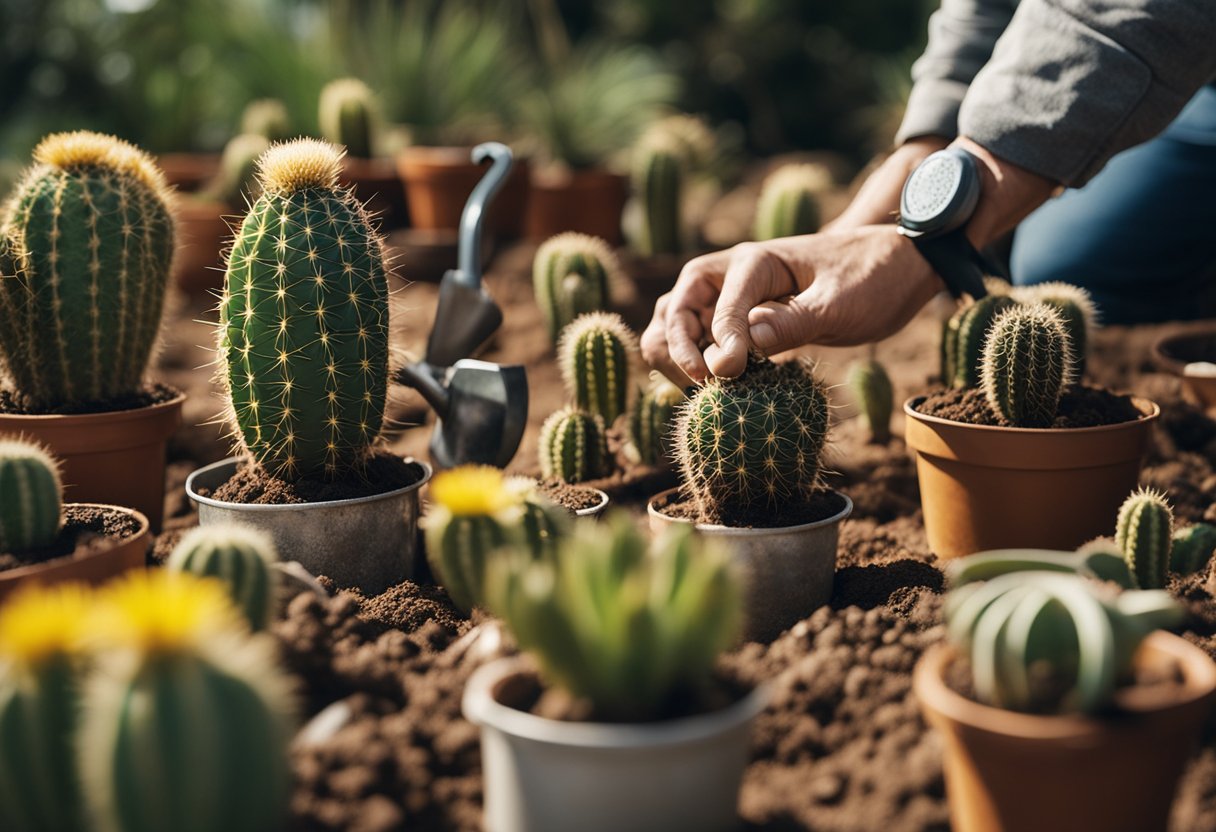
If your cactus leans because its root system cannot anchor successfully, repotting becomes a pivotal step. Choose a pot that offers sufficient depth and width to accommodate robust root expansion. Cacti prefer well-draining soil mixes enriched with pumice, sand, or perlite to prevent waterlogging while encouraging root health.
During repotting, gently untangle disturbed roots and prune any damaged or rotten sections. Position the cactus firmly in the new substrate ensuring it is seated at the same soil depth as before. Adding heavy gravel or stones at the base of the pot can also enhance overall stability, creating a low center of gravity that discourages tipping.

Pruning and Training Your Cactus
Sometimes, a cane-like or sprawling cactus needs structural reshaping to regain equilibrium. Pruning can reduce top-heavy burden by selectively removing elongated or excess growth. Always use sterile, sharp tools to prevent infection. Cut above a growth node to encourage healthy regrowth and maintain the plant’s aesthetic form.
For species prone to uneven growth, training new shoots by guiding them with ties or supports can prevent future leaning. This proactive management fosters a well-distributed canopy and robust structure.
Optimizing Light and Watering Practices
A leaning cactus frequently points to suboptimal lighting, prompting it to stretch in search of energy. Rotating your plant regularly ensures even exposure, preventing a habitually one-sided tilt. For indoor cacti, supplementing natural light with grow lamps can maintain consistent brightness year-round.
Watering plays a subtler role. Overwatering can weaken roots, undermining stability, while underwatering can slow growth and increase susceptibility to environmental stress. Adopting a regimen that matches your cactus species’ specific needs, generally allowing the soil to dry completely between waterings, will keep it vigorous and firm.
Final Thoughts: Embracing the Living Sculpture
There is a captivating story in every lean and curve your cactus exhibits. These plants are living sculptures shaped by their quest for light, the constraints of their pot, and the care you provide. Fixing a leaning or top-heavy cactus is as much about appreciating this narrative as it is about practical adjustments. By carefully diagnosing the causes, stabilizing physically, repotting when necessary, pruning judiciously, and optimizing environmental factors, you enable your cactus to thrive upright and proud once more.
Eventually, with patience and attentive stewardship, your cactus will reclaim its balance, standing as a testament to nature’s resilience and your nurturing touch—a reminder that even the most stubbornly leaning plants can find their way back to grace.
FAQ
What causes a cactus to lean?
A cactus may lean due to phototropism, an unbalanced growth pattern, improper pot size, or root damage.
How can I stabilize a top-heavy cactus?
You can stabilize a top-heavy cactus by using mechanical supports like stakes or by repotting it in a wider pot with appropriate soil.
Is repotting necessary for a leaning cactus?
If the root system cannot anchor the cactus effectively, repotting is necessary to provide stability.
What role does lighting play in cactus growth?
Optimal lighting prevents uneven growth and leaning; rotating the cactus can help ensure even light exposure.

Leave a Reply