
Short Answer
The Andean highlands, where the air is thin and the earth seems to breathe in slow, deliberate rhythms, have long been a cradle of cultures that see the sacred in the most unexpected of places. Among these, the humble cactus—often dismissed in other parts of the world as a mere desert dweller—emerges as a luminous thread woven into the spiritual and communal fabric of Andean life. Far from being a passive plant, the cactus in these traditions is a living symbol, a guardian of ancient wisdom, and a participant in rituals that bridge the mundane and the divine. Its presence in Andean traditions is not incidental; it is intentional, deliberate, and deeply symbolic, offering a lens through which we can explore the interplay between nature, spirituality, and human resilience.
The Sacred Geometry of Cacti: A Botanical and Spiritual Intersection
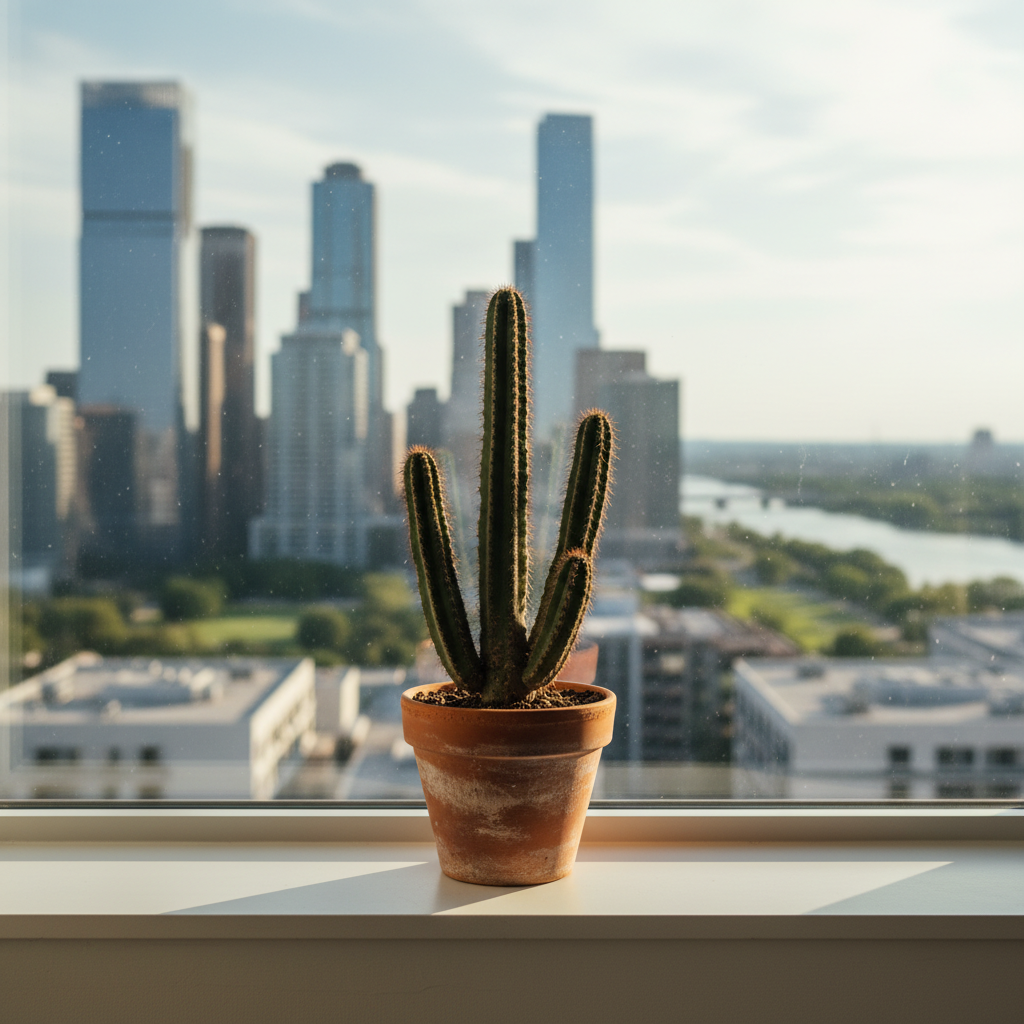
In the Andean worldview, plants are not merely flora; they are kin, collaborators in the cosmic dance of existence. The cactus, with its stark, angular forms and tenacious resilience, embodies a unique spiritual geometry. Its ribbed columns, often likened to the vertebrae of the earth itself, are seen as pathways for energy to ascend and descend, mirroring the cyclical rhythms of life and death. The San Pedro cactus (*Echinopsis pachanoi*), revered across the Andes, is particularly sacred. Its segmented structure is interpreted as a ladder between worlds, a conduit for communication with the *apus*—the mountain spirits who are both ancestors and deities. When consumed in ritual contexts, its psychoactive alkaloids are not merely ingested; they are communed with, allowing the imbiber to traverse the vertical expanse of the Andean cosmos, from the earthly plains to the celestial heights.
Rituals of Transformation: Cacti as Catalysts of the Sacred
The use of cacti in Andean rituals is not a relic of the past but a living practice, deeply embedded in ceremonies that mark the passage of time and the cycles of human experience. The *mesa* ceremonies of the Q’ero people, for instance, are a symphony of intention and symbolism, where the San Pedro cactus plays a central role. Participants ingest the cactus brew not for mere intoxication but for revelation. The visions that follow are not passive hallucinations; they are active dialogues with the spirit world. The cactus, in this context, is a pharmacopoeia of the soul, a tool for divination, healing, and communion. Its effects—often described as a profound clarity, a stripping away of illusions—are seen as a form of spiritual surgery, where the cactus acts as both scalpel and balm, cutting through the noise of the mundane to reveal the raw, unfiltered truth of existence.
The Gendered Dimensions of Cacti: Feminine and Masculine Energies in Andean Cosmology
Andean cosmology is deeply gendered, with the natural world reflecting the interplay of masculine and feminine forces. The cactus, in this framework, is a paradox—a plant that is both phallic in its upright growth and maternal in its nurturing sap. The San Pedro cactus, for example, is often associated with the feminine *pachamama* (Earth Mother), while its psychoactive properties are linked to the masculine *intihuatana* (the hitching post of the sun). This duality is not a contradiction but a harmony, a reminder that the sacred is not monolithic but a tapestry of complementary forces. Rituals involving cacti often balance these energies, invoking the cactus as a mediator between the earthly and the celestial, the feminine and the masculine, the individual and the collective.
In some traditions, the cactus is also tied to the figure of the *paccha*, a feminine deity associated with water and fertility. Offerings made to the cactus—such as chicha (a fermented corn drink) or coca leaves—are not just acts of devotion but participations in a reciprocal relationship. The cactus gives its wisdom; the people give their gratitude. This exchange is a microcosm of the Andean principle of *ayni*, a reciprocal relationship that underpins all of life, from the smallest plant to the largest mountain.
Cacti in Agricultural and Communal Rituals: The Plant as Provider and Protector
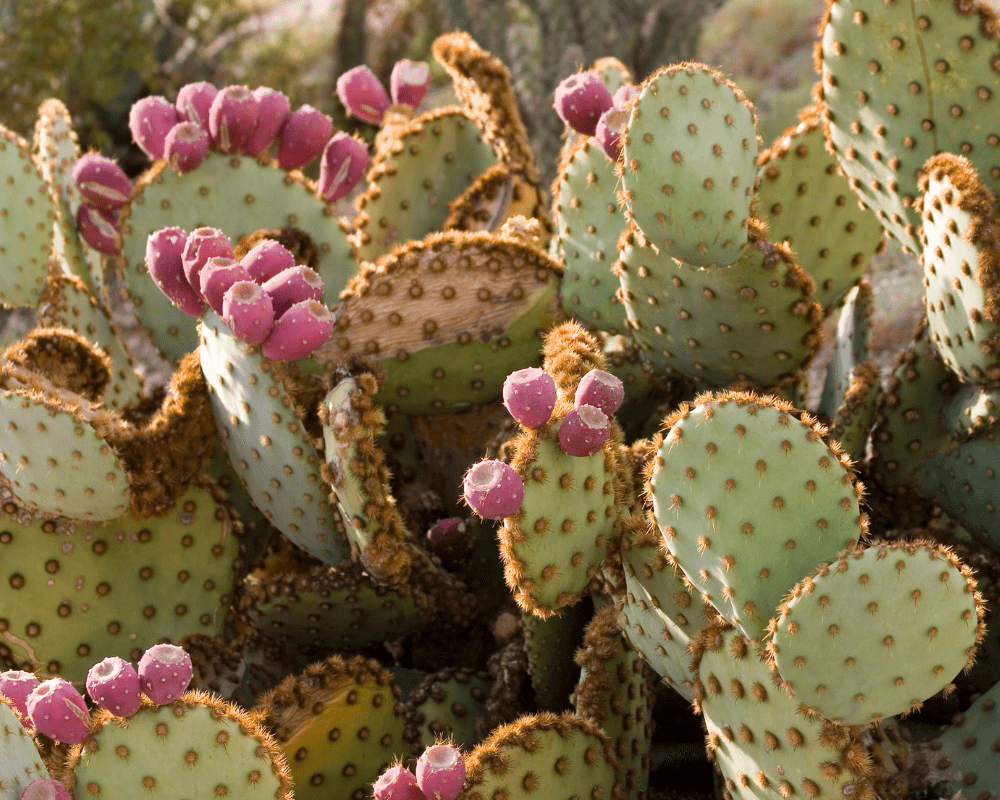
Beyond its role in shamanic rituals, the cactus is a vital participant in the agricultural cycles of the Andes. The *tuna* (prickly pear cactus) is not just a source of fruit; it is a symbol of sustenance and resilience. In the arid highlands, where water is scarce and the earth is unyielding, the cactus thrives where other plants wither. This tenacity is celebrated in rituals that honor the cactus as a provider. During the *Inti Raymi* festival, for instance, offerings of cactus fruit are made to the sun god Inti, acknowledging the plant’s role in sustaining life in the harshest of environments. The cactus, in this context, is a testament to the Andean ethos of *sacred reciprocity*—the idea that humans and nature are bound in a covenant of mutual care.
The cactus also serves as a protective presence in communal spaces. In many Andean villages, cacti are planted around homes and sacred sites, their spines acting as a barrier against malevolent spirits. This practice is not mere superstition; it is a form of environmental stewardship, where the cactus’s natural defenses are harnessed to safeguard the community. The spines, often likened to the rays of the sun, are also seen as a shield against darkness, both literal and spiritual.
The Cactus in Death and Ancestral Veneration: A Bridge Between Worlds
In Andean traditions, death is not an end but a transition, a passage from the visible world to the invisible. The cactus plays a crucial role in this journey, particularly in rituals that honor the dead. During *Día de los Difuntos* (Day of the Dead), cacti are often included in altars and offerings, their presence symbolizing the continuity of life beyond death. The cactus’s ability to store water—its lifeblood—within its flesh is seen as a metaphor for the soul’s endurance, even in the absence of a physical body. In some communities, the cactus is planted on graves, its growth a living memorial to the deceased, a reminder that the spirit, like the cactus, persists.
There is also a belief that the cactus can act as a conduit for messages to the ancestors. In shamanic practices, the smoke from burning cactus spines is used to carry prayers and intentions to the spirit world. The crackling of the spines in the fire is interpreted as the voice of the ancestors, a whisper from the beyond that guides the living. This practice underscores the cactus’s role as a liminal being, a plant that exists at the threshold between life and death, the known and the unknown.
Modern Reverberations: Cacti in Contemporary Andean Spirituality
While the roots of cactus symbolism in the Andes stretch back millennia, its relevance has not faded in the modern era. Today, the San Pedro cactus remains a cornerstone of Andean shamanism, its use spreading beyond indigenous communities to seekers from around the world. This global interest has sparked a dialogue between tradition and modernity, where the cactus is both a sacred plant and a cultural export. For many contemporary practitioners, the cactus represents a return to indigenous wisdom, a rejection of the alienation of modern life in favor of a more interconnected, spiritually attuned existence.
However, this global fascination also raises ethical questions. The commercialization of cacti, particularly the San Pedro, has led to concerns about sustainability and cultural appropriation. Indigenous communities, who have safeguarded these traditions for generations, are increasingly asserting their rights to control the narrative around cactus rituals. For them, the cactus is not a commodity but a sacred ally, a partner in the sacred dance of life. As the world turns its gaze toward the Andes, it is imperative to approach the cactus with reverence, to honor its role not just as a plant, but as a teacher, a healer, and a bridge between worlds.
FAQ
What is the significance of cacti in Andean culture?
Cacti are seen as living symbols and guardians of ancient wisdom, deeply embedded in rituals and community practices.
Which cactus is most revered in Andean traditions?
The San Pedro cactus is particularly sacred, often used in rituals for its psychoactive properties.
How are cacti used in rituals?
Cacti are ingested or used in ceremonies to facilitate spiritual journeys and communication with the spirit world.



Leave a Reply