
Short Answer
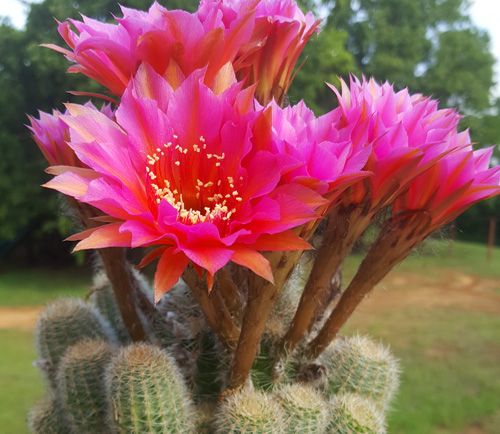
In the vast, sun-scorched landscapes of imagination, the cactus stands not merely as a plant, but as a symbol—resilient, enigmatic, and brimming with paradox. Once confined to the arid fringes of botany and folklore, the spiky silhouette of the cactus has pierced the veil of modern art and literature, transforming into a potent metaphor for endurance, isolation, and transformation. From the bold strokes of contemporary paintings to the introspective prose of novels, the cactus has evolved into a visual and narrative motif that transcends its desert origins. This exploration delves into the multifaceted symbolism of cacti in modern creative expression, revealing how artists and writers harness its prickly essence to convey profound human truths.
The Cactus as a Metaphor for Resilience in Contemporary Art
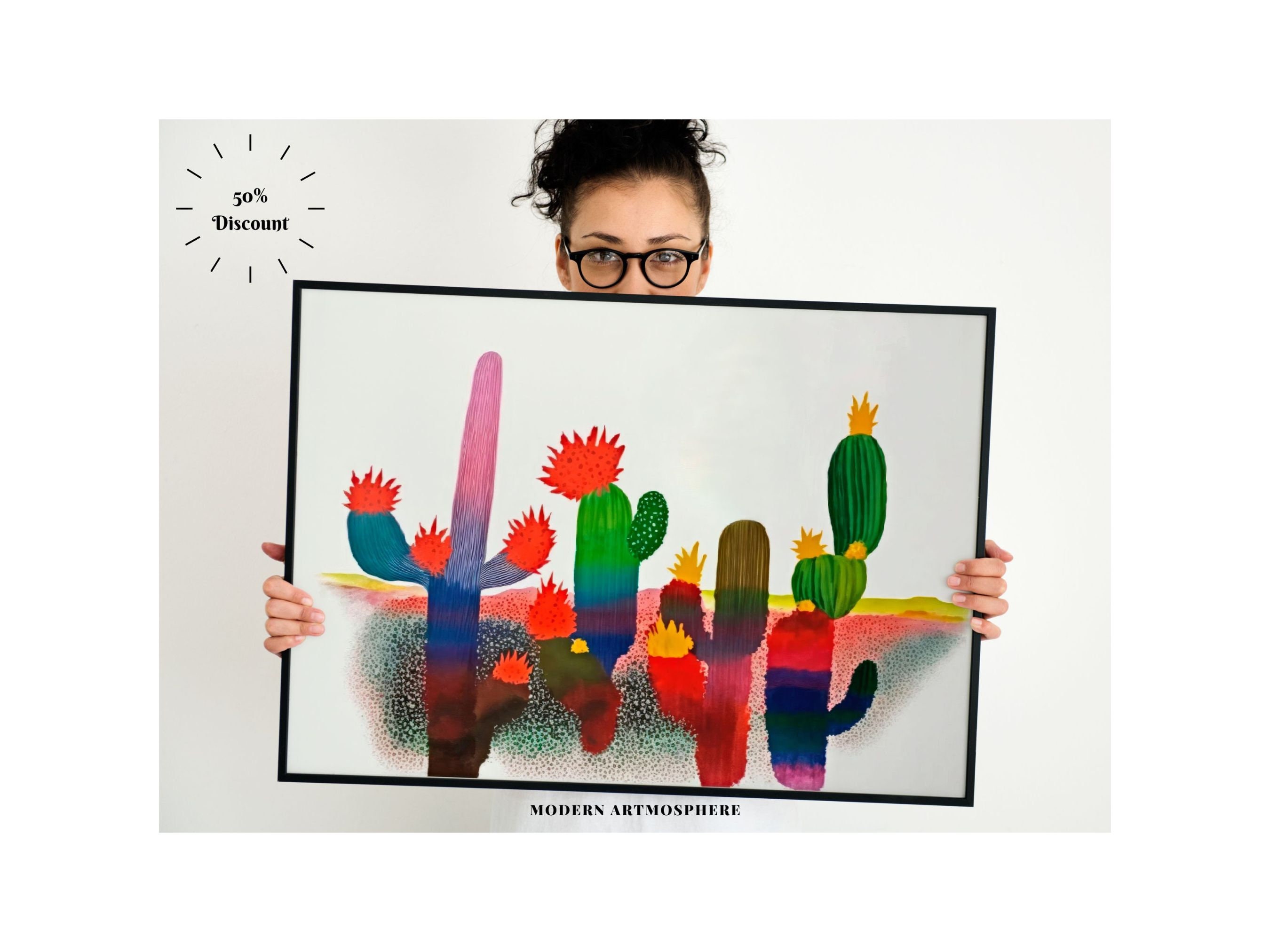
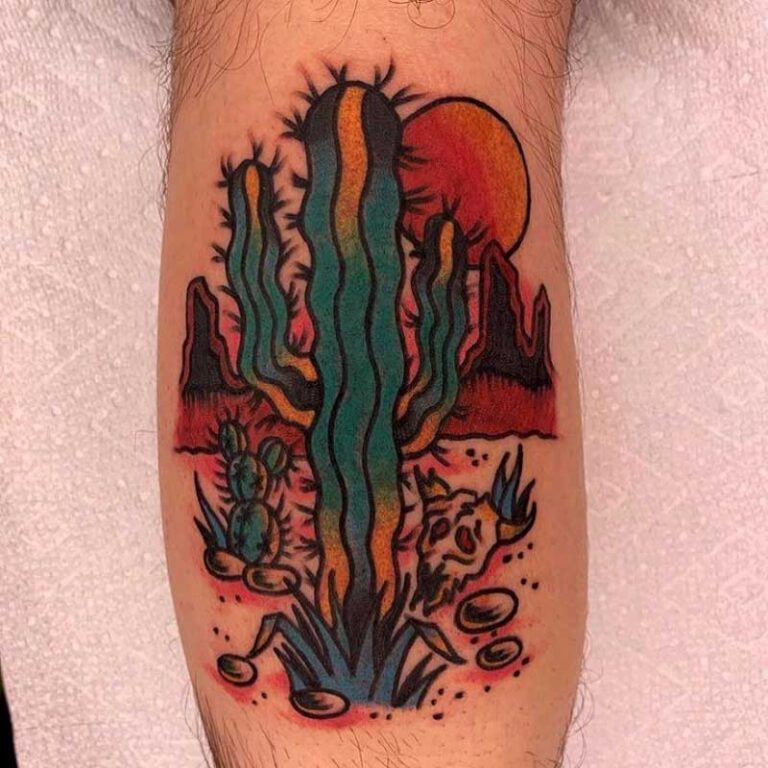
In the realm of modern art, the cactus is often wielded as a visual shorthand for resilience. Its ability to thrive in inhospitable conditions—scorching heat, parched soil, and relentless sunlight—mirrors the human capacity to endure hardship. Contemporary painters frequently employ the cactus not as a passive subject, but as an active symbol of tenacity. In vibrant, hyper-realistic canvases, artists juxtapose the cactus against barren backdrops, using bold hues to emphasize its defiance of adversity. The sharp spines, often rendered with meticulous detail, become visual metaphors for the barriers we construct to protect ourselves, yet also the very tools we use to navigate life’s thorns.
Consider the works of artists who blend surrealism with realism. Here, the cactus may sprout from unlikely places—a city rooftop, a cracked sidewalk, or even a floating island in an abstract dreamscape. These compositions challenge viewers to reconsider their surroundings, urging them to see beauty and strength in the unlikeliest of forms. The cactus, in this context, is not just a plant; it is a silent rebel, a testament to life’s persistence in the face of desolation.
Literary Echoes: The Cactus in Poetry and Prose
Literature, too, has been captivated by the cactus’s symbolic potency. Poets and novelists weave the cactus into their narratives as a silent witness to human struggles, a mirror of inner turmoil, or a beacon of hope in bleak settings. In poetry, the cactus often appears as a metaphor for emotional guardedness—its spines representing the walls we build around our hearts. Yet, paradoxically, its ability to bloom in adversity becomes a symbol of emotional renewal, a reminder that beauty can emerge from pain.
In contemporary novels, the cactus frequently inhabits the periphery of the story, yet its presence looms large. It may adorn the windowsill of a reclusive protagonist, a silent companion in their isolation. Or it might stand sentinel in a sunbaked town, a recurring motif that grounds the narrative in a sense of place and time. Authors use the cactus to evoke themes of endurance, adaptability, and the search for meaning in a world that often feels barren. Its slow growth, its delayed blooming, mirrors the pacing of human development—unhurried, deliberate, and all the more rewarding for it.
Consider the works of writers who employ the cactus as a recurring symbol in their oeuvre. In one novel, it might represent the protagonist’s unyielding spirit; in another, it could symbolize the harsh beauty of a dying relationship. The cactus, in literature, is a chameleon—its meaning shifts with the context, yet its essence remains constant: a reminder that life, no matter how thorny, is worth living.
Cacti in Graphic Design and Illustration: Bold, Prickly, and Unapologetic
The cactus has also found a home in the world of graphic design and illustration, where its bold silhouette and striking form make it a favorite motif. Designers leverage the cactus’s graphic appeal to convey messages of strength, individuality, and even rebellion. In minimalist logos, the cactus is distilled into clean lines and sharp angles, evoking a sense of modernity and edginess. In editorial illustrations, it often appears as a visual pun—a nod to resilience in the face of adversity, or a playful commentary on the challenges of modern life.
Illustrators, particularly those working in the realm of children’s literature and zines, use the cactus to subvert expectations. A cactus might be anthropomorphized, given a face and a personality, and placed in whimsical scenarios—a cactus riding a skateboard, or a cactus hosting a tea party. These playful interpretations infuse the cactus with a sense of humor and charm, making it accessible to audiences of all ages. Yet, even in these lighthearted contexts, the cactus retains its symbolic weight, serving as a subtle reminder of the resilience that lies beneath the surface.
Cultural Crossroads: The Cactus in Global Artistic Traditions
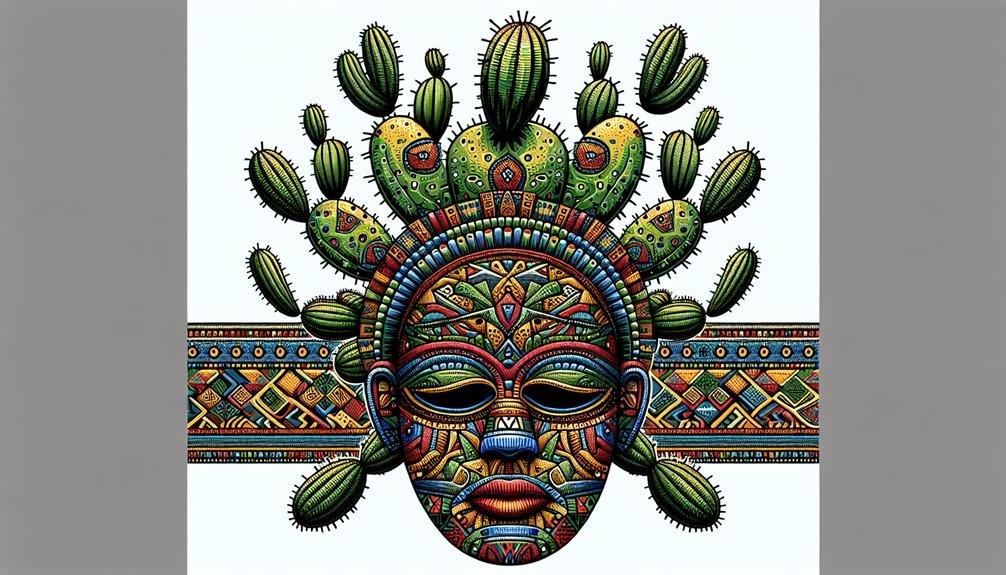
The cactus’s journey from desert floor to gallery wall is not confined to a single culture or artistic tradition. Across the globe, artists have reimagined the cactus through the lens of their own heritage, infusing it with new layers of meaning. In Latin American art, for instance, the cactus is deeply intertwined with indigenous symbolism. It is often associated with the agave plant, a sacred symbol in Aztec and Mayan cultures, and represents sustenance, healing, and spiritual connection. Modern artists in this tradition may blend traditional motifs with contemporary techniques, creating works that honor the past while embracing the present.
In North American and European art, the cactus is frequently stripped of its cultural baggage and reimagined as a universal symbol. Artists in these regions may focus on its formal qualities—its geometric structure, its stark contrast against the landscape—or use it as a vehicle to explore themes of alienation and adaptation. The cactus, in this context, becomes a blank canvas, ready to absorb the meanings imposed upon it by the artist and the viewer alike.
This cultural fluidity is what makes the cactus such a compelling symbol in modern art. It is a shape-shifter, a chameleon that adapts to the context in which it is placed. Whether it is a sacred symbol in one culture or a playful motif in another, the cactus remains a powerful reminder of the interconnectedness of human experience.
The Cactus as a Symbol of Isolation and Connection
One of the most intriguing aspects of the cactus’s symbolism in modern art and literature is its duality—it is both a symbol of isolation and a beacon of connection. On one hand, the cactus thrives in solitude, its spines a barrier against the outside world. This aspect resonates deeply in an era marked by digital connectivity yet emotional detachment. Artists and writers often use the cactus to explore themes of loneliness, self-reliance, and the search for meaning in a disconnected world.
On the other hand, the cactus is also a symbol of connection. Its roots run deep, anchoring it to the earth, while its flowers attract pollinators from far and wide. In this sense, the cactus represents the delicate balance between solitude and community. In literature, a character might find solace in the presence of a cactus, seeing in its quiet resilience a reflection of their own journey. In art, a cactus might be depicted surrounded by other desert flora, emphasizing its role as part of a larger ecosystem.
This duality makes the cactus a versatile symbol, capable of conveying complex emotions and ideas. It invites viewers and readers to reflect on their own relationships with solitude and connection, challenging them to find beauty in both isolation and community.
Conclusion: The Cactus as a Mirror of the Human Spirit
The cactus, in all its prickly glory, is more than a plant—it is a mirror. It reflects our fears, our strengths, our capacity for endurance, and our longing for connection. In modern art and literature, it has transcended its humble origins to become a symbol of the human spirit’s resilience. Whether it appears in a painting as a bold splash of color against a barren landscape, in a poem as a metaphor for emotional guardedness, or in a novel as a silent witness to a character’s journey, the cactus remains a powerful reminder of the beauty that can emerge from adversity.
As we navigate the complexities of modern life, the cactus stands as a testament to the power of adaptation, the importance of endurance, and the beauty of blooming in unexpected places. It is a symbol that invites us to look closer, to see the strength in the spiky, the resilience in the resilient, and the hope in the harshest of landscapes. In the end, the cactus is not just a plant—it is a story, a metaphor, and a mirror, reflecting the very essence of what it means to be human.
FAQ
What does the cactus symbolize in modern art?
In modern art, the cactus symbolizes resilience and endurance, often depicted in challenging environments to reflect human struggles.
How is the cactus used in literature?
In literature, the cactus represents emotional guardedness and renewal, serving as a metaphor for characters' inner turmoil and growth.


Leave a Reply