
Short Answer
Have you ever wondered why some cacti stretch skyward like desert sentinels while others languish in the soil, their spines drooping in despair? The answer, my fellow earth enthusiasts, isn’t just about water or sunlight—it’s all about the dirt beneath their roots. Soil isn’t merely a passive bed for these prickly wonders; it’s a dynamic ecosystem, a hidden battleground where chemistry, physics, and biology wage a silent war for dominance. Today, we’re diving into the gritty, granular world of cactus cultivation to uncover how soil types shape the destiny of these resilient desert dwellers. So, grab your trowel and let’s get our hands dirty!
The Bedrock of Life: Why Soil Matters More Than You Think
Imagine, if you will, a cactus as a tiny, spiky skyscraper. Every towering column of ribs, every delicate flower, every drop of stored water is a testament to the soil’s ability to provide. But soil isn’t a one-size-fits-all solution. It’s a mosaic of minerals, organic matter, and microbial life, each playing a role in the cactus’s survival saga. The wrong soil type can turn a thriving cactus into a wilted, sad little stub in no time. So, what makes soil so pivotal? It’s all about balance—too dense, and roots suffocate; too loose, and they can’t anchor; too rich, and the cactus grows soft and vulnerable. The soil must be a fortress, a sponge, and a buffet all at once.
Sandy Soils: The Desert’s Gift (And Curse)
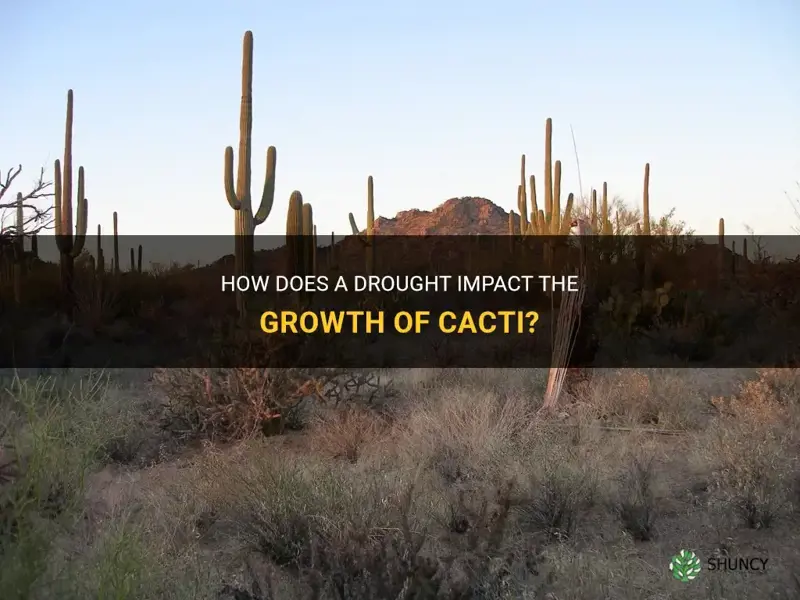
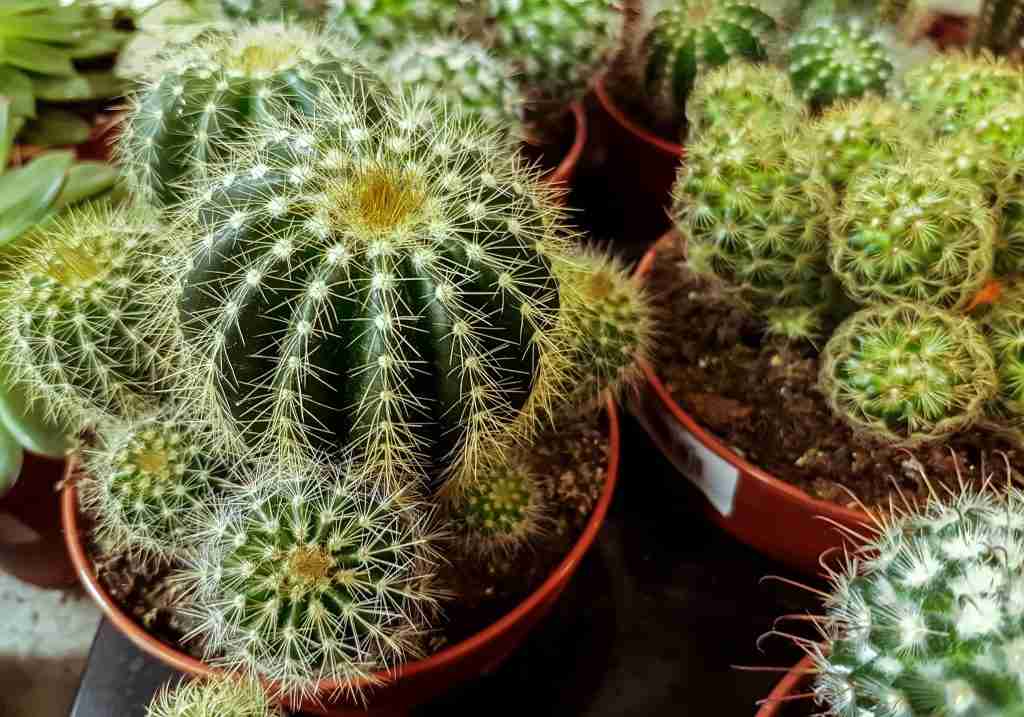
Picture the vast, sun-baked dunes of the Sahara or the rocky expanses of the Sonoran Desert. These are the cactus’s natural playgrounds, where sandy soils reign supreme. Sandy soil is the diva of the desert world—fast-draining, airy, and gloriously poor in organic matter. For cacti like the saguaro or barrel cactus, this is paradise. Their roots can stretch deep and wide without fear of waterlogging, and the loose texture prevents rot. But here’s the twist: sandy soil is a fickle friend. It drains so well that nutrients wash away with the slightest rainfall, leaving cacti starving for essential minerals. To thrive, these desert icons rely on their own resourcefulness—slow growth, deep roots, and a metabolism that thrives on scarcity. Yet, even the hardiest cactus can struggle if the sand is too coarse or too fine, proving that even in the desert, the soil’s texture is a delicate balancing act.
Clay Soils: The Heavyweight Contender (And Why It’s Tricky)
Now, let’s talk about the elephant in the room—clay soil. Dense, sticky, and slow to drain, clay is the polar opposite of sandy soil. For most plants, it’s a nightmare, but for some cacti, it’s a challenge they’ve learned to endure. Clay holds moisture like a miser, which can be a blessing in arid climates but a curse in humid ones. When wet, it becomes a suffocating blanket, trapping roots in a waterlogged prison. Yet, in the right conditions, clay can be a cactus’s best friend. It retains nutrients like a sponge, providing a steady diet of minerals. The key? Amending it with sand or perlite to improve drainage. Some cacti, like the prickly pear, have evolved to tolerate clay, their roots spreading wide to seek out pockets of air. But for others, it’s a gamble—a high-stakes game of survival where one wrong move means root rot and a slow, sad demise.
Loamy Soils: The Goldilocks Zone for Cacti
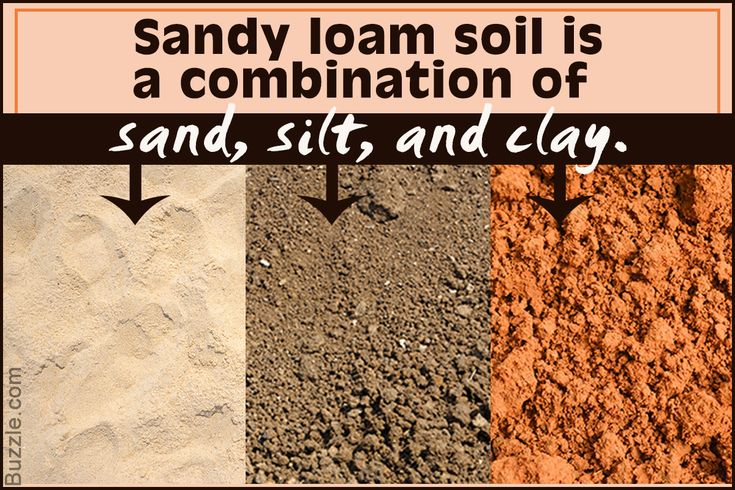
Enter loamy soil, the middle child of the soil world—neither too sandy nor too clayey, but just right. A blend of sand, silt, and clay, loam is the Goldilocks of soils: not too dense, not too loose, not too rich, not too poor. For cacti that aren’t desert purists, loam is the sweet spot. It drains well enough to prevent rot but holds moisture and nutrients long enough to sustain growth. Loamy soil is like the perfect host—generous but not overbearing. It’s the soil of choice for many cultivated cacti, from the majestic Mexican fence post to the humble Christmas cactus. But even loam has its limits. If it becomes too compacted or waterlogged, even the hardiest cactus will throw in the towel. The secret? Regular aeration and the occasional sprinkle of grit to keep things loose and lively.
The Microbial Underworld: How Tiny Life Shapes Cactus Fate
Soil isn’t just dirt—it’s a bustling metropolis of microscopic life. Bacteria, fungi, and tiny invertebrates form a hidden network that can make or break a cactus’s existence. Mycorrhizal fungi, for example, form symbiotic relationships with cactus roots, extending their reach and enhancing nutrient absorption. Without these tiny allies, many cacti would struggle to extract the minerals they need from the soil. But not all microbes are friends. Pathogenic fungi and bacteria can turn a thriving cactus into a mushy, rotting mess overnight. The soil’s microbial composition is a delicate ecosystem, one that can be disrupted by overwatering, chemical fertilizers, or even the simple act of repotting. For cactus enthusiasts, nurturing this underground world is as important as choosing the right soil type. It’s a reminder that even in the harshest environments, life thrives on collaboration.
pH Levels: The Acid Test for Cactus Happiness
Here’s a question that might make your head spin: does your cactus prefer a soil pH that’s as acidic as a lemon or as alkaline as a chalkboard? Most cacti thrive in slightly acidic to neutral soil (pH 6.0–7.5), but some, like the epiphytic cacti (think Christmas cactus), prefer a more acidic environment. The pH level affects nutrient availability—too acidic, and essential minerals like calcium become scarce; too alkaline, and iron deficiency sets in, leaving your cactus with a case of chlorosis (that dreaded yellowing of the spines). Testing your soil’s pH is like giving your cactus a health checkup. Adjusting it might require adding lime to raise alkalinity or sulfur to increase acidity. It’s a fine-tuned balancing act, but one that can mean the difference between a thriving cactus and a struggling one.
The Urban Cactus Dilemma: Can City Dwellers Recreate Desert Soils?
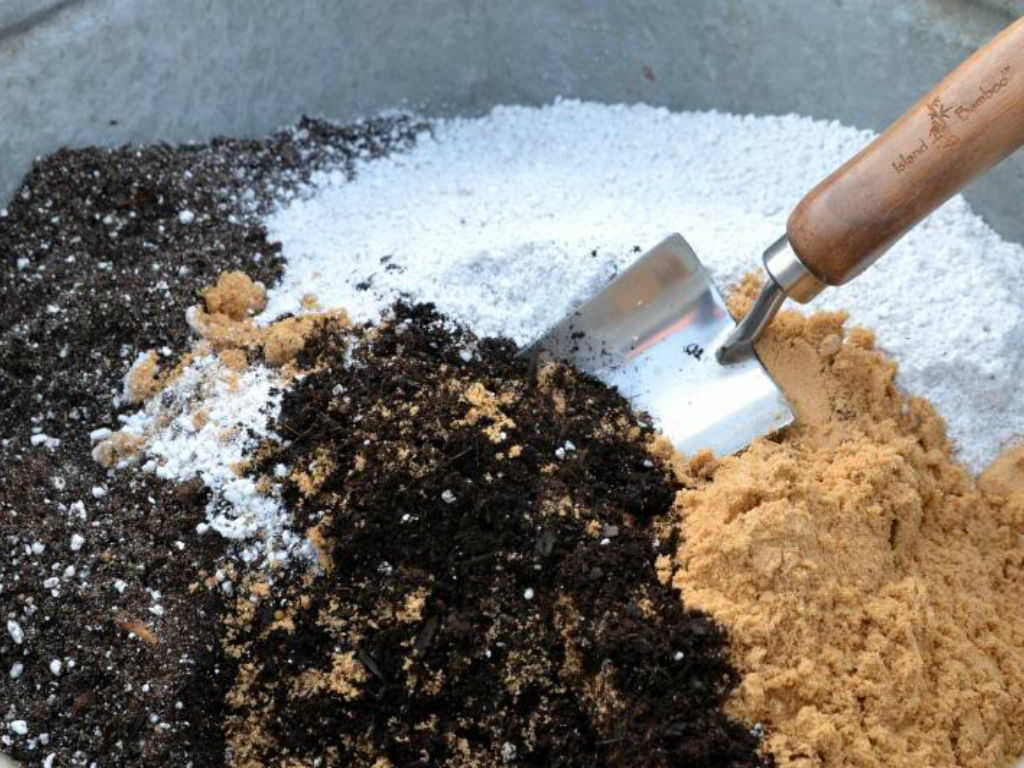
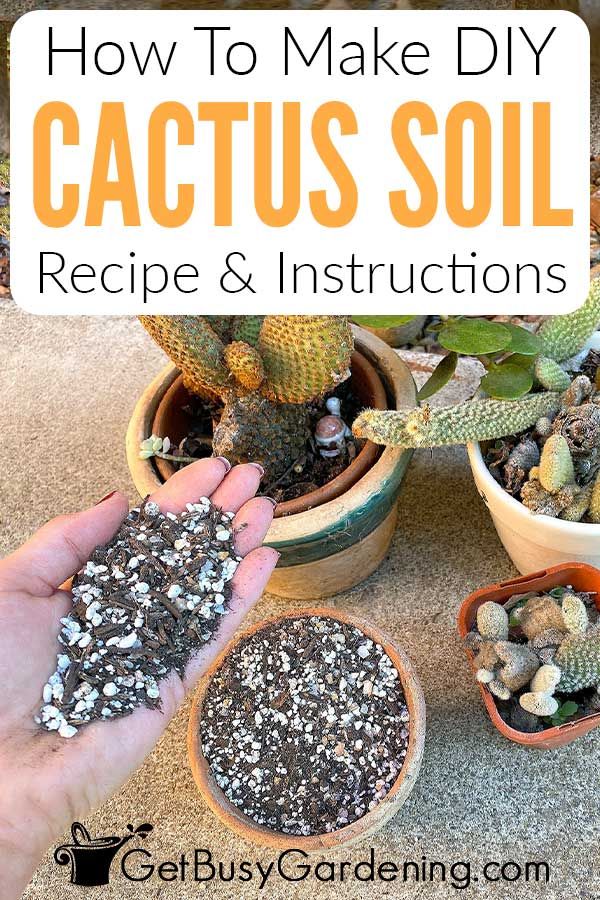
Living in a concrete jungle doesn’t mean you’re doomed to a life of sad, wilted cacti. With a little creativity, you can recreate the perfect soil mix for your spiky friends. Start with a base of cactus or succulent soil mix, then amend it with perlite, pumice, or coarse sand to improve drainage. For clay-loving cacti, blend in some organic matter like coconut coir or compost to lighten the texture. And don’t forget the microbial boost—add a handful of worm castings or mycorrhizal fungi to your mix. The key is experimentation. Every home, every climate, every cactus is different. What works for your neighbor’s barrel cactus might not work for your own. Keep a journal, take notes, and don’t be afraid to get your hands dirty. After all, gardening is as much about patience as it is about passion.
So there you have it—the secret life of cactus soil, laid bare in all its gritty, granular glory. From the airy freedom of sandy soils to the nutrient-rich embrace of loam, each soil type tells a story of adaptation, resilience, and survival. The next time you cradle a cactus in your hands, remember: you’re not just holding a plant. You’re holding a tiny ecosystem, a microcosm of life’s tenacity in the face of adversity. Now, go forth and soil your hands with purpose!
FAQ
What soil type is best for cacti?
Cacti generally thrive in sandy or loamy soils that provide good drainage while retaining some moisture.
How do pH levels affect cactus growth?
Most cacti prefer a pH between 6.0 and 7.5, affecting their ability to absorb nutrients.
Leave a Reply