
Short Answer
There’s something quietly revolutionary about a Parodia cactus. These globular, ribbed wonders don’t just survive—they thrive in conditions that would flatten lesser plants. Their resilience isn’t accidental; it’s a masterclass in adaptation, honed over millennia in the harsh, sun-scorched landscapes of South America. Yet, when we bring them into our homes, we often stumble over the same question: What’s the best soil for Parodia? It’s not just about dirt in a pot. It’s about recreating the breathless, mineral-rich embrace of their native habitats, where every grain of sand and speck of volcanic ash plays a role in their flourishing.
The Myth of “Regular” Cactus Soil: Why Parodia Demands More
Walk into any garden center, and you’ll find shelves lined with bags of “cactus and succulent soil.” It’s a convenient solution, marketed as a one-size-fits-all answer to our desert-dwelling friends. But here’s the truth: Parodia cacti are discerning. They don’t just tolerate poor drainage—they require it. The moment their roots are smothered in moisture-retaining peat or organic matter, the rot sets in. It’s not laziness on their part; it’s a survival instinct. In their natural environments, Parodia species cling to rocky outcrops and sandy slopes, where water vanishes as quickly as it arrives. Their soil must mimic this ephemeral wetness, allowing roots to drink deeply but never drown.
This is where the myth of “regular” cactus soil falls apart. Most commercial blends are too dense, too spongy. They’re designed for plants that can handle a little dampness, not the Parodia’s strict no-nonsense approach to hydration. To give these cacti the soil they deserve, we must strip away the fluff—literally. The best medium is a gritty, almost skeletal mix, where inorganic materials dominate and organic matter plays a supporting role, not a leading one.
The Alchemy of Drainage: Crafting a Soil That Breathes
Drainage isn’t just about avoiding soggy roots; it’s about creating an environment where air and water move in harmony. Parodia cacti need soil that’s porous enough to let excess water flee like a startled lizard, yet structured enough to hold just enough moisture to sustain them between waterings. This balance is delicate, almost like a tightrope walk between aridity and sustenance.
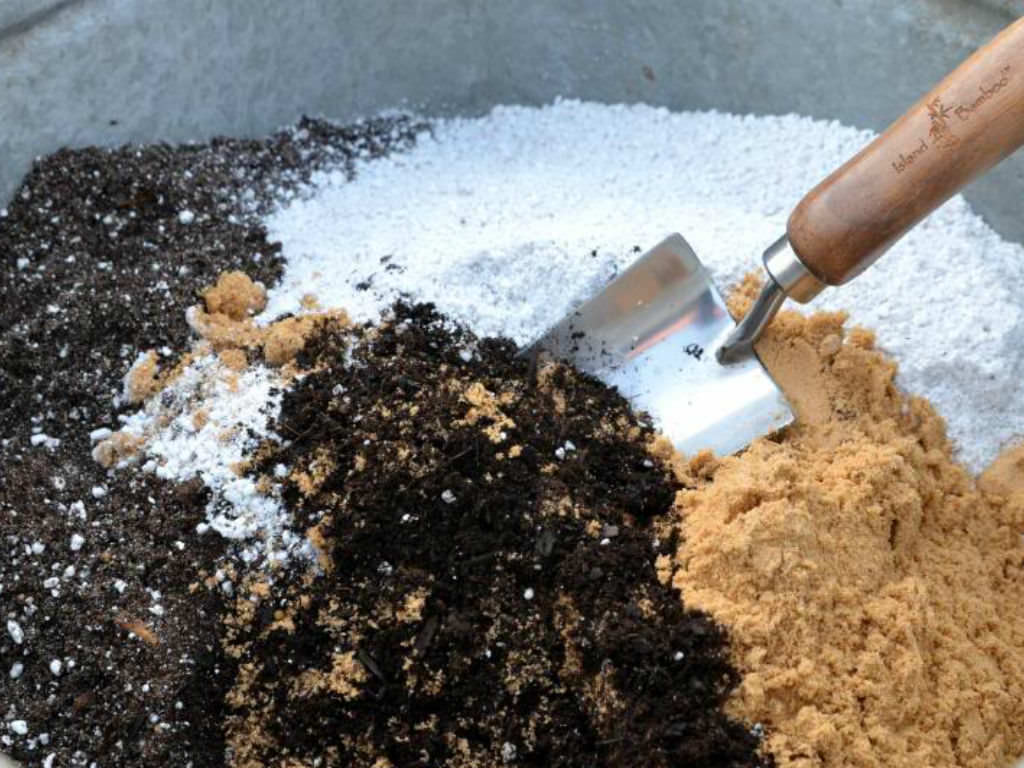
Start with a base of coarse sand—think riverbed sand, not the fine, dusty stuff that clumps together. Add perlite or pumice for aeration, their jagged edges creating microscopic air pockets that prevent compaction. A handful of horticultural grit, like chicken grit or decomposed granite, will add weight and structure, mimicking the rocky terrain of their native Andes. For organic matter, a whisper of coconut coir or a sprinkle of well-aged compost will suffice. The goal isn’t to feed the plant directly but to foster a microbial community that slowly breaks down nutrients into a form the cactus can absorb.
But here’s the kicker: the ratio matters. A 70-80% inorganic to 20-30% organic split is ideal. Too much organic matter, and the soil retains water like a sponge. Too little, and the cactus starves. It’s a Goldilocks scenario, where the soil must be just right—neither too greedy nor too stingy with moisture.
The Nutrient Paradox: Less Is More for Parodia
Parodia cacti are not gluttonous feeders. In fact, they’re downright ascetic when it comes to nutrients. Their native soils are often mineral-poor, forcing them to extract what they need with ruthless efficiency. Over-fertilizing is a common mistake, one that leads to lush, etiolated growth that’s more susceptible to pests and disease. The key is to think of nutrients as a condiment, not a main course.
A balanced, diluted fertilizer—think 10-10-10 or 5-10-5—applied sparingly during the growing season (spring and summer) is all they need. But even then, half-strength is often enough. Parodia cacti are more likely to suffer from nutrient burn than deficiency. Their roots are finely tuned to detect and absorb only what’s necessary, and excess salts can scorch them like a desert mirage.
Organic fertilizers, like worm castings or fish emulsion, should be used with caution. While they provide a slow-release buffet of nutrients, they also increase the soil’s water-holding capacity, which can be a double-edged sword. If you opt for organics, use them sparingly and monitor the soil’s moisture levels closely. The goal is to nourish, not suffocate.
The Role of pH: Alkalinity as a Shield
Parodia cacti thrive in slightly alkaline soil, with a pH between 6.5 and 7.5. This isn’t arbitrary. In their native habitats, the soils are often rich in calcium and magnesium, leached from the surrounding rock. This alkalinity isn’t just a preference; it’s a defense mechanism. It inhibits the growth of harmful fungi and bacteria that thrive in acidic conditions, protecting the cactus’s delicate root system.
Testing your soil’s pH is a step many growers skip, but it’s crucial. If your water is acidic or your soil mix leans too far in the organic direction, you may need to amend it with lime or crushed eggshells to nudge the pH upward. Conversely, if the soil is too alkaline, a light dusting of sulfur can bring it back into balance. The goal isn’t perfection but harmony—a soil that supports the cactus without fighting it.
Repotting: The Ritual of Renewal
Parodia cacti don’t just grow; they evolve. As they mature, their roots expand, and their soil becomes depleted. Repotting isn’t just a chore; it’s a renewal, a chance to refresh their environment and give them the space to thrive. But repotting is also a delicate operation. Their roots are sensitive, and the wrong soil mix can send them into shock.
When repotting, choose a container that’s only slightly larger than the previous one. Parodia cacti prefer to be snug; their roots spread outward, not downward. Gently remove the old soil, teasing out any compacted areas with your fingers. Inspect the roots for signs of rot or pests, and trim away any damaged sections with a sterilized knife. Then, nestle the cactus into its new home, ensuring the soil level matches its previous depth. Water lightly after repotting, but don’t drown it—remember, these plants are used to drought, not deluges.
The best time to repot is in early spring, just as the cactus is emerging from its winter dormancy. This gives it the entire growing season to acclimate to its new soil and establish itself before the cooler months arrive.
The Deeper Fascination: Why Parodia Captivates Us
There’s a quiet intensity to Parodia cacti that goes beyond their spiny exteriors. They’re survivors, yes, but they’re also artists of adaptation, sculpting their environments to suit their needs. In a world where we often bend nature to our will, Parodia reminds us that resilience isn’t about brute force—it’s about finesse. It’s about knowing when to hold on and when to let go, when to drink deeply and when to wait patiently for the next rain.
Perhaps that’s why we’re so drawn to them. In their stubborn, globular forms, we see a reflection of our own struggles—our need for balance, our resistance to excess, our ability to thrive in the cracks of a harsh world. They teach us that the best soil isn’t just a medium; it’s a metaphor. It’s a reminder that even in the driest landscapes, life finds a way.
So the next time you reach for that bag of generic cactus soil, pause. Ask yourself: Is this really what my Parodia needs? Or is it time to craft something better—something that honors the cactus’s wild, untamed spirit?
FAQ
What type of soil is best for Parodia cacti?
Parodia cacti thrive in a gritty soil mix with a high percentage of inorganic materials for proper drainage.
How often should I repot my Parodia cactus?
Repotting should be done in early spring when the cactus is emerging from dormancy.
Leave a Reply