
Short Answer
Astrophytum cacti, with their striking geometric forms and sunburst patterns, are a testament to nature’s artistry. These desert jewels, native to the arid landscapes of Mexico and the southwestern United States, have captivated gardeners and botanists alike. Yet, their beauty is not merely ornamental—it is a study in resilience, a dance between light and survival. Understanding their light requirements is not just about keeping them alive; it’s about unlocking their full potential, coaxing vibrant blooms, and fostering a thriving, sun-kissed sanctuary in your home or garden. Whether you’re a seasoned cacti enthusiast or a curious newcomer, mastering the nuances of full sun versus partial shade will transform your Astrophytum from a mere plant into a living masterpiece.
The Astrophytum’s Native Habitat: A Primer on Desert Light Dynamics
To truly grasp the light needs of Astrophytum, we must first step into the sun-scorched realms they call home. These cacti thrive in the Chihuahuan and Sonoran deserts, where the sun is an unrelenting force, casting sharp shadows and bathing the landscape in golden hues. Here, Astrophytum species like A. ornatum and A. myriostigma have evolved to bask in the full, unfiltered glare of the sun for most of the day. Their ribbed, globular bodies are nature’s solar panels, maximizing light absorption while minimizing water loss through their thick, waxy epidermis. The sparse vegetation and rocky terrain of their native habitats mean that these cacti rarely encounter prolonged shade, except perhaps during the fleeting moments of dusk or dawn. This evolutionary backdrop is crucial—it tells us that Astrophytum are not just sun-lovers; they are sun-worshippers, hardwired to thrive in conditions that would wither lesser plants.
Full Sun Exposure: The Gold Standard for Astrophytum Brilliance
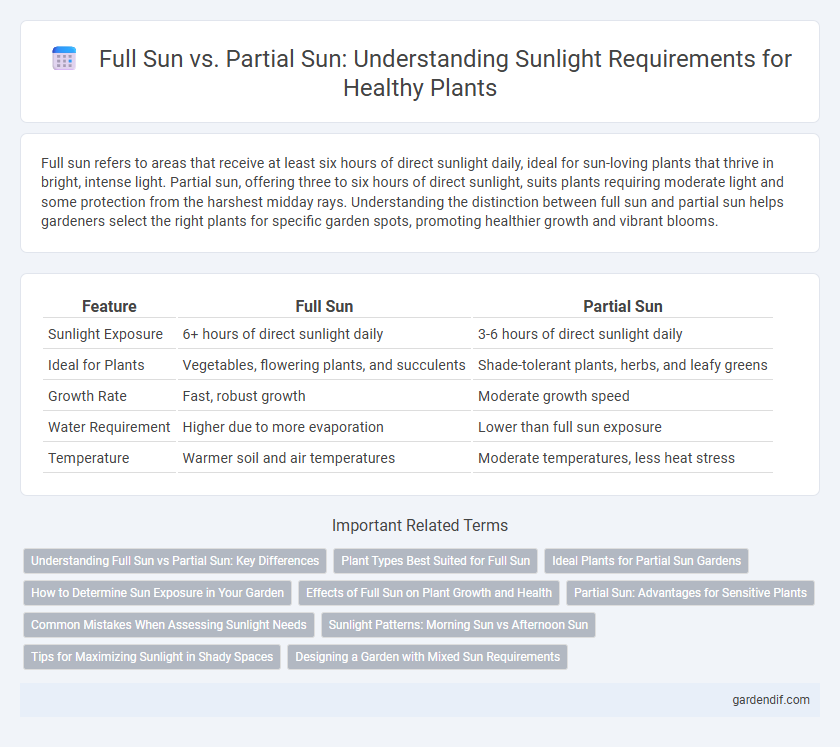
When we talk about full sun for Astrophytum, we’re not speaking of a lazy afternoon on the patio. We’re talking about a rigorous, sun-drenched regimen that mimics the harshest desert afternoons. For these cacti, full sun means at least six to eight hours of direct sunlight daily, with the potential for even more during peak summer months. The benefits of such exposure are manifold. Under full sun, Astrophytum develop their signature deep green or bluish-green hues, their ribs becoming more pronounced, and their woolly areoles—those tufts of hair-like spines—fluffing up to create a striking contrast. But the real magic happens when the light is just right: vibrant, star-shaped flowers burst forth, often in shades of yellow, white, or even pink, turning your cactus into a living constellation.
However, full sun is not without its challenges. Without proper acclimatization, Astrophytum can suffer from sunburn, a condition marked by unsightly brown or yellow patches on their skin. To prevent this, introduce your cactus to full sun gradually, starting with a few hours of morning light and slowly increasing the duration over a week or two. Additionally, well-draining soil is non-negotiable—stagnant moisture in full sun can lead to rot, a silent killer of these desert dwellers. If you’re growing Astrophytum outdoors, consider placing them in a south-facing location where they can soak up the sun’s rays without obstruction. Indoors, a south or west-facing windowsill is ideal, though supplemental grow lights may be necessary during darker months.
Partial Shade: A Delicate Balance for the Less Hardy Enthusiast
Not everyone has the luxury of a sun-drenched balcony or a greenhouse bathed in light. For those with more temperate climates or limited outdoor space, partial shade can be a viable alternative—but it’s a compromise, not a shortcut. Partial shade typically means three to six hours of sunlight per day, often filtered through the dappled canopy of trees or the lattice of a pergola. While Astrophytum can survive in these conditions, they may not reach their full glory. Expect slower growth, less pronounced ribbing, and a higher likelihood of etiolation—a leggy, stretched-out appearance caused by insufficient light. Flowers may be fewer and farther between, and the cactus’s overall color may remain a paler shade of green, lacking the deep saturation of its full-sun counterparts.
That said, partial shade isn’t entirely without merit. For beginners or those in regions with scorching summers, it can serve as a gentler introduction to cactus care. It also allows for more flexibility in placement, making it easier to integrate Astrophytum into mixed plantings or shaded gardens. If you opt for partial shade, ensure that the cactus still receives bright, indirect light for the majority of the day. Avoid deep shade, which can lead to weak, etiolated growth and a higher susceptibility to pests and diseases. A bright, airy spot with morning sun and afternoon shade is often the sweet spot for those unable to provide full sun.
Seasonal Light Variations: Adapting to Nature’s Rhythms
The sun’s intensity is not static—it waxes and wanes with the seasons, and so too must our care for Astrophytum. In spring and autumn, when the sun is less fierce, these cacti can tolerate slightly more light than they might in the height of summer. However, as temperatures rise and the sun climbs higher in the sky, it’s essential to monitor your cactus for signs of stress. During the dog days of summer, even full-sun-loving Astrophytum may benefit from a bit of afternoon shade, particularly in regions with extreme heat. This is especially true for potted cacti, which can overheat more quickly than their in-ground counterparts.
Winter presents another challenge. In their native habitats, Astrophytum experience a period of dormancy, slowed growth, and reduced water needs. Indoors, they may struggle to receive enough light during the shorter days, leading to etiolation or a loss of vibrancy. To combat this, consider supplementing with grow lights, ensuring your cactus receives at least six hours of artificial light daily. Alternatively, rotate your cactus regularly to prevent it from leaning toward the light source, a common issue in low-light conditions. Remember, Astrophytum are not just passive recipients of light—they are active participants in their own growth, responding to the subtle cues of seasonal change.
Signs of Light Stress: Reading Your Astrophytum’s Silent Messages
Plants communicate, though their language is one of subtle signals rather than words. For Astrophytum, the most telling signs of light stress are visual. Sunburn appears as bleached or brown patches on the skin, often accompanied by a rough, papery texture. If caught early, these areas can sometimes recover, but severe cases may lead to permanent scarring or even death. On the flip side, insufficient light manifests as etiolation—long, stretched-out stems with widely spaced ribs—and a general pallor, as if the cactus has lost its vitality. Pests and diseases may also take hold more easily in stressed plants, so vigilance is key.
Another less obvious sign is a lack of flowering. Astrophytum are renowned for their blooms, which often appear in late spring or early summer. If your cactus isn’t flowering, it may be a sign that it’s not receiving enough light. Conversely, an overabundance of flowers in a single season can indicate that the cactus is under stress, possibly from too much light or fluctuating temperatures. Pay attention to these silent messages; they are your Astrophytum’s way of telling you what it needs.
Practical Tips for Optimizing Light Conditions
Achieving the perfect light balance for your Astrophytum requires a mix of observation, experimentation, and a touch of intuition. Start by assessing your growing environment. If you’re outdoors, note the path of the sun throughout the day and place your cactus where it will receive the most intense light without being scorched. For indoor growers, a south-facing window is ideal, but supplement with grow lights if necessary. Rotate your cactus every few weeks to ensure even light distribution and prevent leaning.
Soil choice is another critical factor. Astrophytum require a gritty, well-draining mix that mimics their natural habitat. A blend of cactus soil, perlite, and coarse sand will ensure that excess water drains away quickly, preventing rot—a common issue in overly moist conditions. Watering practices also play a role in light management. In full sun, cacti may need more frequent watering, but always allow the soil to dry out completely between waterings. In partial shade, reduce watering to prevent root rot.
Finally, don’t be afraid to experiment. Every growing environment is unique, and what works for one enthusiast may not work for another. Keep a journal to track your Astrophytum’s progress, noting changes in color, growth rate, and flowering patterns. Over time, you’ll develop an intuitive sense of what your cactus needs to thrive.
Beyond the Basics: Advanced Light Management for Enthusiasts
For those who are deeply invested in their Astrophytum collection, advanced techniques can take their care to the next level. One such method is the use of shade cloths, which can be adjusted seasonally to provide the ideal amount of light. In summer, a 30-50% shade cloth can protect against scorching, while in winter, removing the cloth allows for maximum light exposure. Another technique is the use of reflective surfaces, such as white gravel or aluminum foil, to bounce additional light onto the cactus, enhancing its growth and coloration.
For collectors growing multiple Astrophytum species, grouping them by their light preferences can create a stunning display. Place sun-loving species like A. ornatum in the brightest spots, while more shade-tolerant varieties like A. capricorne can occupy slightly less intense locations. This not only showcases their differences but also creates a dynamic, visually engaging arrangement.
Lastly, consider the role of temperature in light management. Astrophytum are ectothermic, meaning their metabolic processes are directly influenced by their environment. In cooler temperatures, their growth slows, and they may require less light. Conversely, in warmer conditions, they become more active and may need additional light to support their increased metabolic demands. By understanding these nuances, you can fine-tune your care routine to create the perfect conditions for your cacti to flourish.
FAQ
Can Astrophytum cacti survive in partial shade?
Yes, Astrophytum can survive in partial shade but they will have slower growth, less vibrant coloration, and reduced flowering compared to full sun exposure.
How much sunlight does Astrophytum need to thrive?
Astrophytum generally require at least six to eight hours of direct sunlight daily to develop healthy coloration and abundant flowers.
What are signs of too much or too little light for Astrophytum?
Too much light can cause sunburn with brown or yellow patches, while too little light results in etiolation, pale color, and poor flowering.
How can I prevent sunburn in Astrophytum?
Introduce your cactus to full sun gradually and ensure well-draining soil to avoid moisture-related rot.
Is supplemental lighting necessary for indoor Astrophytum during winter?
Yes, grow lights providing at least six hours of light daily can help maintain healthy growth during short winter days.
Leave a Reply