
Short Answer
There’s something quietly revolutionary about a cactus thriving where others wither—a silent defiance of the ordinary. Among these sun-worshipping rebels, the Parodia genus stands out, not just for its resilience, but for its uncanny ability to transform sunlight into vibrant life. Yet, the dance between full sun and partial shade for these plants is more than a horticultural preference; it’s a story of adaptation, survival, and the delicate balance between too much and too little. What if the key to unlocking their full potential lies not in extremes, but in the nuanced interplay of light and shadow?
The Parodia’s Radiant Affinity: Why Full Sun Ignites Their Splendor
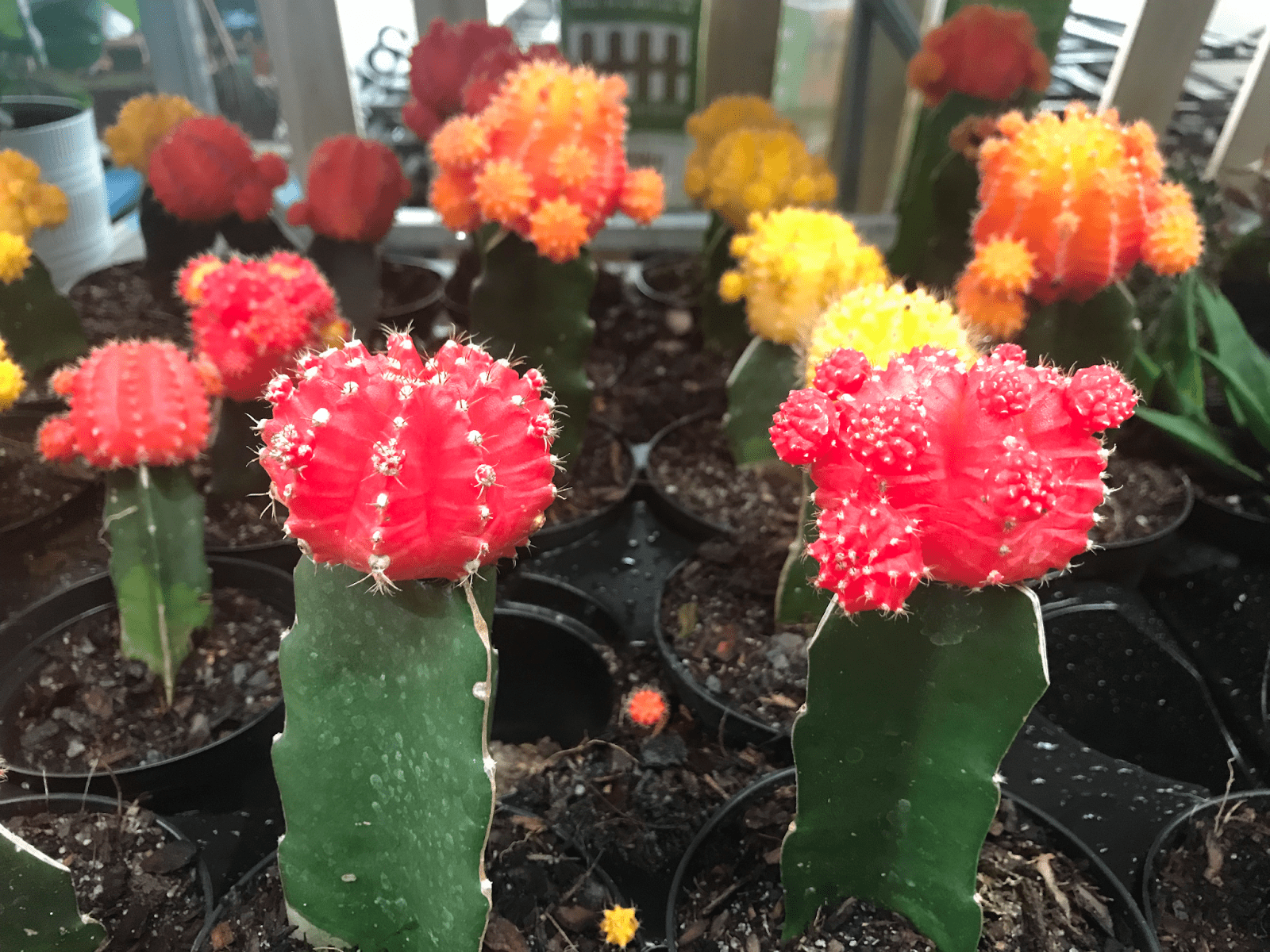
Picture a Parodia under the unfiltered gaze of the midday sun—its ribs casting sharp, geometric shadows, its spines glinting like needles threaded with gold. This is where the magic happens. Full sun is the Parodia’s native tongue, a language it speaks with effortless fluency. The intense light doesn’t just illuminate; it supercharges photosynthesis, turning each spine into a tiny solar panel. The result? A cactus that swells with color, its epidermis deepening into hues of crimson, amber, or even electric orange, as if painted by the sun itself.
But this radiance isn’t merely aesthetic. In their natural habitats—arid grasslands and rocky outcrops of South America—Parodias have evolved to harness every photon. Their compact, globular forms minimize water loss while maximizing surface area for light absorption. The spines aren’t just decorative; they’re a sophisticated defense mechanism, diffusing harsh light and creating microclimates that shield the plant’s delicate tissues. To deny a Parodia full sun is to mute its voice, to strip it of the very conditions that make it thrive.
The Subtle Art of Partial Shade: When Less Light Becomes a Sanctuary
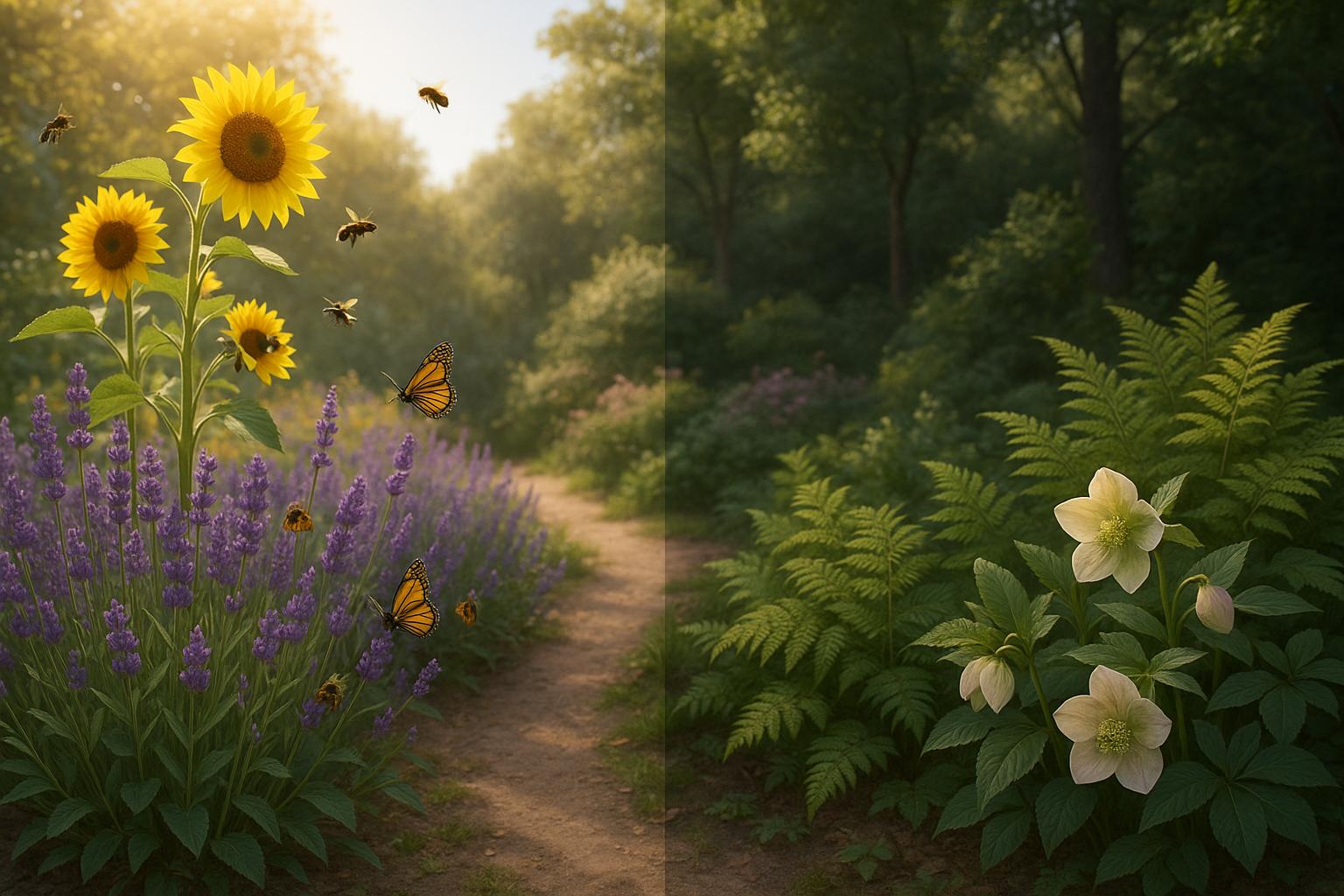
Yet, even the sun’s most devoted followers need respite. Partial shade isn’t a compromise—it’s a strategic retreat. In the wild, Parodias often find themselves nestled beneath the dappled canopy of shrubs or tucked into the crevices of cliffs, where the sun’s intensity is tempered by the earth’s embrace. Here, the light is softer, filtered through leaves or scattered by rock, creating a gentle gradient that prevents scorching while still fueling growth.
This isn’t laziness; it’s wisdom. Partial shade allows Parodias to conserve energy, redirecting resources toward root development or offset production rather than battling the sun’s relentless glare. It’s a survival tactic, especially in regions where temperatures soar or where sudden downpours can leave the soil waterlogged. The spines, now less critical for light diffusion, take on a secondary role—protecting the plant from pests or even reflecting excess moisture away from the stem.
But there’s a catch. Too much shade, and the Parodia stretches, its ribs elongating in a desperate bid for light. The vibrant colors fade into a pallid green, and the spines lose their luster. It’s a slow surrender, a plant’s quiet plea for more sun. The balance, then, isn’t just about light—it’s about understanding the Parodia’s unspoken needs, its silent negotiations with the environment.
The Science Behind the Glow: Chlorophyll, Carotenoids, and the Alchemy of Light
Dive deeper, and the Parodia’s relationship with light reveals itself as a biochemical marvel. Chlorophyll, the green pigment that powers photosynthesis, is only part of the story. Carotenoids—those fiery oranges and reds—are the plant’s sunscreen, protecting its tissues from UV damage while also attracting pollinators. In full sun, these pigments intensify, creating the dazzling displays that make Parodias so beloved. But in partial shade, the balance shifts. Chlorophyll dominates, and the plant’s hues soften, a subtle reminder that even in the plant kingdom, light is a sculptor of identity.
Then there’s the matter of photoperiodism—the way plants measure daylight to regulate growth cycles. For Parodias, longer days in full sun can trigger flowering, a burst of color that’s as much a celebration of light as it is a reproductive strategy. In partial shade, the flowering may be delayed or less prolific, a trade-off for the plant’s long-term health. It’s a reminder that light isn’t just fuel; it’s a conductor, orchestrating the Parodia’s entire life cycle.
Practical Wisdom: Cultivating Parodias with Intentional Light
So how do you replicate this natural balance in cultivation? Start with location. A south-facing windowsill or a greenhouse with ample ventilation is ideal for full sun enthusiasts. But monitor closely—if the leaves begin to yellow or the spines bleach, it’s time to introduce a sheer curtain or move the plant slightly away from the light source. For partial shade, east-facing windows or a spot beneath a tree’s canopy can mimic the dappled light of their native habitats. Rotate the plant regularly to ensure even exposure, preventing the “leggy” growth that signals a desperate search for light.
Soil matters too. A well-draining mix—think gritty, sandy, and slightly alkaline—prevents waterlogging, which can be just as damaging as too much sun. And watering? Less is more. Parodias are built for drought, their thick stems storing moisture like a camel’s hump. Overwatering in low-light conditions is a death sentence, inviting rot and fungal invaders that thrive in the damp.
For those willing to experiment, consider seasonal adjustments. In summer, a Parodia might bask in full sun, but as temperatures drop, a gradual shift to partial shade can prevent stress. It’s a dance of observation and adaptation, a reminder that gardening isn’t about control—it’s about partnership.
The Deeper Fascination: What Parodias Teach Us About Resilience
There’s a metaphor here, one that extends beyond the cactus bed. The Parodia’s relationship with light mirrors our own struggles—balancing ambition with rest, intensity with reflection, growth with preservation. It’s a lesson in thriving without burning out, in finding strength in both extremes and moderation. These plants don’t just survive; they transform their environment, turning harsh conditions into vibrant life. And perhaps that’s the real allure—not just their beauty, but their resilience, their quiet insistence that even in the harshest light, there’s room to flourish.
So the next time you see a Parodia, look closer. Notice how its spines catch the light, how its colors shift with the seasons. It’s not just a plant; it’s a story of adaptation, a testament to the power of finding one’s place in the world—whether under the blazing sun or the gentle shade.
FAQ
Can Parodia cacti tolerate full sun exposure?
Yes, Parodia cacti thrive in full sun as it enhances their color and supports healthy growth, but they may require some protection in extremely hot conditions.
Is partial shade suitable for Parodia cacti?
Partial shade can benefit Parodia cacti by preventing sunburn and conserving energy, especially in hot climates, but too much shade can cause etiolation and loss of vibrant color.
How does light affect the flowering of Parodia cacti?
Longer exposure to full sun can trigger flowering in Parodia cacti, while partial shade may delay or reduce the number of flowers.
What are signs a Parodia cactus is receiving too little light?
Signs include elongated ribs, pale green coloration, and loss of spine luster, indicating the plant is stretching to find more light.
How should I adjust care for Parodia cacti regarding watering and soil?
Use well-draining, gritty soil and water sparingly, especially in lower light conditions, to prevent waterlogging and root rot.
Leave a Reply