
Short Answer
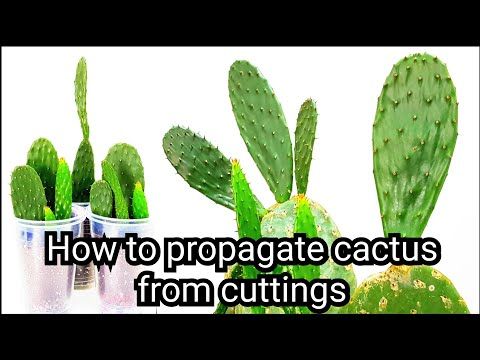
There’s something quietly revolutionary about growing a living organism from a mere fragment of itself. It’s as if the universe has whispered a secret into your hands: that life, in all its tenacious glory, can be coaxed from the most unassuming beginnings. This is the magic of propagating Opuntia—those spiny sentinels of the desert, whose paddle-shaped cladodes hold the potential to sprout an entire forest of their own. To grow Opuntia from cuttings is to participate in a silent dialogue with the earth, a conversation that begins with a snip and unfolds into a symphony of resilience and beauty. It’s not just gardening; it’s an act of alchemy, where patience and precision transmute a humble cutting into a thriving, sun-drenched monument to nature’s indomitable spirit.
The Art of Selection: Choosing Your Cuttings with Discernment
Not all cuttings are born equal, and the first step in this botanical odyssey is the art of selection. Seek out cladodes that are plump, firm, and free of blemishes—those that gleam with the verdant promise of vitality. Avoid any that bear the scars of pests or the dull pallor of dehydration. A healthy cutting should feel substantial in your hand, its weight a testament to its inner reserves of moisture and vigor. Think of it as choosing a protagonist for your green narrative: you want someone robust, someone who can weather the storms of transplant shock and emerge unscathed. The ideal cutting is typically a mature segment, at least a few inches long, with a slight taper at the base where it once met its parent plant. This tapered end, once severed, becomes the gateway through which roots will eventually emerge, hungry for the embrace of the soil.
The Ceremony of Severance: How to Make the Cut
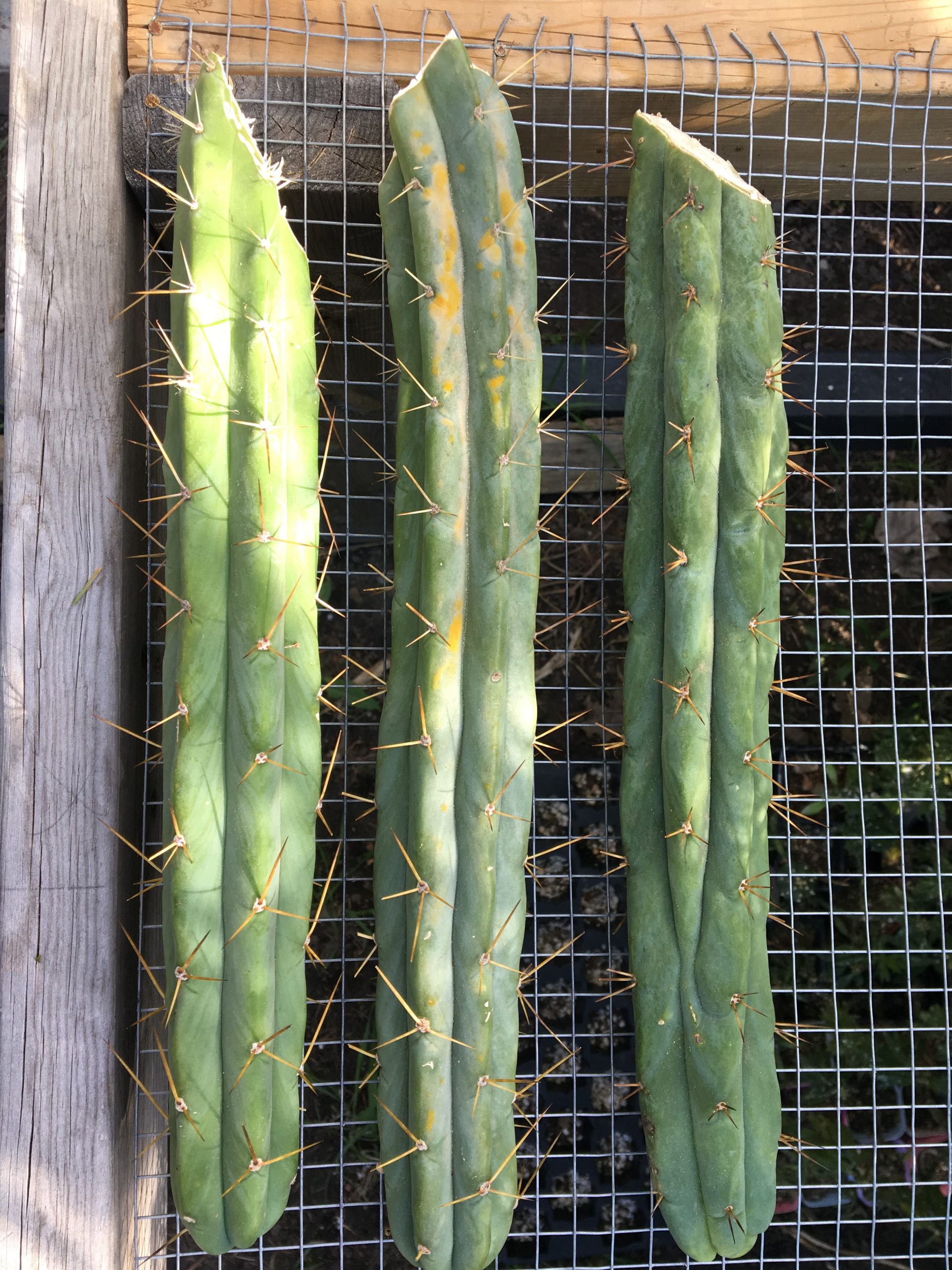
The moment of separation is sacred. Use a clean, sharp knife or pruning shears—sterilized with rubbing alcohol to ward off microbial trespassers. A jagged cut is an invitation to rot; a precise, angled slice is a declaration of intent. Position your tool at the narrowest point where the cladode meets its neighbor, and with a single, decisive motion, sever the connection. Let the cutting rest for a day or two, allowing the wound to callus over. This is not idle waiting; it’s a period of recovery, where the plant’s defenses harden like a knight donning armor. The callused end will resist rot and infection, a silent shield against the chaos of the soil. Resist the urge to rush this step. Patience here is the first act of nurturing, a promise that you will not rush the plant’s journey.
The Soil’s Embrace: Crafting the Perfect Cradle for Roots
Opuntia are desert dwellers, and their roots crave the same conditions that sustain them in the wild: well-draining, airy soil that mimics the gritty embrace of arid landscapes. A standard cactus or succulent mix will suffice, but for the truly devoted, create a bespoke blend. Combine coarse sand, perlite, and a smattering of compost to form a substrate that is neither too rich nor too barren. The goal is to replicate the loose, mineral-heavy soils of the Southwest, where water drains away as swiftly as it arrives. A shallow container is ideal—one that cradles the cutting without drowning it in excess moisture. Bury the callused end just deep enough to anchor it, leaving the upper half exposed to the air. This is the plant’s first home, a temporary sanctuary where it will learn to stand on its own.
The Dance of Light and Shadow: Finding the Ideal Spot
Light is the lifeblood of your cutting, but too much can scorch its tender tissues, while too little will leave it languishing in a vegetative stupor. Place your fledgling Opuntia in a location where it can bask in bright, indirect sunlight—a windowsill draped in sheer curtains, or a sheltered spot on a patio where the sun’s rays are filtered by the canopy of a nearby tree. If you’re growing indoors, a grow light on a timer can simulate the steady rhythm of the desert sun. Rotate the container regularly to ensure even exposure, preventing the cutting from leaning desperately toward the light like a sunflower tracking the sun. This is not just about growth; it’s about balance, about teaching the plant to thrive in harmony with its environment.
The Ritual of Water: When and How to Quench Its Thirst
Water is both a gift and a gamble. Opuntia are parched souls, evolved to endure drought, and their cuttings are no different. Water sparingly—just enough to moisten the soil without saturating it. A spray bottle is your ally here, misting the surface lightly rather than deluging it. The key is to keep the soil barely damp, a state known as “evenly moist” in the lexicon of plant whisperers. Overwatering is the silent killer, a slow suffocation that invites rot to claim your cutting before roots have a chance to form. Wait until the soil is dry to the touch before watering again. This may feel counterintuitive, but remember: you are not quenching a thirst; you are coaxing a root system into existence. Patience is your most potent tool.
The First Green Whispers: Signs of Root Development
After weeks of vigilance, you may notice subtle changes—a slight plumping of the cladode, a faint greenish tint at the base, or the emergence of tiny, hair-like roots probing the soil. These are the first tender tendrils of a new life, the plant’s way of saying, “I am ready.” Resist the urge to tug at the cutting to test for roots; such impatience can disrupt the delicate process. Instead, trust the signs. If the cladode remains firm and shows no signs of shriveling, it is likely rooting. Some growers swear by the “gentle tug” test—if the cutting resists when you give it the slightest upward pull, roots have taken hold. But even this should be done with the utmost care, lest you undo weeks of progress.
The Transplant Tango: Moving Your Opuntia to Its Forever Home
Once your cutting has established a robust root system—typically after two to three months—it’s time to transplant it into its permanent abode. Choose a container that is slightly larger than the root ball, ensuring there’s room for growth without drowning the plant in excess soil. A terra cotta pot is ideal, its porous walls allowing moisture to evaporate and preventing the dreaded root rot. Use the same well-draining soil mix, and plant the Opuntia at the same depth it was in its temporary home. Water lightly after transplanting, then resume your sparse watering schedule. This is a moment of celebration, the culmination of your efforts, but also a time of adjustment. The plant may show signs of stress—slight yellowing or wrinkling—as it acclimates to its new surroundings. Be patient. This, too, shall pass.
The Symphony of Care: Long-Term Nurturing of Your Opuntia
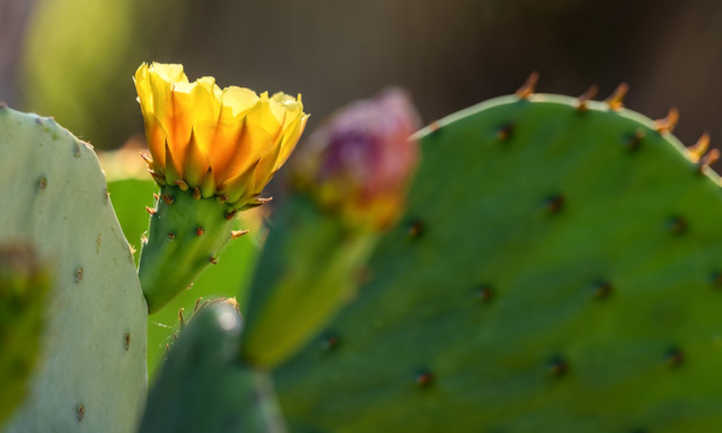
Growing Opuntia from cuttings is not a one-time act but a lifelong duet with nature. These plants thrive on neglect, but they reward attentiveness with breathtaking blooms and architectural grandeur. Place your Opuntia in a spot where it can soak up the sun’s golden rays for at least six hours a day. In winter, reduce watering to mimic the dormancy of its natural habitat. Fertilize sparingly, using a balanced, diluted cactus fertilizer during the growing season. Watch for pests—mealybugs and scale insects are opportunistic invaders—and remove them with a cotton swab dipped in rubbing alcohol. Prune as needed to maintain shape, but remember that each cut is a new opportunity for propagation. Your Opuntia is not just a plant; it’s a legacy, a living testament to the power of patience and the beauty of growth.
FAQ
What is the best way to propagate Opuntia?
The best way to propagate Opuntia is by taking healthy cuttings, allowing them to callus, and then planting them in well-draining soil.
How long does it take for Opuntia cuttings to root?
It typically takes two to three months for Opuntia cuttings to establish a robust root system.
FAQ
What is the best way to propagate Opuntia?
The best way to propagate Opuntia is by taking healthy cuttings of the cladodes and allowing them to callus before planting in well-draining soil.
How long does it take for Opuntia cuttings to root?
Opuntia cuttings typically take two to three months to develop a robust root system.
What type of soil is best for Opuntia cuttings?
A well-draining soil mix, often made from coarse sand, perlite, and a small amount of compost, is ideal for Opuntia cuttings.
FAQ
What type of soil is best for Opuntia cuttings?
Opuntia cuttings thrive in well-draining, airy soil, such as a cactus or succulent mix, ideally supplemented with coarse sand and perlite.
How long does it take for Opuntia cuttings to root?
Typically, Opuntia cuttings take two to three months to develop a robust root system.
Leave a Reply