

Short Answer
Have you ever gazed at the cosmos and wondered what it would be like to bring a piece of that celestial beauty into your home or garden? Meet Astrophytum, the “star cactus,” a succulent so mesmerizing it seems plucked from the night sky itself. With its geometric ribs and sunburst of flowers, this desert jewel thrives not just in arid landscapes but also in containers—indoors or out. But here’s the twist: growing Astrophytum in pots isn’t as simple as tossing soil and sunlight its way. These prickly celestial beings demand precision, patience, and a dash of horticultural finesse. So, how do you coax these starry wonders to flourish beyond their native habitats? Let’s embark on a journey to master the art of container-grown Astrophytum, where every pot becomes a portal to a miniature desert universe.
The Allure of Astrophytum: Why These Cacti Captivate Hearts
Astrophytum species—A. asterias, A. myriostigma, and A. capricorne, to name a few—are the divas of the cactus world. Their ribbed, globular forms mimic the symmetry of a star, while their diurnal blooms unfurl like solar flares in hues of yellow, red, or white. Native to the Chihuahuan Desert, these plants have evolved to survive in conditions that would make other succulents wilt: scorching days, frigid nights, and soil so poor it’s practically skeletal. Yet, their resilience is matched only by their elegance. When cultivated in containers, Astrophytum become living sculptures, their slow growth a testament to nature’s patience. But here’s the rub: their containerized existence requires a delicate balance of mimicry—replicating their native aridity without turning your living room into a sauna or your patio into a swamp.
Choosing the Perfect Pot: Size, Material, and Drainage
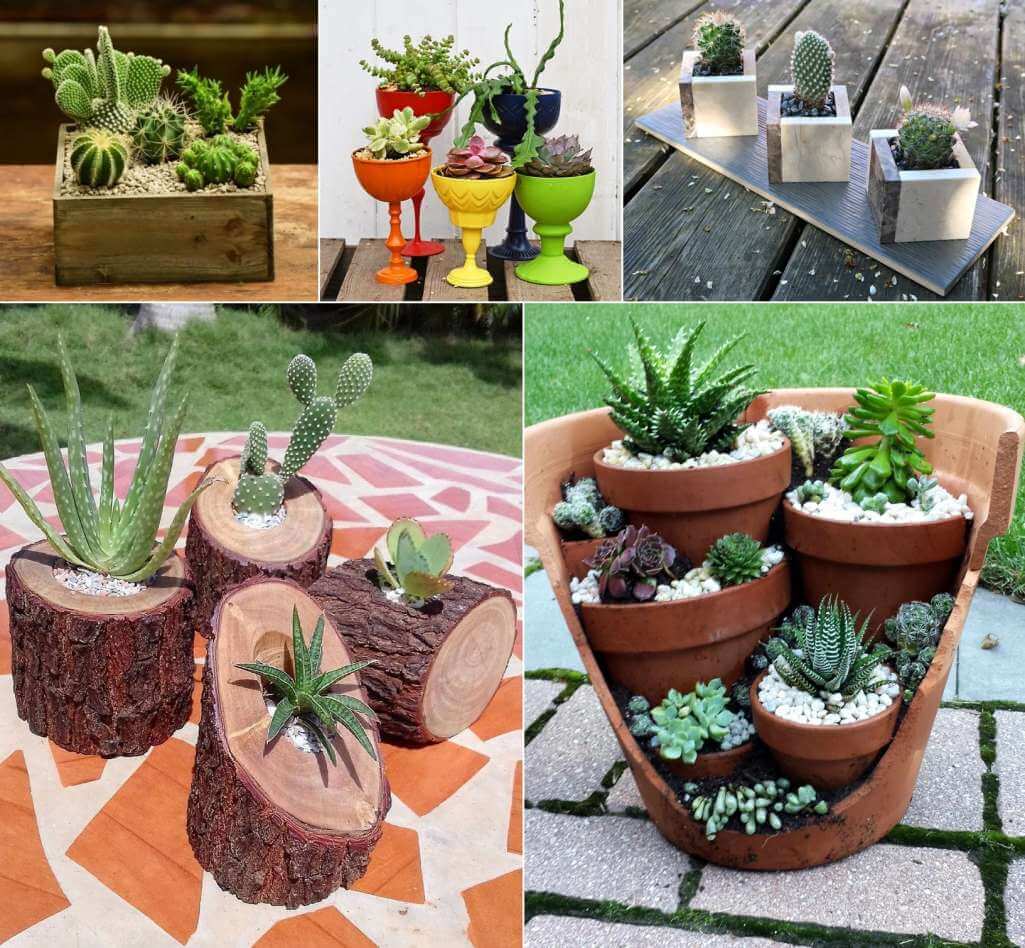
The vessel you select for your Astrophytum isn’t just a container; it’s a microclimate in the making. Size matters profoundly. These cacti despise excess space—roots left to wander in a cavernous pot will rot faster than a forgotten salad. Opt for a container that’s only slightly larger than the plant’s root ball, ensuring the soil dries out swiftly after watering. Unglazed terracotta is the gold standard: its porous nature wicks away moisture, preventing the dreaded root rot that plagues overzealous waterers. Plastic pots, while lightweight and affordable, trap humidity like a greenhouse, so they’re best reserved for arid climates or as temporary homes. And drainage? Non-negotiable. A pot without holes is a death sentence. If you’re smitten with a container that lacks drainage, drill holes yourself or line the bottom with a layer of coarse gravel to simulate the desert’s well-drained embrace.
Soil Alchemy: Crafting the Ideal Desert Substrate
Imagine the soil of a Chihuahuan arroyo: gritty, mineral-rich, and devoid of organic matter that holds moisture like a sponge. Your Astrophytum’s potting mix should mirror this inhospitable yet perfect environment. Start with a base of cactus or succulent soil—a commercial blend designed to mimic desert conditions—but don’t stop there. Amend it with coarse sand, perlite, or pumice to improve aeration and drainage. For the adventurous, add a handful of crushed granite or turface to mimic the rocky terrain these cacti call home. The goal? A substrate so porous that water rushes through it like a desert downpour, leaving the roots parched and happy. Avoid peat-heavy mixes at all costs; they retain moisture like a sponge, inviting fungal guests to the party.
Light: The Celestial Fuel for Your Star Cactus
Astrophytum are sun-worshippers, but not the kind that tolerate a lazy afternoon on the windowsill. Indoors, they crave the brightest light you can provide—south-facing windows are ideal, but supplement with a grow light if shadows creep in. Outdoors, they thrive in full sun, their ribs developing a sun-bleached patina that’s both a badge of honor and a sign of health. Yet, here’s the catch: too much direct sun can scorch their tender epidermis, leaving them looking like they’ve been kissed by a blowtorch. Acclimate your cactus gradually to outdoor conditions, and if you notice a reddish tint creeping across its surface, it’s time to dial back the intensity. Conversely, insufficient light leads to etiolation—elongated, stretched-out growth that’s as unappealing as it is unhealthy. Rotate your pot regularly to ensure even illumination, or watch your Astrophytum tilt toward the light like a sunflower chasing the sun.
Watering: The Delicate Dance of Dehydration and Rehydration
Watering an Astrophytum is less about hydration and more about restraint. These cacti are built for drought, their fleshy bodies storing water like camels in a sandstorm. The cardinal rule? When in doubt, don’t water. Indoors, water sparingly—only when the soil is bone-dry to the touch, typically every 3-4 weeks in active growth periods. Outdoors, rainfall may suffice, but if your region experiences prolonged dry spells, a light watering every 2-3 weeks will keep your cactus from shriveling into a raisin. The danger isn’t just overwatering; it’s the insidious rot that follows. A waterlogged Astrophytum is a doomed one, its roots turning to mush while its ribs remain stubbornly plump. To avoid this, water deeply but infrequently, ensuring the soil dries out completely between sessions. And always, always water at the base—never from above, where water can pool in the ribs and invite bacterial parties.
Temperature and Seasonal Shifts: Mimicking the Desert’s Whims
The desert doesn’t do “mild.” It swings from scorching days to freezing nights, and your Astrophytum expects nothing less. Indoors, maintain temperatures between 70-100°F (21-38°C) during the growing season, with a slight drop to 50-60°F (10-15°C) in winter to simulate dormancy. Outdoors, most Astrophytum can tolerate brief cold snaps down to 20°F (-7°C), but prolonged exposure to frost is a death knell. If you live in a climate with harsh winters, consider overwintering your cactus indoors or providing frost protection. Seasonal shifts also trigger flowering—Astrophytum often bloom in spring or summer, their flowers unfurling like fireworks after a period of cool rest. Deny them this chill, and you may find yourself cactus-less come bloom time.
Fertilizing: The Sparing Feast for a Starving Cactus
Astrophytum aren’t gluttons. In their natural habitat, nutrients are scarce, and they’ve adapted to thrive on meager rations. Over-fertilizing is a fast track to a puffy, etiolated cactus that’s more “marshmallow” than “star.” Use a balanced, water-soluble fertilizer diluted to half-strength, applied only during the growing season—spring through early fall. Skip fertilizing entirely in winter, when the cactus is dormant. And for the love of all things desert, avoid high-nitrogen fertilizers; they promote soft, vulnerable growth that’s prone to pests and rot. Think of fertilizing as a light seasoning rather than a hearty meal—just enough to keep your Astrophytum’s growth steady without overwhelming its frugal nature.
Pests and Problems: The Unwelcome Guests of Container Life
Even the hardiest Astrophytum can fall prey to pests, and in the confined space of a pot, problems escalate quickly. Mealybugs, those cottony interlopers, love to nestle in the ribs, while spider mites spin their webs with impunity. Scale insects, too, can hitch a ride on your cactus, sapping its vitality like tiny vampires. Prevention is key: inspect your plant regularly, especially when bringing it indoors after a summer outdoors. If pests appear, isolate the affected cactus and treat it with neem oil or insecticidal soap, repeating the application until the invaders are gone. Rot, too, is a silent killer—if you notice a mushy, discolored base, it’s time for an emergency soil change and a root inspection. And let’s not forget the dreaded etiolation, a symptom of insufficient light that leaves your cactus stretching toward the heavens like a desperate sunflower. Address these issues promptly, or risk losing your starry sentinel.
Repotting: The Art of Transplanting Without Trauma
Astrophytum grow slowly, but they do grow—and when their roots outgrow their container, it’s time to upgrade. Repotting is a delicate operation, akin to performing surgery on a prickly patient. Choose a pot only slightly larger than the current one, and handle the cactus with care, using tongs or rolled-up newspaper to avoid the spines. Gently remove the plant, shake off old soil, and inspect the roots for rot or pests. Trim any damaged roots with sterilized scissors, then replant in fresh, dry soil. Wait a week before watering to allow any minor root injuries to heal. Repotting is best done in early spring, when the cactus is entering its active growth phase. And remember: these plants prefer to be slightly root-bound, so don’t rush to upsize their home unless absolutely necessary.
Final Thoughts: Your Astrophytum, a Living Constellation
Growing Astrophytum in containers is a study in contrasts—balancing aridity with hydration, sunlight with shade, growth with restraint. It’s a hobby for those who appreciate the slow, deliberate pace of desert life, where every watering can feel like a sacred ritual and every bloom a cosmic miracle. Whether nestled on a sunny windowsill or gracing a patio with its starry presence, your Astrophytum will reward your care with resilience and beauty. So, go ahead—create your own miniature desert universe. Just remember: these celestial beings demand precision, but the joy of coaxing a star to thrive in a pot? That’s a reward worth every drop of effort.
FAQ
Can Astrophytum cacti be grown indoors in containers?
Yes, Astrophytum cacti thrive indoors when provided with bright light, well-draining soil, and careful watering.
What type of soil is best for container-grown Astrophytum?
A well-draining, gritty cactus or succulent mix amended with coarse sand, perlite, or pumice is ideal to mimic desert conditions.
How often should I water my Astrophytum cactus in a pot?
Water sparingly only when the soil is completely dry, typically every 3-4 weeks indoors during growth periods and less frequently in winter.
What pests commonly affect Astrophytum in containers?
Common pests include mealybugs, spider mites, and scale insects, which require prompt treatment with neem oil or insecticidal soap.
Can Astrophytum tolerate cold temperatures outdoors?
They can survive brief cold snaps down to about 20°F (-7°C) but require protection from prolonged frost.


Leave a Reply