

Short Answer
Have you ever wondered if the typically grounded and robust Echinopsis cactus could add a dash of whimsy while dangling effortlessly above your living space? The prospect of incorporating these sculptural beauties into hanging baskets might initially evoke a raised eyebrow—how does one marry their terrestrial nature with the airy grace of suspended planters? Yet, this very challenge invites a delightful exploration into creative displays that not only flaunt the Echinopsis’ iconic globular form and flamboyant blooms but also elevate your décor with an unexpected botanical twist.
Understanding Echinopsis: More Than Just a Desert Dweller
The genus Echinopsis is renowned for its dramatic, globe-shaped bodies and exquisitely large, trumpet-like flowers that seem almost otherworldly. Native to South America’s arid regions, these cacti are tough survivors, accustomed to harsh sunlight and minimal water. This hardiness is a double-edged sword when considering hanging displays—their penchant for bright light and well-draining soil can pose difficulties in less-than-ideal indoor environments. However, their resilience also means they can thrive impressively well in creative, unconventional settings, including suspended baskets that bathe them in light and air.

Choosing the Right Hanging Basket: A Crucial Consideration
Not all hanging baskets are created equal when it comes to hosting an Echinopsis. Their preference for fast-draining substrate demands baskets that offer excellent aeration. Wicker or wire baskets lined with coconut coir or sphagnum moss are excellent choices, enabling moisture control while providing sturdy support. Of course, the basket’s size matters—too large and it may retain moisture longer than ideal, risking root rot. Too small, and it can suffocate the roots. A basket roughly 8 to 10 inches in diameter strikes the perfect balance, giving roots enough room to expand yet ensuring the soil dries rapidly.
Strategic Placement: Finding the Sweet Spot of Sunlight
The Echinopsis craves bright, indirect sunlight—think dappled rays filtering through a curtain or a south-facing window with partial shading during peak hours. Hanging baskets provide a unique opportunity to position these cacti precisely where light conditions meet their needs. Outdoors, hanging them under eaves or pergolas can replicate natural filtered light, protecting them from scorching sun while still delivering essential luminosity. Indoors, suspending baskets near large windows or from ceiling hooks in sunrooms stimulates flowering and vitality.
Watering and Maintenance: Balancing Care in Mid-Air
One of the trickiest aspects of hanging Echinopsis is mastering the watering regimen. Unlike grounded pots, hanging baskets dry out faster due to increased air circulation. While this means less risk of overwatering, it can also tempt owners to water too frequently. Patience is key—allow the soil to dry thoroughly between watering sessions. Using a moisture meter or the tried-and-true finger test prevents soggy substrates that could harm this desert native. Fertilizing sparingly with a low-nitrogen, cactus-specific fertilizer during the growing season encourages healthy blooms without overstimulating growth.
Design Flair: Combining Echinopsis with Complementary Plants
What if the solitary cactus isn’t enough to satiate your creative appetite? Combining Echinopsis with trailing succulents or soft-textured plants in the same basket evokes a compelling visual juxtaposition. Think of flowing String of Pearls, delicate Senecio, or even airy Spanish moss cascading alongside the Echinopsis’ spiny majesty. This ensemble creates a mini ecosystem, where textures play, and contrasts ignite interest. Colorful moss linings, decorative stones atop the soil, or whimsical accents like tiny figurines add a layer of personality, transforming the hanging basket into a captivating conversation piece.
Overcoming Challenges: Wind, Weight, and Longevity
Hanging planters are prone to encounters with the elements: wind can sway baskets unpredictably, potentially damaging fragile blooms or even dislodging the entire display. Ensuring the basket is securely anchored with sturdy chains or ropes is crucial. Weight balance also matters—Echinopsis cacti paired with heavier accents can create instability if not arranged thoughtfully. Moreover, consider the longevity of your display. Periodic inspection of soil condition, root health, and basket integrity keeps the arrangement vibrant season after season. Repotting may be necessary every two to three years to refresh soil and allow growth.
Seasonal Considerations: Preparing for Dormancy and Bloom Cycles
Understanding the natural rhythms of your Echinopsis ensures a thriving hanging garden. These cacti typically enter dormancy in winter, reducing watering to a minimal trickle to mimic desert winters. Hanging baskets should be relocated indoors or to more sheltered areas in colder climates to avoid frost damage. Conversely, the bloom season—often spring to early summer—demands a slight uptick in water and nutrients. Timing the positioning and care routine with these cycles maximizes the impressive floral displays that make Echinopsis so beloved.
DIY Inspiration: Crafting Your Own Echinopsis Hanging Basket Ensemble
For the hands-on enthusiast, assembling a hanging basket display is a gratifying endeavor. Start by selecting a basket with optimal drainage, then fill it with a gritty, cactus-specific soil mix. Position your Echinopsis centrally for visual impact, then weave in complementary trailing plants around it. Secure everything firmly and find a bright location with stable conditions. Experimentation is part of the charm—try hanging at different heights, cluster multiple baskets for a bohemian flair, or pair with decorative lighting to spotlight your living sculptures at night.
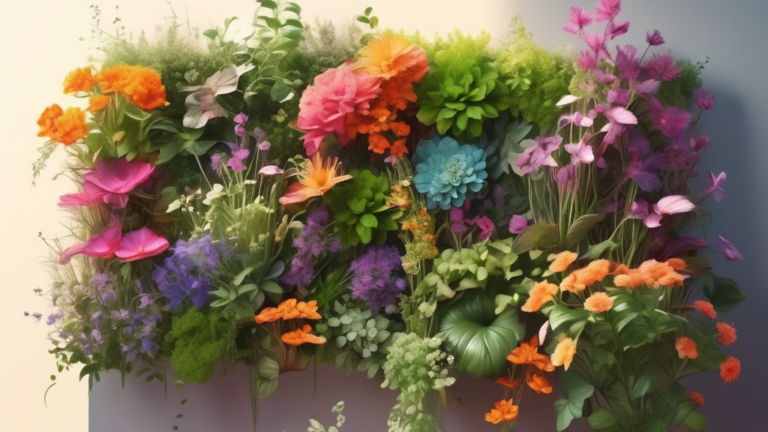
The allure of hanging Echinopsis baskets is in their defiance of convention—these robust desert dwellers gracefully suspended, their blooms unfurling like celestial fireworks amid flowing foliage. With thoughtful care and a spark of creativity, they can enchant any space, turning walls and ceilings into living galleries that celebrate both resilience and beauty.
FAQ
Is it difficult to grow Echinopsis in hanging baskets?
While challenging due to their terrestrial nature, with proper basket choice, lighting, and watering, Echinopsis can thrive in hanging baskets.
How do I prevent root rot in hanging Echinopsis?
Use baskets with excellent drainage and allow soil to dry completely between watering sessions.
Can Echinopsis be combined with other plants in the same basket?
Yes, combining with trailing succulents or soft-textured plants creates a visually interesting display.
Leave a Reply