
Short Answer
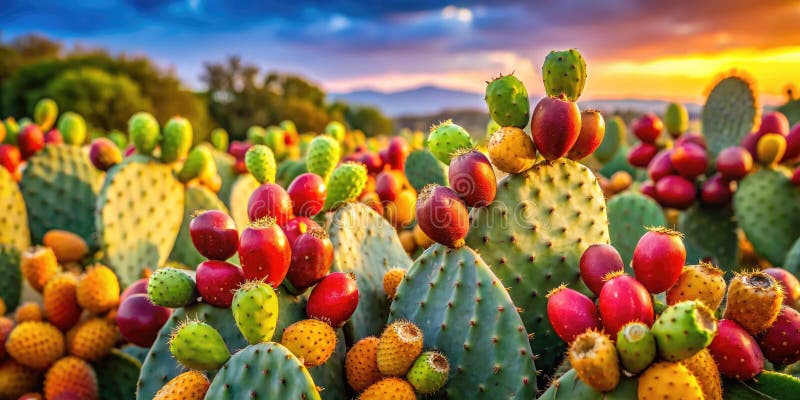
Opuntia, commonly known as prickly pear cactus, presents a remarkable fusion of vibrant flavor and nutritional bounty, waiting to enrich your culinary adventures. From its fleshy pads to its juicy fruits, this desert delight offers a unique ingredient that invites exploration and creativity in the kitchen. Harvesting and cooking Opuntia pads may seem daunting at first, but with a thoughtful approach, you can transform these succulent paddles into delicious dishes that celebrate nature’s resilience and taste.
Identifying and Selecting Opuntia Pads for Harvest
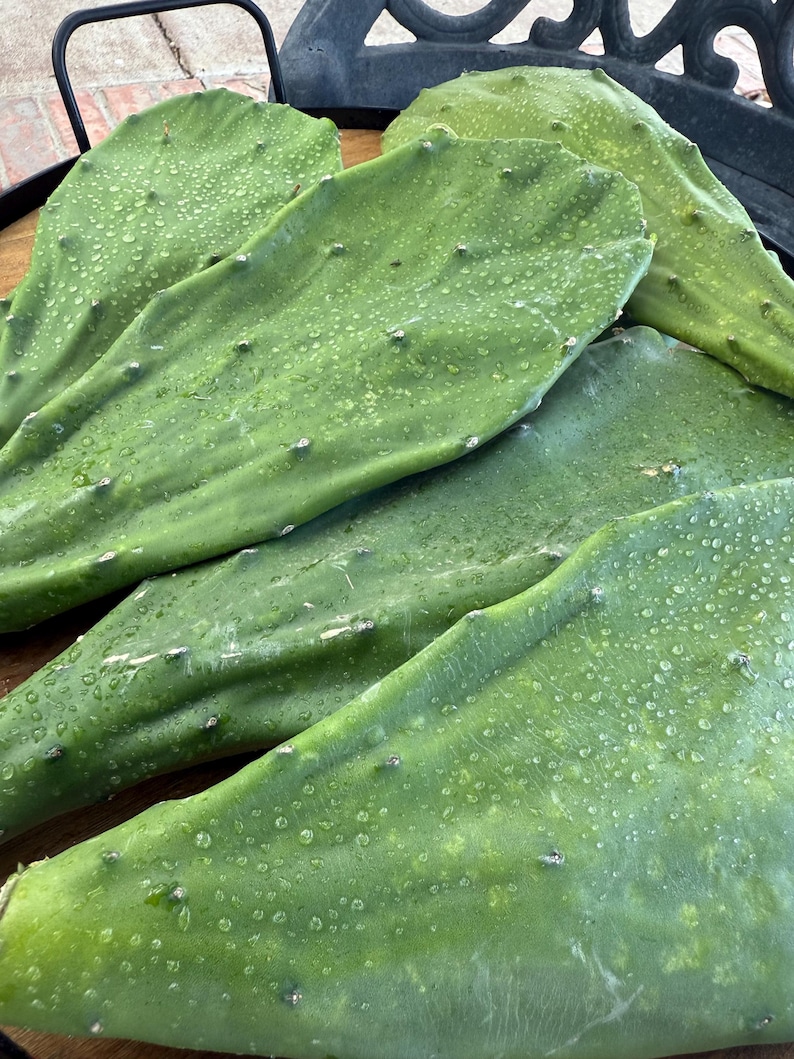
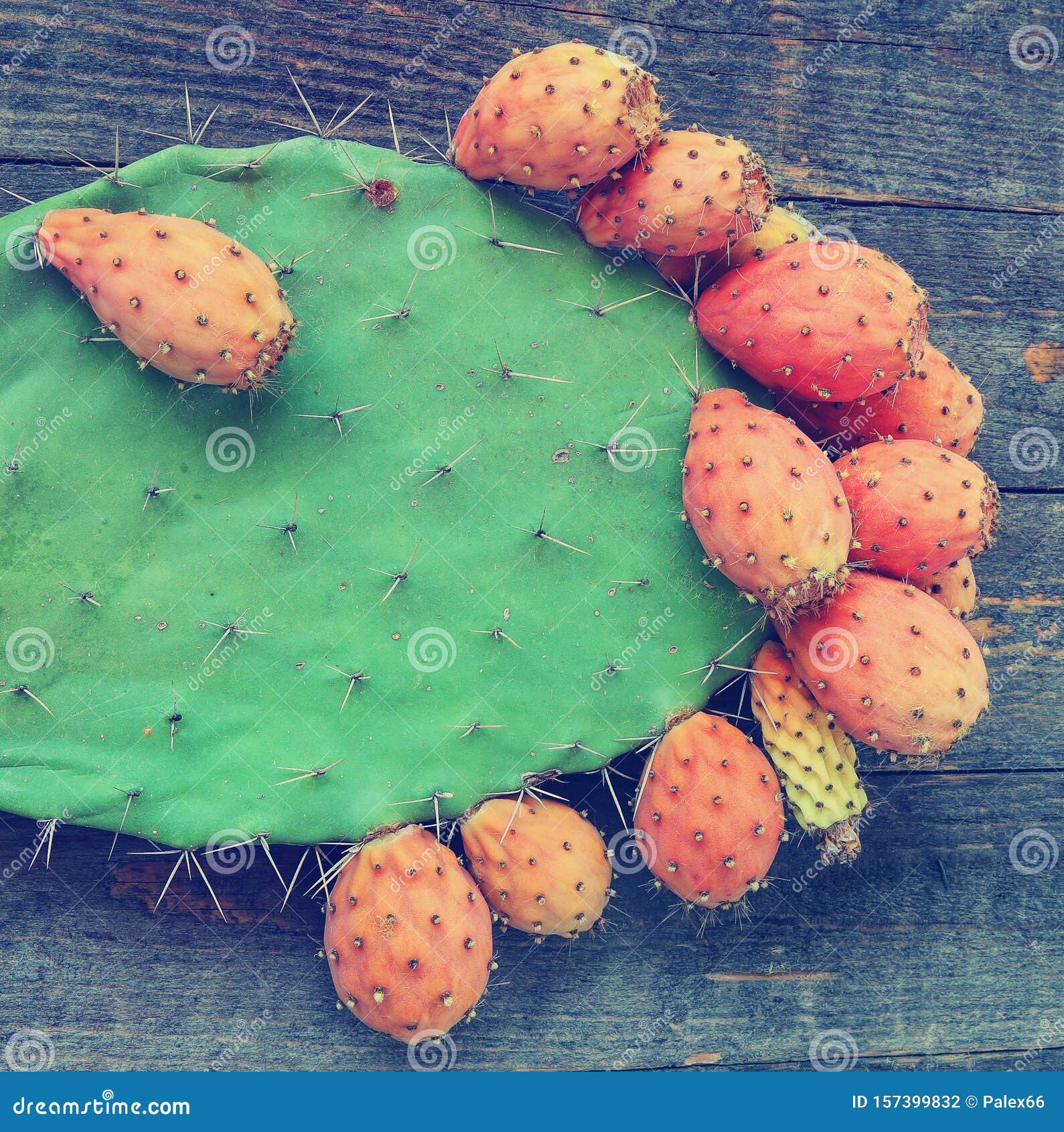
The journey of cooking Opuntia pads begins with discerning the ideal specimens to harvest. Opuntia pads, also known as nopales, vary in size, shape, and texture depending on the species and growing conditions. Aim for young, tender pads measuring around 4 to 6 inches in length. These juvenile pads are prized for their crisp texture and mild, slightly tart flavor. Older pads tend to become fibrous and less palatable.
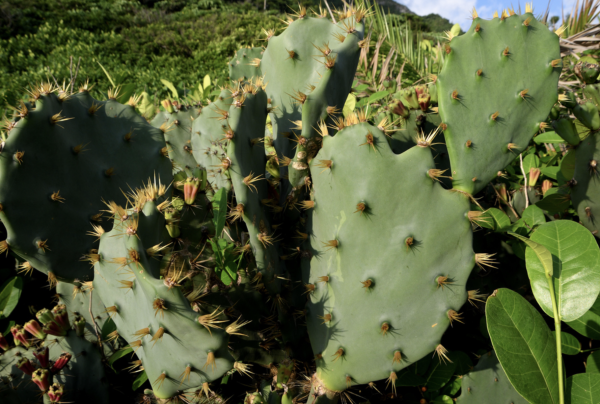
Look for vibrant green pads that are firm to the touch and devoid of blemishes or discoloration. Avoid pads that have begun to yellow or show signs of shriveling, as their quality diminishes rapidly. Keep an eye out for thick clusters of glochids—tiny, hairlike spines which may not be visible from afar but can cause discomfort if not properly removed.
Proper Harvesting Techniques for Safe and Bountiful Nopales
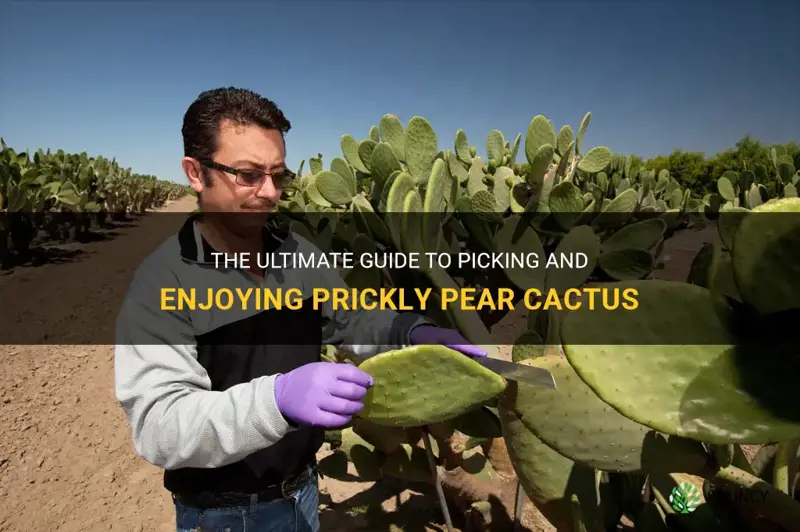
Harvesting Opuntia pads requires precision and caution to prevent injury from the formidable glochids. Equip yourself with thick gloves and a long-handled knife or garden pruners. Approach the cactus during cooler parts of the day, ideally in the morning when the pads are firmest.
Cut the pad cleanly at the joint where it connects to the mother pad, taking care not to damage the plant’s base, promoting regeneration. Only harvest what you need to allow the cactus to thrive sustainably. Immediately place freshly cut pads in a basket or container to avoid bruising. Avoid piling pads too tightly, which can bruise them and accelerate spoilage.
De-spining and Cleaning Nopales: Preparing for Culinary Success
Before cooking, the essential step is to meticulously remove the glochids. These minuscule spines are invisible to the naked eye but notoriously irritating to the skin and digestive tract. Begin by rinsing the pads under cold, running water to loosen some spines.
Use a sharp knife or a vegetable scraper to gently scrape both sides of the pad to remove all spines and the thicker outer edges. Some cooks prefer using a flame, briefly passing the pads over a gas burner to singe off the glochids—an effective but slightly riskier method. Afterward, thoroughly wash the pads again to remove any remaining debris.

Traditional and Contemporary Cooking Methods for Opuntia Pads
Once cleaned, nopales are incredibly versatile in the kitchen. They possess a slightly tart, grassy flavor and a texture reminiscent of green beans or okra, with a mild mucilaginous quality that thickens dishes beautifully.
Sautéing is among the most popular methods. Slice the pads into thin strips or dice them and sauté with olive oil, garlic, and onions. The pads release a subtle gelatinous quality that adds luxurious body to the dish. Season with salt, pepper, and fresh herbs such as cilantro or oregano for a bright, herbaceous finish.
Boiling or blanching the pads in salted water for 15 to 20 minutes reduces their sliminess and softens their texture. After boiling, they can be chilled and tossed into salads or blended into creamy dips. Alternatively, grilling the pads imparts a smoky flavor and delightful char, perfect for rustic tacos or as a side.
Culinary Inspirations: Recipes Highlighting Opuntia Pads
Incorporate nopales into classic Mexican preparations like nopalitos salad, where diced pads are combined with tomatoes, onions, jalapeños, and lime juice for a refreshing side. For a heartier dish, mix sautéed nopales with scrambled eggs and chorizo, creating a savory breakfast staple bursting with flavor.
Diversify your menu with nopales stews, blending them with robust ingredients such as beef, chilies, and hominy, enhancing the dish with their unique texture and tang. For an adventurous palate, try fermenting the pads to develop complex, tangy notes, much like sauerkraut—an innovative twist worth exploring.
Nutritional and Medicinal Benefits of Opuntia Pads
Beyond their culinary appeal, nopales are nutritional powerhouses brimming with dietary fiber, vitamins A, C, and K, as well as antioxidants. Their natural mucilage is known to aid digestion and stabilize blood sugar levels, making them favorable for those seeking holistic health benefits.
Including nopales in your diet can contribute to cardiovascular health by lowering cholesterol and combating inflammation. Their low-calorie content also makes them an excellent addition to weight management plans, imbuing meals with volume and taste but minimal extra calories.
Storage Tips to Maintain Freshness and Flavor
Fresh nopales keep best when refrigerated. Place cleaned and de-spined pads in an airtight container or zip-top bag with a damp paper towel to maintain moisture without encouraging rot. Use them within five to seven days for optimal freshness and flavor.
For longer storage, blanch the pads briefly, cool them in an ice bath, and freeze in single-use portions. This preserves their texture and flavor, allowing you to enjoy their distinctiveness year-round.
Environmental and Ethical Considerations in Harvesting Opuntia
The Opuntia cactus is native to arid and semi-arid regions, thriving as a drought-resistant plant that helps prevent soil erosion and provides habitat for local wildlife. Ethical harvesting practices ensure that wild populations remain sustainable and the natural ecosystem is respected.
Favoring cultivated Opuntia pads over wild-harvested ones is an environmentally conscious choice that supports conservation. Connecting with local growers or farmers markets encourages sustainable agriculture and community development.
Embracing the art of harvesting and cooking Opuntia pads opens a gateway to a world where tradition, health, and flavor converge. This resilient plant, cultivated with care and prepared with passion, enriches the culinary tapestry with its distinctive character and versatility. So, embark on this flavorful adventure and let nopales inspire your next meal masterpiece.
FAQ
What are Opuntia pads?
Opuntia pads, also called nopales, are the flat, fleshy pads of the prickly pear cactus, used in cooking for their unique texture and flavor.
How do you safely harvest Opuntia pads?
Wear thick gloves and use a long-handled knife or garden pruners to cut young, tender pads at the joint, avoiding injury from tiny spines called glochids.
How should Opuntia pads be cleaned before cooking?
Rinse pads under cold water and scrape both sides with a sharp knife or vegetable scraper to remove spines and edges; optionally singe with a flame for extra safety.
What are common cooking methods for nopales?
Nopales can be sautéed, boiled, grilled, or added to salads and stews, offering a slightly tart flavor and mucilaginous texture.
What are the nutritional benefits of eating Opuntia pads?
Nopales are rich in dietary fiber, vitamins A, C, and K, antioxidants, and mucilage that aids digestion and helps stabilize blood sugar levels.

Leave a Reply