
Short Answer
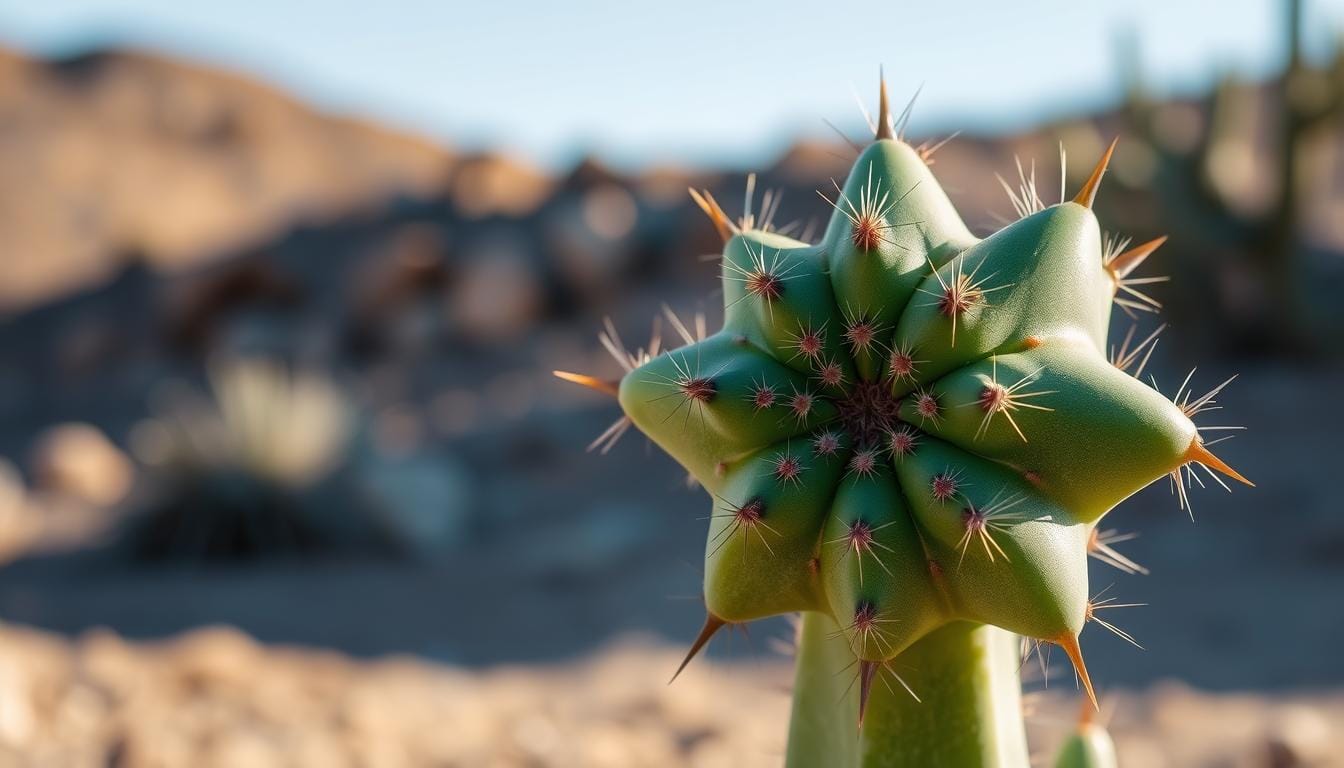
There’s something almost mystical about an Astrophytum in full bloom—a living paradox of sharp geometry and delicate radiance. These cacti, with their star-shaped forms and sunburst flowers, seem to defy the harshness of their native deserts. Yet, when they refuse to flower, it’s not just a horticultural disappointment; it’s a quiet rebellion against the gardener’s expectations. If your Astrophytum has been stubbornly bare, refusing to unfurl its golden petals, you’re not alone. The reasons run deeper than mere neglect, rooted in the cactus’s ancient rhythms and the delicate balance of its needs. Let’s unravel the secrets to coaxing these celestial blooms from your star cactus, transforming your collection into a constellation of color.
The Crucible of Light: Mastering the Photoperiod Puzzle
Astrophytums are children of the sun’s harsh gaze, and their flowering hinges on a precise dialogue with daylight. These cacti are photoperiodic, meaning their blooming cycle is triggered by the lengthening and shortening of days—a celestial metronome that orchestrates their growth. In their native habitats, they experience a dramatic shift between the blistering summers and the cooler, shorter days of winter. To mimic this, you must subject your Astrophytum to a period of dormancy in late autumn and early winter, reducing water and ensuring it receives at least 12 hours of darkness nightly. This isn’t just about withholding moisture; it’s about simulating the desert’s seasonal austerity. Without this restorative pause, the cactus remains trapped in a vegetative limbo, too busy surviving to consider flowering. Think of it as a hibernation for the soul—necessary, if not always welcome.
The Alchemy of Soil: Crafting a Mineral-Rich Foundation
Astrophytums are purists, thriving in soils that echo the mineral wealth of their rocky homelands. A standard cactus mix, while convenient, often lacks the gritty texture and nutrient balance these stars demand. To encourage flowering, your soil must be a blend of inorganic matter—pumice, perlite, and coarse sand—interlaced with just enough organic material to prevent compaction. The key is drainage; waterlogged roots are a death sentence, but equally perilous is a soil that’s too lean, starving the plant of the trace elements it needs to produce buds. Consider amending your mix with a handful of crushed granite or basalt dust, not just for texture, but to introduce silica and other micronutrients that fortify the plant’s cellular structure. A well-drained, mineral-rich medium doesn’t just support growth—it whispers to the cactus that the time for transformation has arrived.
The Hydration Paradox: Water as a Catalyst, Not a Crutch
Water is both the elixir and the enemy of the Astrophytum. Too little, and the plant withers into dormancy; too much, and it rots into oblivion. The trick lies in understanding the cactus’s seasonal thirst. During the active growing season—spring through early summer—water deeply but infrequently, allowing the soil to dry completely between sessions. This mimics the sporadic downpours of the desert, where survival depends on making every drop count. As temperatures rise, reduce watering to a bare minimum, and by mid-summer, suspend it entirely if your climate is humid. The goal isn’t to deprive the plant but to teach it patience. When autumn arrives, reintroduce water sparingly, signaling that the time for renewal is near. This cyclical hydration isn’t just about survival; it’s a language of scarcity and abundance that the Astrophytum interprets as a call to flower.
The Temperature Tango: Chilling and Warming for Floral Fireworks
Astrophytums are thermoregulators, their flowering dictated by the ebb and flow of temperature. In their natural range, they endure scorching days and chilly nights, a thermal seesaw that triggers hormonal shifts. To replicate this, expose your cactus to a period of cool nights—ideally between 50°F and 60°F (10°C to 15°C)—for at least six weeks in winter. This isn’t just about cold; it’s about the contrast between day and night temperatures, which can vary by 20°F (11°C) or more. As spring arrives, gradually reintroduce warmth, but avoid the trap of sudden heat spikes, which can shock the plant into stasis. The transition from cold to warm should be as gentle as a desert dawn, slow and inevitable. This thermal dance isn’t arbitrary; it’s a signal that the cactus has weathered the harshest season and is now ready to bloom.
The Nutrient Narrative: Feeding the Star’s Ambition
Even the most well-tended Astrophytum can falter if its diet is imbalanced. These cacti are not heavy feeders, but they do require a carefully curated menu of nutrients to transition from vegetative growth to floral production. During the growing season, a diluted, low-nitrogen fertilizer—think 5-10-10 or 2-7-7—applied every four to six weeks will suffice. The emphasis on phosphorus and potassium isn’t incidental; these elements are the building blocks of flower formation. Avoid high-nitrogen feeds, which encourage lush, spineless growth at the expense of blooms. Instead, think of fertilization as a form of culinary precision, where every drop of feed is a spice that enhances the cactus’s natural flavors. The right nutrients don’t just feed the plant; they coax it into revealing its hidden potential.
The Patience Imperative: Embracing the Slow Bloom
Astrophytums are not plants for the impatient. A specimen may take years to mature, and even then, it may refuse to flower until it’s fully convinced of its own strength. This isn’t a flaw; it’s a survival strategy. In the wild, a cactus that flowers too early risks exhausting its resources, leaving it vulnerable to drought or predation. Domesticated Astrophytums retain this caution, their flowering a testament to their resilience. If your cactus is still young or recently repotted, it may need time to establish itself before it considers blooming. Resist the urge to force the issue with synthetic hormones or excessive care. Instead, provide consistent conditions and let the cactus dictate the timeline. The first bloom is always a revelation, a quiet celebration of the gardener’s perseverance and the plant’s quiet determination.
The Psychological Dimension: Cultivating a Relationship with Your Cactus
Gardening is, at its core, a dialogue between human and plant. With Astrophytums, this dialogue is especially intimate, requiring a blend of observation, intuition, and respect. These cacti are not mere decorations; they are living sculptures, each with its own personality and pace. Talk to your Astrophytum. Observe its spines, its color shifts, the way it tilts toward the light. Notice when it swells with stored water or contracts in anticipation of dormancy. This isn’t anthropomorphism; it’s horticultural empathy. A cactus that feels “seen” is more likely to respond with the gift of flowers. The act of coaxing a bloom isn’t just about manipulating variables; it’s about building a relationship. And when that first golden flower unfurls, it’s not just a plant that’s bloomed—it’s a partnership that’s come to fruition.
FAQ
What conditions are necessary for Astrophytum to flower?
Astrophytum requires specific light, soil, watering, and temperature conditions to encourage flowering.
How often should I water my Astrophytum?
Water deeply but infrequently during the active growing season, allowing the soil to dry completely between sessions.
What type of soil is best for Astrophytum?
A mineral-rich soil mix with good drainage, including pumice, perlite, and coarse sand, is ideal.


Leave a Reply