
Short Answer
Imagine a world where the desert blooms not with fleeting mirages, but with the resilient, geometric splendor of Astrophytum—a genus of cacti that defies aridity with a quiet, almost defiant grace. These living sculptures, with their ribbed bodies and sunburst flowers, are not just survivors; they are storytellers of patience, precision, and the unyielding spirit of adaptation. Yet, their journey from seed to spectacle is a tale often shrouded in mystery, whispered among enthusiasts like a sacred incantation. What if I told you that mastering the art of Astrophytum seed germination could unlock a new dimension of horticultural alchemy? Buckle up, because we’re about to shatter the conventional wisdom and dive into the lush, unexpected world of these desert jewels.
The Alchemy of Patience: Why Astrophytum Seeds Demand a Ritualistic Approach
Astrophytum seeds are not your average botanical fare. They are the phoenixes of the plant kingdom—requiring conditions so specific that they border on the arcane. Unlike the robust, forgiving seeds of tomatoes or beans, Astrophytum seeds demand a ritual of preparation. The first step? Understanding their native habitat. These cacti hail from the arid expanses of Mexico and the southwestern United States, where the soil is mineral-rich, the air is parched, and the sun is a relentless sculptor. To replicate this, you must embrace a germination medium that mimics their ancestral home: a blend of coarse sand, perlite, and a whisper of organic matter. Think of it as crafting a miniature desert ecosystem, where every grain of sand is a testament to the resilience you’re about to cultivate.
The soil must be sterile, too. No shortcuts. No half-measures. A single rogue fungus or bacterium can spell doom for these delicate embryos. Sterilize your mix with boiling water or a brief stint in the oven—yes, like baking a cake, but with far higher stakes. And then, the waiting begins. Astrophytum seeds are not sprinters; they are marathon runners. Germination can take weeks, even months. But here’s the twist: the longer you wait, the more rewarding the payoff. Each day is a slow dance with destiny, where the first tentative root is a victory worth savoring.
Light: The Silent Puppeteer of Germination
Conventional wisdom says seeds need darkness to sprout. For Astrophytum, that wisdom is a lie. These seeds are photoblastic—meaning light is not just helpful; it’s essential. But not just any light. We’re talking about the soft, diffused glow of a grow light or the filtered rays of a south-facing window. Direct sunlight? A death sentence. The seeds are so sensitive that even a few hours of harsh rays can scorch their tender beginnings. Place them under a grow light for 12-14 hours a day, keeping the light source a few inches above the soil. The goal is to mimic the dappled shade of a desert shrub, where the sun is a gentle caress, not a scorching embrace.
And here’s where things get interesting. The color of the light matters. Blue wavelengths encourage vegetative growth, while red wavelengths nudge the seeds toward germination. A full-spectrum LED grow light is your best ally here, offering a balanced spectrum that whispers to the seeds in a language they understand. But don’t just set it and forget it. Monitor the seedlings like a hawk. Too much light, and they’ll etiolate—stretching unnaturally in search of relief. Too little, and they’ll languish, their potential stifled before it even begins.
Temperature: The Goldilocks Zone of Germination
Astrophytum seeds are Goldilocks incarnate. Not too hot, not too cold—just right. The ideal temperature range hovers between 70°F and 80°F (21°C to 27°C). Below 60°F (15°C), and the seeds enter a state of suspended animation, their metabolic engines sputtering to a halt. Above 90°F (32°C), and you risk cooking them alive. The challenge? Maintaining this delicate balance. A seedling heat mat can be a lifesaver, especially in cooler climates. But beware—these cacti are not fans of sudden temperature swings. Gradual changes are key. If you’re germinating in a greenhouse or terrarium, ensure the environment is stable. Fluctuations are the enemy of progress, and Astrophytum seeds are no exception.
Here’s a pro tip: place a thermometer near the seeds to monitor the temperature in real-time. If you’re using a heat mat, pair it with a thermostat to prevent overheating. And remember, the soil temperature is what matters most, not the air temperature. A cool room with warm soil can still yield success, while a warm room with cold soil is a recipe for failure. It’s all about precision.
The Water Paradox: Less Is More, But Not Too Little
Water is life, but for Astrophytum seeds, it’s a double-edged sword. Too much, and they rot. Too little, and they wither. The key is to strike a balance—what we’ll call the “desert dew” approach. The soil should be moist, not soggy. Think of the morning dew clinging to a spiderweb in the desert—present, but never overwhelming. Use a spray bottle to mist the soil lightly, ensuring it’s evenly damp but never waterlogged. Cover the container with a clear lid or plastic wrap to trap humidity, but remove it for a few hours each day to prevent mold. This creates a microclimate where the seeds can thrive without drowning in their own potential.
As the seeds germinate, reduce the moisture gradually. Once the seedlings emerge, switch to a bottom-watering method—placing the container in a shallow tray of water for a few minutes, then removing it. This encourages the roots to grow downward in search of moisture, a habit that will serve them well as they mature. And here’s a little-known secret: Astrophytum seeds are sensitive to the pH of the water. Aim for a slightly acidic to neutral pH (6.0 to 7.0). If your tap water is alkaline, consider using distilled or rainwater instead.
Transplanting: The Leap of Faith
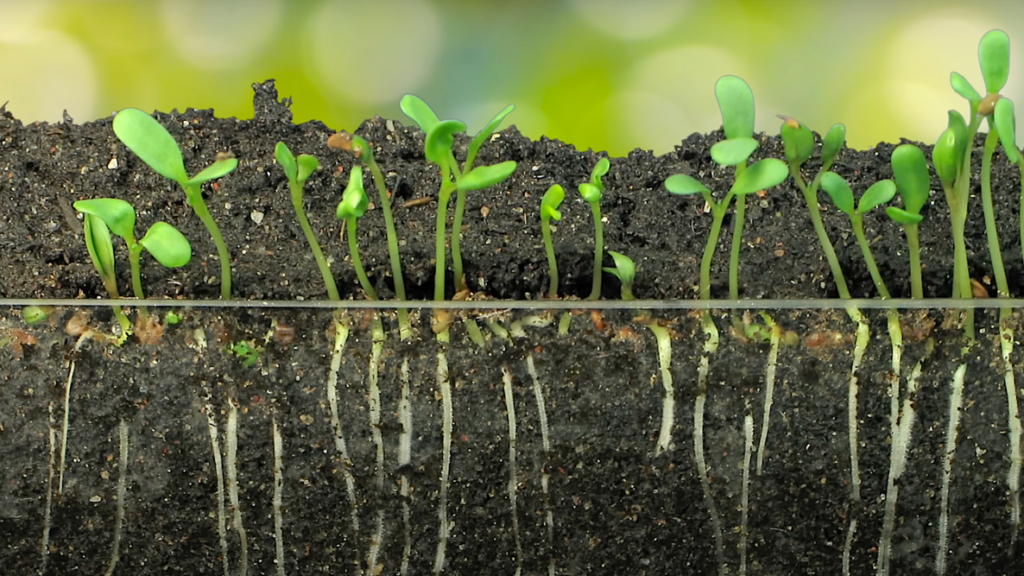
After weeks or even months of tender care, your Astrophytum seedlings will finally emerge—tiny, globular, and utterly adorable. But don’t get too attached just yet. These fragile beings are still in their infancy, and transplanting them too soon is a gamble. Wait until they’re at least an inch tall and have developed a few spines. The first transplant is a rite of passage, a moment where you must trust your instincts as much as your horticultural skills.
Choose a pot with excellent drainage—terracotta is ideal, as it wicks away excess moisture. Fill it with a well-draining cactus mix, and gently ease the seedling out of its original container. Be patient. If the roots are stubborn, soak the container in water for a few minutes to loosen the soil. Once transplanted, avoid watering for a week to give the roots time to adjust. And here’s where the real magic happens: the first signs of ribbing. Astrophytum seedlings start life as smooth, round orbs, but as they grow, their ribs begin to form—a slow, mesmerizing transformation that signals they’re on their way to becoming the stars of your collection.
The Long Game: Nurturing the Desert’s Finest
Germination is just the beginning. The real journey is in nurturing these seedlings into mature, flowering specimens. Astrophytum are slow growers, and their pace is part of their charm. They demand consistency—stable temperatures, careful watering, and a diet of diluted fertilizer during the growing season. But the payoff? A plant that blooms with flowers so radiant they seem plucked from a sci-fi fantasy. The first bloom is a milestone worth celebrating, a testament to your dedication and the seeds’ resilience.
And let’s not forget the community. Astrophytum enthusiasts are a passionate bunch, sharing tips, swapping seeds, and marveling at the diversity within the genus. Joining a cactus society or online forum can provide invaluable insights and a sense of camaraderie. These plants are more than just decorations; they’re a lifestyle, a testament to the beauty of patience and the rewards of persistence.
So, are you ready to embark on this journey? To coax life from a tiny, unassuming seed and watch it grow into a living masterpiece? The desert awaits—and so do the stars.
FAQ
What is the best soil mix for Astrophytum seed germination?
A mixture of coarse sand, perlite, and a small amount of organic matter is recommended to mimic their native habitat.
How much light do Astrophytum seeds need?
Astrophytum seeds require 12-14 hours of soft, diffused light each day; direct sunlight can scorch them.
What is the ideal temperature for germinating Astrophytum seeds?
The ideal temperature range is between 70°F and 80°F (21°C to 27°C).
How should I water Astrophytum seeds?
Water them lightly to keep the soil moist but not soggy, using a spray bottle to mist the soil.
When should I transplant my Astrophytum seedlings?
Transplant them when they are at least an inch tall and have developed a few spines.


Leave a Reply