
Short Answer
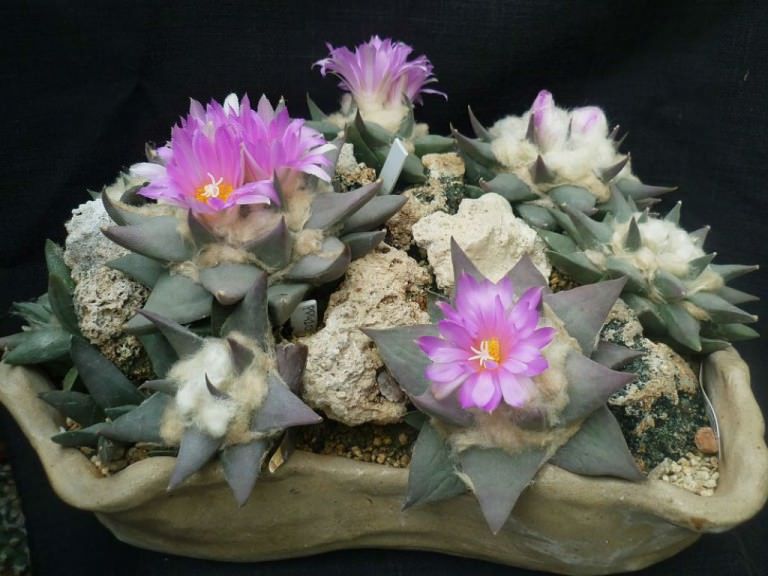
Imagine a world where tiny, resilient lifeforms—born from the heart of a parent plant—hold the key to unlocking a garden of endless possibilities. This isn’t a scene from a sci-fi novel; it’s the quiet, tenacious reality of Ariocarpus propagation from offsets. These diminutive clones, often overlooked in the grand tapestry of cactus cultivation, are not just a shortcut to expanding your collection. They are a testament to nature’s ingenuity, a whisper of life’s relentless persistence. But can you, a mere mortal with a green thumb and a dream, coax these offsets into thriving adults? The answer is a resounding yes—but the journey demands patience, precision, and a dash of botanical audacity.
The Enigma of Ariocarpus Offsets: Nature’s Tiny Miracles
Ariocarpus offsets are the plant world’s equivalent of a phoenix rising from ashes—except here, the ashes are a withering parent plant, and the phoenix is a cluster of new growth. These offsets, or “pups,” emerge as miniature replicas of their parent, complete with the same rugged charm and slow-growing tenacity. But why do they form? In the wild, these offsets are a survival strategy, a way for the plant to propagate itself without relying on fickle pollinators or erratic seeds. For cultivators, they’re a gift wrapped in spiny mystery, offering a faster path to maturity than starting from scratch. Yet, their very existence is shrouded in a paradox: they are both a promise and a puzzle. How do you separate them without harming the parent? When is the right time to intervene? The answers lie in understanding their delicate dance with time and stress.
Timing Is Everything: When to Harvest Offsets Like a Seasoned Botanist
Patience is the gardener’s most underrated tool. Ariocarpus offsets are no exception. Attempting to detach them too early is like plucking a fledgling from its nest before it’s ready to fly—disaster looms. The ideal moment arrives when the offset has grown to at least a third the size of its parent, its roots snaking outward like exploratory fingers. This usually occurs after the parent plant has endured a period of stress, such as a dry spell or a shift in temperature, signaling to the offset that it’s time to strike out on its own. But how do you know if the timing is right? Look for a subtle loosening at the base, a slight gap where the offset detaches with minimal resistance. Forcing the separation too soon risks damaging both the parent and the pup, turning a potential triumph into a cautionary tale of overzealous intervention.
The Art of Separation: Tools, Techniques, and a Steady Hand
Armed with a sterilized knife or a pair of tweezers, the cultivator approaches the offset with the reverence of a surgeon. The goal isn’t just to sever the connection but to do so with surgical precision, leaving both the parent and the pup unscathed. A clean cut is paramount—jagged edges invite rot, a silent killer in the world of succulents. Some growers prefer to twist the offset gently, allowing it to break free naturally, while others opt for a swift, decisive slice. Whichever method you choose, the key is to minimize trauma. After the separation, let the wound callous over for a day or two. This isn’t just a waiting game; it’s a critical step in preventing moisture from seeping into the fresh cut, which could spell doom for your fledgling offset.
Rooting for Success: Creating the Perfect Cradle for Your Offset
An offset without roots is like a ship without a rudder—it may float, but it won’t go anywhere. The next phase is coaxing those delicate tendrils into anchoring themselves in their new home. Start with a well-draining substrate, a blend of gritty sand, perlite, and a smattering of organic matter to mimic the harsh, mineral-rich soils of the Ariocarpus’ native habitats. A shallow pot with ample drainage holes is non-negotiable; waterlogged roots are a death sentence. Bury the offset just deep enough to stabilize it, leaving the top exposed to the air. Then, the waiting begins. Mist the soil lightly, avoiding the offset itself, and place it in a location with bright, indirect light. Direct sunlight is a foe at this stage, a relentless adversary that can scorch tender new growth.
The Waiting Game: Nurturing Patience in a World of Instant Gratification
Here’s where the true test of a gardener’s mettle lies. Ariocarpus offsets are not the kind of plants that shoot up overnight. They are slow, deliberate, almost meditative in their growth. Weeks may pass with no visible progress, and doubt creeps in like an unwelcome guest. But resist the urge to overwater or over-tend. These plants thrive on neglect, their survival instincts honed by generations of battling arid landscapes. Instead, focus on consistency. A stable environment—moderate temperatures, low humidity, and minimal disturbance—is your best ally. Rotate the pot occasionally to ensure even growth, and resist the temptation to fertilize. Young offsets are like newborns; they need time to build strength before they can handle the rigors of nutrient-rich diets.
Troubleshooting the Silent Struggles: When Offsets Send Distress Signals
Even the most meticulous cultivator may encounter setbacks. A yellowing offset could signal overwatering, a silent killer disguised as care. Shriveling? That’s the plant’s way of crying out for more moisture, but not too much—just enough to quench its thirst without drowning its roots. If the offset remains stubbornly rootless after weeks, it may be time to reassess your substrate or light conditions. Sometimes, the issue isn’t the environment but the offset itself. Weak or underdeveloped pups may struggle to take root, a reminder that not all offsets are destined for greatness. In such cases, patience may not be enough. Composting the pup and trying again with a healthier specimen might be the pragmatic choice.
Rot is the most insidious threat, creeping in like a thief in the night. If you spot a mushy, discolored base, act swiftly. Remove the offset from its pot, trim away any affected tissue with sterilized tools, and replant it in fresh, dry soil. This isn’t a failure; it’s a lesson in the unforgiving beauty of plant cultivation. Every setback is a stepping stone, a chance to refine your approach and emerge wiser.
Beyond the Basics: Advanced Tactics for the Ambitious Grower
For those who crave a deeper challenge, there are advanced techniques to explore. Air layering, a method borrowed from tropical tree propagation, can encourage offsets to root while still attached to the parent. This involves wounding the offset’s base, wrapping it in moist sphagnum moss, and enclosing it in plastic to create a humid microclimate. It’s a high-stakes game, but the rewards—offsets with pre-established roots—are worth the risk. Another tactic is grafting, a practice that fuses the offset onto a hardier rootstock, bypassing the vulnerable rooting phase altogether. This isn’t for the faint of heart, but for the daring cultivator, it’s a way to fast-track growth and ensure survival in less-than-ideal conditions.
The Reward: A Garden of Your Own Making
When your first Ariocarpus offset finally takes root, when its spines unfurl like the pages of a long-awaited book, you’ll understand the true magic of propagation. It’s not just about expanding a collection; it’s about participating in a cycle of life that predates humanity itself. Each offset is a living link to the past, a promise of the future. And with every new plant you nurture, you’re not just growing a garden—you’re growing a legacy. So, armed with knowledge and a dash of courage, step into the world of Ariocarpus offsets. The journey is slow, the challenges are real, but the rewards? They’re nothing short of extraordinary.
FAQ
What are Ariocarpus offsets?
Ariocarpus offsets are small clones of the parent plant that emerge as a form of asexual reproduction, allowing for easier propagation.
How do I know when to separate the offsets?
You should wait until the offset is at least a third the size of the parent plant and shows a slight loosening at the base.
What type of soil is best for rooting offsets?
A well-draining substrate, such as a mix of gritty sand, perlite, and organic matter, is ideal for rooting offsets.


Leave a Reply