
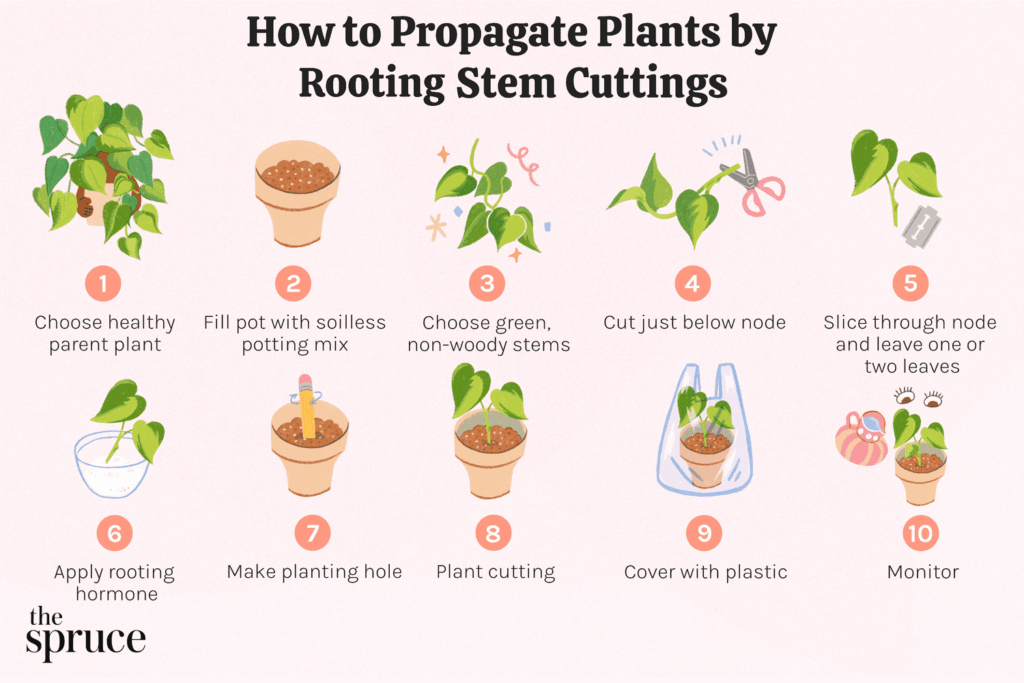
Short Answer
In the grand ballet of the cosmos, where celestial bodies pirouette through the void, there exists a terrestrial waltz—one danced by the enigmatic Astrophytum, the star cactus. These botanical orbs, resplendent in their geometric perfection, are not mere desert dwellers; they are celestial mimics, embodying the quiet resilience of the universe itself. To propagate them is to participate in a cosmic act of creation, a ritual that demands precision, patience, and an intimate understanding of the seasons’ whispers. The best time to propagate Astrophytum is not merely a date on the calendar; it is a celestial alignment, a moment when the earth’s rhythms harmonize with the cactus’s ancient code. Let us embark on this horticultural odyssey, where each season unfolds its own secrets, and the star cactus reveals its most vulnerable, yet most radiant, self.
The Cosmic Prelude: Understanding Astrophytum’s Seasonal Language
Before we delve into the alchemy of propagation, we must first attune ourselves to the Astrophytum’s silent dialect—a language spoken in the rustle of spines, the blush of ribs, and the slow unfurling of flowers like celestial fireworks. These cacti are not creatures of haste; they are the stoic philosophers of the plant kingdom, thriving in the crucible of adversity. Their native habitats—arid stretches of Mexico and the southwestern United States—have sculpted them into masters of endurance, where water is a fleeting guest and the sun a relentless sculptor.
Their seasonal cycles are a testament to this resilience. In the scorching embrace of summer, they enter a state of suspended animation, conserving moisture like a miser hoarding gold. Autumn, however, is their awakening—a time when the earth’s breath grows cooler, and the cactus stirs from its torpor. This is the season of opportunity, where the stars align in favor of the propagator. The soil, still warm from summer’s lingering touch, cradles the potential for new life, while the air carries the crisp promise of growth. Winter, though seemingly dormant, is a period of quiet preparation, where the cactus fortifies its defenses for the coming spring. And spring? Ah, spring is the overture, the crescendo before the symphony—when the Astrophytum is most receptive to the art of propagation.
The Autumnal Embrace: When the Soil Whispers “Now”
Autumn is the Astrophytum’s confidant, the season when the cactus sheds its summer armor and turns inward, preparing for the chill ahead. For the propagator, this is the golden hour. The soil, still imbued with the residual warmth of the sun, provides a nurturing cradle for cuttings or offsets. The air is crisp, the humidity gentle—a balm for the tender new roots that will soon emerge. This is not the time for haste; it is the time for reverence, for listening to the earth’s quiet hum.
To propagate in autumn is to work in harmony with the cactus’s natural rhythm. Take a healthy offset, a miniature clone of the parent plant, and nestle it in a well-draining medium—perhaps a blend of coarse sand, perlite, and a whisper of organic matter. The key is to mimic the arid conditions of its native home. Water sparingly, just enough to coax the roots into existence without drowning them in excess. The offset, like a newborn babe, requires protection from the elements. A shaded nook, perhaps beneath the dappled light of a greenhouse or under the gentle caress of a grow light, will shield it from the harshness of the coming winter while allowing it to stretch its roots toward the unseen sun.
And what of the parent plant? It, too, benefits from this seasonal dance. The act of propagation, when done with care, is a renewal—a shedding of the old to make way for the new. The parent cactus, now free from the burden of supporting an offset, can redirect its energy toward its own growth, its ribs swelling with stored vitality for the winter ahead.
The Vernal Awakening: A Season of Rebirth and Risk
Spring is the season of audacity, when the world bursts forth in a riot of color and life. For the Astrophytum, it is a time of reckoning—a moment when the cactus must decide whether to flourish or falter. Propagating in spring is a gamble, but one with high stakes and higher rewards. The soil is alive with microbial whispers, the air thick with the scent of possibility. The cactus, emerging from its winter slumber, is primed for growth, its cells pulsing with the energy of renewal.
This is the season to take cuttings from the crown of a mature Astrophytum, where the plant’s vitality is most concentrated. Use a sterilized blade, sharp as a poet’s pen, to sever a healthy segment. Let the wound callus over for a day or two, a necessary precaution against rot. Then, plant it in a gritty medium, where drainage is as swift as a desert storm. The cutting, like a phoenix, must rise from its own ashes—its roots questing downward as its spines reach skyward.
But spring is not without its perils. The warmth and moisture that fuel growth can also invite decay. The propagator must be vigilant, a guardian against the creeping shadow of fungal spores. A light misting, a breath of air from a fan to discourage stagnation—these are the tools of the trade. And patience. Always, patience. The cutting may take weeks, even months, to root. But when it does, it will unfurl its first ribs like the petals of a celestial bloom, a testament to the season’s promise.
The Winter Solstice: A Test of Patience and Faith
Winter is the season of hibernation, when the Astrophytum retreats into itself, conserving every drop of moisture, every spark of energy. For the propagator, it is a time of trial—a season when the earth’s generosity is at its lowest ebb. Yet, even in this dormancy, there is opportunity. Winter propagation is not for the faint of heart; it is a test of will, a leap of faith into the unknown.
To propagate in winter is to work in the shadows, where the sun’s light is a distant memory and the cold is a constant companion. The cutting or offset must be shielded from the chill, its roots insulated by a layer of warmth—perhaps a heat mat beneath its container, or a cozy blanket of vermiculite. The medium must be drier than usual, for excess moisture is the enemy of life in these frigid months. And the propagator? They must be a silent sentinel, watching, waiting, never wavering in their belief that spring will come.
There is a poetry to winter propagation, a quiet defiance in the face of the season’s austerity. The Astrophytum, in its stubbornness, mirrors the propagator’s resolve. Both are creatures of endurance, bound by the unspoken pact of survival. And when the first green tip emerges from the soil, it is not just a plant that has taken root—it is a triumph, a declaration that even in the darkest season, life will find a way.
The Celestial Finale: Nurturing Your Astrophytum’s Destiny
Propagation is not the end of the journey; it is the beginning of a lifelong dialogue with the Astrophytum. Once your new plant has taken root, it will demand your attention, your care, your unwavering devotion. It will teach you the language of spines and ribs, the art of reading its silent signals. It will reward you with flowers that bloom like stars fallen to earth, with offsets that multiply like the seeds of the cosmos itself.
Remember: the Astrophytum is not a plant to be tamed. It is a partner in a dance as old as the deserts, as timeless as the stars. To propagate it is to enter into a covenant with the earth, to become a steward of its quiet magic. And when you hold a new Astrophytum in your hands, a living testament to your patience and care, you will understand—this is not merely horticulture. It is alchemy. It is poetry. It is the closest thing to touching the infinite.
FAQ
What is the best time to propagate Astrophytum?
The best time to propagate Astrophytum is in autumn when the soil is warm and the cactus is ready to grow.
What materials do I need for propagating Astrophytum?
You’ll need a well-draining soil mix, a healthy offset or cutting, and a container to support the new plant.
Can I propagate Astrophytum in winter?
Yes, but it requires more attention and care, as conditions are less favorable.



Leave a Reply