
Short Answer
In the vast, sun-scorched expanses of deserts and arid landscapes, where life teeters on the precipice of survival, the cactus stands as a testament to nature’s relentless ingenuity. These spiky sentinels, often dismissed as mere curiosities of the plant kingdom, are in fact marvels of evolutionary adaptation, finely tuned to thrive in conditions that would spell doom for most other organisms. Recent scientific breakthroughs have peeled back layers of their resilience, revealing a tapestry of survival strategies that are as intricate as they are inspiring. From their water-storing stems to their ingenious reproductive tactics, cacti are not just surviving—they are thriving, defying the harshest environments with a quiet, tenacious grace. This exploration dives into the latest research on cactus adaptations, uncovering the secrets behind their endurance and the lessons they hold for humanity in an era of climate uncertainty.
The Hydration Havens: How Cacti Master Water Conservation
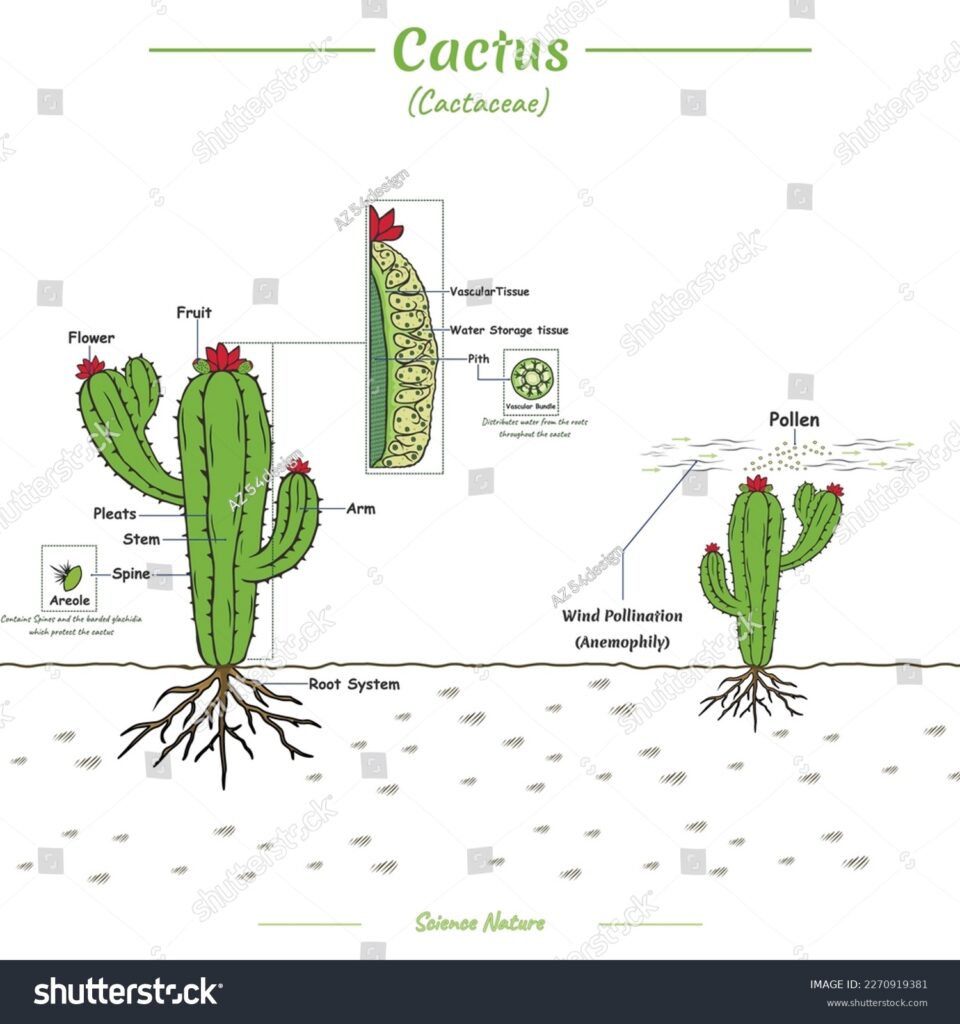
At the heart of every cactus lies a water-storing marvel—a swollen, succulent stem that functions like a biological reservoir, capable of holding gallons of moisture in environments where rain is a rare and fleeting visitor. This adaptation, known as stem succulence, is not merely a passive trait but a dynamic system finely tuned to the rhythms of drought. Recent studies have revealed that cacti employ a CAM photosynthesis (Crassulacean Acid Metabolism) pathway, a metabolic hack that allows them to open their stomata—tiny pores for gas exchange—only at night. By doing so, they minimize water loss during the scorching daytime hours, when evaporation would otherwise strip them of precious hydration.
Their roots, too, are a study in efficiency. Unlike most plants, which spread their roots shallowly to absorb surface moisture, cacti often develop deep, extensive root systems that tap into underground water sources. Some species, like the saguaro, can extend roots up to 75 feet in search of moisture, while others, such as the prickly pear, grow shallow but widespread root networks to capture even the slightest rainfall. This dual strategy ensures that cacti can exploit both immediate and delayed water sources, a flexibility that has allowed them to dominate some of the driest corners of the planet.
The Armor of Survival: Spines, Wax, and the Battle Against Predators
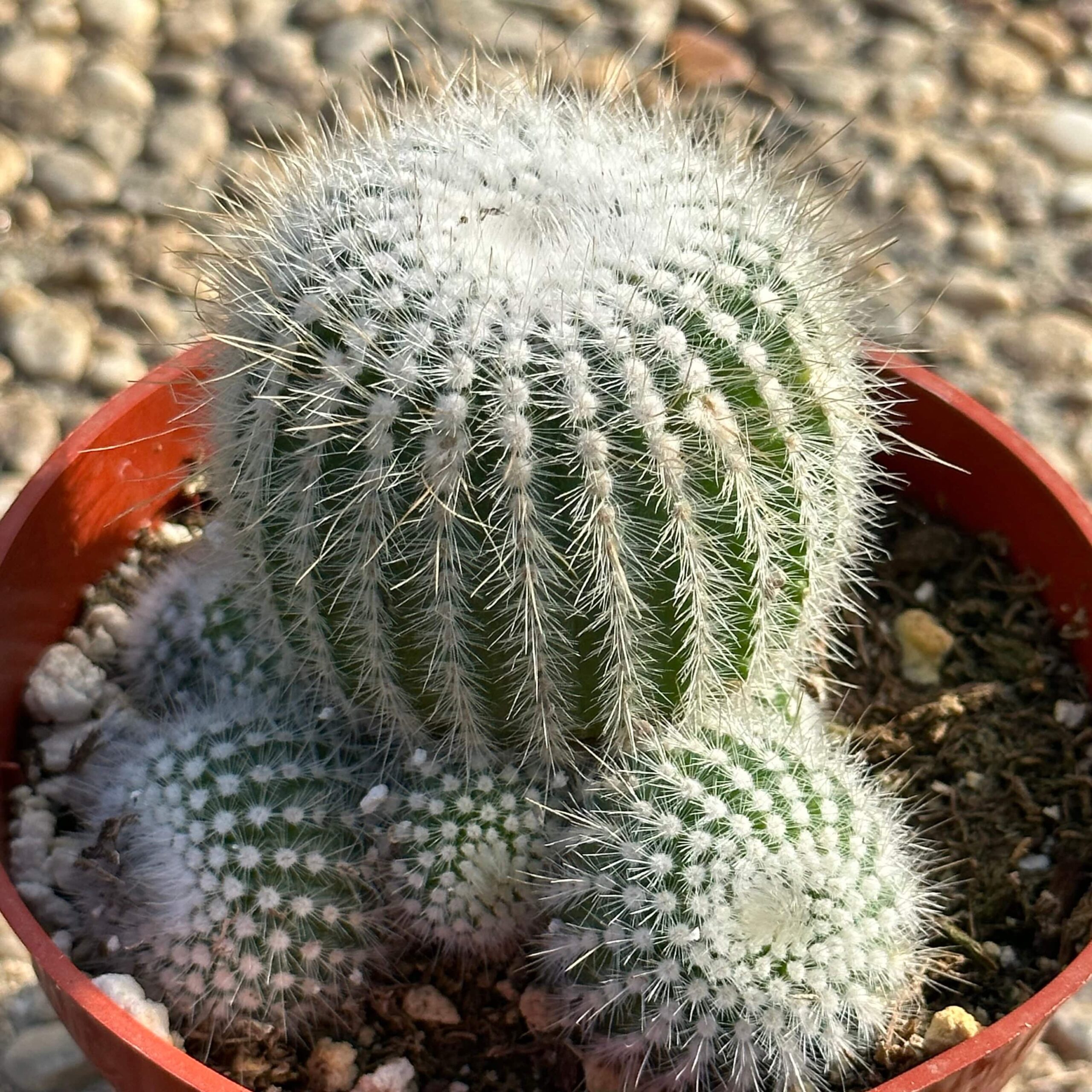
To the untrained eye, a cactus’s spines might seem like a mere deterrent against herbivores, but they are, in fact, a multifaceted defense system. Beyond their obvious role in warding off thirsty animals, spines serve a critical function in microclimate regulation. By creating a layer of still air around the cactus’s surface, they reduce heat absorption and minimize water loss through transpiration. Some species, like the cholla, have spines that are so densely packed they form a near-impenetrable barrier, while others, such as the barrel cactus, boast spines that are also highly reflective, bouncing sunlight away to prevent overheating.
Equally fascinating is the cactus’s outer layer, or epidermis, which is often coated in a waxy cuticle. This hydrophobic barrier repels water, preventing it from pooling on the surface where it could encourage fungal growth or reflect harmful UV rays. In some species, the cuticle is so thick that it can account for up to 20% of the plant’s dry weight, a testament to the evolutionary investment in water retention. Additionally, the epidermis of certain cacti is equipped with a layer of trichomes—hair-like structures that further insulate the plant, reduce water loss, and even provide shade to the stem beneath.
The Silent Communicators: Root Networks and Symbiotic Relationships
Cacti are not solitary survivors; they are part of a complex, interconnected web of life. Recent research has uncovered the extent to which cacti engage in mycorrhizal symbiosis, a mutually beneficial relationship with soil fungi that enhances their ability to absorb water and nutrients. These fungal networks, often referred to as the Wood Wide Web in reference to their plant counterparts, act as underground highways, connecting cacti to neighboring plants and even trees. Through this system, cacti can share resources, warn each other of impending threats, and even support struggling seedlings—a phenomenon known as nurse plant facilitation.
Some cacti take this cooperation a step further by forming symbiotic relationships with animals. The saguaro cactus, for instance, relies on the Gila woodpecker to excavate nesting cavities in its stem. In return, the cactus provides shelter, and the woodpecker inadvertently aids in seed dispersal. Similarly, the prickly pear produces bright, fleshy fruits that attract birds and mammals, which then spread the cactus’s seeds far and wide. These relationships highlight the cactus’s role as a keystone species, one that sustains entire ecosystems in some of the most inhospitable environments on Earth.
The Reproductive Resilience: Strategies for Perpetuation in Harsh Climates
Reproduction in the cactus world is a high-stakes endeavor, where timing, strategy, and sheer persistence determine success. Many species have evolved opportunistic flowering, blooming only after rare rainfall events to maximize the chances of seed germination. Others, like the night-blooming cereus, have adapted to pollinate under the cover of darkness, relying on moths and bats rather than diurnal insects. This nocturnal strategy not only reduces water loss but also minimizes competition for pollinators.
The seeds themselves are often equipped with adaptations that ensure survival in arid conditions. Some cacti produce seeds with a hard, impermeable coat that delays germination until conditions are optimal, while others, like the living rock cactus, have seeds that are dispersed by wind or animals and can lie dormant for years, waiting for the perfect moment to sprout. In species like the cholla, the seeds are embedded in a fleshy fruit that attracts animals, which then inadvertently plant the seeds as they move through the landscape. This endozoochory—seed dispersal via animal ingestion—ensures that the next generation has a fighting chance, even in the face of environmental unpredictability.
The Future of Cactus Research: Lessons for a Changing World
As climate change intensifies, the adaptations of cacti are becoming increasingly relevant to human survival. Scientists are now looking to these desert dwellers for insights into drought resistance, water-efficient agriculture, and even bioinspired materials. The study of cactus spines, for example, has inspired the development of biomimetic fabrics that can regulate temperature and moisture, while research into CAM photosynthesis has led to breakthroughs in crop engineering aimed at reducing water usage in farming.
Moreover, cacti are serving as a model for understanding how life can persist in extreme environments, offering clues about the potential for life on other planets. Their ability to thrive in conditions of extreme heat, cold, and drought makes them a compelling subject for astrobiologists studying the limits of habitability. As we grapple with the challenges of a warming planet, the cactus stands not just as a symbol of resilience, but as a blueprint for survival—one that reminds us that even in the harshest of environments, life finds a way.
FAQ
What are some unique adaptations of cacti?
Cacti have evolved various adaptations such as water-storing stems, CAM photosynthesis, and deep root systems to survive in arid environments.
How do cacti reproduce in harsh climates?
Many cacti bloom opportunistically after rainfall and have seeds that can lie dormant until conditions are favorable.




Leave a Reply