
Short Answer
What if the stars in your garden weren’t just celestial bodies but living, breathing cacti—each one a tiny universe of spines and secrets? Astrophytum species, those geometric marvels that seem plucked from a sci-fi illustrator’s sketchbook, are more than just Instagram darlings. They’re survivors, yes, but are they endangered? The answer isn’t as straightforward as a perfectly symmetrical ribbed stem. It’s a tale of poaching, habitat loss, and conservation heroics—all wrapped in the prickly embrace of a desert dweller.
The Enigma of Astrophytum: A Genus of Celestial Cacti
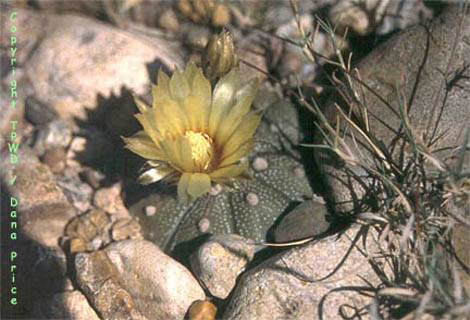
Astrophytum isn’t your average cactus. With their star-shaped silhouettes and sunburst patterns, these plants are the divas of the succulent world. Native to the arid landscapes of Mexico and the southwestern United States, they thrive where others wither. But don’t let their tough exterior fool you—these cacti are facing a crisis that’s as subtle as a stolen cutting in the dead of night. The genus includes species like Astrophytum asterias, the “sea urchin cactus,” and Astrophytum capricorne, the “goat’s horn cactus,” each with its own quirks and charms. Yet, their very uniqueness makes them targets for collectors and poachers, turning them into victims of their own beauty.
Habitat Hemorrhage: The Silent Erosion of Astrophytum Homes
The first villain in this story isn’t a person—it’s progress. Urban sprawl, agricultural expansion, and mining operations are carving up the arid ecosystems where Astrophytum species once flourished. In the Chihuahuan Desert, for example, the encroachment of farmland has reduced their natural habitat to fragmented pockets, like islands in a sea of concrete. These cacti aren’t just losing ground; they’re losing the ability to reproduce naturally. Without undisturbed soil and the right pollinators, their future hangs by a thread thinner than a spine.
Climate change adds another layer of complexity. Rising temperatures and prolonged droughts stress these plants, making them more susceptible to disease and pests. Imagine a cactus that’s evolved over millennia to thrive in a specific climate, now gasping under the weight of a rapidly changing world. It’s a slow-motion disaster, and Astrophytum species are on the front lines.
Poaching: The Illicit Trade of Living Stars
Here’s where the plot thickens—and the stakes get personal. Astrophytum species are among the most sought-after cacti in the black market. Their rarity, combined with their striking appearance, makes them prized possessions for unscrupulous collectors. Astrophytum asterias, in particular, has been decimated by illegal harvesting, with entire populations wiped out in the wild. The irony? These cacti are often propagated in nurseries, but the demand for “wild-collected” specimens drives the poaching epidemic.
The consequences are dire. Poaching doesn’t just deplete populations; it disrupts the genetic diversity that allows these species to adapt and survive. Without a robust gene pool, even healthy plants in cultivation may face an uncertain future. It’s a vicious cycle: the more desirable a species becomes, the more it’s hunted, and the more its wild populations collapse.
Conservation Efforts: Heroes in the Desert
But all is not lost—far from it. Conservationists, botanical gardens, and even local communities are stepping up to protect these celestial cacti. One of the most effective strategies is ex-situ conservation, where seeds and cuttings are cultivated in controlled environments. Institutions like the Desert Botanical Garden in Arizona and the Huntington Library, Art Museum, and Botanical Gardens in California have become sanctuaries for endangered Astrophytum species, ensuring their survival even as their wild habitats shrink.
Legal protections are also playing a crucial role. Many Astrophytum species are listed under CITES (the Convention on International Trade in Endangered Species), which regulates their trade and penalizes illegal harvesting. In Mexico, national parks and biosphere reserves provide safe havens for these cacti, where rangers patrol against poachers and monitor population health. These efforts aren’t just about saving plants—they’re about preserving entire ecosystems that depend on these species for stability.
The Role of Cultivation: A Double-Edged Sword
Here’s a twist: the very thing that makes Astrophytum species vulnerable—their popularity—could also be their salvation. Mass cultivation in nurseries has reduced the demand for wild-collected specimens, offering a sustainable alternative for collectors. However, this isn’t a perfect solution. The commercial trade often prioritizes quantity over genetic diversity, leading to inbred populations that lack resilience. Moreover, the allure of “rare” wild-collected plants persists, fueling a shadow market that’s hard to eradicate.
To combat this, ethical growers and conservation organizations are promoting certified sustainable cultivation. By choosing nursery-grown plants and supporting reputable sellers, enthusiasts can help shift the market away from poaching. It’s a small act with big implications—one that could tip the scales in favor of these star-shaped survivors.
Community Engagement: The Power of Local Stewardship
The most sustainable conservation efforts are those that involve the communities living alongside these cacti. In rural Mexico, indigenous groups and local farmers are being trained as stewards of their natural heritage. By integrating Astrophytum conservation into agricultural practices, they’re not only protecting the plants but also ensuring their own livelihoods. Programs like Mexico’s Programa de Conservación de la Biodiversidad (Biodiversity Conservation Program) provide incentives for sustainable land use, proving that conservation and economic development can go hand in hand.
Education is another powerful tool. By teaching the next generation about the ecological importance of these cacti—and the consequences of poaching—communities become allies in the fight for survival. It’s a long-term strategy, but one that plants the seeds for a future where Astrophytum species thrive both in the wild and in our gardens.
The Future of Astrophytum: A Call to Action
So, are Astrophytum species endangered? The answer is a resounding “yes,” but not without hope. These cacti are battling habitat loss, poaching, and climate change, yet they’re also benefiting from conservation heroics and ethical cultivation. The challenge ahead is multifaceted: we must protect their natural habitats, regulate their trade, and promote sustainable practices. It’s a tall order, but one that’s worth every spine-tingling effort.
The next time you admire an Astrophytum in a pot or a garden, remember—it’s not just a plant. It’s a survivor, a symbol of resilience, and a reminder that even the smallest stars can illuminate the darkest skies. Let’s ensure they keep shining.
FAQ
Why are Astrophytum species endangered?
Astrophytum species are endangered due to habitat loss from urban sprawl and agriculture, illegal poaching, and the impacts of climate change.
What conservation efforts are being made for Astrophytum species?
Conservation efforts include ex-situ conservation in botanical gardens, legal protections under CITES, and community programs promoting sustainable practices.





Leave a Reply