
Short Answer
There’s something quietly revolutionary about a cactus thriving in midair. Not just surviving—thriving. Suspended in a delicate dance between gravity and growth, these spiky botanical wonders transform vertical spaces into living sculptures. Hanging cactus gardens are more than a trend; they’re a quiet rebellion against the flat earth of traditional gardening. They whisper to us that even the most arid of souls can reach upward, that constraints can become canvases, and that beauty doesn’t always need soil to take root.
The Allure of the Aerial Oasis: Why We’re Drawn to Hanging Cacti
Humans have always been enchanted by the idea of defying gravity—not just in dreams, but in reality. Hanging gardens, from the legendary Hanging Gardens of Babylon to the modest kitchen herb planter, tap into a primal fascination with elevation. Cacti, with their stoic resilience and sculptural forms, amplify this magic. Their ability to thrive in drought mirrors our own desire to flourish in confined or challenging spaces. When we hang a cactus, we’re not just displaying a plant; we’re celebrating adaptability. The contrast between the plant’s rigid spines and the fluidity of its suspended home creates a visual poetry that feels both ancient and futuristic. It’s as if the cactus, a survivor of the desert, has found a new frontier in the sky.
Designing with Spines: Choosing the Right Cacti for Your Vertical Garden
Not all cacti are suited for a life in the air. The ideal candidates are those with compact, slow-growing habits and minimal water needs. Mammillaria, with its globe-like clusters and delicate flowers, is a star in hanging arrangements. Gymnocalycium, or the “chin cactus,” offers a softer silhouette with its ribbed, rounded bodies. For drama, consider Echeveria varieties—though technically succulents, their rosette forms and pastel hues blend seamlessly with cacti. Avoid columnar species like Saguaro; their towering growth is better suited to the ground. When selecting, prioritize uniformity in size and shape to create a cohesive visual rhythm. Remember, in a hanging garden, every spine tells a story.

Containers That Cradle: Selecting the Perfect Hanging Vessels
The vessel is the cradle of your aerial garden, and its design can elevate—or undermine—the entire composition. Macramé hangers, with their bohemian charm, allow the plants to spill naturally, their tendrils of growth creating a living curtain. Ceramic or concrete pots, with their weight and texture, ground the arrangement, providing stability against the whims of wind. For a modern twist, consider geometric metal planters with drainage slits, their industrial lines contrasting with the organic forms of the cacti. Avoid containers with narrow openings; cacti need room to breathe, and their roots must never sit in stagnant water. The material matters too—terracotta wicks moisture away, while plastic retains it. Choose wisely, for the vessel will shape the destiny of your garden.
The Art of Suspension: Techniques for Secure and Stylish Displays
Hanging a cactus garden is an exercise in balance—between aesthetics and safety, between whimsy and weight. Start with the ceiling hook: it must support at least three times the weight of the fully watered arrangement. For multiple tiers, stagger the heights to create depth, like a cascading waterfall of greenery. Use chains or adjustable ropes to fine-tune the positioning; a slight tilt can turn a static display into a dynamic one. Group plants with similar light and water needs together, but vary their textures to avoid monotony. And here’s a pro tip: rotate the arrangement every few weeks. Cacti grow toward light, and this gentle encouragement ensures even growth, preventing your garden from becoming a lopsided spectacle.
Light, Water, and the Invisible Threads of Care
Cacti in hanging gardens demand a different kind of attention than their earthbound cousins. Light is the lifeblood of these vertical oases. South- or west-facing windows are ideal, but if natural light is scarce, supplement with grow lights—full-spectrum LEDs mimic the sun’s embrace. Watering is a delicate dance: less is more. Overwatering is the silent killer of hanging cacti, as excess moisture pools in the vessel’s base. Water only when the soil is bone-dry, and always from below to avoid wetting the spines, which can lead to rot. Fertilize sparingly, with a diluted cactus-specific formula, during the growing season. And don’t forget to dust the spines occasionally; a soft brush will keep them gleaming, allowing them to perform their photosynthetic duties unhindered.

Beyond the Basics: Creative Twists on a Classic Idea
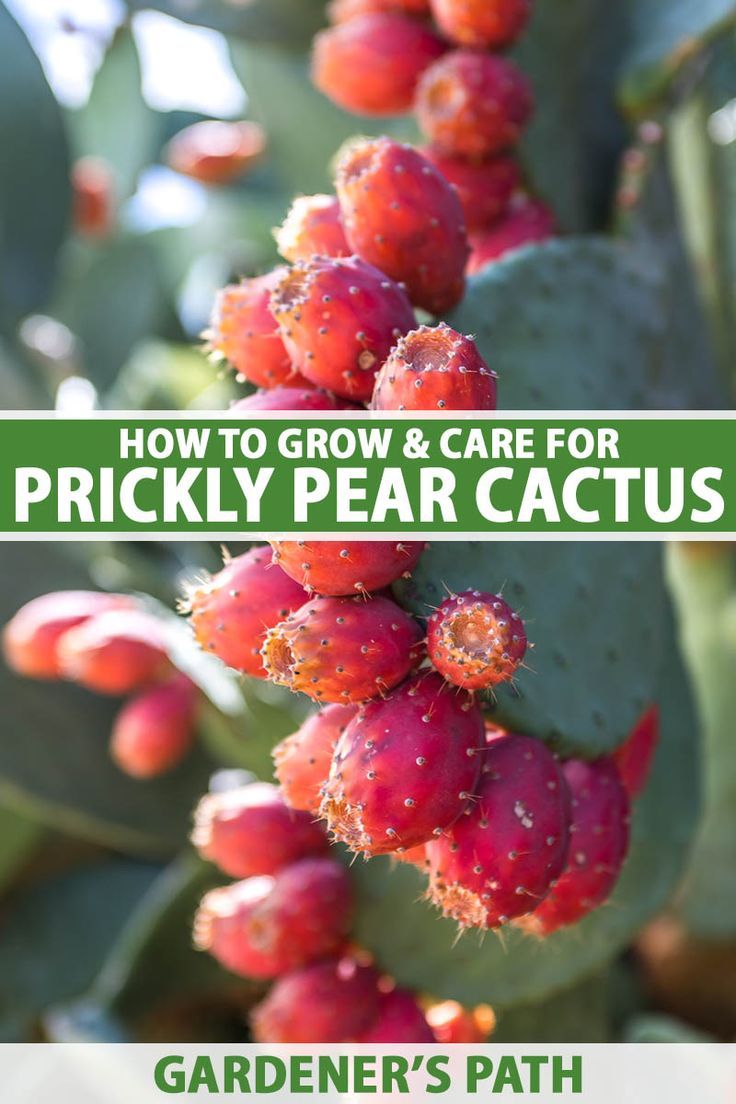
Why stop at the ordinary when the extraordinary is within reach? For a whimsical touch, integrate air plants (Tillandsia) among the cacti; their ethereal forms soften the spines’ severity. Create a “floating desert” by suspending a single, large Opuntia (prickly pear) in a minimalist glass orb—its flat pads will spread like a painter’s palette. For the adventurous, try a “spine curtain”: a series of small, densely packed cacti in a vertical frame, their overlapping forms creating a living tapestry. Or, for a touch of nostalgia, craft a “grandmother’s attic” vibe with vintage tins and lace doilies, letting the cacti peek out like hidden treasures. The possibilities are as limitless as your imagination.
The Psychological Pull: Why Hanging Gardens Feel Like Magic
There’s a psychological undercurrent to hanging gardens that transcends mere decoration. Psychologists call it the “awe effect”—the sense of wonder that arises when we encounter something vast, unexpected, or beyond our usual frame of reference. A hanging cactus garden triggers this effect by defying our expectations of where plants should live. It’s a small rebellion, a tiny act of defiance against the earth’s pull. Studies suggest that exposure to vertical greenery can reduce stress and increase creativity, as our brains associate height with possibility. Perhaps that’s why these gardens feel so invigorating: they remind us that growth isn’t confined to the ground. It can spiral, climb, and soar.
Final Thoughts: Your Vertical Desert Awaits
Hanging cactus gardens are more than a design choice; they’re a philosophy. They teach us that beauty can thrive in the most unexpected places, that constraints can spark creativity, and that even the prickliest of souls can soften the world around them. Whether you’re a seasoned gardener or a curious novice, the journey begins with a single spine. Choose your cacti wisely. Suspend them with care. And watch as your vertical desert transforms not just your space, but your perspective. The sky is no longer the limit—it’s the beginning.
FAQ
What types of cacti are best for hanging gardens?
Compact, slow-growing cacti such as Mammillaria and Gymnocalycium are ideal for hanging gardens.
How do I care for hanging cacti?
Ensure they receive adequate light, water only when the soil is dry, and avoid letting their roots sit in stagnant water.

Leave a Reply