
Short Answer
In the arid, sun-scorched expanses of northern Mexico and southern Texas, a silent tragedy unfolds—one that few outside the world of cacti enthusiasts have noticed. The Ariocarpus, a genus of small, slow-growing succulents, teeters on the brink of oblivion, not due to some sudden blight or predatory onslaught, but through the quiet, insidious creep of human ambition. Their plight is a microcosm of a larger ecological betrayal, where greed and ignorance converge to erase species before we even fully understand their role in the tapestry of life. To grasp why these cacti are endangered, we must venture beyond the surface of their spiny exteriors and into the heart of their disappearing world—a world being dismantled by habitat loss and ruthless overcollection.
The Vanishing Terrains: How Habitat Loss Carves a Path to Extinction
The Ariocarpus genus, with its species like *Ariocarpus fissuratus* and *Ariocarpus retusus*, thrives in the most unforgiving of niches—rocky, calcareous soils where moisture is a fleeting visitor and the sun beats down with relentless ferocity. These cacti are not just survivors; they are virtuosos of adaptation, their thick, tuberous roots delving deep into the earth to sip from the barest trickle of underground water. Yet, their mastery of aridity is no match for the bulldozers, the grazing herds, and the relentless expansion of agriculture that now encroach upon their last refuges.
Consider the Chihuahuan Desert, a vast and ancient landscape where Ariocarpus once flourished in scattered, sun-baked pockets. Today, vast stretches of this desert have been transformed into fields of alfalfa and pecan orchards, their irrigation systems siphoning away the precious groundwater that once sustained these cacti. The soil, once a mosaic of limestone and clay, is now compacted and depleted, its delicate microbial communities suffocated beneath the weight of mechanized farming. Even the most resilient Ariocarpus cannot compete with the relentless tide of plows and pesticides.
But agriculture is not the sole architect of destruction. Urban sprawl, with its concrete arteries and neon veins, has gobbled up swathes of habitat, reducing once-vast ecosystems to fragmented islands. Roads carve through the desert, dissecting populations and isolating individuals, while mining operations gouge the earth for minerals, leaving behind scars that take centuries to heal. The Ariocarpus, already slow to reproduce and painfully sensitive to disturbance, finds itself marooned in a landscape that offers no safe haven. Climate change, too, plays its part, altering precipitation patterns and pushing these cacti into a precarious dance with survival, where a single drought can spell the end for an entire colony.
The Illicit Trade: When Desire Outstrips Conservation
If habitat loss is the slow suffocation of the Ariocarpus, then overcollection is the death knell—a deliberate, predatory strike on a genus already gasping for breath. The cactus trade, though niche, is a lucrative one, driven by collectors who prize these plants for their rarity, their bizarre forms, and their slow-growing allure. Ariocarpus are not the flashy, towering sentinels of the desert like saguaros; they are the quiet, enigmatic jewels, their flat, star-shaped bodies nestled close to the ground, their flowers blooming in fleeting bursts of pink or purple. To the untrained eye, they may seem unremarkable, but to the initiated, they are the Mona Lisas of the plant world—mysterious, coveted, and irreplaceable.
The demand for Ariocarpus is fed by a global network of enthusiasts, nurseries, and black-market dealers who operate with little regard for conservation. Wild-collected specimens, plucked from their natural habitats, are smuggled across borders in suitcases and shipping containers, their roots wrapped in damp cloth to keep them alive during transit. The journey is often fatal for many, but those that survive command staggering prices—hundreds, even thousands of dollars for a single plant. The irony is bitter: the more endangered a species becomes, the more valuable it is to collectors, creating a vicious cycle where scarcity fuels desire, and desire fuels extinction.
Even legal trade poses a threat. Nurseries that propagate Ariocarpus often rely on wild stock to maintain genetic diversity, inadvertently incentivizing the removal of plants from the wild. The slow growth rate of these cacti—some species take decades to reach maturity—means that even “sustainable” harvesting can deplete populations faster than they can replenish. And then there are the poachers, who operate with brazen disregard for the law, stripping entire hillsides of their cacti in a single night, leaving behind a landscape as barren as a battlefield.
The Fragile Balance: Why Ariocarpus Matter More Than We Think
To dismiss the plight of the Ariocarpus as a concern only for cactus aficionados is to overlook the profound role these plants play in their ecosystems. Ariocarpus are not mere decorative elements of the desert; they are keystone species, their presence shaping the very fabric of their environment. Their deep roots help to stabilize soil, preventing erosion and creating microhabitats for insects, lizards, and even small mammals. Their flowers, though ephemeral, are a vital nectar source for pollinators in an ecosystem where every drop of water and every grain of pollen is contested.
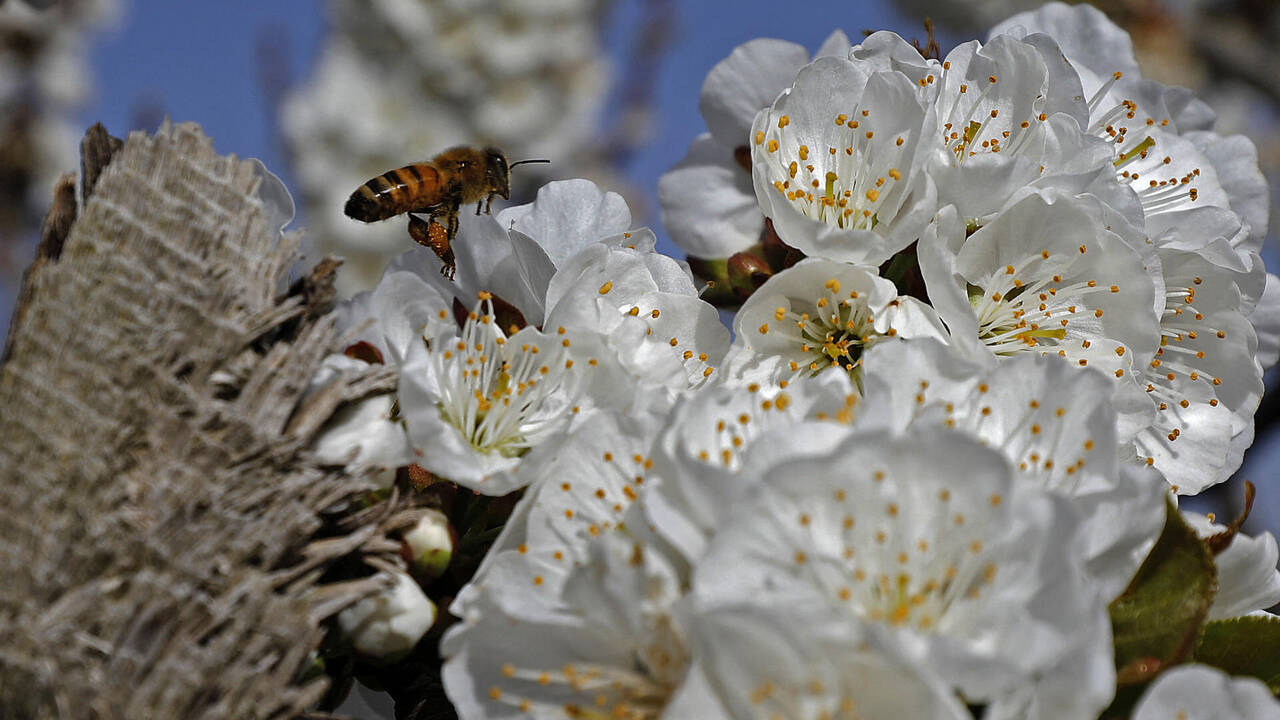
Consider the intricate dance between the Ariocarpus and its pollinators. Unlike many cacti, which rely on birds or bats, Ariocarpus often depend on solitary bees, whose foraging patterns are finely tuned to the cactus’s blooming cycles. When Ariocarpus populations decline, so too do the bees that rely on them, creating a ripple effect that can destabilize entire food webs. The loss of these cacti doesn’t just mean fewer pretty plants; it means fewer insects, fewer birds, and ultimately, fewer predators that keep herbivore populations in check. In a landscape where every species is a thread in a delicate tapestry, the unraveling of one thread can lead to the collapse of the whole.
There is also a cultural dimension to the Ariocarpus’s significance. Indigenous communities in northern Mexico have long revered these plants, incorporating them into traditional medicine and folklore. For some, they are symbols of resilience; for others, they are sacred entities, their survival intertwined with the health of the land itself. The erosion of Ariocarpus populations is not just an ecological loss—it is a cultural erasure, a severing of the deep, spiritual connection between people and the land they inhabit.
A Glimmer of Hope: Conservation Efforts and the Path Forward
Despite the grim prognosis, there is still time to rewrite the fate of the Ariocarpus—but only if we act with urgency and resolve. Conservation efforts are underway, though they are often underfunded and fragmented. Protected areas, such as the Mapimí Biosphere Reserve in Mexico, provide a lifeline for some Ariocarpus populations, offering them sanctuary from the relentless march of development. Reintroduction programs, where cultivated specimens are carefully transplanted back into the wild, have shown promise, though success depends on restoring the ecological conditions that once allowed these cacti to thrive.
The battle against overcollection requires a multi-pronged approach. Stricter enforcement of international and national laws, such as CITES (the Convention on International Trade in Endangered Species), is essential to curb the illegal trade. Public awareness campaigns can shift the narrative, educating collectors about the ethical implications of wild-harvested plants and promoting the cultivation of nursery-grown specimens. Even something as simple as responsible tourism—where visitors are encouraged to admire Ariocarpus in the wild without disturbing them—can make a difference, fostering a culture of stewardship rather than exploitation.
Yet, the most critical step may be addressing the root causes of habitat loss. This means rethinking agricultural practices, investing in sustainable land-use planning, and empowering local communities to become stewards of their own landscapes. When people see the value of preserving the Ariocarpus—not just as a commodity, but as a vital part of their heritage and ecosystem—they become allies in the fight for survival. Conservation is not just about saving species; it is about saving the relationships that bind us to the natural world.
The Final Plea: A Call to See Beyond the Spines
The Ariocarpus are more than just plants. They are living testaments to the resilience of life in the harshest of environments, and their decline is a warning we ignore at our peril. To lose them would be to lose a piece of the Earth’s soul—a quiet, unassuming beauty that asks nothing of us but the chance to exist. The choices we make today will determine whether these cacti endure or vanish, whether their story continues or fades into the annals of extinction.
So the next time you encounter an Ariocarpus—whether in a sunbaked field in Mexico or a carefully tended greenhouse—pause for a moment. Look beyond the spines, beyond the labels, and see the struggle, the fragility, the quiet defiance of a life clinging to existence in a world that has forgotten its worth. The fate of the Ariocarpus is not just a story about cacti. It is a story about us—about our choices, our values, and the legacy we leave behind. Will we be the generation that turned away, or the one that finally chose to see?
FAQ
Why are Ariocarpus cacti endangered?
They face habitat destruction from agriculture, urban expansion, mining, and climate change, along with overcollection for the illegal and legal plant trade.
What makes Ariocarpus unique in their habitat?
They have adapted to harsh, dry environments with deep roots and are key to soil stability and supporting pollinators like solitary bees.
How does illegal trade affect Ariocarpus populations?
Poaching removes mature plants, often killing many during transit, which depletes wild populations and threatens species survival.
What conservation efforts exist for Ariocarpus?
Protected reserves, reintroduction programs, stricter law enforcement, and public education campaigns aim to conserve Ariocarpus.
Why is preserving Ariocarpus important beyond botany?
They support ecosystem stability, pollinators, and hold cultural significance for indigenous communities.



Leave a Reply