
Short Answer
Imagine a world where packaging doesn’t suffocate the planet but nourishes it instead. Where every box, bottle, or wrapper you discard dissolves back into the earth without a trace, leaving no scars on the soil or the sea. This isn’t a distant utopia—it’s the promise of cactus-based zero-waste packaging, a revolutionary stride in sustainable innovation that’s as bold as it is brilliant. As we stand at the precipice of an environmental reckoning, this unassuming desert succulent is emerging as a silent yet mighty ally in the fight against plastic pollution, offering a tantalizing glimpse into a future where packaging doesn’t just protect products—it protects the planet.
The Cactus Revolution: A Thorny Solution to a Plastic Predicament
Plastic packaging is the hydra of modern waste: cut off one head, and two more sprout in its place. From the microplastics choking marine life to the landfills burgeoning with indestructible debris, the environmental toll of conventional packaging is nothing short of catastrophic. Enter the cactus—a plant so resilient it thrives in arid wastelands, requiring minimal water and zero pesticides. Scientists and designers have harnessed this tenacity to create packaging materials that are not only biodegradable but also compostable within weeks, leaving behind nothing but fertile soil. Unlike traditional plastics, which can take centuries to decompose, cactus-based materials break down through natural processes, their molecular structure designed to crumble into harmless organic matter. This isn’t just a material shift; it’s a paradigm shift, one that redefines packaging as a temporary vessel rather than a permanent blight.
From Desert to Doorstep: The Journey of a Cactus-Based Package
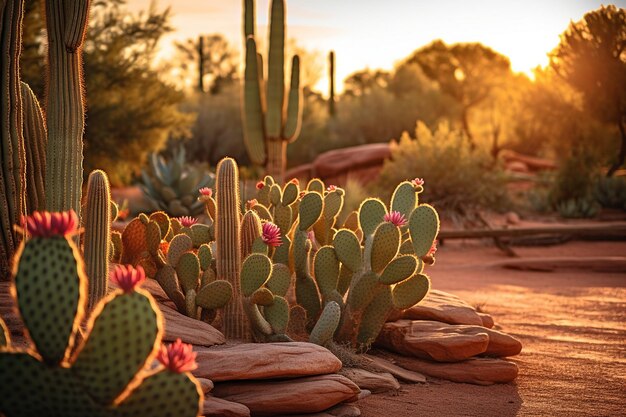
The magic of cactus packaging begins in the sun-scorched fields where these succulents grow with effortless grace. The leaves—plump with moisture and fibrous strength—are harvested, cleaned, and processed into a pulp that’s then molded into shapes as varied as the products they’ll protect. The resulting material is a marvel of bioengineering: sturdy enough to safeguard fragile goods during transit, yet pliable enough to cushion impacts without the need for synthetic foams or plastics. Once its duty is done, the package can be tossed onto a compost heap, where it will biodegrade in a matter of weeks, releasing nutrients back into the earth. This closed-loop lifecycle is the antithesis of the linear “take-make-waste” model that has long dominated consumer culture. Here, waste isn’t waste—it’s a resource, a cycle, a second chance.
Beyond the Greenwash: Why Cactus Packaging Stands Apart
Not all “eco-friendly” packaging is created equal. Many so-called sustainable solutions still rely on energy-intensive processes or require industrial composting facilities to break down. Cactus packaging, however, defies these limitations. It thrives in home composts, garden beds, or even the wild, decomposing without the need for specialized infrastructure. Its production is low-energy, requiring only the sun’s rays and the cactus’s natural resilience to thrive. Moreover, unlike bamboo or cornstarch-based alternatives, which often compete with food crops for arable land, cactus cultivation doesn’t encroach on vital agricultural resources. It flourishes in marginal lands, turning barren soil into productive green spaces while sequestering carbon in the process. This isn’t just packaging—it’s a regenerative force, a testament to nature’s ability to provide solutions when we dare to look beyond the obvious.
The Aesthetic of Sustainability: Designing Beauty from Thorns
Sustainability doesn’t have to be synonymous with stark, utilitarian designs. Cactus packaging proves that eco-conscious materials can be as visually striking as they are functional. The fibrous texture of cactus pulp lends itself to organic, tactile surfaces that invite touch—a far cry from the sterile, plastic sheen of conventional packaging. Designers are experimenting with dyes derived from natural sources, embedding seeds into the material to transform used packages into wildflowers or herbs, or even printing with edible inks that dissolve harmlessly. This fusion of form and function challenges the notion that sustainability must sacrifice aesthetics for ethics. Instead, it invites consumers to engage with packaging as an extension of the product itself—a piece of art that tells a story of regeneration.
Challenges and Criticisms: The Thorny Path to Mainstream Adoption
Of course, no revolution is without its obstacles. Critics argue that scaling cactus packaging to meet global demand could strain water resources in arid regions or disrupt local ecosystems if not managed responsibly. Others point to the energy costs of processing and transporting the material, questioning whether it’s truly as low-impact as proponents claim. Then there’s the matter of consumer perception: will shoppers, accustomed to the durability and convenience of plastic, embrace packaging that’s designed to decompose? The answer lies in education and innovation. As awareness grows, so too does the demand for alternatives. Brands that adopt cactus packaging aren’t just selling a product—they’re selling a philosophy, one that prioritizes the planet over profit margins. The challenges are real, but they’re not insurmountable. With each breakthrough, cactus packaging inches closer to becoming the gold standard in sustainable design.
A Call to Action: How You Can Join the Cactus Revolution
The power to reshape our packaging future isn’t confined to corporations or policymakers—it’s in the hands of every consumer. Start by seeking out brands that use cactus-based or other truly sustainable packaging. Support companies that prioritize transparency in their supply chains, and hold those that greenwash accountable. Compost your used cactus packages at home, or repurpose them as plant pots or seed starters. Advocate for policies that incentivize biodegradable materials and penalize plastic waste. And most importantly, spread the word. The cactus revolution won’t flourish in silence. It needs voices, stories, and a chorus of change-makers to echo its promise across industries and communities. This isn’t just about packaging—it’s about reimagining our relationship with consumption, waste, and the natural world. The cactus is ready. Are you?
FAQ
What is cactus-based zero-waste packaging?
It is packaging made from cactus pulp that is biodegradable, compostable, and designed to replace conventional plastic packaging to reduce environmental impact.
How does cactus packaging decompose?
Cactus packaging breaks down naturally in a matter of weeks through home composting or natural environments, leaving behind no harmful residues.
What are the environmental benefits of cactus packaging?
It reduces plastic pollution, requires minimal water and pesticides for cactus cultivation, and supports carbon sequestration without competing with food crops.
Are there any challenges to using cactus packaging widely?
Challenges include scaling production responsibly without stressing arid ecosystems, managing energy costs of processing, and consumer acceptance of biodegradable materials.
How can consumers support the cactus packaging movement?
By choosing brands using sustainable packaging, composting or repurposing cactus packages, advocating for supportive policies, and raising awareness.

Leave a Reply