
Short Answer
In the arid embrace of sun-scorched landscapes, where water whispers promises it rarely keeps, a quiet revolution blooms—not in the riotous hues of tropical gardens, but in the stoic resilience of cacti. These spiny sentinels, often dismissed as mere desert adornments, are the unsung architects of permaculture, weaving a tapestry of sustainability that defies the parched norms of conventional horticulture. To reimagine our gardens through the lens of these succulent survivors is to embark on a journey where scarcity births abundance, and every thorn becomes a teacher of thrift. Welcome to the world where cacti don’t just survive—they thrive, and in doing so, they redefine what it means to cultivate life in harmony with the earth’s most unforgiving climates.
The Cactus as a Living Parable of Resilience
To understand the role of cacti in permaculture is to first acknowledge their evolutionary masterclass in resourcefulness. These plants are not merely survivors; they are alchemists, transforming the harshest of conditions into lush, if unconventional, abundance. Their fleshy stems, swollen with water-storing parenchyma, are nature’s own cisterns, while their spines—often dismissed as mere defense mechanisms—are in fact ingenious adaptations to regulate temperature and reduce water loss. In a world where droughts are no longer anomalies but inevitabilities, cacti stand as living testaments to the power of adaptation. They teach us that resilience is not about brute force, but about elegance in efficiency, about turning limitations into strengths. When we plant a cactus in our permaculture design, we are not just adding a plant; we are inviting a philosophy of thrift into our garden’s ethos.
Water-Wise Gardening: Cacti as the Vanguard of Conservation
The most pressing challenge of our time is not the lack of land, but the scarcity of water. In this context, cacti emerge as the vanguard of a new horticultural paradigm—one where every drop is sacred, and every plant is a steward of moisture. Unlike thirsty ornamentals that guzzle from the earth like profligate heirs, cacti operate on a closed-loop system, their roots sipping from the soil’s shallow reserves while their waxy cuticles and sunken stomata minimize transpiration. In permaculture design, they become the linchpins of a water-harvesting ecosystem, their presence reducing the need for irrigation and their decaying biomass enriching the soil with organic matter. To integrate cacti into a garden is to declare water independence, to sculpt a landscape that gives more than it takes. It is a radical act of rebellion against the wasteful norms of traditional gardening, a quiet but potent statement that sustainability need not be barren.
Biodiversity Beneath the Spines: Cacti as Ecosystem Engineers
Beneath the prickly exterior of a cactus lies a bustling metropolis of life, a microcosm of biodiversity that often goes unnoticed. These plants are not solitary entities but keystone species, their presence shaping entire ecosystems. Their flowers, a riot of color in the monochrome desert, attract pollinators from bees to hummingbirds, while their fruits nourish creatures from insects to mammals. In permaculture, cacti become the architects of a food web, their spines offering refuge to beneficial insects and their shade cradling moisture-loving plants beneath them. Even their decaying bodies feed the soil, fostering a cycle of regeneration that enriches the earth. To plant a cactus is to cast a stone into a pond, the ripples of its influence spreading outward to create a garden that teems with life, not in spite of its aridity, but because of it.
Designing with Cacti: Aesthetics of the Arid
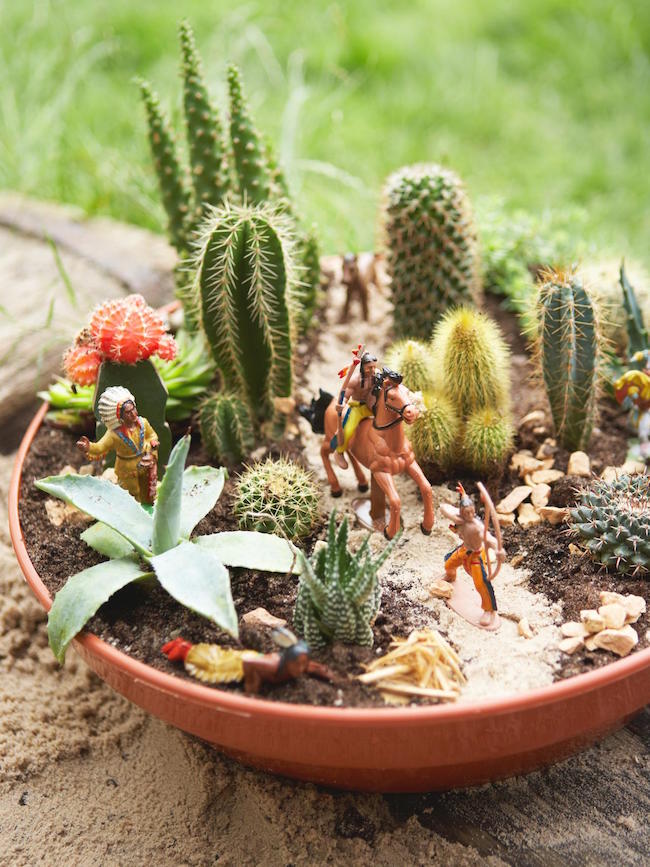
Permaculture is not merely a science; it is an art, and cacti are its most evocative brushstrokes. Far from the clichéd image of a barren wasteland, a garden designed with cacti can be a masterpiece of texture, form, and color. The saguaro’s towering arms, the barrel cactus’s geometric perfection, the prickly pear’s sprawling pads—each species offers a unique silhouette to play with. When paired with complementary plants like agaves, yuccas, or drought-tolerant grasses, they create a tapestry of contrasts that is both striking and harmonious. The key lies in embracing the aesthetic of the arid, where starkness becomes beauty, and simplicity is the ultimate sophistication. In this way, cacti challenge our conventional notions of garden beauty, inviting us to see the allure in the unconventional, the poetry in the prickly.
Cultural and Culinary Connections: Cacti as Living Heritage
Beyond their ecological roles, cacti are woven into the cultural and culinary fabric of societies that have thrived in arid climates for millennia. The nopales of Mexico, the tunas of the Andes, the fruits of the dragon cactus—these are not just ingredients, but symbols of resilience and ingenuity. In permaculture, integrating edible cacti into the garden is a way to honor this heritage while forging a path toward food sovereignty. Imagine a garden where the humble prickly pear provides both shade and sustenance, where the pads of the cholla can be harvested for their tender shoots. This is not just gardening; it is a reclamation of tradition, a way to feed the body and the soul with the gifts of the earth. It is a reminder that sustainability is not just about survival, but about celebration—of culture, of community, and of the land.
The Future of Gardening: Cacti as the New Green Revolution
As climate change reshapes our world, the gardens of the future will not resemble those of the past. They will be leaner, meaner, and more adaptive—gardens that thrive on scarcity, that turn challenges into opportunities. In this new era, cacti are not just plants; they are harbingers of a green revolution, one that prioritizes resilience over ornamentation, function over frivolity. They challenge us to rethink our relationship with the land, to see beauty in the unexpected, and to embrace a gardening ethos that is as much about conservation as it is about cultivation. The cactus garden is not a retreat from the world’s harsh realities; it is a confrontation with them, a declaration that life can flourish even in the most inhospitable of places. It is, in every sense, a garden of the future.
FAQ
What makes cacti suitable for permaculture?
Their ability to store water, reduce soil erosion, and provide habitat for wildlife makes cacti a sustainable choice in permaculture.
How can cacti reduce water usage in gardens?
Cacti require minimal irrigation due to their water storage tissues and adaptations that minimize water loss.
Are there any edible cacti that can be grown in permaculture gardens?
Yes, prickly pear and other edible species can be incorporated for food production.
How do cacti contribute to garden biodiversity?
They attract pollinators and provide shelter and food for various desert-adapted species.



Leave a Reply