

Short Answer
What if the rarest cactus in your collection wasn’t just a botanical marvel, but a silent plea for survival? Ariocarpus, with their sculptural forms and elusive blooms, are more than just desert jewels—they’re living relics of a fragile ecosystem. Yet, their allure often collides with conservation crises, leaving enthusiasts in a moral quandary: how do we nurture these plants without suffocating their future? The answer lies not in possession, but in participation—ethical collecting and growth that honors their existence. Let’s dig into the roots of responsible stewardship.
The Ethical Dilemma: Why Ariocarpus Demand More Than Passion
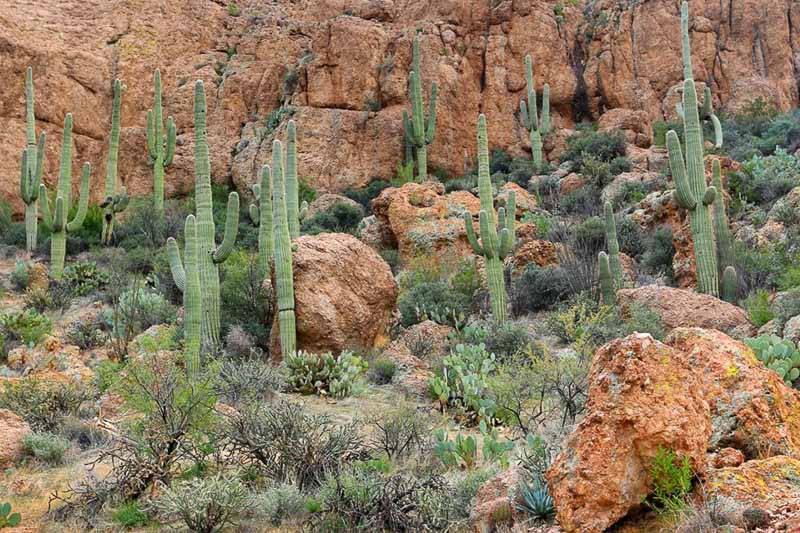
Ariocarpus aren’t your average houseplants. These slow-growing, centuries-old survivors thrive in the harshest corners of Mexico and Texas, where rainfall is a rumor and sunlight is a relentless tyrant. Their rarity isn’t accidental—it’s a testament to their resilience, but also a red flag. Over-collecting from the wild has pushed species like Ariocarpus kotschoubeyanus to the brink, with some populations dwindling to a handful of individuals. The irony? Their desirability as collector’s items fuels the very extinction they’re fighting against.
Consider this: a single mature Ariocarpus can take decades to reach its full, sculptural glory. Yet, poachers can strip a habitat bare in a single night, leaving behind a wasteland where these ancient survivors once stood. The challenge isn’t just about legality—it’s about legacy. How do we reconcile our love for these plants with the ethical imperative to protect them? The first step is recognizing that conservation isn’t a passive act; it’s an active rebellion against ecological erasure.
From Wild to Window Sill: The Art of Ethical Acquisition
So, you’ve fallen for Ariocarpus. Your heart races at the sight of their geometric ribs and jewel-toned flowers. But before you click “add to cart,” pause. Ethical collecting begins with a single question: Where did this plant come from? The gold standard? Nursery-grown specimens. These plants, propagated from seed or offsets, carry no baggage of habitat destruction. They’re the botanical equivalent of adopting, not shoplifting.
But what if you’re drawn to wild-collected plants? Here’s the hard truth: unless you can trace their origin to a reputable, sustainable source (think CITES-certified growers), walk away. Wild-collected Ariocarpus often arrive with a hidden cost—depleted ecosystems, disrupted pollinators, and a trail of tears for local communities who’ve watched their landscapes bled dry. Instead, seek out growers who prioritize ethical propagation. Many cactus enthusiasts now cultivate Ariocarpus from seed, a painstaking process that ensures genetic diversity and reduces pressure on wild populations.
And here’s a pro tip: ask questions. A seller who dodges inquiries about a plant’s provenance is waving a red flag. Ethical dealers will proudly share their propagation methods, conservation efforts, and even the names of the botanists who helped them get started. If they can’t, they’re part of the problem.
Cultivation as Conservation: Growing Ariocarpus with Purpose
Owning an Ariocarpus isn’t just about display—it’s about partnership. These plants thrive when their growers embrace their natural rhythms. Start with the soil: a gritty, fast-draining mix mimics their rocky habitats, preventing root rot in the humid confines of a terrarium. Pair this with minimal watering—think of it as a spa day, not a flood—and bright, indirect light. Ariocarpus aren’t sun-worshippers; they’re sun-dodgers, preferring the dappled shade of desert shrubs.
The real magic happens in propagation. Ariocarpus are notoriously slow to reproduce, but when they do, it’s a gift. Offset division is the safest method, though it requires patience. Seed propagation is slower still, but it’s the most ethical way to expand your collection without tapping into wild resources. And here’s where the rebellion begins: by growing Ariocarpus from seed, you’re not just a collector—you’re a conservationist, a guardian of genetic diversity, and a thorn in the side of poachers.
Don’t forget the power of sharing. Trade cuttings or seeds with other ethical growers. Join cactus societies or online forums where enthusiasts swap knowledge—and plants—like contraband. The more Ariocarpus circulate in cultivation, the less pressure there is on wild populations. It’s a quiet revolution, one rooted pot at a time.
Beyond the Pot: Advocacy and Community in Ariocarpus Conservation
Ethical collecting and cultivation are just the beginning. True stewardship demands action beyond your windowsill. Support organizations that fight for habitat protection, like the International Union for Conservation of Nature (IUCN) or local botanical gardens that preserve endangered species. Volunteer your time or donate to seed banks that safeguard Ariocarpus genetics. Every dollar spent on conservation is a brick in the wall against extinction.
Spread the word. Ariocarpus conservation isn’t a niche interest—it’s a global imperative. Educate fellow enthusiasts about the ethics of collecting. Challenge the narrative that wild plants are “better” simply because they’re harder to find. And when you see a poached Ariocarpus for sale online, report it. The internet’s black market for endangered plants thrives on silence; your voice can be the chink in its armor.
Finally, celebrate the plants you grow. Share their stories—their slow growth, their resilience, their quiet defiance of a world that wants to exploit them. By doing so, you’re not just preserving a species; you’re preserving a piece of the desert’s soul. And that’s a legacy worth fighting for.
FAQ
How do I care for Ariocarpus?
Provide a gritty, fast-draining soil mix and water sparingly, ensuring bright, indirect light conditions.
What are the threats to Ariocarpus?
Main threats include habitat destruction due to over-collecting and environmental changes affecting their natural habitats.



Leave a Reply