
Short Answer
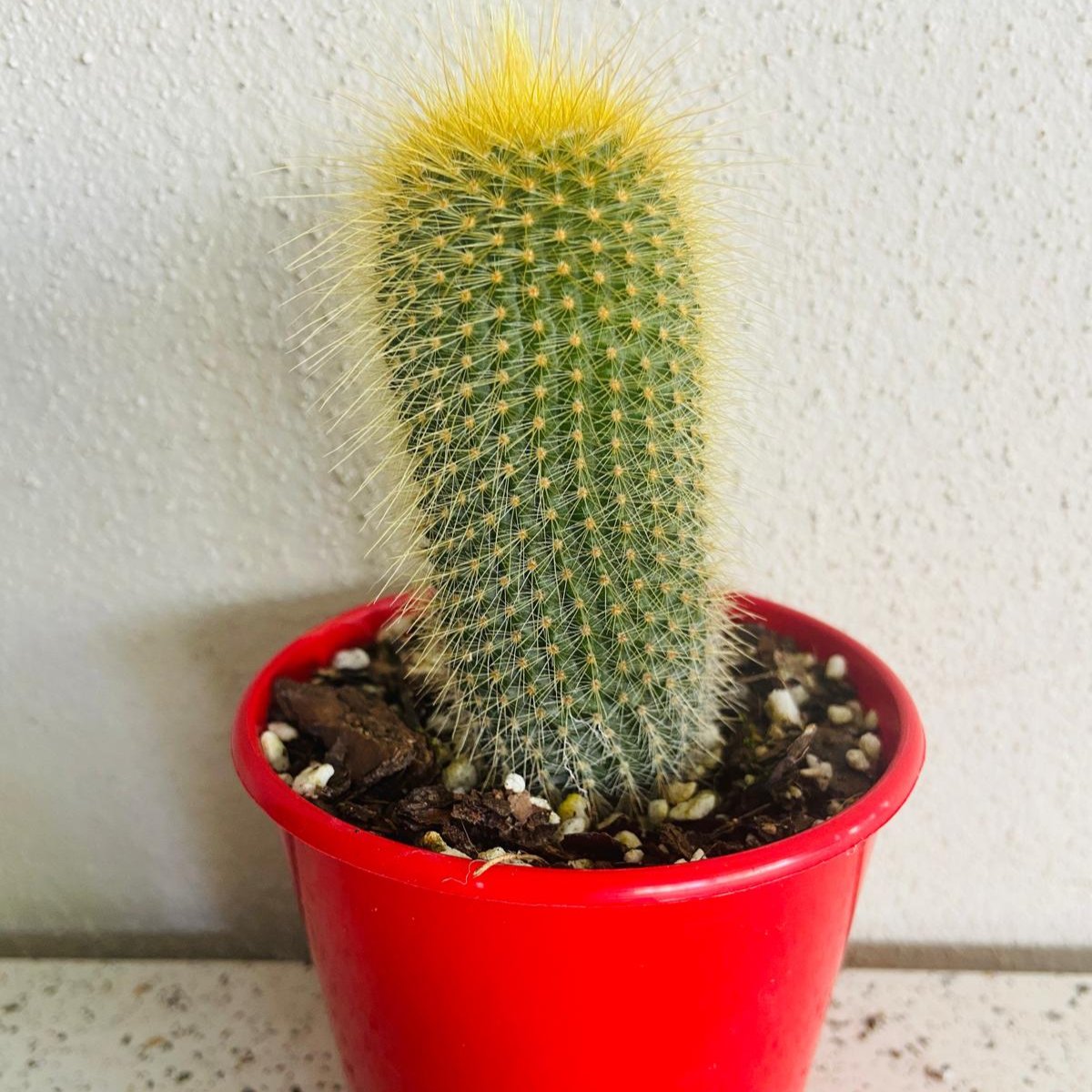
What if I told you that the prickly, sun-loving cactus—often relegated to decorative pots or forgotten windowsills—could be the unsung hero of sustainable construction? Beyond its role in tequila production and desert aesthetics, this resilient succulent is quietly revolutionizing the way we build. Imagine walls that breathe, roofs that cool themselves, and insulation that requires no synthetic foams. Welcome to the world of cactaceous construction, where the humble cactus steps into the spotlight as a cornerstone of green architecture.
The Cactus as a Material Marvel: More Than Just a Prickly Companion
At first glance, the idea of a cactus in construction seems absurd. After all, we’re more accustomed to seeing them in arid landscapes or as potted novelties. But delve deeper, and you’ll discover that the cactus is a biomimetic powerhouse. Its structure—thick, fleshy stems, waxy coatings, and intricate vascular systems—has evolved over millennia to thrive in harsh conditions. These very traits are now being harnessed to create building materials that are not only eco-friendly but also remarkably efficient.
Take, for instance, the cactus fiber composite. Derived from the plant’s fibrous tissues, this material is being experimented with as a lightweight, biodegradable alternative to traditional insulation. Unlike fiberglass or polystyrene, which leach microplastics and off-gas volatile organic compounds (VOCs), cactus-based composites are non-toxic, renewable, and require minimal energy to produce. Researchers have found that the fibrous structure of the cactus can trap air pockets, mimicking the insulation properties of down feathers—without the ethical concerns of animal-derived materials.
From Desert to Dwelling: The Rise of Cactus-Based Bricks and Panels
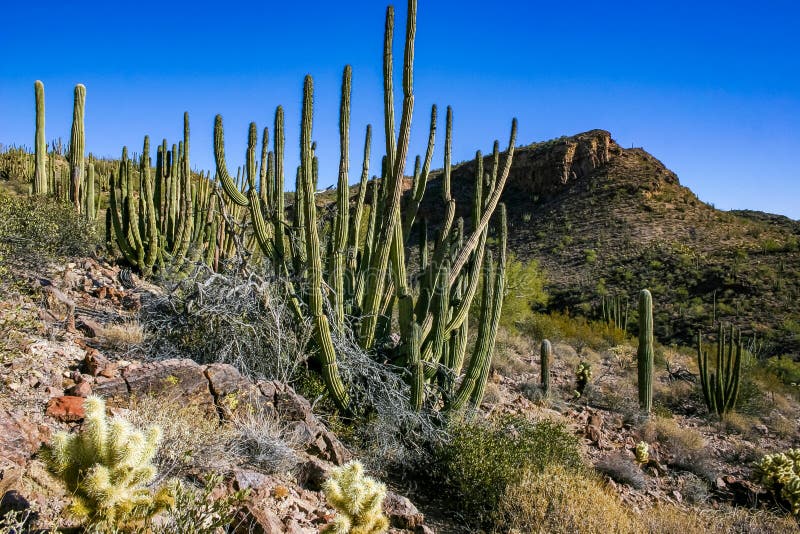
But what about the structural integrity? Can a cactus really hold up a wall? The answer lies in cactus-based biopolymers—a game-changing innovation where the plant’s natural resins are extracted and combined with other organic binders to form sturdy, load-bearing materials. These biopolymers, when molded into bricks or panels, exhibit impressive compressive strength and thermal resistance. In regions like the Sonoran Desert, where cacti are ubiquitous, local builders are already experimenting with cactuscrete—a blend of cactus sap, clay, and sand—to create walls that regulate temperature naturally.
The magic doesn’t stop there. Cactus-based materials are also proving to be self-healing to some extent. The plant’s ability to retain moisture and repair its own tissues has inspired scientists to develop bio-concrete infused with cactus extracts. When cracks form, the material can slowly release moisture, triggering a reaction that fills the gaps with mineral deposits. It’s as if the building itself is breathing, adapting, and repairing—just like the cactus in the wild.
The Water-Wise Wonder: Cactus as a Climate-Responsive Material
Here’s a thought-provoking challenge: What if your building could sweat? Not metaphorically, but literally? Cacti are masters of transpirational cooling, a process where they release water vapor to dissipate heat. This principle is now being applied to evaporative cooling panels made from cactus-derived hydrogels. These panels, when integrated into facades or roofs, can lower indoor temperatures by up to 10°C without relying on energy-intensive air conditioning. In an era where heatwaves are becoming the norm, this could be a game-changer for urban dwellings.
But the water efficiency of cactus materials extends beyond cooling. The plant’s ability to thrive on minimal water makes it an ideal candidate for drought-resistant construction. Cactus-based plasters and renders, for example, require far less water during application compared to cement-based alternatives. They also improve indoor air quality by absorbing excess humidity, reducing the risk of mold—a silent yet pervasive threat in modern homes.
Challenges and Critiques: Can the Cactus Really Save Construction?
Of course, no innovation is without its hurdles. The primary challenge lies in scalability. While cactus materials show immense promise in lab settings, mass-producing them at an industrial scale is still a work in progress. The extraction of cactus sap, for instance, must be done sustainably to avoid depleting local ecosystems. Additionally, the durability of these materials over decades—especially in regions with extreme weather—remains an open question. Will cactuscrete walls stand the test of time, or will they crumble under the weight of relentless monsoons?
There’s also the matter of cultural perception. In many parts of the world, cacti are seen as lowly, even invasive, plants. Convincing builders and homeowners to embrace them as a premium construction material will require a shift in mindset. Education and advocacy will be key. Imagine a future where cactus farms double as construction material hubs, where every homeowner proudly displays a cactus-inspired facade, and where the phrase “built like a cactus” becomes a compliment rather than a joke.
The Future of Cactus Construction: A Greener, Wilder World
So, where do we go from here? The potential is staggering. Picture entire neighborhoods where buildings are clad in cactus leather panels—a durable, vegan alternative to traditional leather—used for flooring or furniture. Envision cactus-based 3D-printed homes, where the material is extruded layer by layer, forming intricate, organic structures that mimic the cactus’s own growth patterns. The possibilities are as boundless as the desert sky.
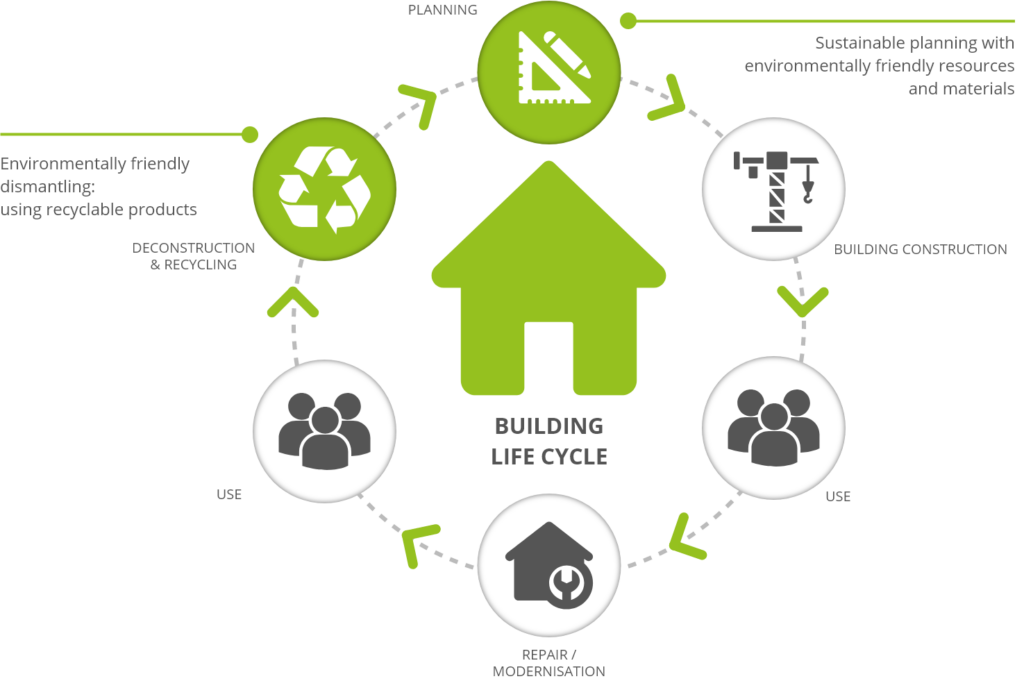
Yet, the true beauty of cactus construction lies in its circularity. Unlike concrete, which takes centuries to decompose, or steel, which rusts and weakens, cactus-based materials can be composted at the end of their life cycle. They return to the earth, nourishing the soil that once nurtured the cactus itself. It’s a closed loop of sustainability, where waste is not an endpoint but a beginning.
The cactus, it seems, is not just a plant. It’s a philosophy—a reminder that nature has already solved many of the problems we’re grappling with today. All we need to do is listen. And perhaps, just perhaps, start planting a few more of these prickly wonders in our backyards—not just for their beauty, but for their boundless potential to reshape the world we build.
FAQ
What is cactuscrete?
Cactuscrete is a blend of cactus sap, clay, and sand used to create walls that naturally regulate temperature.
How does cactus contribute to sustainable construction?
Cactus materials are biodegradable, require less water for application, and can improve indoor air quality.
What are the challenges of using cactus in construction?
Challenges include scalability, sustainability in harvesting, and cultural perceptions of cacti.
FAQ
What are cactus-based building materials?
Cactus-based building materials are innovative construction products derived from the cactus plant, utilized for insulation, bricks, and panels, leveraging the plant’s natural properties for eco-friendly construction.
How do cactus materials contribute to sustainability?
Cactus materials are sustainable due to their biodegradability, low energy requirements for production, and ability to improve indoor air quality while reducing environmental impact.
What challenges do cactus-based materials face in construction?
Challenges include scalability for mass production, ensuring sustainable extraction practices, and overcoming cultural perceptions of cactus as a construction material.
FAQ
What are cactus-based materials used for in construction?
Cactus-based materials can be used for insulation, bricks, panels, and even climate-responsive elements like evaporative cooling systems.
Are cactus materials eco-friendly?
Yes, cactus materials are renewable, biodegradable, and require minimal energy to produce, making them a sustainable alternative to traditional building materials.
FAQ
What are cactus-based materials?
Cactus-based materials are innovative construction materials derived from cacti, utilizing their fibrous structures and natural resins for insulation, bricks, and panels.
How do cactus materials contribute to sustainability?
Cactus materials are eco-friendly, biodegradable, and require minimal water and energy for production, making them sustainable alternatives to traditional construction materials.

Leave a Reply