
Short Answer
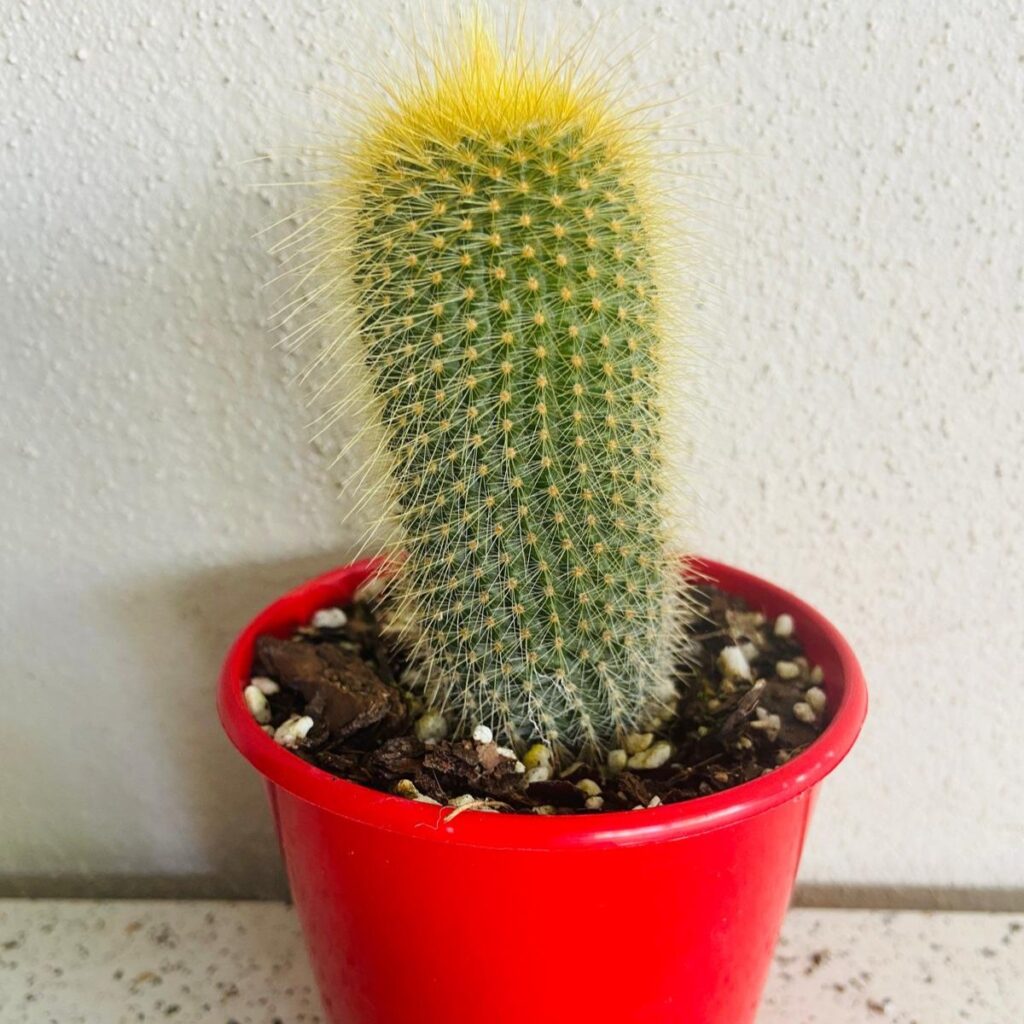
Beneath the arid skies of South America’s highlands, where the sun bleaches the earth into a golden crust, a silent war rages—not for oil, not for gold, but for something far more delicate: the Parodia cactus. These spherical botanical marvels, often no larger than a child’s fist, have become the darlings of both conservationists and criminals. Their allure is undeniable: vibrant, ribbed, and crowned with flowers that burst like confetti in the dry air. Yet, this beauty has birthed a shadow economy, one where poachers tread softly, governments scramble, and ecosystems hemorrhage. Welcome to the clandestine world of Parodia poaching, where every thorned stem represents a stolen future.
The Allure of the Golden Ball: Why Parodia Cacti Are Coveted
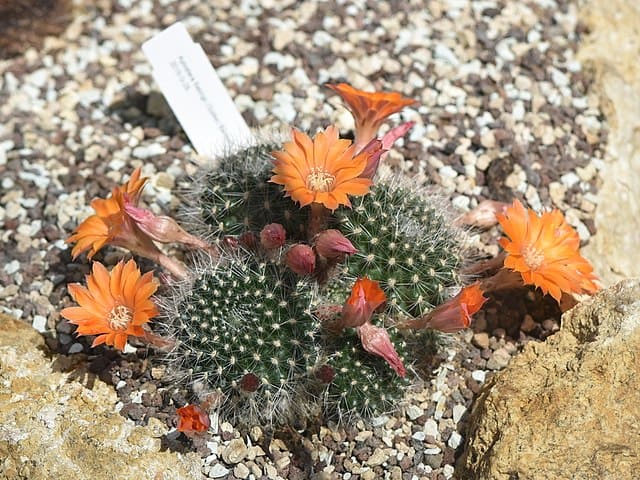
Imagine a plant so captivating that it could stop a hardened botanist in their tracks. The Parodia genus, native to the rocky outcrops of Argentina, Bolivia, and Brazil, boasts species like the *Parodia magnifica* with its electric blue-green ribs or the *Parodia haselbergii*, whose scarlet blooms ignite the landscape like embers. Their compact forms make them perfect for windowsills, terrariums, and urban jungles, while their slow growth ensures they remain a prized possession for decades. But it’s not just their aesthetics that ensnare collectors—it’s their rarity. Many Parodia species exist in fragmented populations, clinging to existence on isolated cliffs or within protected microclimates. This scarcity, coupled with their photogenic charm, has turned them into the “blue diamonds” of the plant world. A single mature specimen can fetch hundreds, even thousands, on the black market, fueling a trade that thrives in the cracks of global regulation.
The Poacher’s Playbook: How the Illicit Trade Operates
The mechanics of Parodia poaching are as intricate as they are insidious. Unlike the dramatic heists of ivory or rhino horn, cactus theft is often a solitary affair, conducted by individuals who know the terrain like the backs of their hands. Poachers target wild populations during the dry season, when the plants are dormant and less likely to wilt during transport. Armed with trowels, mesh bags, and a keen eye, they uproot specimens with surgical precision, leaving behind a trail of disturbed soil and broken stems. Some employ decoy tactics, luring unsuspecting hikers away from prime cactus patches while their accomplices work undetected. Once harvested, the cacti are smuggled across borders in suitcases, under car seats, or even disguised as ornamental shipments. The journey from mountain to marketplace can take weeks, with plants wrapped in damp cloth to survive the dehydration. By the time they reach their destination, many are barely recognizable—wilted husks of their former selves, yet still valuable enough to command exorbitant prices.
The Human Cost: Exploitation in the Cactus Trade
Behind every poached Parodia is a human story, often one of desperation. In rural communities bordering cactus-rich regions, poverty and lack of alternative livelihoods create a perfect storm for exploitation. Indigenous groups, who have stewarded these plants for generations, now find themselves pitted against poachers who offer quick cash for stolen treasures. Children as young as twelve are sometimes pressed into service, their small hands adept at spotting the most camouflaged specimens. The trade also preys on the dreams of urban collectors, who unknowingly fund criminal networks by purchasing plants with no verifiable origin. Meanwhile, the poachers themselves are often caught in a cycle of debt, borrowing money from middlemen to finance their next expedition, only to be left with pennies when the plants fail to sell. This human toll is a stark reminder that environmental crime is never just about the environment—it’s about the people who are crushed beneath its weight.
Ecological Ripples: The Hidden Damage of Cactus Poaching
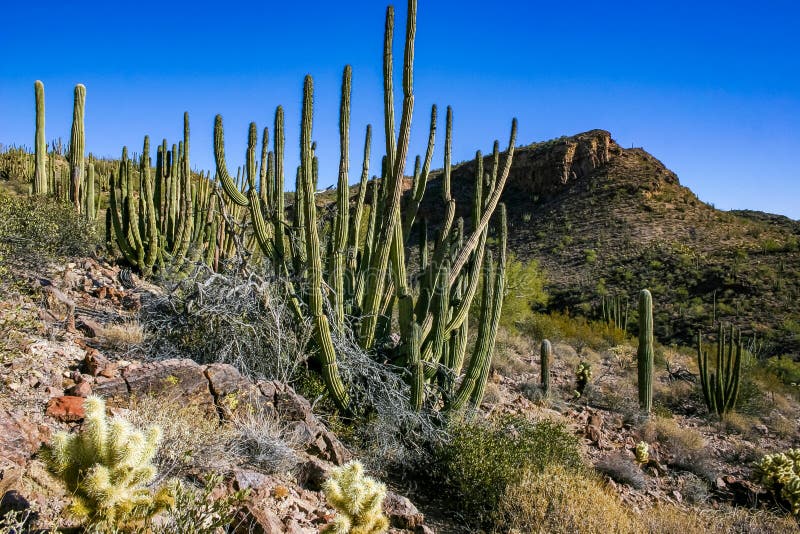
To understand the ecological devastation wrought by Parodia poaching, one must zoom out from the individual plant to the ecosystem it inhabits. These cacti are keystone species, providing microhabitats for insects, lizards, and even small mammals. Their roots stabilize fragile soils, preventing erosion in landscapes already battered by climate change. When poachers strip a hillside of its Parodia population, they don’t just remove a few plants—they unravel an entire web of life. The loss of these cacti can trigger a domino effect: pollinators decline, soil degrades, and invasive species move in to fill the void. In some regions, entire mountain slopes have been denuded, leaving behind a lunar-like terrain where once there was vibrant biodiversity. The irony? Many of these cacti are slow to reproduce in the wild, meaning that once they’re gone, they’re gone for good. Conservationists warn that without intervention, entire species could blink out of existence within a generation.
The Global Marketplace: Where Demand Fuels the Fire
The demand for Parodia cacti is a hydra-headed beast, with tentacles stretching from dusty villages in South America to gleaming urban greenhouses in Europe and North America. Online marketplaces, social media platforms, and even auction houses have become veritable goldmines for poachers and dealers alike. Platforms like eBay, Etsy, and Facebook Marketplace host thousands of listings for Parodia species, often with vague descriptors like “rare imported specimen” or “wild-collected.” Some sellers go so far as to forge documentation, claiming their plants were propagated in captivity when they were, in fact, plucked from the wild. The rise of cryptocurrency has further obscured transactions, with payments made in untraceable digital currencies. Even legitimate nurseries can inadvertently fuel the trade by sourcing from unethical suppliers. The result? A global marketplace where the line between conservation and commodification has blurred beyond recognition.
Legal Loopholes and the Battle for Enforcement
If the illegal trade of Parodia cacti were a country, it would be a rogue state—one that operates with impunity, exploiting gaps in international law. The Convention on International Trade in Endangered Species of Wild Fauna and Flora (CITES) lists some Parodia species under Appendix II, requiring permits for trade, but enforcement is patchy at best. Many countries lack the resources or political will to crack down on cactus smuggling, and even when seizures occur, penalties are often laughably lenient. In one notorious case, a poacher in Argentina was fined just $500 for stealing hundreds of cacti, a fraction of their black-market value. Meanwhile, customs officials are often ill-equipped to identify protected species, mistaking poached plants for legal stock. Some nations have taken bold steps—Bolivia, for instance, has established specialized anti-poaching units—but the battle is uphill. The reality is that without global cooperation and stricter penalties, the trade will continue to thrive in the shadows.
Hope in the Desert: Conservation Efforts and Ethical Alternatives
Yet, where there is exploitation, there is also resistance. Conservationists are fighting back with a mix of science, education, and community engagement. Projects like *Proyecto Espeletia* in Argentina are working to propagate Parodia species in nurseries, providing a legal alternative to wild-harvested plants. These efforts not only reduce poaching pressure but also create sustainable livelihoods for local communities. Meanwhile, social media campaigns are raising awareness about the ethical sourcing of cacti, encouraging collectors to demand documentation and transparency. Some botanical gardens have even launched “adopt-a-cactus” programs, where donors fund the protection of wild populations in exchange for updates on their adopted plant. These initiatives prove that change is possible—but it requires a shift in mindset. Consumers must ask themselves: Is the thrill of owning a rare plant worth the destruction of an ecosystem? The answer, increasingly, is a resounding no.
The Future of the Parodia: Can We Save These Spiky Survivors?
The fate of the Parodia genus hangs in the balance, teetering between extinction and redemption. The next decade will determine whether these cacti remain wild denizens of the Andes or become relics of a bygone era, preserved only in photographs and private collections. The path forward demands a multifaceted approach: stricter enforcement of existing laws, public education campaigns, and investment in sustainable propagation. It also requires a cultural reckoning—one that challenges the notion that owning a piece of nature is a right, rather than a privilege. For those who have fallen under the spell of the Parodia, the choice is clear: Will we be part of the problem, or part of the solution? The answer lies not in the soil beneath our feet, but in the choices we make today. The golden balls of the cactus world are not trophies to be hoarded. They are living beings, deserving of a future as vibrant as their blooms.
FAQ
What is Parodia poaching?
Parodia poaching refers to the illegal collection and trade of Parodia cacti, often driven by their rarity and aesthetic appeal.
What are the ecological impacts of cactus poaching?
Cactus poaching can lead to significant ecological damage, including loss of biodiversity, soil erosion, and disruption of local ecosystems.
How can consumers help in cactus conservation?
Consumers can help by purchasing cacti from ethical sources and supporting conservation initiatives that protect wild populations.


Leave a Reply