
Short Answer
Ever found yourself staring at a cluster of Gymnocalycium seeds, willing them to sprout with the sheer force of your gardening enthusiasm? You’re not alone. These little botanical rebels, with their vibrant hues and geometric perfection, often seem to play a high-stakes game of “will they or won’t they?” with germination. But what if I told you that cracking the code to faster Gymnocalycium seed germination isn’t about magic—it’s about strategy? Let’s dive into the art and science of coaxing these prickly darlings into life, faster and with fewer headaches.
The Seed’s Secret Life: Understanding Gymnocalycium’s Germination Quirks
Gymnocalycium, a genus of South American cacti, is a study in contrasts—delicate seeds harboring the potential for rugged, drought-resistant plants. Their germination process is a delicate ballet, influenced by factors like temperature, moisture, and light. Unlike some of their more forgiving cactus cousins, Gymnocalycium seeds often require a nudge, a whisper of encouragement to break dormancy. The key lies in mimicking their natural habitat: cool, moist, and just slightly stressful conditions. Think of it as recreating a high-altitude Andean spring—where the air is thin, the nights are chilly, and the days are bathed in golden light. Without this mimicry, your seeds might languish in a vegetative limbo, stubbornly refusing to awaken.
Stratification: The Chill Factor That Breaks Dormancy
Here’s where things get interesting. Gymnocalycium seeds, like many alpine and desert plants, benefit from a period of cold stratification. This isn’t just a fancy term for “putting seeds in the fridge”—it’s a biological hack. By exposing seeds to a period of cold (typically 4–8 weeks at around 4°C or 39°F), you’re tricking them into thinking winter has passed. The cold softens their tough outer shells and signals that it’s time to grow. Skip this step, and you might find your seeds snoozing for months, or worse, rotting in overly damp soil. The trick? Use a damp paper towel or a mix of sand and peat in a sealed bag, then tuck it into the vegetable crisper of your fridge. Patience is your ally here—rushing the process could backfire spectacularly.
Light: The Delicate Dance of Shadows and Sunbeams
Now, let’s talk about light—or rather, the lack of it. Gymnocalycium seeds are photoblastic, meaning they germinate best in the absence of direct light. This is a survival tactic; in their natural habitat, seeds often nestle into crevices where sunlight is a rare visitor. If you’re tempted to place your seed tray under a grow light immediately, resist the urge. Instead, cover your container with a thin layer of fine sand or vermiculite to diffuse any light that might sneak in. Once the first signs of life appear—those tiny, eager sprouts—gradually introduce them to gentle, indirect light. Direct sunlight too soon can scorch tender seedlings, turning your green dreams into crispy casualties.
Moisture: The Goldilocks Principle of Seed Germination
Moisture is the lifeblood of germination, but like Goldilocks’ porridge, it must be *just right*. Too little, and your seeds remain dormant, waiting for a drink that never comes. Too much, and you’re hosting a fungal rave in your soil. The solution? A fine misting bottle for initial watering, followed by a humidity dome or a lightly covered tray to retain moisture without drowning the seeds. Bottom watering—placing the tray in a shallow dish of water—can also work wonders, allowing the soil to absorb moisture from below while keeping the surface dry enough to prevent mold. Remember, Gymnocalycium seeds are not fans of soggy feet; they prefer a moist but airy environment, like a dewy morning in the Andes.
Temperature: The Thermostat Tango
Temperature isn’t just a number on a dial—it’s a conductor orchestrating the symphony of germination. For Gymnocalycium, the sweet spot hovers between 20°C and 25°C (68°F and 77°F) during the day, with a slight drop at night. This fluctuation mimics the natural temperature shifts of their native habitats, where days are warm and nights are cool. A heat mat can be a game-changer, especially in cooler climates, but avoid placing it directly under the seeds—gentle, even warmth is the goal. If you’re growing indoors, a sunny windowsill can provide the necessary warmth, but beware of drafts or sudden temperature drops, which can send your seeds into shock. Consistency is key; think of it as creating a cozy, climate-controlled nursery for your future cactus family.
Soil: The Foundation of Future Glory
Not all soils are created equal, and Gymnocalycium seeds are particularly picky about their bedding. A well-draining, mineral-rich mix is non-negotiable. Forget heavy, water-retentive soils; these seeds need a breathable environment where excess moisture can escape. A blend of coarse sand, perlite, and a smattering of organic matter (like coconut coir or fine peat) strikes the perfect balance. Sterilizing your soil mix before use can also prevent unwelcome guests like fungi or bacteria from crashing the germination party. Think of it as laying down a red carpet for your seeds—luxurious, supportive, and free of obstacles.
Patience and Persistence: The Gardener’s Virtues
Even with the best-laid plans, Gymnocalycium seeds can be infuriatingly slow. Some may sprout in a few weeks; others might take months. The temptation to dig them up and check for progress is real, but resist it. Each disturbance is a setback, a tiny trauma that delays their awakening. Instead, mark your calendar, take photos, and trust the process. Keep a journal of your efforts—note the dates, temperatures, and moisture levels. Over time, you’ll start to see patterns, learning exactly what your seeds need to thrive. And when those first green specks emerge, you’ll know it was worth every moment of waiting.
Troubleshooting: When Germination Goes Off the Rails
Of course, not every attempt will be a success. If your seeds are taking their sweet time, revisit the basics: temperature, moisture, and light. Are they too cold? Too wet? Too exposed? If you spot mold, reduce humidity and increase airflow. If the soil is bone-dry, give them a gentle drink. And if nothing happens after months, consider trying a fresh batch of seeds—sometimes, old or improperly stored seeds simply won’t germinate. But don’t despair. Every failed attempt is a lesson, a step closer to mastering the art of Gymnocalycium cultivation. Even the most seasoned cactus enthusiasts have their off days.
The Reward: A Garden of Prickly Perfection
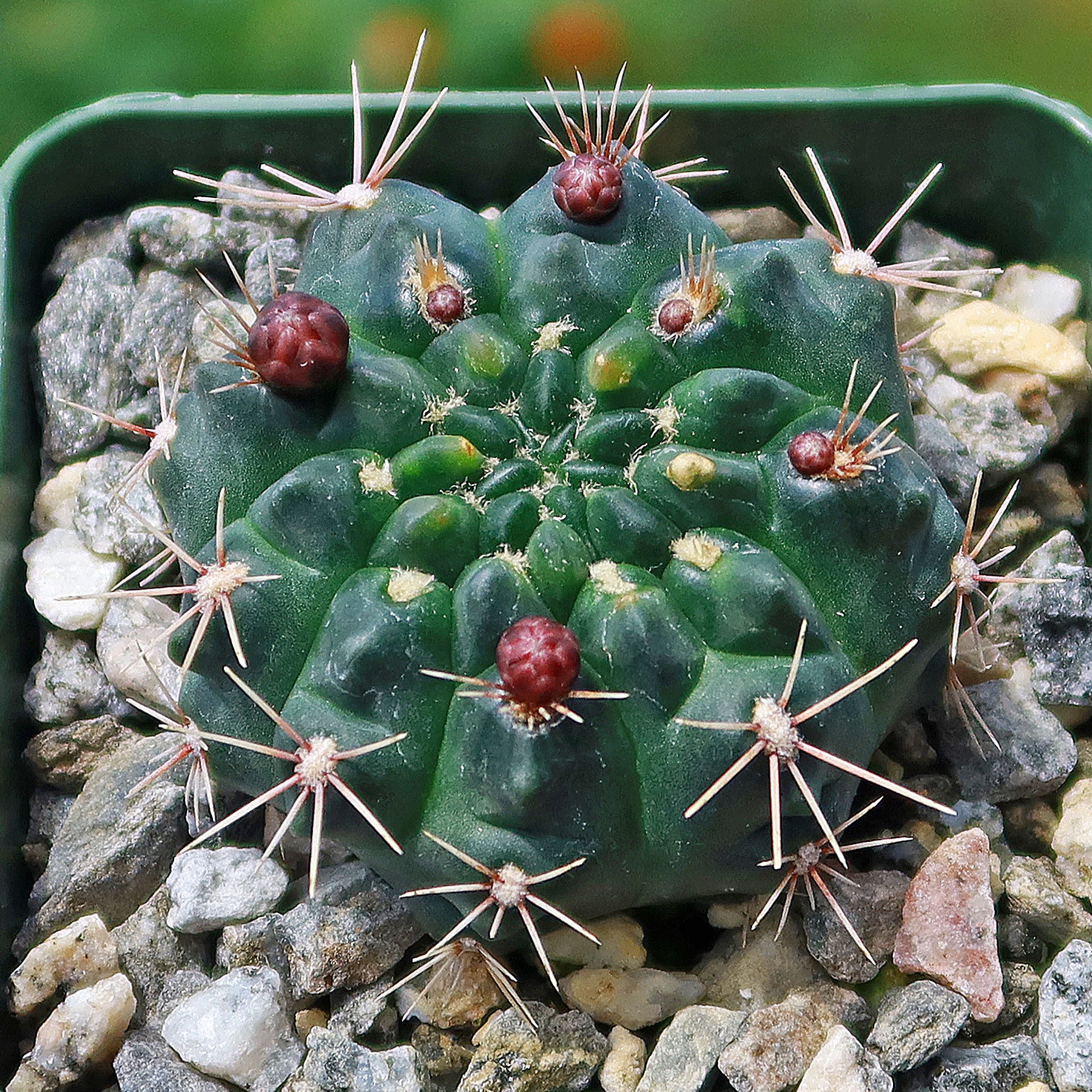
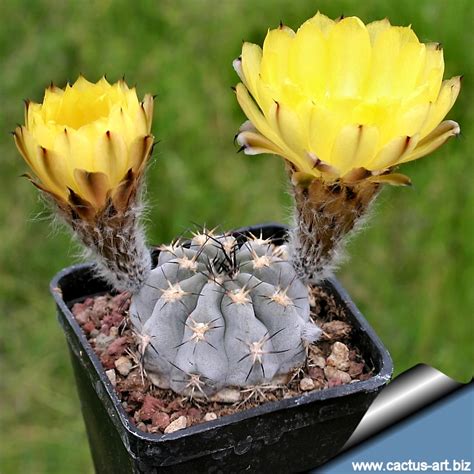
When your Gymnocalycium seeds finally break ground, it’s nothing short of magical. Those tiny, round seedlings, with their soft spines and vibrant colors, are a testament to your perseverance. Over time, they’ll grow into the striking, sculptural plants that first captured your heart. And with each new batch of seeds you coax into life, you’ll refine your technique, becoming a true maestro of germination. So the next time you hold a cluster of Gymnocalycium seeds in your palm, remember: you’re not just planting seeds. You’re nurturing resilience, patience, and a little piece of the Andes in your own home.
FAQ
What is the ideal temperature for germinating Gymnocalycium seeds?
The ideal temperature is between 20°C and 25°C (68°F and 77°F).
How long should Gymnocalycium seeds be stratified?
They should be stratified for 4 to 8 weeks.
What type of soil is best for Gymnocalycium seed germination?
A well-draining, mineral-rich soil mix is best.
Leave a Reply