
Short Answer
Your Christmas cactus, that vibrant harbinger of holiday cheer, might be harboring uninvited guests—tiny, stealthy squatters that feast under cover of darkness. These aren’t the kind of pests that scurry across the soil when you turn on the light; they’re the kind that burrow into crevices, cloak themselves in mealy white armor, or even hijack the plant’s own sap like microscopic vampires. The worst part? By the time you notice them, the damage is often irreversible. But what if you could spot these hidden infestations before they take root? What if you could peer into the unseen world of cactus pests and reclaim your plant’s health before it’s too late?
The Silent Saboteurs: Why Hidden Pests Are the Ultimate Plant Villains
Most cactus enthusiasts know the usual suspects: aphids, spider mites, scale insects. But these are the pests that announce their presence with visible damage—yellowing leaves, webbing, or sticky residue. The real threat lies in the pests that operate in the shadows. Mealybugs, for instance, don’t just settle on the surface; they tuck themselves into the nooks between spines or beneath the soil line, where they can multiply undetected. Root-knot nematodes, microscopic roundworms, invade the roots, causing stunted growth and wilting that mimics underwatering. Even thrips, those slender, fast-moving insects, can hide in the tight spaces where new growth emerges, sapping the plant’s vitality before you realize it’s happening.
The danger of these hidden pests isn’t just physical damage—it’s psychological. A healthy cactus is a symbol of resilience, a living testament to your care. When an infestation takes hold, it feels like a betrayal, as if the plant itself has turned against you. But here’s the shift in perspective: these pests aren’t invincible. They’re vulnerable to early detection, and with the right tools, you can outsmart them before they gain a foothold.
The Art of Detection: Tools and Techniques for Unmasking the Invisible
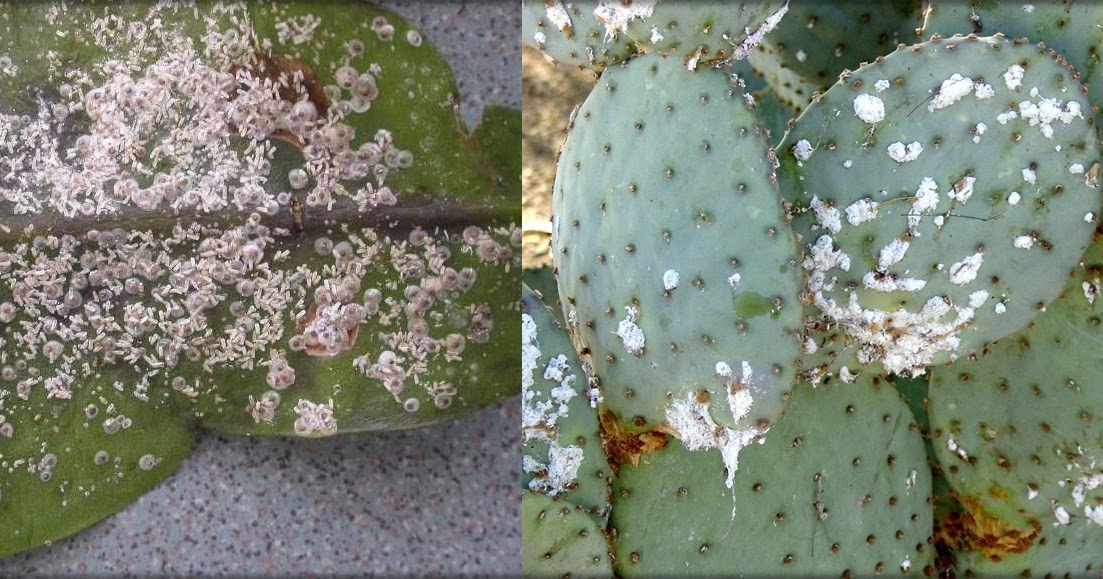
Detecting hidden pests requires a detective’s mindset. Start with the simplest tool: your hands. Gently run your fingers along the spines and crevices of your cactus. Mealybugs leave behind a cottony residue, while scale insects feel like tiny bumps under your fingertips. For a closer look, a magnifying glass or jeweler’s loupe can reveal the intricate details of these pests—their segmented bodies, their delicate appendages, their eggs clinging to the plant like microscopic pearls.
But what if the pests are truly invisible? Enter the flashlight test. In a darkened room, shine a bright light at your cactus from different angles. Pests like spider mites or thrips will scatter, betraying their presence with tiny flashes of movement. For root-infesting culprits, a moisture meter can be a game-changer. If the soil is consistently dry at the surface but the plant is wilting, it’s a sign that nematodes or root aphids may be at work below the surface.
For the most stubborn cases, consider a blacklight. Some pests, like mealybugs, fluoresce under ultraviolet light, making them stand out like neon signs in the dark. It’s a surreal experience—your cactus, bathed in an eerie glow, revealing its hidden enemies in stark relief. This isn’t just detection; it’s a revelation.
Mealybugs: The Cotton-Cloaked Parasites of Your Cactus
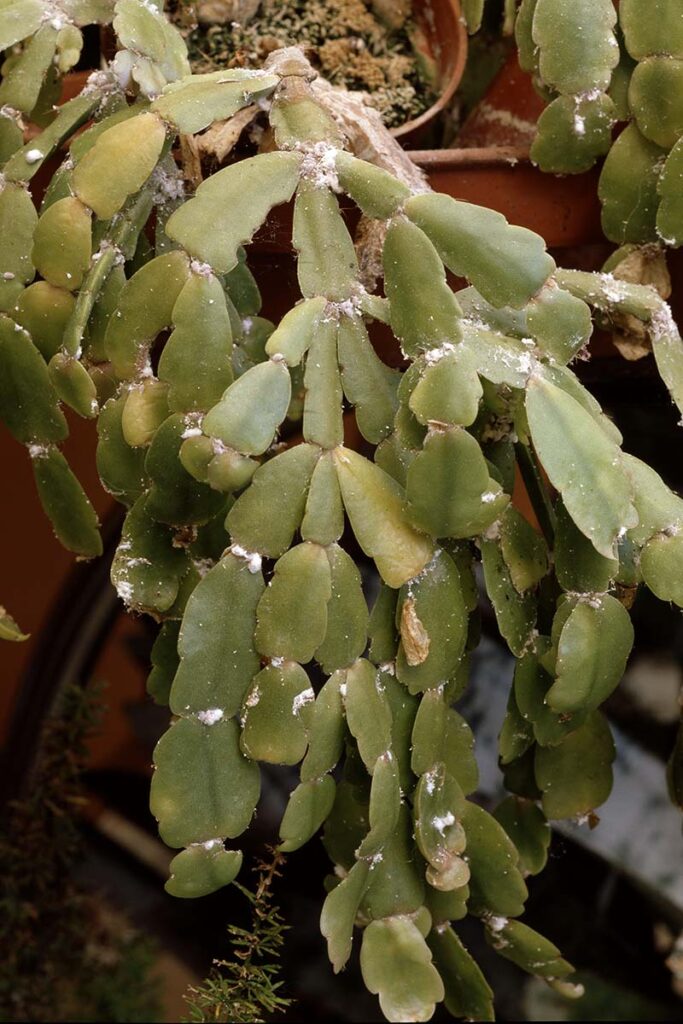
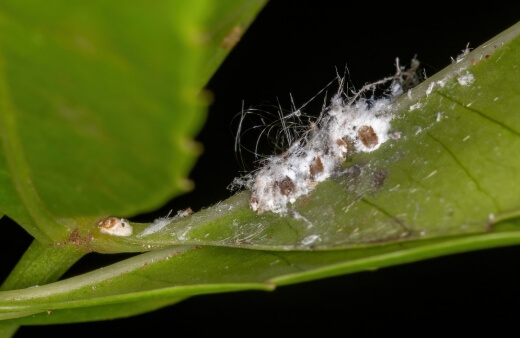
Few pests are as deceptive as mealybugs. These soft-bodied insects cover themselves in a waxy, cotton-like substance that makes them look like tiny, fuzzy clouds clinging to your cactus. They thrive in the tight spaces between spines or in the leaf axils, where they can feed undisturbed. The damage they inflict is insidious: they pierce the plant’s tissue and suck out its sap, weakening it over time. Worse, they excrete a sticky honeydew that attracts sooty mold, turning your cactus into a breeding ground for fungi.
To evict mealybugs, start with a cotton swab dipped in rubbing alcohol. This dissolves their protective coating and kills them on contact. For larger infestations, a systemic insecticide like imidacloprid can be effective, but be cautious—these chemicals can harm beneficial insects too. A gentler approach is to introduce natural predators like ladybugs or lacewings, which will feast on the mealybugs while leaving your cactus unharmed. Prevention is key: inspect new plants before bringing them home, and isolate any cactus that shows signs of infestation.
Root-Knot Nematodes: The Underground Saboteurs
If your cactus is growing slowly despite proper care, or if the roots appear stunted and gnarled, root-knot nematodes may be to blame. These microscopic worms invade the roots, causing the formation of tiny, knot-like galls that disrupt the plant’s ability to absorb water and nutrients. The worst part? By the time you notice the above-ground symptoms—yellowing leaves, wilting, or stunted growth—the nematodes have already done significant damage.
Prevention is your best defense. Use sterilized soil when repotting, and avoid reusing soil from infested plants. If you suspect nematodes, carefully remove the plant from its pot and inspect the roots. Healthy roots are firm and white; nematode-infested roots will be swollen and discolored. To treat, soak the roots in a solution of hydrogen peroxide and water (1 part hydrogen peroxide to 3 parts water) for 30 minutes. This oxygenates the roots and can kill the nematodes. For severe infestations, consider replacing the soil entirely and treating the pot with a bleach solution.
Thrips: The Sneaky Sap-Suckers
Thrips are the ninjas of the pest world—sleek, fast, and nearly impossible to spot until it’s too late. These slender insects, often less than 2mm long, hide in the tight spaces where new growth emerges, feeding on the plant’s sap. Their damage is subtle at first: tiny silver streaks on the leaves, or a slight distortion in new growth. But left unchecked, they can stunt the plant’s development and leave it vulnerable to secondary infections.
To detect thrips, use a piece of white paper or a sticky trap placed near the plant. Shake the cactus gently, and if thrips are present, they’ll fall onto the paper, where their dark bodies will stand out against the white background. For control, insecticidal soap or neem oil can be effective, but consistency is key. Thrips reproduce quickly, so you’ll need to treat the plant weekly for at least a month to break their life cycle. For severe infestations, systemic insecticides may be necessary, but always follow the label instructions carefully.
Prevention: The Best Offense Against Hidden Pests
The key to keeping your cactus pest-free isn’t just treatment—it’s vigilance. Start with quarantine. Any new plant should be isolated for at least two weeks, during which time you can inspect it thoroughly for signs of pests. Use sterilized soil and pots, and avoid overwatering, which can create a damp environment that attracts pests like fungus gnats and root rot.
Regular maintenance is your best ally. Wipe down the spines and crevices of your cactus with a damp cloth to remove dust and debris, which can harbor pests. Inspect the plant weekly, paying close attention to the undersides of leaves and the soil line. If you notice any signs of pests, act immediately—don’t wait for the problem to escalate.
Finally, consider companion planting. Some plants, like marigolds or basil, naturally repel pests and can be placed near your cactus to create a protective barrier. And remember: a healthy cactus is a resilient cactus. Proper light, water, and nutrients will strengthen your plant’s defenses, making it less susceptible to infestations in the first place.

Your cactus doesn’t have to be a battleground. With the right knowledge and tools, you can detect hidden pests before they take hold and keep your plant thriving for years to come. The next time you admire your Christmas cactus, take a moment to look closer. The unseen world of pests is always lurking, but now, you’re armed with the power to see it—and stop it—before it’s too late.
FAQ
What are the signs of a mealybug infestation?
Look for cottony residue on the plant and tiny bumps on the surface.
What should I do if I find root-knot nematodes?
Inspect the roots, soak them in a hydrogen peroxide solution, and consider replacing the soil.
Leave a Reply