
Short Answer
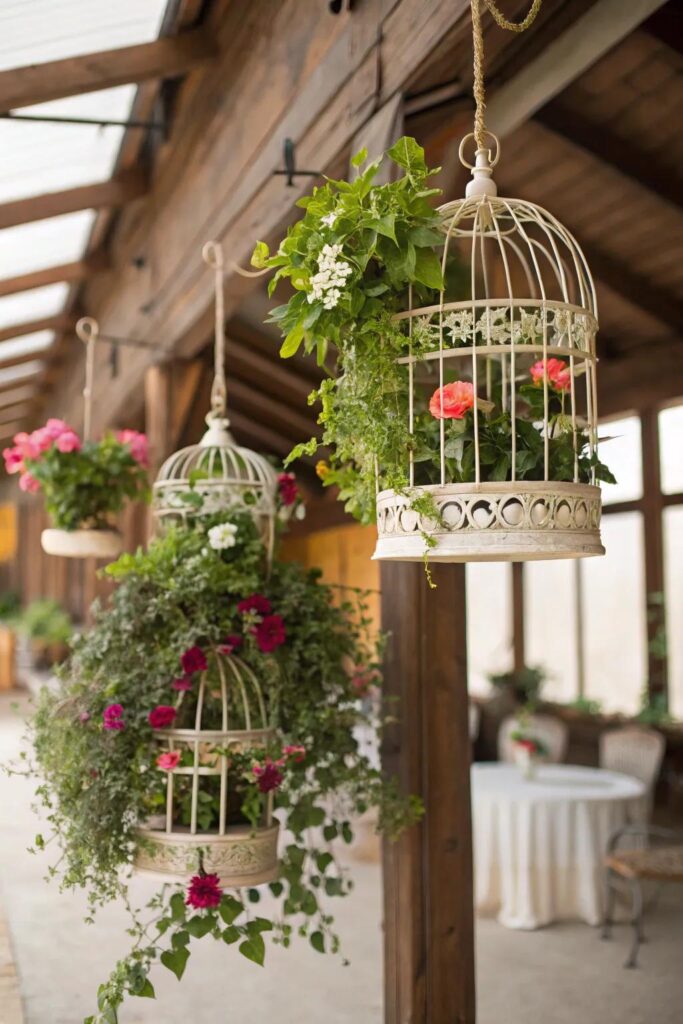
Imagine a world where cacti defy gravity, where spiky sentinels of the desert dangle like emerald chandeliers, and where the rigid lines of nature soften into whimsical, suspended art. This is the realm of Gymnocalycium in hanging baskets—a fusion of botanical audacity and horticultural ingenuity that promises to redefine how we perceive these resilient succulents. Far from the dusty flats of arid landscapes, Gymnocalycium thrives when liberated from the earth, its globular forms swaying in the breeze, their ribs unfolding like the pages of a living, breathing storybook. For those who dare to challenge convention, these cacti offer not just a display, but a revelation: a chance to see the familiar through a lens of unexpected elegance.
The Allure of Gymnocalycium: Why These Cacti Belong in the Sky
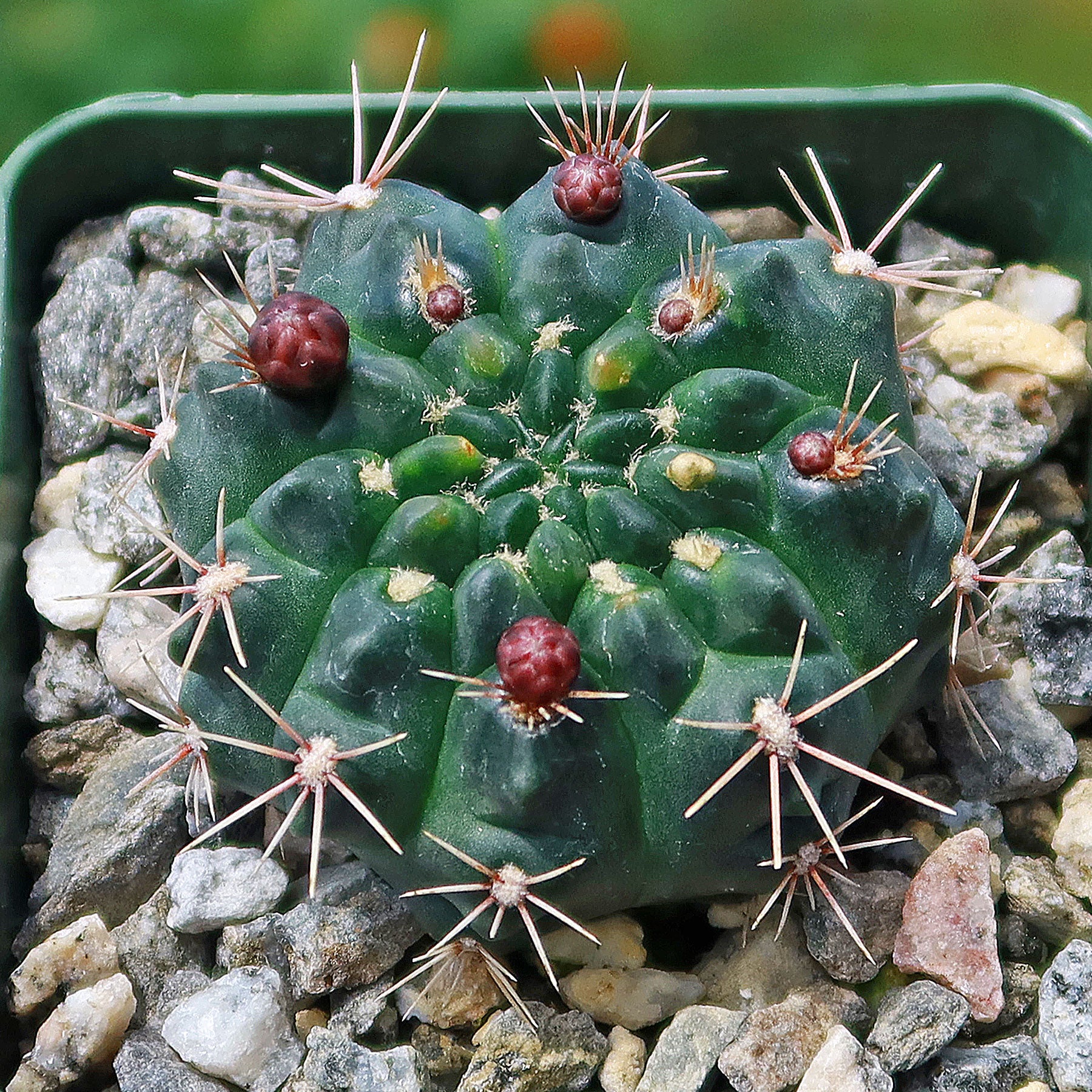
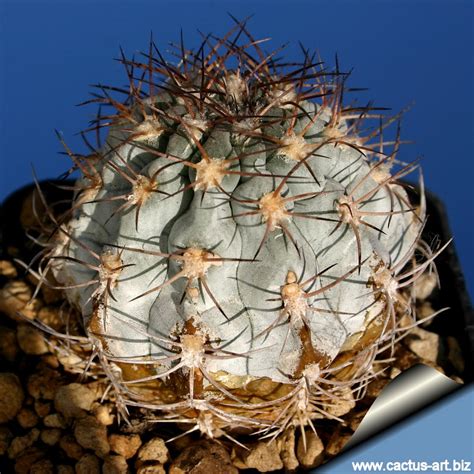
Gymnocalycium, often overshadowed by their more flamboyant cousins like Echeveria or Haworthia, are the quiet revolutionaries of the cactus world. Their globular, ribbed bodies—sometimes flattened, sometimes spherical—are adorned with delicate spines that catch the light like the finest lace. But what truly sets them apart is their adaptability. Unlike their desert-dwelling relatives, Gymnocalycium species hail from the high-altitude regions of South America, where they’ve evolved to thrive in conditions that fluctuate between arid and temperate. This adaptability makes them ideal candidates for hanging cultivation, where they can be coaxed into a symphony of growth that defies the constraints of traditional potting.
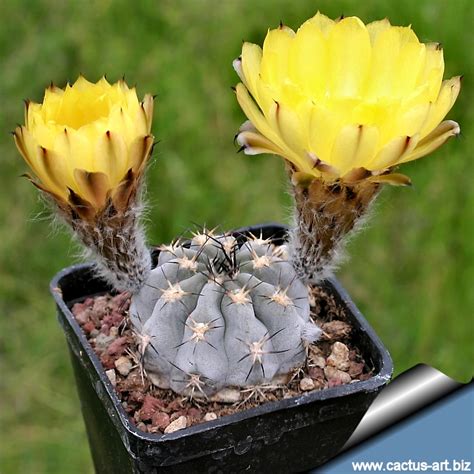
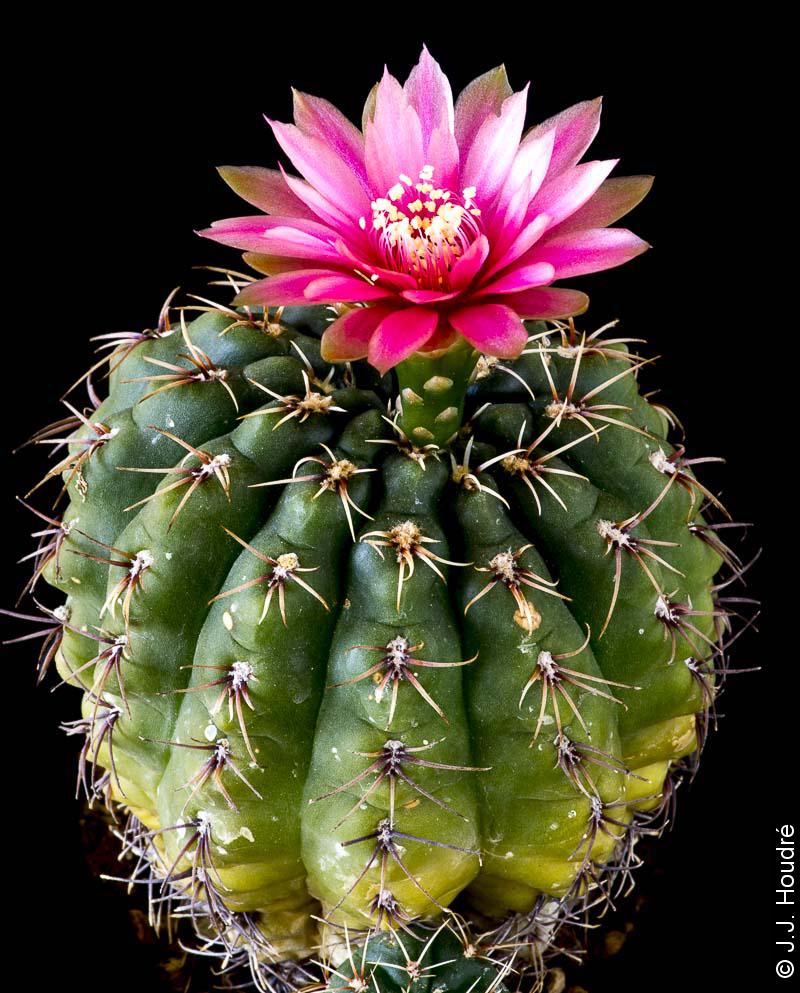
Consider the Gymnocalycium mihanovichii, with its pastel hues and ribbed elegance. When suspended, it becomes a living sculpture, its colors deepening in the dappled light, its spines casting intricate shadows on the walls. Or the Gymnocalycium baldianum, with its deep magenta flowers that burst forth like fireworks, a stark contrast to the muted tones of its body. These cacti are not merely plants; they are living paradoxes—delicate yet indomitable, static yet dynamic, earthbound in origin but destined for the skies.
Designing a Hanging Oasis: Choosing the Right Basket and Medium
The vessel in which your Gymnocalycium will reside is not just a container; it’s a stage for a botanical performance. The choice of basket is paramount. Wire baskets, with their open weave, allow for optimal drainage and airflow, ensuring that the roots of your cacti remain as healthy as their tops. Terracotta baskets, with their rustic charm, provide a grounding contrast to the ethereal quality of the plants. For a touch of modernity, consider baskets crafted from recycled plastics or metals, their sleek lines complementing the organic forms of the cacti.
Equally critical is the growing medium. Gymnocalycium despise soggy roots, so a well-draining mix is non-negotiable. A blend of coarse sand, perlite, and a smattering of coconut coir will mimic the gritty, mineral-rich soils of their native habitats. For an added layer of sophistication, incorporate a slow-release fertilizer into the mix, ensuring that your cacti receive a steady diet of nutrients without the risk of overwatering. The medium should be coarse enough to prevent compaction but fine enough to retain just enough moisture to sustain the plants between waterings.
And let’s not forget the aesthetic interplay between basket and plant. A Gymnocalycium with a pronounced rib structure, such as the Gymnocalycium quehlianum, will look stunning in a basket with clean, geometric lines. Conversely, a cactus with a more subdued form, like the Gymnocalycium denudatum, will shine in a basket with organic, flowing shapes. The key is to strike a balance—between the rigid and the fluid, the structured and the spontaneous.
Composition and Arrangement: Crafting a Visual Narrative
The art of arranging Gymnocalycium in hanging baskets is akin to composing a poem. Each cactus is a stanza, each placement a carefully chosen word. Start with a focal point—a particularly striking specimen, perhaps a Gymnocalycium andreae with its golden spines and compact form. Surround it with smaller companions, their offsets cascading like waterfalls over the edges of the basket. The goal is to create a sense of movement, as if the cacti are in a perpetual dance, their forms intertwining and separating in a delicate ballet.
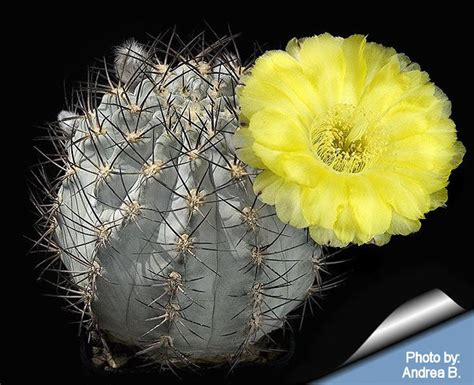
Consider the principles of contrast and harmony. Pair a Gymnocalycium with a deep green body with one that boasts a silvery-blue hue, their colors playing off each other like complementary notes in a melody. Alternatively, juxtapose a cactus with a smooth, unblemished surface against one with pronounced ribs or tubercles, the textures creating a tactile symphony. For a touch of drama, introduce a trailing plant like a string of pearls or a trailing sedum, their cascading tendrils softening the angular forms of the cacti.
Don’t be afraid to experiment with asymmetry. A single, off-center Gymnocalycium can create a sense of intrigue, its solitary presence drawing the eye like a solitary figure in a vast landscape. Or, for a more lush display, cluster several cacti together, their offsets creating a dense, almost impenetrable tangle of spines and ribs. The key is to let the plants guide you, their natural forms dictating the arrangement rather than forcing them into a rigid, unnatural shape.
Light, Water, and the Dance of the Seasons
Gymnocalycium in hanging baskets are not passive participants in their own display; they are active agents, responding to the whims of light and water with a vitality that is nothing short of mesmerizing. Light is the lifeblood of these cacti. A south-facing window is ideal, but if that’s not an option, supplement with a grow light, ensuring that the plants receive at least six hours of bright, indirect light each day. Without adequate light, Gymnocalycium will etiolate, their ribs stretching thin and their colors fading into a dull, lifeless hue.
Water, too, plays a crucial role in their cultivation. The temptation to overwater is strong, especially when the plants are suspended in plain sight, their thirst seemingly more apparent. Resist it. Gymnocalycium are drought-tolerant by nature, and their hanging baskets exacerbate this trait. Water only when the soil is completely dry, and even then, do so sparingly. A thorough soaking followed by a period of dryness mimics the natural cycles of their native habitats, encouraging robust root growth and vibrant coloration.
The changing seasons bring their own challenges and opportunities. In the heat of summer, your hanging baskets may need to be moved to a cooler, shadier spot to prevent scorching. In the depths of winter, they may require a brief rest period, with watering reduced to a minimum. But even in the coldest months, Gymnocalycium retain a quiet dignity, their forms a reminder of nature’s resilience. With the arrival of spring, they will burst forth with renewed vigor, their flowers unfurling like the first notes of a long-awaited symphony.
Beyond the Basket: Creative Extensions of the Concept
The world of Gymnocalycium in hanging baskets is not confined to the traditional. Why not suspend them in a vertical garden, their globular forms creating a living mosaic of color and texture? Or integrate them into a terrarium, their spiny forms contrasting with the delicate ferns and mosses that surround them. For the truly adventurous, consider creating a hanging installation with multiple baskets, each at a different height, their cacti forming a cascading waterfall of green and gold.
And let’s not forget the social dimension of these displays. A hanging basket of Gymnocalycium is not just a plant; it’s a conversation starter, a living piece of art that invites curiosity and admiration. Place one in a sunroom, and it becomes the centerpiece of a gathering. Hang it in a kitchen window, and it transforms an everyday space into a sanctuary of tranquility. These cacti are not mere decorations; they are ambassadors of a new way of seeing the world—one where the rigid rules of horticulture are bent, and the extraordinary becomes ordinary.
The promise of Gymnocalycium in hanging baskets is not just in their beauty, but in the shift in perspective they inspire. They challenge us to see the world differently, to embrace the unconventional, and to find joy in the unexpected. So go ahead. Suspend your preconceptions. Let your Gymnocalycium take flight. The sky is not the limit—it’s just the beginning.
FAQ
Can Gymnocalycium thrive in hanging baskets?
Yes, Gymnocalycium cacti adapt well to hanging baskets due to their tolerance of fluctuating conditions and their unique growth forms, which create attractive suspended displays.
What type of soil is best for Gymnocalycium in hanging baskets?
A well-draining mix of coarse sand, perlite, and coconut coir is ideal to prevent root rot while retaining enough moisture for Gymnocalycium.
How often should Gymnocalycium in hanging baskets be watered?
Water sparingly only when the soil is completely dry to mimic their natural drought-tolerant environment and avoid overwatering.
What light conditions do Gymnocalycium in hanging baskets require?
They need at least six hours of bright, indirect light daily, preferably from a south-facing window or supplemented with grow lights.
Can Gymnocalycium be combined with other plants in hanging baskets?
Yes, pairing Gymnocalycium with trailing plants like string of pearls or sedums enhances visual interest and softens the display.
Leave a Reply