

Short Answer
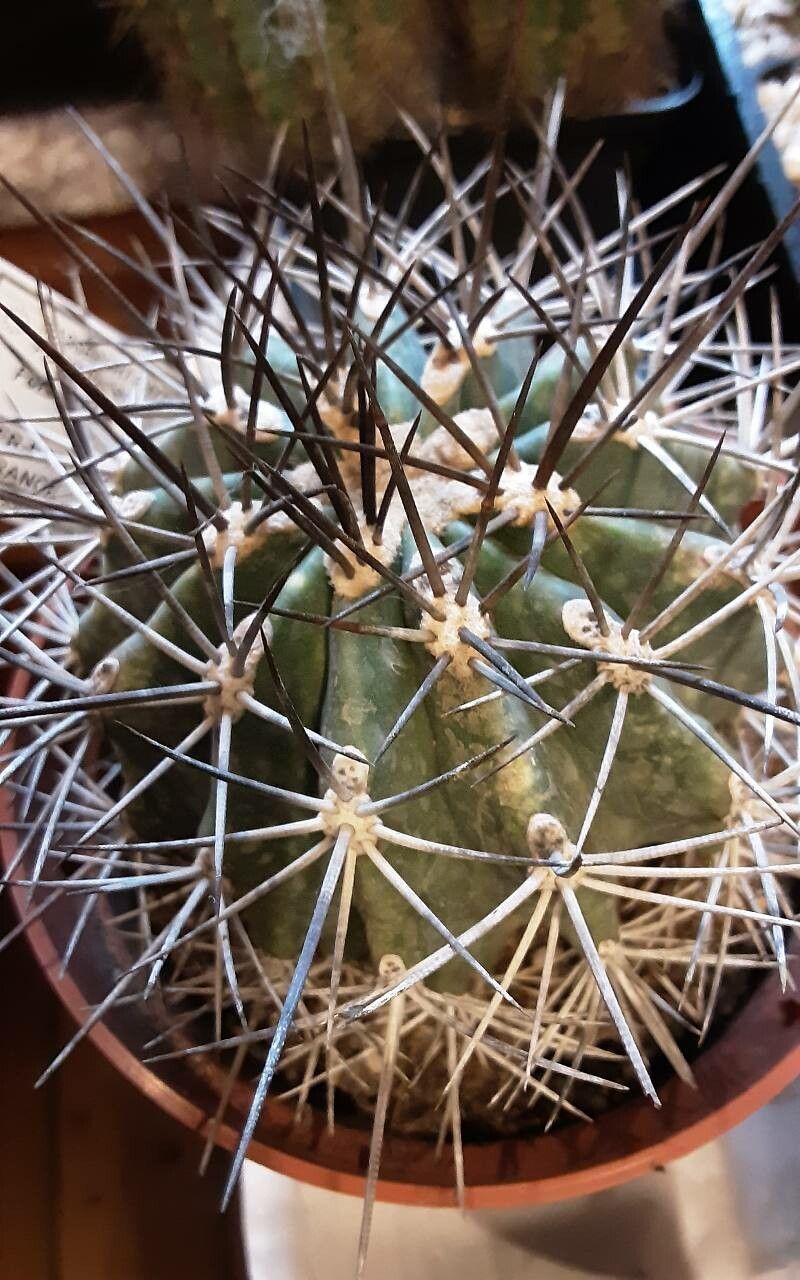
The Ferocactus, with its formidable spines and sunburst of golden blooms, is a sentinel of the arid world—a botanical titan that commands respect and admiration. To propagate this cactus is to invite a piece of the desert’s untamed spirit into your own garden, but timing is everything. Like a seasoned storyteller waiting for the perfect moment to reveal a climactic twist, the gardener must attune themselves to the rhythms of nature. The best time to propagate Ferocactus isn’t merely a date on the calendar; it’s a symphony of temperature, light, and the cactus’s own dormant whispers. Let us embark on this horticultural odyssey, where each season offers its own unique alchemy for success.
The Crucible of Spring: When the Desert Awakens
Spring is the Ferocactus’s grand overture, a time when the earth thaws from its winter slumber and the cactus stirs from its torpor. This season is the ideal canvas for propagation, as the combination of warming soil and lengthening daylight triggers cellular division and root growth. The cactus, like a phoenix rising from ashes, begins to stretch toward the sun, its internal reserves of energy primed for new beginnings. Propagating in spring is akin to planting a seed of resilience—you’re harnessing the cactus’s natural exuberance before the scorching summer sun demands its full attention. However, timing within spring is critical. Early spring, when nighttime temperatures hover above 50°F (10°C), is the sweet spot. Too early, and the cold may stunt growth; too late, and the cactus may divert energy to flowering instead of rooting. Think of it as a delicate dance with the thermometer, where patience and precision are your partners.
The Golden Embrace of Summer: A Calculated Gamble
Summer is a season of extremes, and for the Ferocactus, it’s a test of endurance. While the idea of propagating during the hottest months might seem counterintuitive—like planting a campfire in the heart of a wildfire—there are circumstances where summer propagation can thrive. The key lies in mimicry: replicating the cactus’s native conditions. In its desert homeland, the Ferocactus experiences brief but intense periods of rain followed by relentless sun. To replicate this, propagate in early summer, just as the first monsoon rains begin to fall. The increased humidity reduces transplant shock, while the intense sunlight fuels photosynthesis. However, this method demands vigilance. The propagules must be shielded from scorching midday rays, perhaps under the dappled shade of a mesquite tree or a shade cloth. Watering must be judicious—enough to encourage rooting but not so much as to invite rot. Summer propagation is a high-stakes endeavor, reserved for those who are willing to play the role of a desert meteorologist, reading the skies as carefully as a farmer reads the stars.
The Quiet Resolve of Autumn: A Second Chance
Autumn is the Ferocactus’s second act, a time of reflection and preparation. As the days shorten and temperatures dip, the cactus slows its growth, conserving energy for the winter ahead. This season offers a unique opportunity for propagation, particularly in regions where winters are mild. The soil retains warmth from the summer sun, creating a cozy microclimate for new roots to take hold. Propagating in autumn is like planting a seed of patience—you’re giving the cactus time to establish itself before the cold sets in. The risk of rot is lower than in summer, and the cactus’s natural defenses are still active. However, timing is crucial. Aim to propagate at least six weeks before the first frost, allowing the roots to anchor firmly in the soil. Think of it as a slow waltz with the seasons, where each step is deliberate and each movement is in harmony with nature’s rhythm.
The Frozen Silence of Winter: A Test of Patience
Winter is the Ferocactus’s most enigmatic season, a time of dormancy and introspection. Propagating in winter is a gamble, like planting a flag on a frozen peak—it’s possible, but the odds are against you. The cactus’s metabolic processes slow to a crawl, and the cold soil inhibits root growth. However, in regions with mild winters or for those willing to experiment, winter propagation can yield surprising results. The key is to mimic the cactus’s natural environment. Use a heated propagator or a sunny windowsill to maintain a consistent temperature above 50°F (10°C). Keep the soil barely moist, as excess water in cold conditions is a recipe for rot. Winter propagation is not for the faint of heart; it’s a test of faith in the cactus’s resilience. But for those who succeed, it’s a triumph of horticultural perseverance—a reminder that even in the depths of winter, life finds a way to flourish.
The Art of the Cut: Selecting and Preparing Propagules
Propagation begins with the cut, a moment that is both surgical and sacred. The Ferocactus’s offsets, or pups, are the most reliable choice for propagation, as they are genetically identical to the parent plant and already possess a degree of maturity. When selecting a pup, look for one that is at least one-third the size of the parent cactus, with healthy, firm flesh. The cut should be made with a sterilized knife, angled slightly to increase the surface area for rooting. Allow the cut to callus over for several days in a dry, shaded spot—this is the cactus’s way of forming a protective scab, a natural barrier against infection. Think of it as the cactus’s own immune system kicking into gear, a silent but formidable defense against the unseen threats of the world.
The Medium and the Method: Crafting the Perfect Cradle
The medium in which you propagate your Ferocactus is its first home, a sanctuary where it will either thrive or wither. A well-draining mix is non-negotiable—think of it as the cactus’s armor, protecting it from the suffocating embrace of excess moisture. A blend of coarse sand, perlite, and a smattering of organic matter (like coconut coir) creates the ideal environment. The method of propagation also plays a role in success. While some gardeners prefer to plant the callused pup directly into the soil, others opt for a temporary bed of pure sand or perlite to encourage rooting before transplanting. The choice is yours, but remember: the Ferocactus is a survivor, and it will adapt to its surroundings with remarkable tenacity.
The Vigil of Observation: Nurturing the Newborn Titan
Once your propagule is nestled in its new home, the real work begins. The Ferocactus is a stoic plant, but it is not invincible. Watch for signs of stress—yellowing flesh, soft spots, or a lack of progress. These are the cactus’s silent pleas for help, and they must be heeded. Water sparingly, allowing the soil to dry completely between waterings. Gradually introduce the cactus to more sunlight, but avoid the harsh midday rays that can scorch its tender flesh. Think of it as raising a child: the first few months are critical, and your attentiveness will determine whether your propagule grows into a towering sentinel or withers on the vine.
The Reward: A Legacy of Spines and Sunbursts
When your Ferocactus finally takes root and begins to grow, it’s a moment of pure magic. The first new spines emerge like the quills of a porcupine, delicate yet formidable. The first bloom is a burst of color, a defiant declaration that life has triumphed over adversity. This is the reward for your patience, your diligence, and your deep respect for the cactus’s natural rhythms. The Ferocactus you propagate today may outlive you, a living testament to the bond between gardener and plant. It’s a legacy of spines and sunbursts, a reminder that even in the harshest environments, beauty and resilience can flourish.
FAQ
What is the best time to propagate Ferocactus?
The best time to propagate Ferocactus is in early spring when temperatures are above 50°F (10°C), but it can also be done in early summer and autumn under the right conditions.
How do you propagate Ferocactus?
Propagate Ferocactus by selecting offsets or pups, allowing the cut to callus, and planting it in a well-draining soil mix.



Leave a Reply