
Short Answer
In the quiet, sun-drenched corners of the desert, where time seems to slow and the earth whispers secrets to those who listen, there grows a plant of profound mystique and resilience: Lophophora. Known to many as peyote, this small, spineless cactus is not merely a survivor of arid landscapes but a living testament to the delicate dance between scarcity and abundance. Its survival hinges on a single, critical act—watering. Yet, this is no ordinary act of hydration. It is a symphony of precision, a ballet of balance, where too much or too little can tip the scales from thriving to withering. This is the story of how to water Lophophora, a guide not just for the hands that tend its soil, but for the mind that seeks to understand its silent language.
The Philosophy of Scarcity: Why Less is More
To grasp the art of watering Lophophora, one must first embrace a radical shift in perspective. This is not a plant that thrives on indulgence. It is a creature of the extremes, forged in the crucible of a land where water is a fleeting visitor. The desert does not coddle its inhabitants; it tests them. Lophophora has evolved to endure months, even years, without a drop of rain, storing its vitality in the fleshy, ribbed flesh of its body. When we bring it into our homes, we inherit the responsibility of mimicking this rhythm of scarcity.
Watering this cactus is not about quenching thirst—it is about simulating the ephemeral embrace of a desert storm. The key lies in restraint. A deep, thorough soaking, followed by an arid silence that stretches until the soil is parched once more. This is not neglect; it is reverence for the plant’s innate wisdom. Each droplet must be earned, each sip a reward for patience. The result? A plant that grows not in frantic spurts, but in measured, deliberate pulses, its ribs swelling with the memory of rare, life-giving rains.
The Art of the Soak: When and How to Hydrate
Timing is everything. Lophophora does not follow the Gregorian calendar; it dances to the rhythm of its environment. The most opportune moments for watering are those when the air itself hums with the promise of evaporation. Spring and early summer, when the sun’s gaze grows warmer but has not yet scorched the earth, are ideal. But even here, caution is paramount. The soil must be bone-dry before the watering can begin. A simple test—insert a finger an inch into the substrate. If it emerges clean and dry, the time is nigh. If not, wait. Patience is not just a virtue; it is a survival tactic.
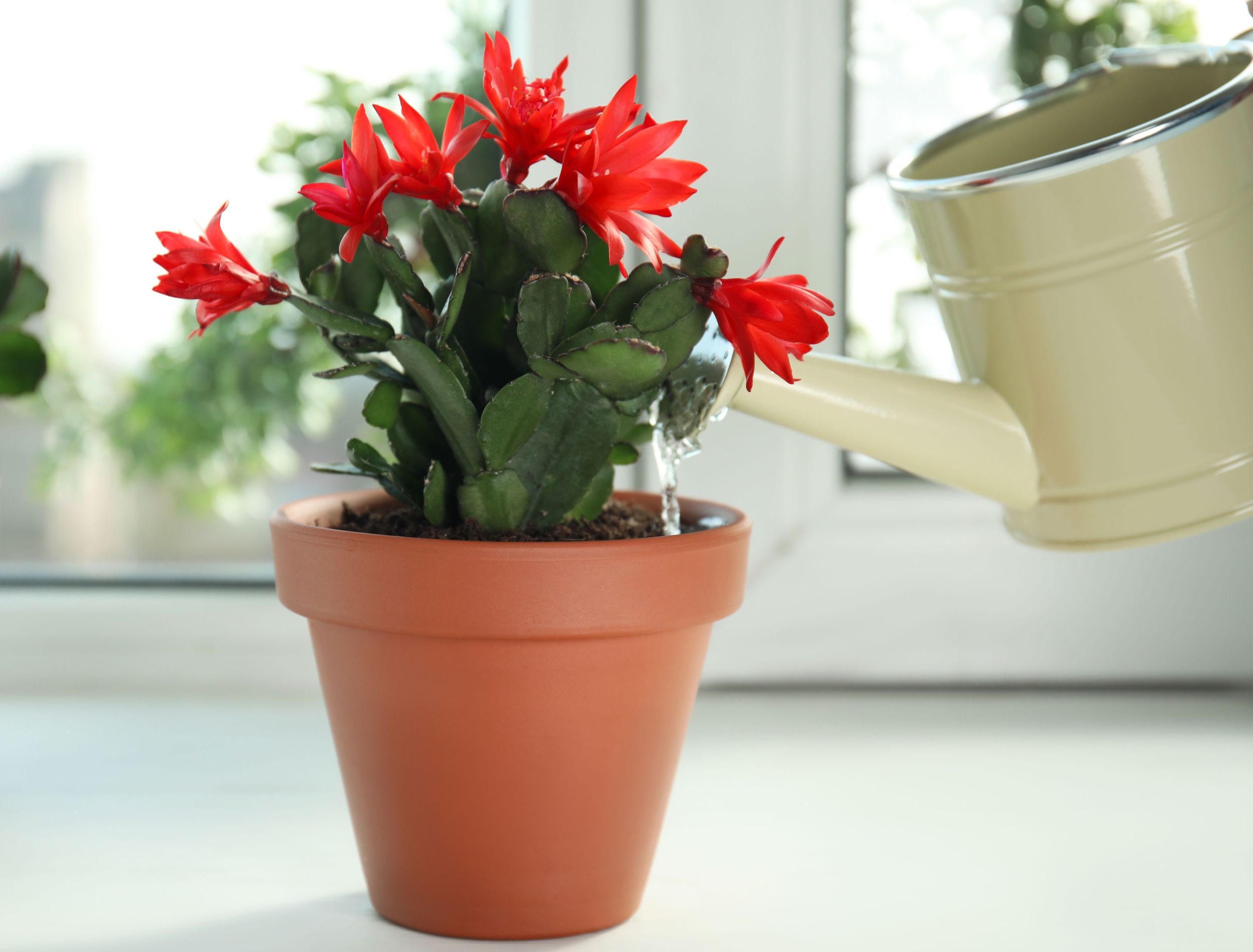
The method of hydration is equally critical. A gentle, slow pour from below—never from above—ensures that the water is drawn into the soil by capillary action, avoiding the dreaded compaction of the surface. A saucer beneath the pot allows the roots to drink deeply, while excess water drains away, leaving no room for the rot that lurks in stagnation. The vessel itself matters. Terracotta, with its porous embrace, breathes with the plant, wicking away moisture and preventing the suffocating embrace of soggy earth. Plastic, while convenient, traps humidity like a greenhouse, a betrayal of Lophophora’s desert origins.
The Silent Language of the Ribs: Reading the Signs
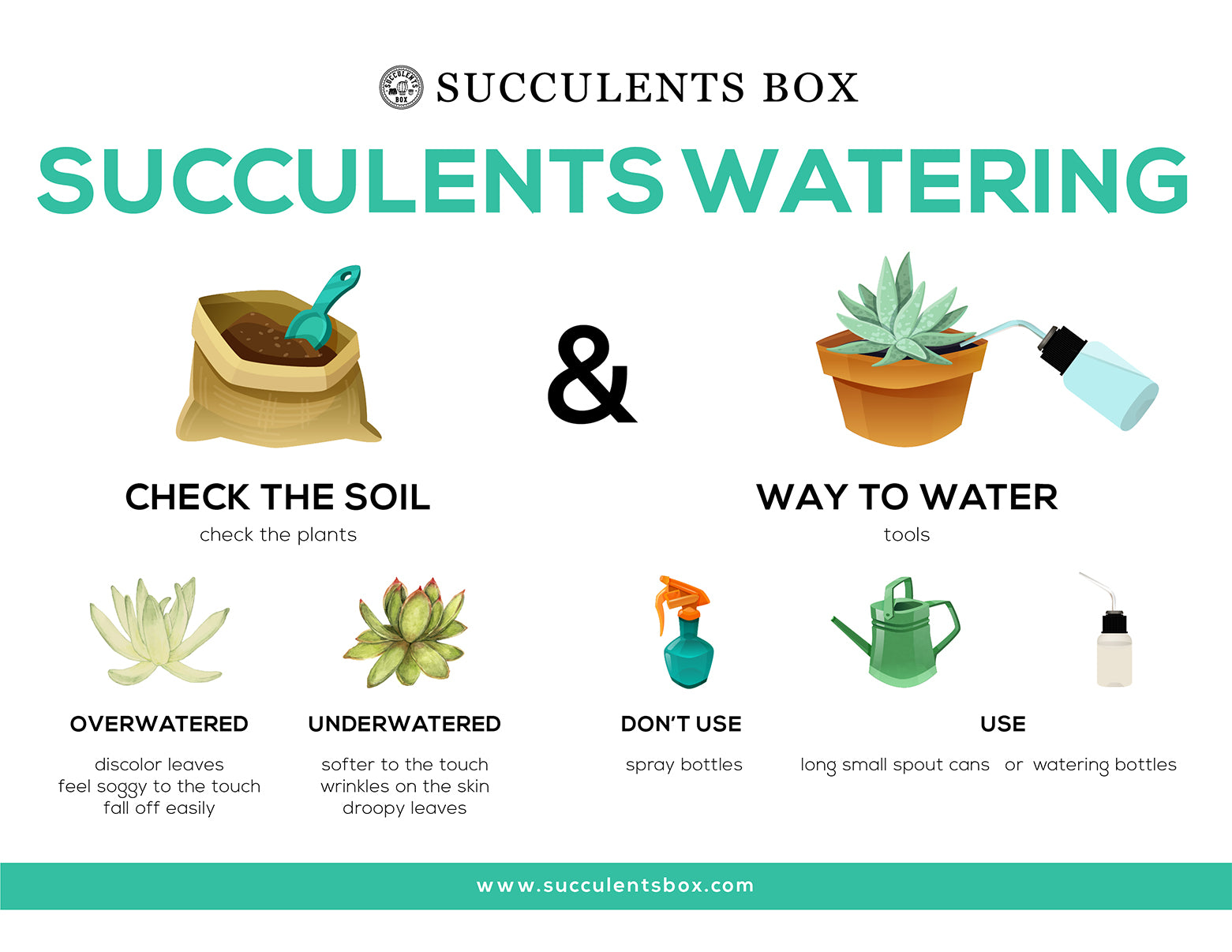
A Lophophora does not speak, but it does communicate—through the subtle language of its ribs. When the flesh is taut and firm, it is a declaration of contentment, a sign that the last watering was sufficient. But when the ribs begin to pucker, to soften at the edges, it is a plea for moisture, a silent cry for the life-giving elixir it has been denied for too long. This is not a plant that begs; it is a plant that reminds. Each wrinkle is a lesson in the cost of neglect, each sag a testament to the importance of attentiveness.
Yet, the ribs can also lie. Overwatering swells the flesh unnaturally, giving the illusion of health while the roots choke in the damp. Underwatering, conversely, can leave the plant shriveled, its ribs etched with the marks of endurance. The true art lies in discerning the difference between a plant that is merely resting and one that is in distress. The weight of the cactus in hand is a clue—lightness suggests dehydration, while a satisfying heft indicates sufficiency. The color, too, tells a story. A vibrant, blue-green hue speaks of vitality, while a dull, ashen pallor warns of impending doom.
The Seasonal Choreography: Adapting to Nature’s Whims
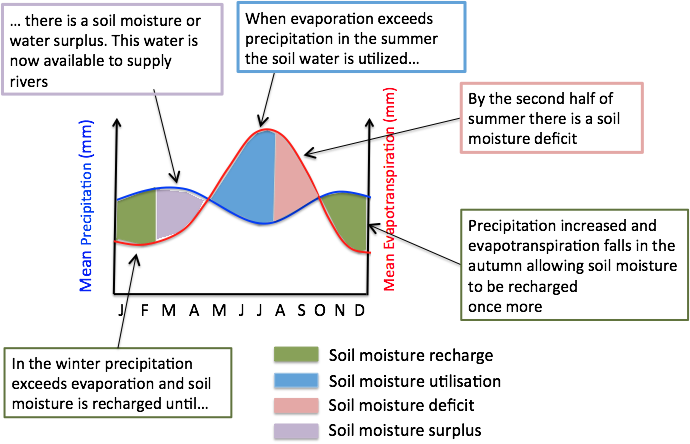
Watering Lophophora is not a static ritual; it is a dynamic dialogue with the changing seasons. Winter, that hibernating beast, demands a near-total abstinence from hydration. The plant enters a state of dormancy, its metabolic fires dimmed to a whisper. A single, light misting every six to eight weeks is all it requires—just enough to prevent the flesh from desiccating entirely. Spring awakens the slumbering giant. As the days lengthen and the temperatures rise, the watering intervals can stretch to every two weeks, but the principle remains: let the soil dry between each drink.
Summer is a test of wills. The heat is relentless, the air thirsty. Yet, even here, moderation is key. Watering every ten days to two weeks is sufficient, provided the nights are cool. If the mercury soars above 90°F (32°C), the plant may enter a temporary state of estivation, slowing its growth to conserve energy. Autumn, that golden interlude, offers a final opportunity to fortify the cactus before winter’s grip tightens. As the days shorten, reduce watering once more, allowing the plant to prepare for its seasonal slumber.
The Perils of Overindulgence: A Cautionary Tale
To overwater Lophophora is to invite a slow, insidious rot. The roots, starved for oxygen in the waterlogged soil, begin to decay. The flesh turns mushy, a grotesque parody of health. Black spots mar the surface, spreading like ink on parchment. The plant wilts not from thirst, but from suffocation. This is not a plant that forgives easily. Once the rot sets in, the damage is often irreversible. Prevention, then, is the only cure. A well-draining soil mix—one part sand, one part grit, one part organic matter—is non-negotiable. The pot must have drainage holes, a lifeline for excess water. And above all, resist the urge to coddle. Lophophora does not want a spa day; it wants the harsh, unyielding embrace of its native desert.
Even the water itself can be a double-edged sword. Tap water, laden with minerals, can leave a crust of salts on the soil’s surface, choking the roots. Rainwater, or distilled water, is the elixir of choice. If neither is available, let tap water sit for 24 hours before use, allowing the chlorine to dissipate. The pH of the water matters too—slightly acidic to neutral is ideal, a reflection of the alkaline soils of its homeland.
The Reward: A Plant That Whispers Back
Master the art of watering Lophophora, and you do not merely cultivate a plant—you forge a partnership. This is a cactus that rewards patience with growth that is slow, deliberate, and profound. Its ribs deepen, its color intensifies, and in time, it may even reward you with delicate pink or white flowers, a fleeting but exquisite testament to its resilience. Each bloom is a reminder: you have listened. You have understood. You have not imposed your will, but instead, you have aligned yourself with the rhythm of the earth.
In a world that often demands instant gratification, Lophophora is a teacher of delayed fulfillment. It asks for trust—in its ability to endure, in its capacity to thrive without constant coddling. It asks for humility, for the recognition that we are not the masters of nature, but its students. And when you finally hold a mature Lophophora in your hands, its ribs a map of years lived in harmony with the desert, you will understand. This is not just a plant. It is a philosophy. A way of being. A quiet revolution against the culture of excess, a celebration of the beauty that blooms in scarcity.
FAQ
How often should I water Lophophora?
Water Lophophora every 10 days to two weeks during the growing season, allowing the soil to dry completely between waterings.
What type of water is best for Lophophora?
Rainwater or distilled water is preferred. If using tap water, let it sit for 24 hours to allow chlorine to dissipate.
What signs indicate that my Lophophora needs water?
Look for ribs that begin to pucker or soften; these indicate the plant is in need of moisture.
Leave a Reply