
Short Answer
When it comes to cultivating cacti, one question that frequently arises is: “How often do you water a cactus?” This intriguing inquiry opens the door to a broader understanding of these remarkable plants. Cacti are not merely desert survivors; they are embodiments of resilience, adaptability, and the delicate interplay between life and its arid surroundings.
The fascination with cacti often stems from their unique morphological adaptations that allow them to thrive in environments where most flora would falter. Their water-storative capabilities, stunning aesthetics, and striking variety make them irresistible to plant enthusiasts. However, the essence of nurturing these plants lies in understanding their watering requirements, which, contrary to popular belief, is not a straightforward task.
Understanding the Natural Habitat
To comprehend how often to water a cactus, one must first look to its native environment. Cacti primarily originate from the arid regions of the Americas, where precipitation is scarce, and temperatures can be extreme. They have evolved to store water efficiently, allowing them to survive lengthy droughts. Consequently, the watering needs of cacti are intrinsically linked to their environmental conditions.
The typical growth cycle of a cactus typically aligns with two distinct seasons: the active growing season and the dormant period. During the spring and summer months, the cactus will begin to bloom, utilizing its stored water to support new growth and flowering. This period calls for more frequent watering. Conversely, as the autumn leaves begin to fall and temperatures drop, cacti enter dormancy, requiring considerably less water.
Watering Frequency: The Goldilocks Principle
When determining how often to water a cactus, it is essential to strike a balance—neither too much nor too little. This equilibrium is aptly encapsulated by the “Goldilocks Principle.” Each species of cactus has its specific needs, but several overarching guidelines can help inform the casual gardener.
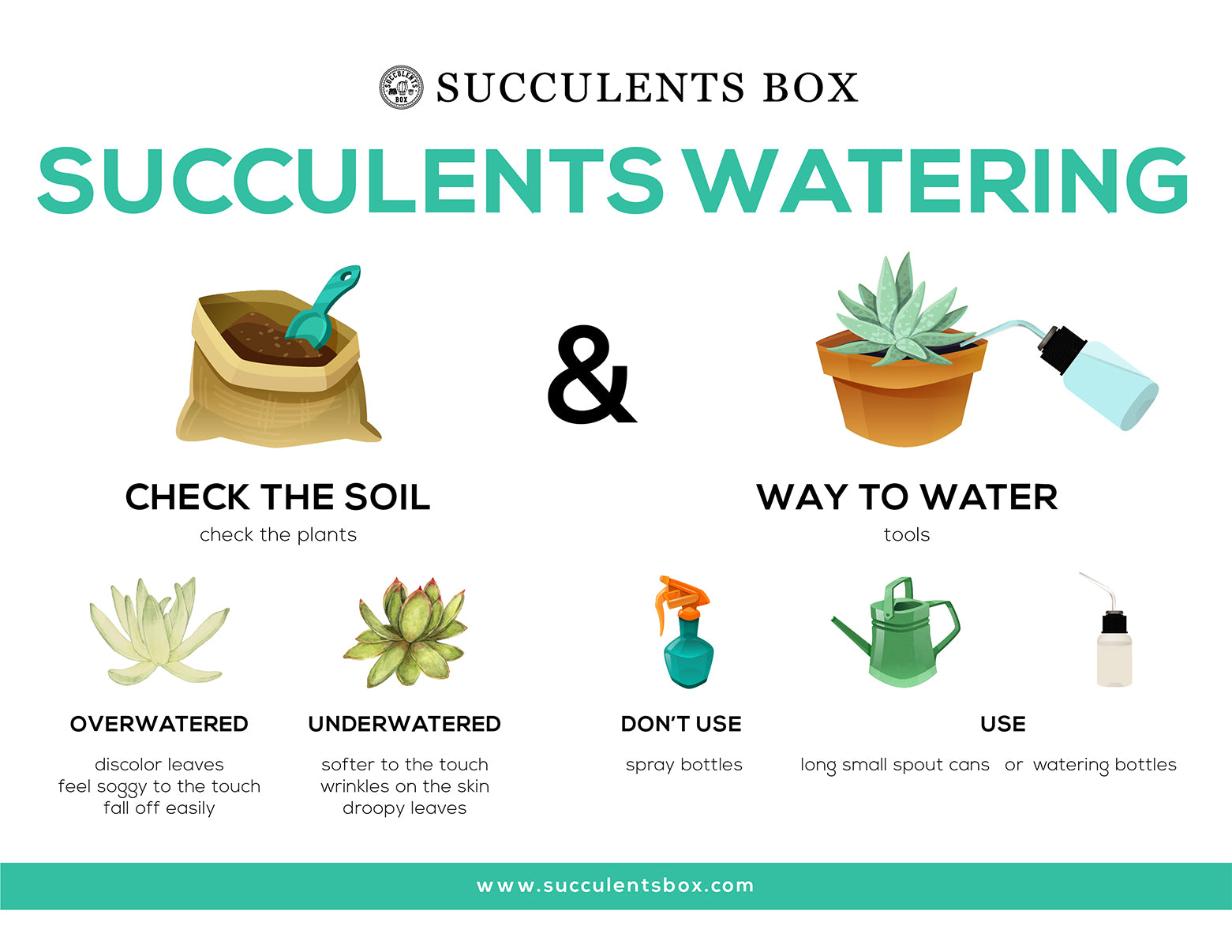
During the growing season, watering once every two to three weeks is generally advisable. However, this timing is contingent upon multiple factors, such as the type of soil, pot size, temperature, and overall humidity levels. A general rule of thumb is to wait until the top two inches of soil are dry before rehydrating your cactus. This approach minimizes the risk of overwatering, which can lead to root rot—a common affliction of indoor cacti.
In the fall and winter months, the watering frequency should be significantly reduced, often to once every four to six weeks, depending on the climate and location where the cactus is grown. Lower temperatures and decreased daylight signal the plant to conserve water, thus demanding less frequent irrigation. Recognizing these seasonal changes is vital to ensure the longevity and health of your cactus.
Soil and Drainage: The Unsung Heroes of Cactus Care
While understanding how often to water a cactus is critical, it is equally important to consider the soil and drainage provided for these desert dwellers. Cacti require well-draining soil—ideally a specialized cactus mix that is gritty and coarse. This composition enables excess water to escape, preventing the roots from sitting in a waterlogged environment.
Pots with drainage holes are essential for any cactus owner, as they allow for the escape of surplus moisture. Without proper drainage, the risk of overwatering thereby increases significantly, compromising the health of the plant. Choosing a pot made from a natural material like terracotta can also help, as it absorbs some moisture, aiding in the regulation of water levels.
Environmental Factors: More Than Meets the Eye
The delicate relationship between cacti and their watering regimen extends beyond mere frequency. Factors such as sunlight exposure, temperature fluctuation, and humidity all play critical roles in determining the water needs of cacti. Strong sunlight can hasten evaporation and increase transpiration rates, requiring more frequent watering. Conversely, a dimly lit environment often necessitates less irrigation as the plant’s metabolic demands diminish.
Humidity is another vital consideration. In highly humid conditions, cacti can retain moisture for extended periods, which might require you to adjust your watering schedule accordingly. Conversely, in arid climates, the soil can dry out quickly, necessitating a more regular watering schedule. Monitoring these environmental variables can provide insights into the optimal care for your cactus.
The Unique Needs of Different Species
Not all cacti are created equal. The watering needs can vary drastically across the expansive family of cacti. For instance, the elegant and airy structure of Epiphyllum differs from that of a robust saguaro cactus. Understanding the specific requirements of various species can contribute significantly to successful cultivation.
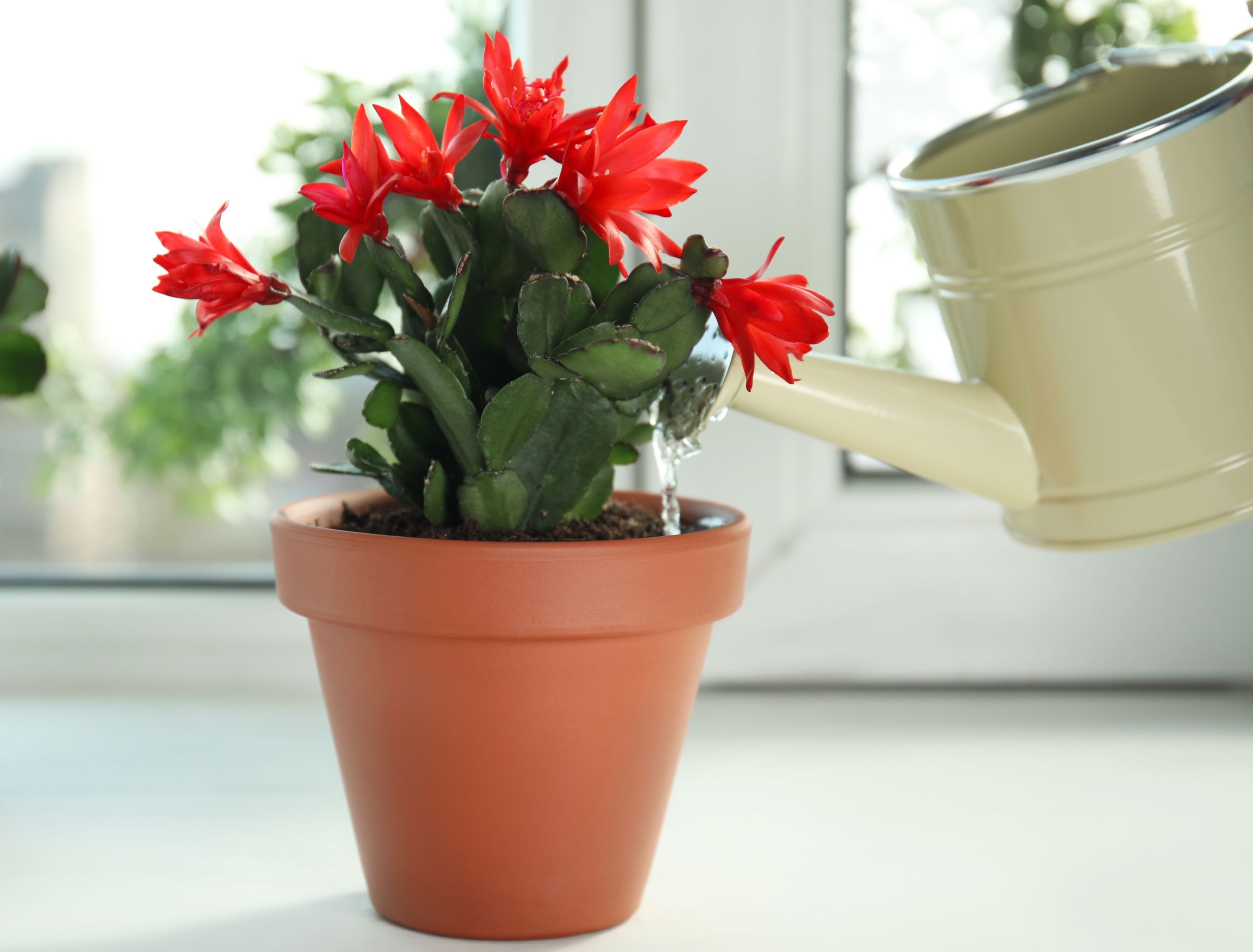
For more thirsty types, such as the Easter cactus, a little more moisture during the growing season can work wonders. In contrast, the hardy barrel cactus can thrive on minimal water and should be treated with a more minimalist approach to irrigation. Understanding the unique characteristics of cacti is integral to mastering the art of cactus care.
In Conclusion
Ultimately, the question of “How often do you water a cactus?” unveils a more profound appreciation for the world of cacti. These plants encourage a thoughtful examination of their care and a deeper understanding of the intricate balance between hydration and survival. By considering the various factors of growth cycles, environmental conditions, soil composition, and species differences, you can create an optimal environment for your cactus, allowing it to flourish. Nurturing these intriguing organisms reveals a remarkable connection to the resilience of life amidst adversity, celebrating the grandeur of nature’s ingenuity.
FAQ
How often should I water my cactus during the growing season?
During the growing season, it is generally recommended to water your cactus once every two to three weeks, ensuring the top two inches of soil are dry before watering again.
Should I water my cactus less in the winter?
Yes, during the dormant winter months, watering should be significantly reduced to about once every four to six weeks, depending on the climate and indoor conditions.
What type of soil is best for cactus watering?
Cacti require well-draining soil, typically a gritty and coarse cactus-specific mix that prevents water from sitting around the roots.
How do environmental factors affect cactus watering needs?
Factors such as sunlight exposure, temperature, and humidity influence how quickly soil dries and how much water a cactus needs. More sunlight and heat increase water requirements, while high humidity reduces them.
Do different cactus species have different watering needs?
Yes, watering needs vary by species. For example, Easter cactus requires more moisture during growth, while barrel cactus needs minimal watering.

Leave a Reply