
Short Answer
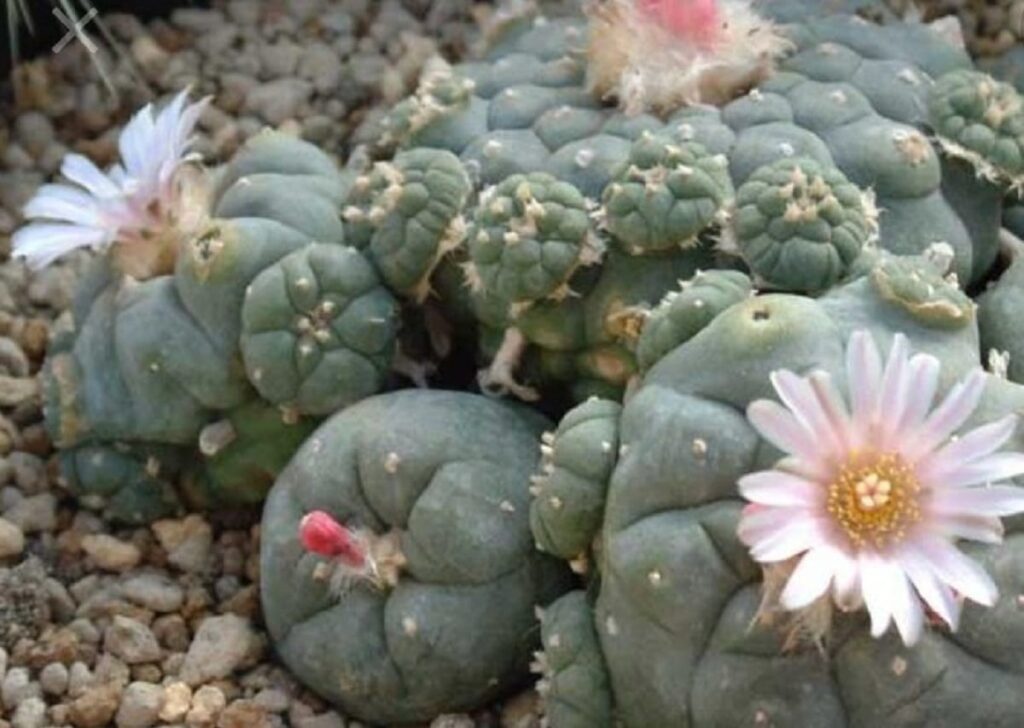
There’s something almost mystical about the Lophophora genus—a quiet, unassuming cactus that seems to hold the secrets of ancient deserts within its ribbed, spineless form. For collectors, these plants are more than mere succulents; they are living artifacts, each species a chapter in a story of resilience and adaptation. The fascination isn’t just in their rarity or beauty, but in the way they challenge our perceptions of what a cactus can be. Without spines, without the usual armor of the desert, they rely on subtlety, on the slow unfurling of their crowns like silent poets of the plant world. This guide dives into the most popular Lophophora species, not just as objects of desire, but as windows into a deeper appreciation of nature’s ingenuity.
The Enigmatic Allure of Lophophora: Why These Cacti Captivate Collectors
At first glance, a Lophophora might seem unremarkable—no dramatic spikes, no flashy blooms, just a rounded, ribbed body nestled in the soil. Yet, it’s precisely this understated elegance that ensnares enthusiasts. The genus, native to the arid landscapes of northern Mexico and the southwestern United States, thrives in conditions that would wither most plants. This paradox—of thriving where others perish—imbues Lophophora with an aura of quiet defiance. Collectors are drawn not just to their rarity but to the way they embody the paradox of strength in stillness. A mature Lophophora can live for decades, its growth so slow it’s almost imperceptible, a testament to patience and endurance. In a world obsessed with speed and spectacle, these cacti offer a counterpoint: a lesson in the beauty of restraint.
Lophophora williamsii: The Sacred Peyote of Ancestral Lore
No discussion of Lophophora would be complete without mentioning L. williamsii, the most storied species of them all. Known colloquially as peyote, this cactus has been revered for millennia by Indigenous peoples across the Americas for its psychoactive properties. But its significance transcends the chemical; it’s a cultural keystone, woven into rituals, medicine, and even legal battles over indigenous rights. The plant’s small, button-like appearance belies its profound impact—each specimen is a living link to ancient traditions. For collectors, growing L. williamsii is an act of stewardship, a way to honor a legacy that predates modern horticulture by centuries. The challenge lies in replicating its natural habitat: alkaline soils, intense sunlight, and a near-total absence of water for months on end. Yet, those who succeed are rewarded not just with a plant, but with a piece of living history.

Lophophora diffusa: The Golden Jewel of the Chihuahuan Desert
If L. williamsii is the elder statesman of the genus, then L. diffusa is its radiant counterpart. Native to the Chihuahuan Desert, this species is distinguished by its pale, almost translucent ribs and a golden hue that seems to glow under the right light. Unlike its more famous relative, L. diffusa lacks the psychoactive compounds that have made peyote controversial, yet it’s no less captivating. Its subtle coloration—ranging from buttery yellow to soft green—makes it a favorite among collectors who appreciate understated sophistication. The plant’s slow growth and preference for mineral-rich soils add to its mystique. To cultivate L. diffusa is to engage in a dialogue with the earth itself, coaxing forth a jewel-like specimen that reflects the mineral wealth of its native terrain.
Lophophora koehresii: The Rare and Elusive Gem
Among Lophophora enthusiasts, L. koehresii is the unicorn of the genus—a species so scarce in the wild that it’s often confused with hybrids or mislabeled in cultivation. Native to a tiny pocket of Coahuila, Mexico, this cactus is a master of disguise, its ribs so tightly packed they resemble a tightly woven basket. Its rarity isn’t just a matter of geography; it’s a result of over-collection and habitat destruction. For collectors, acquiring a true L. koehresii is akin to finding a rare manuscript—an opportunity to preserve a piece of botanical history. The challenge of growing it is part of the allure; its exacting requirements—specific soil pH, minimal disturbance—demand a level of attention that separates the casual grower from the dedicated connoisseur.
Lophophora fricii: The Blue-ribbed Enigma
With its striking blue-green ribs and a compact, almost spherical form, L. fricii is a visual standout in any collection. Discovered relatively recently (in the 1970s), this species has quickly become a darling of enthusiasts who crave something beyond the ordinary. Its coloration isn’t just aesthetic; it’s a survival strategy, a way to reflect harsh sunlight and reduce water loss. The blue tint, caused by a waxy coating called epicuticular wax, is a marvel of evolutionary engineering. Yet, despite its visual drama, L. fricii remains one of the more challenging species to cultivate. It’s prone to rot if overwatered and can languish if not given enough light. For those who succeed, however, the reward is a living sculpture, a testament to nature’s ability to turn adversity into art.
Cultivation Secrets: How to Nurture Lophophora Like a Pro
The key to growing Lophophora isn’t just about providing water and sunlight—it’s about understanding the rhythm of their native habitats. These cacti thrive in mineral-rich, sharply draining soils, often with a high percentage of inorganic material like pumice or perlite. Overwatering is the fastest way to kill them; in their natural environment, they may go months without a drop, relying on dew and occasional rainfall. Light is another critical factor—too little, and they etiolate (stretch unnaturally); too much, and they can sunburn. The ideal setup mimics the high desert: bright, indirect light with periods of intense, direct sun. Temperature fluctuations, too, play a role; a winter rest period at cooler temperatures encourages flowering and healthy growth. For collectors, the real art lies in resisting the urge to interfere. Lophophora doesn’t need coddling; it needs patience, and in that patience, it reveals its quiet majesty.
The Ethical Collector: Preserving Lophophora for Future Generations
As with any rare or culturally significant plant, the line between collector and conservationist can blur. The demand for Lophophora species has led to black-market trade and habitat destruction, threatening wild populations. Ethical collectors approach the hobby with a sense of responsibility, prioritizing cultivated specimens over wild-harvested ones. Propagation from seed or offsets is the gold standard, ensuring that each plant is a renewable resource rather than a finite treasure. Joining societies like the Cactus and Succulent Society can provide access to reputable growers and conservation efforts. For those who truly love these plants, the goal isn’t just to possess them, but to ensure their survival—for the sake of the cacti themselves, and for the cultures that have revered them for centuries.
FAQ
What is Lophophora?
Lophophora is a genus of small, spineless cacti native to arid regions, known for species like peyote.
How do you care for Lophophora?
They require well-draining soil, bright indirect light, and minimal watering.
Why are Lophophora species important?
They hold cultural significance and are threatened by over-collection and habitat loss.




Leave a Reply