
Short Answer
Have you ever paused to consider the plight of the humble Mammillaria—those tiny, spiky sentinels of the desert, standing resilient against the relentless march of progress? These unassuming cacti, with their geometric elegance and slow, deliberate growth, are more than just prickly ornaments in a sunbaked landscape. They are keystone species, their survival intricately woven into the tapestry of their ecosystems. Yet, as human hands reshape the earth, the future of Mammillaria hangs in a precarious balance. What happens when the deserts they call home shrink, fragment, or vanish entirely? The answer is as prickly as the cacti themselves—and far more alarming.
The Silent Vanishing: How Habitat Loss Eclipses the Desert’s Quiet Guardians
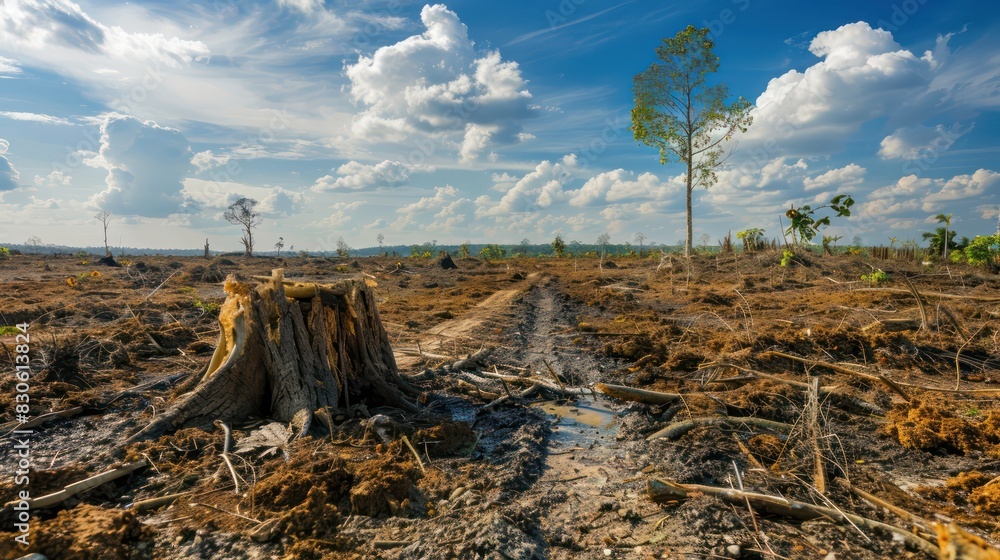
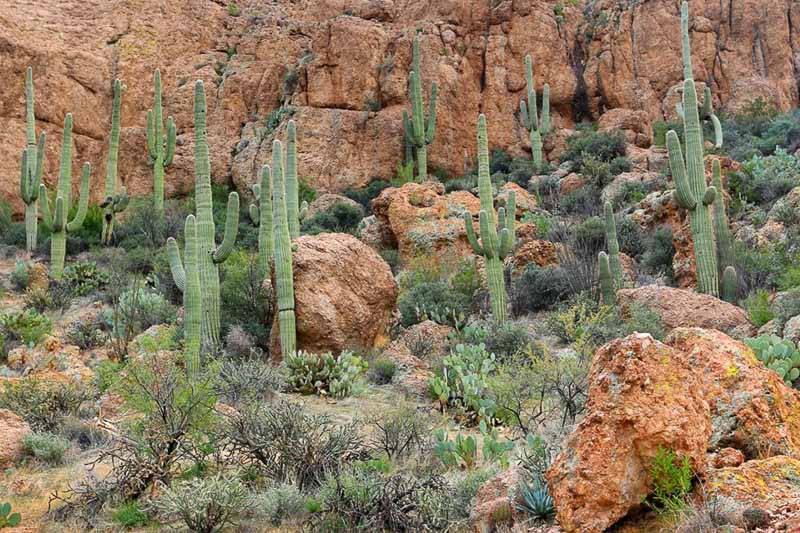
The arid realms where Mammillaria thrive are not barren wastelands, but finely tuned biomes where every grain of sand and gust of wind plays a role in sustaining life. Yet, these landscapes are under siege. Urban sprawl, agricultural expansion, and industrial encroachment carve through their delicate ecosystems like a knife through silk. The Mammillaria, with its shallow roots and slow reproductive cycle, is ill-equipped to flee or adapt to such abrupt transformations. When their habitats shrink, so too does their genetic diversity—a death knell for species already teetering on the edge of local extinction.
Consider the Mammillaria heyderi, a species native to the Chihuahuan Desert. Once a common sight, its populations now dwindle as roads bisect its territory and grazing livestock trample its delicate soil crusts. The loss isn’t just numerical; it’s a fracturing of ecological memory. Each vanished patch of habitat erases generations of adaptive wisdom, leaving behind a landscape that is biologically poorer and less resilient.
Pollinators in Peril: The Domino Effect of Declining Cactus Populations
But the tragedy of Mammillaria loss extends beyond the cacti themselves. These plants are lifelines for a host of desert dwellers—bees, moths, and even hummingbirds—who rely on their nectar and pollen. When Mammillaria populations collapse, so too does the food web they support. The ripple effects are insidious: fewer pollinators mean less fruit set in other plants, which in turn reduces food for herbivores, and on and on, until the desert’s once-vibrant pulse weakens into a faint, flickering shadow of its former self.
Take the case of the Mammillaria grahamii, a species whose vibrant pink flowers are a magnet for native bees. As its numbers decline, these bees must travel farther for nourishment, expending precious energy that could otherwise be directed toward colony growth. The result? Smaller, weaker hives—and a desert that grows quieter with each passing season.
The Urban Oasis Paradox: Can We Save Mammillaria in a Concrete Jungle?
In an era where concrete jungles encroach upon natural ones, the question arises: Can Mammillaria populations survive in urban or suburban settings? The answer is a cautious “maybe.” Some species, like Mammillaria elongata, have shown remarkable adaptability, thriving in rock gardens and container arrangements. Yet, these are artificial ecosystems, far removed from the ecological synergies of their native habitats. The real challenge lies in preserving—or recreating—the conditions that allow Mammillaria to flourish naturally.
This is where conservationists face a conundrum: How do we balance human development with the preservation of species that cannot adapt to our rapid transformations? The answer may lie in innovative strategies—such as habitat corridors that connect fragmented populations or community-led restoration projects that reintroduce native flora to degraded lands. But these efforts require more than good intentions; they demand systemic change, from policy shifts to public education.
The Black Market Threat: When Mammillaria Becomes a Commodity
Beneath the surface of habitat loss lurks another, more sinister threat: the illegal trade of Mammillaria species. These cacti, prized for their rarity and beauty, are plucked from the wild and sold to collectors willing to pay exorbitant prices. The result? Populations are decimated overnight, leaving behind barren patches where once there was life. The Mammillaria pectinifera, for instance, is so heavily poached that it is now listed as critically endangered in parts of its range.
Combating this black market is a Herculean task. It requires international cooperation, stringent regulations, and a cultural shift away from the commodification of living organisms. Yet, the allure of the exotic is a powerful force, and until we address the root causes of demand, the plunder will continue.
Climate Change: The Invisible Hand Accelerating Extinction
If habitat loss is the blade, climate change is the unseen force sharpening it. Rising temperatures, prolonged droughts, and shifting precipitation patterns alter the delicate balance of desert ecosystems. For Mammillaria, which rely on specific microclimates and seasonal cues, these changes can be catastrophic. A single unseasonal frost or a year of scant rainfall can wipe out entire populations in a matter of months.
The Mammillaria longimamma, with its distinctive elongated tubercles, is particularly vulnerable to these shifts. As its native habitats grow hotter and drier, its ability to reproduce and compete with more resilient species diminishes. The cacti that once dotted the landscape like living sculptures may soon become relics of a bygone era.
Hope in the Cracks: Conservation Efforts That Give Mammillaria a Fighting Chance
Amidst the gloom, there are glimmers of hope. Conservationists, botanical gardens, and indigenous communities are working tirelessly to protect Mammillaria populations. Seed banks preserve genetic diversity, while reintroduction programs aim to restore degraded habitats. In Mexico, for example, local groups have successfully propagated Mammillaria species and reintroduced them into protected areas, proving that recovery is possible with concerted effort.
Yet, these efforts are but a drop in the bucket compared to the scale of the crisis. True salvation will require a global awakening—a recognition that the fate of Mammillaria is not just a matter for cactus enthusiasts, but a bellwether for the health of our planet. Every lost species is a thread unraveled from the fabric of life, and the desert’s silent guardians deserve nothing less than our full attention.
The question we must ask ourselves is not whether we can afford to save the Mammillaria, but whether we can afford not to. The answer, buried beneath layers of soil and time, may well determine the future of the desert itself.
FAQ
What is the main impact of habitat loss on Mammillaria?
Habitat loss leads to declining populations, reduced genetic diversity, and affects the entire desert ecosystem reliant on these cacti.
How do conservationists help Mammillaria species?
Conservationists use seed banks, reintroduction programs, and create habitat corridors to connect fragmented populations.


Leave a Reply