
Short Answer
What if the humble cactus, that prickly desert sentinel, could help us untangle the Gordian knot of plastic pollution? Imagine a world where single-use plastics dissolve harmlessly into the soil, where packaging doesn’t linger for centuries, and where our consumer choices don’t come at the expense of future generations. This isn’t a utopian fantasy—it’s the promise of cactus-based biodegradable materials, a revolution brewing in labs and studios across the globe. From fashion runways to agricultural mulches, the spiky green icon is shedding its thorny reputation to become a symbol of sustainability. But can this desert dweller truly outperform the ubiquitous plastic we’ve grown so dependent on? Let’s dig in.
The Cactus Renaissance: A Thorny Solution to a Sticky Problem
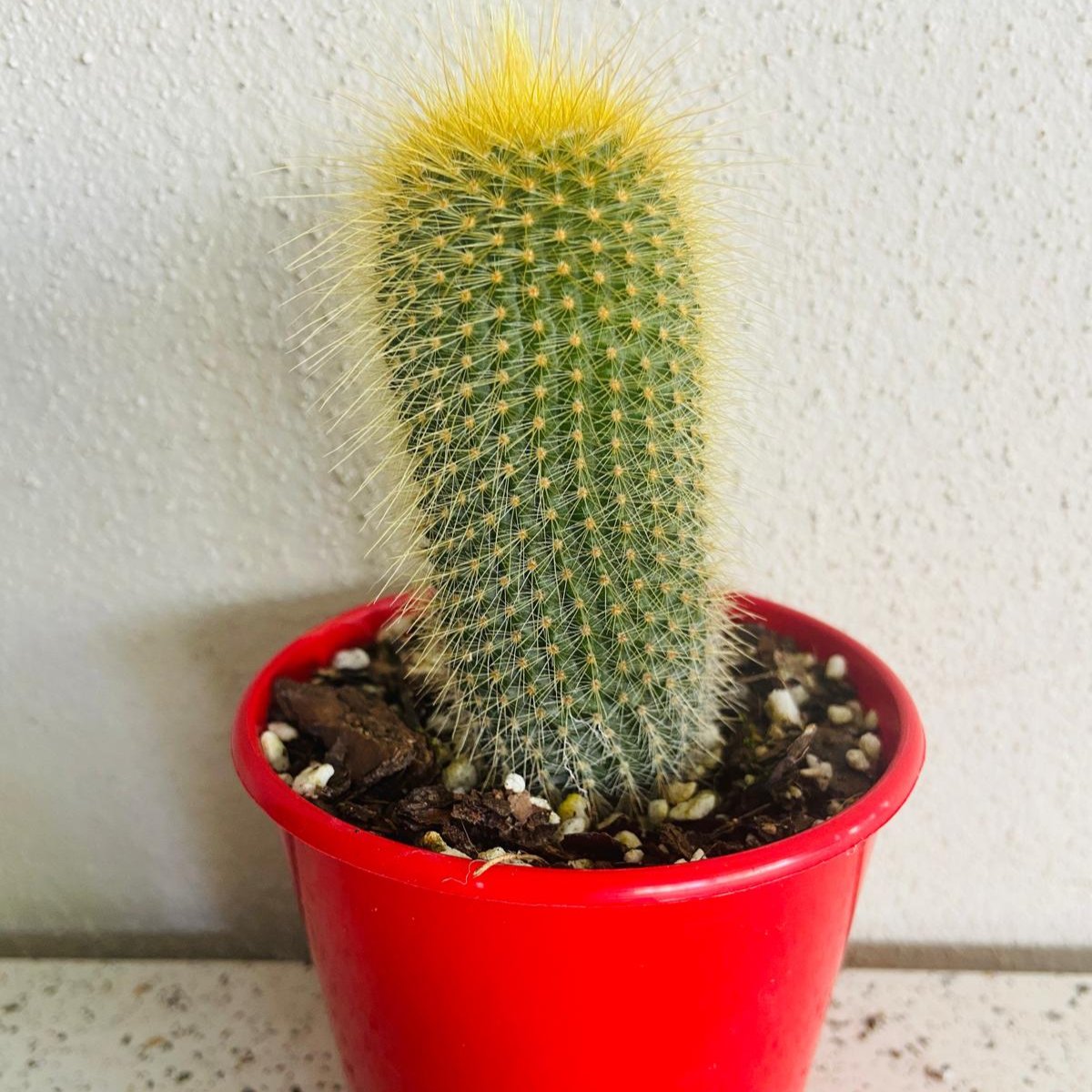
Plastic, that marvel of modern chemistry, has woven itself into the fabric of our lives—from the microbeads in our toothpaste to the colossal gyres swirling in our oceans. Yet, its very durability, once hailed as a triumph, now feels like a curse. Enter the cactus, a plant that thrives in arid conditions by storing water in its fleshy pads and warding off predators with its spines. Scientists have unlocked a secret hidden in its sap: a milky liquid rich in polysaccharides, the same molecular chains that give plastics their strength. When extracted and processed, this cactus juice can be molded into films, fibers, and foams that biodegrade in weeks rather than centuries.
The magic lies in the chemistry. Unlike petroleum-based plastics, which require toxic solvents and energy-intensive production, cactus-derived materials can be crafted using water-based processes. The result? A material that doesn’t just *look* like plastic but behaves like it—flexible, durable, and versatile—without the ecological baggage. Brands like Desserto have already turned this innovation into a reality, crafting vegan leather from prickly pear cactus that graces everything from handbags to car interiors. But the cactus’s potential extends far beyond fashion. Could this be the key to finally breaking free from our plastic addiction?
From Lab to Landfill: The Lifecycle of a Cactus-Based Wonder
Every material tells a story, and the tale of cactus-based biodegradable plastics is one of circularity. The journey begins in the sun-baked fields where cacti grow with minimal water and no pesticides, a stark contrast to the water-guzzling cotton or the chemically intensive rubber trees. Once harvested, the leaves are crushed to extract the sap, which is then purified and combined with natural fibers—think hemp, flax, or even agricultural waste—to enhance its properties. The resulting composite can be extruded into sheets, spun into threads, or molded into three-dimensional shapes.
Here’s where it gets fascinating: when these materials reach the end of their life, they don’t need to be recycled in the traditional sense. Instead, they can be composted. In the right conditions—warmth, moisture, and microbial activity—the cactus plastic will break down into organic matter within months, leaving behind no microplastics or toxic residues. This closed-loop system is a far cry from the linear “take-make-waste” model that defines our current economy. But can it scale? The challenge lies in infrastructure. Composting facilities, especially in urban areas, are still rare. Without widespread access to industrial composting, even the most eco-friendly material risks ending up in a landfill, where decomposition slows to a crawl. How do we bridge this gap between innovation and accessibility?
The Fashion Frontier: Can Cactus Leather Outshine the Real Thing?
Fashion is one of the most polluting industries on the planet, responsible for 10% of global carbon emissions and a staggering 20% of wastewater. Enter cactus leather—a material that promises the buttery softness of animal hide without the ethical dilemmas or environmental toll. Brands like H&M and Karl Lagerfeld have already dipped their toes into this space, using cactus-based alternatives to craft everything from sneakers to evening gowns. The material’s breathability and durability make it a compelling substitute for traditional leather, which relies on toxic tanning processes and contributes to deforestation.
Yet, the fashion industry’s love affair with novelty often overshadows its commitment to sustainability. Will cactus leather remain a niche curiosity, or will it become a mainstream staple? The answer may lie in consumer education. Shoppers accustomed to the glossy finish of polyurethane leather or the patina of genuine leather may initially resist the slightly textured, organic feel of cactus-based materials. Moreover, the price point—currently higher than conventional leather—could deter budget-conscious buyers. But as production scales and technology advances, costs are likely to drop. The real test will be whether designers can make cactus leather *irresistible*—not just as a guilt-free alternative, but as a desirable material in its own right.
Beyond Fashion: Cactus Innovations in Agriculture, Packaging, and Beyond
The cactus’s talents don’t end with fashion. In agriculture, cactus-based mulches are emerging as a game-changer for water conservation. These biodegradable films, laid over soil, suppress weeds, retain moisture, and eventually decompose, enriching the earth rather than choking it. Unlike traditional plastic mulches, which require painstaking removal and disposal, cactus mulches simply melt away, leaving the soil healthier than before. Could this be the solution to the 6 million tons of plastic waste generated by agricultural films each year?
Packaging is another frontier. Startups are experimenting with cactus-based films for food wrappers, bubble wrap, and even disposable cutlery. The material’s natural resistance to oils and grease makes it ideal for food packaging, while its shock-absorbing properties could revolutionize protective packaging. Imagine a world where your online shopping arrives in a box lined with cactus foam, and the void fillers dissolve harmlessly in your compost bin. The potential is staggering—but so are the hurdles. Regulatory approval, scalability, and consumer acceptance all stand in the way of widespread adoption.
And then there’s the wild card: 3D printing. Researchers are exploring cactus-based filaments that could be used to print everything from furniture to medical implants. The material’s biodegradability makes it particularly appealing for single-use applications, like surgical tools or disposable lab equipment. Could cactus plastic become the go-to material for a new wave of sustainable manufacturing?
The Thorny Path Forward: Challenges and Ethical Considerations
For all its promise, the cactus plastic revolution is not without its thorns. One of the biggest challenges is land use. While cacti are low-maintenance, scaling up production could lead to monocultures that displace native flora or disrupt local ecosystems. Additionally, the extraction of cactus sap must be done sustainably to avoid depleting the plants or harming the soil. There’s also the question of water. Though cacti require less water than many crops, large-scale farming could still strain local resources in water-scarce regions.
Ethically, the rise of cactus-based materials raises questions about greenwashing. How do we ensure that companies aren’t simply slapping a “natural” label on their products without truly committing to sustainability? Transparency in the supply chain will be crucial. Consumers must demand proof that the cactus used is ethically sourced, the production process is low-impact, and the end-of-life disposal is genuinely circular.
Then there’s the issue of performance. While cactus plastics are promising, they’re not yet a one-size-fits-all solution. Some applications may still require the durability of traditional plastics, at least in the short term. The challenge for innovators is to push the boundaries of what’s possible—developing materials that are not just eco-friendly, but *better* than what they’re replacing.
A Greener Future, One Prickle at a Time
The cactus is more than a plant; it’s a symbol of resilience, adaptability, and ingenuity. In a world drowning in plastic, it offers a glimmer of hope—a reminder that nature has already solved many of the problems we’re struggling to address. From fashion to farming, packaging to 3D printing, the possibilities are as vast as the deserts where these plants thrive.
Yet, the path forward is not without obstacles. Scaling up production, ensuring ethical sourcing, and convincing industries to embrace change will require collaboration, creativity, and a willingness to rethink the status quo. But if there’s one thing the cactus teaches us, it’s that even in the harshest conditions, life finds a way. Perhaps, with a little ingenuity, so too can we.
So the next time you see a cactus, don’t just admire its spines—imagine the potential hidden within its fleshy leaves. The future of sustainable materials may be pricklier than we thought, but it’s also far greener.
FAQ
What are cactus-based biodegradable materials?
Cactus-based biodegradable materials are sustainable alternatives to traditional plastics, derived from the sap of cacti, which can decompose naturally without leaving harmful residues.
How are cactus materials used in fashion?
Cactus materials are used to create vegan leather, providing durable and eco-friendly alternatives for clothing and accessories.
What benefits do cactus-based materials offer in agriculture?
Cactus-based mulches help conserve water, suppress weeds, and enrich the soil as they decompose, unlike traditional plastic mulches.

Leave a Reply