
Short Answer
In the vast, sun-drenched landscapes where cacti reign as silent sovereigns, a quiet revolution is underway—one that marries resilience with artistry, tradition with innovation. Opuntia grafting, a practice as ancient as the desert itself, has evolved into a canvas for botanical creativity, offering enthusiasts the chance to sculpt living sculptures that defy expectations. This isn’t merely about merging plants; it’s about orchestrating a symphony of spines, hues, and textures, where each grafted union tells a story of adaptation, survival, and unexpected beauty. If you’ve ever gazed at a cactus and wondered what secrets lie beneath its prickly exterior, prepare to embark on a journey that will transform your understanding of these desert dwellers—and perhaps even your own approach to gardening.
The Art of Opuntia Grafting: Where Science Meets Serendipity
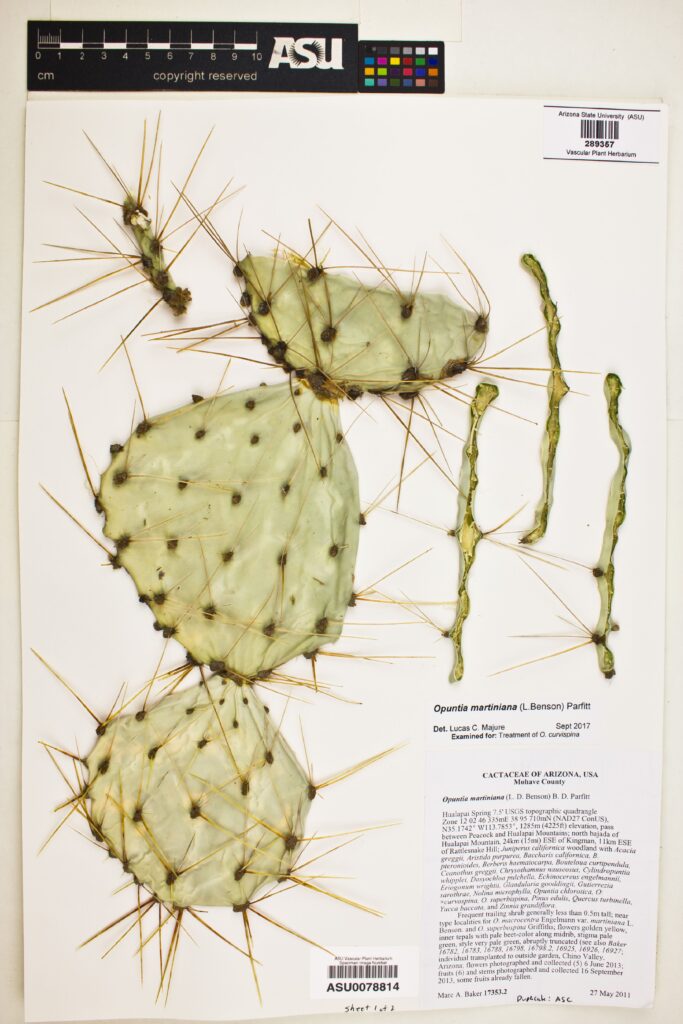
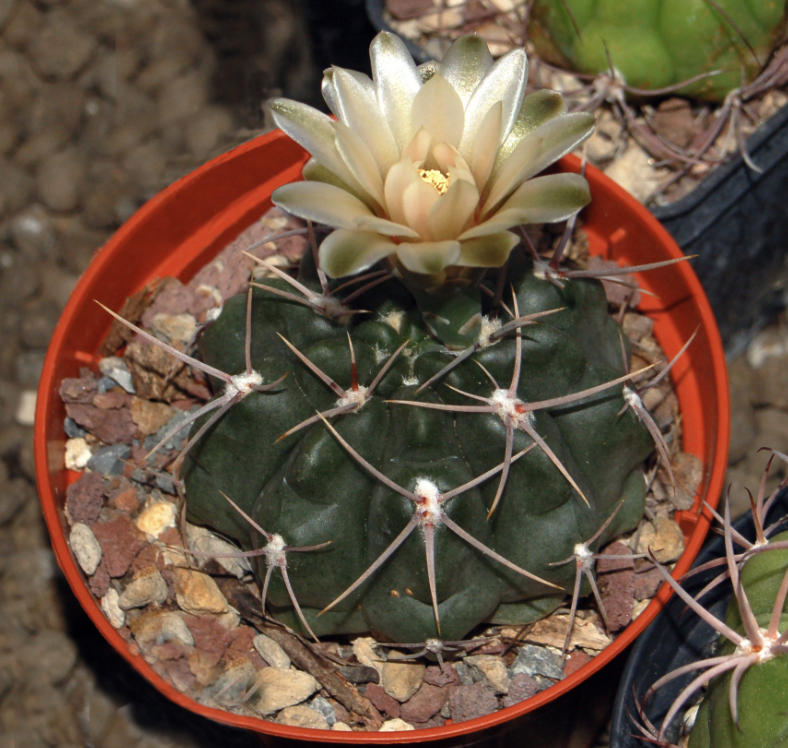
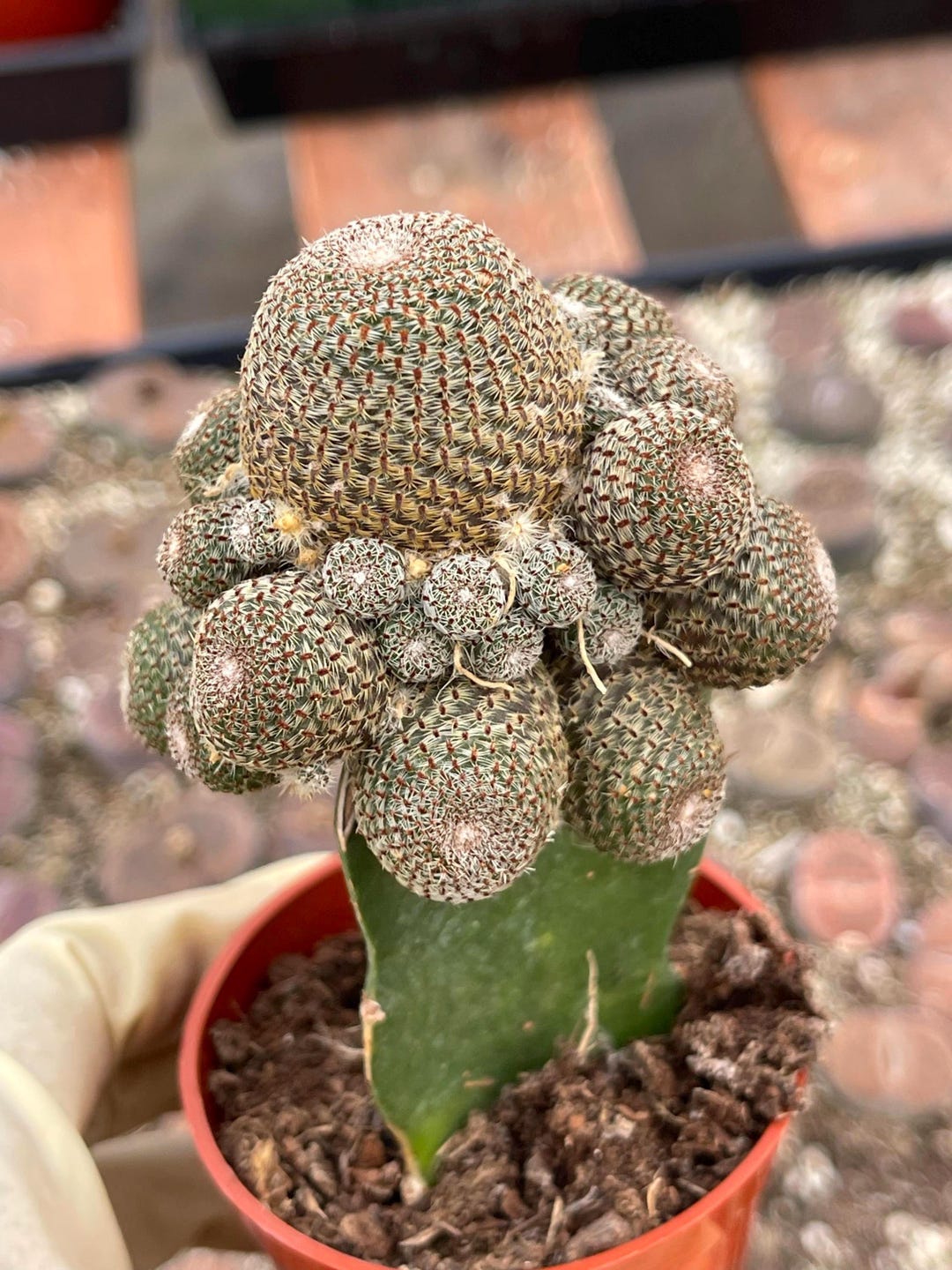
Grafting, at its core, is a dance of biology and intuition. The Opuntia genus, with its flat, pad-like stems and resilient nature, serves as an ideal partner in this botanical waltz. Unlike more finicky cacti, Opuntia species boast a vascular system that readily accepts grafts, making them the perfect canvas for experimentation. Picture this: a sturdy Opuntia pad, its surface glistening under the desert sun, becomes the foundation for a grafted marvel. The process begins with precision—selecting a scion (the upper plant) and a stock (the base) that share a harmonious growth rate. Timing is everything; the graft must be performed during the active growing season, when the plants are primed for union. A clean cut, a steady hand, and a dash of patience are all that stand between you and a living masterpiece. But why stop at mere survival? The true magic lies in the unexpected combinations that emerge—Opuntia fused with a columnar cactus, its vertical spines creating a striking contrast against the flat pads, or a delicate Gymnocalycium perched atop an Opuntia stock, its vibrant colors popping against the muted greens of its host.
Choosing Your Partners: The Alchemy of Compatibility
Not all cacti are destined to coexist in harmony. The key to a successful graft lies in selecting partners that share similar environmental needs and growth habits. Opuntia, with its drought tolerance and rapid growth, pairs beautifully with other hardy genera like Cereus or Echinopsis. However, the real intrigue begins when you venture into uncharted territory. Imagine grafting a diminutive Mammillaria onto an Opuntia stock, its spherical form creating a whimsical contrast against the flat pads. Or consider the bold statement of a Ferocactus graft, its ribbed, imposing structure softened by the Opuntia’s gentle curves. The possibilities are as boundless as your imagination. Yet, caution is paramount. Some combinations, though visually stunning, may prove incompatible in the long run. A grafted union that outpaces the stock’s ability to support it can lead to collapse, a poignant reminder that even in the plant kingdom, not all love stories have happy endings.
The Ritual of the Cut: Precision as an Act of Love
There is something almost sacred about the act of grafting—a ritual that demands reverence for the living tissue. The tools must be sterilized, the cuts clean, and the environment controlled. Too much moisture, and the graft may rot; too little, and it may desiccate. The first step is to select a healthy Opuntia pad, one that is plump and free of blemishes. Using a sharp, sterile blade, make a horizontal cut across the top of the pad, ensuring the surface is smooth and even. Next, prepare your scion—a small, healthy segment of the cactus you wish to graft. The scion should be no larger than a few inches in diameter, its base trimmed to match the cut of the Opuntia pad. Here’s where the magic happens: press the scion gently onto the Opuntia stock, aligning their vascular tissues as closely as possible. Some growers use rubber bands or grafting clips to secure the union, while others rely on the natural cling of the plants. The goal is to create an unbroken connection, a lifeline that will allow the scion to draw nourishment from its host. Cover the graft with a thin layer of sphagnum moss or a breathable fabric to retain moisture without suffocating the plants. Then, the hardest part: waiting. Patience is the gardener’s greatest virtue, and in the world of grafting, it is rewarded with the slow unfurling of new growth—a testament to your skill and the plants’ resilience.
Nurturing the Union: A Delicate Balancing Act
Once the graft has taken hold, the real work begins. The newly united plants must be shielded from the harshest elements—intense sunlight, fluctuating temperatures, and pests that see fresh grafts as an all-you-can-eat buffet. A shaded, humid environment is ideal for the first few weeks, allowing the graft to heal without stress. Water sparingly, just enough to keep the soil lightly moist, but never soggy. Overwatering is the kiss of death for a graft, inviting rot and fungal invaders. As the weeks pass, gradually reintroduce the plant to brighter conditions, monitoring its progress with the keen eye of a detective. New growth at the graft site is the ultimate sign of success—a harbinger of the vibrant, hybrid plant that will emerge. But beware the pitfalls. Etiolation, the stretching of stems in search of light, is a common affliction among grafted cacti. Rotate the plant regularly to ensure even exposure, and consider supplemental grow lights if natural light is scarce. And always, always keep an eye out for pests. Mealybugs and scale insects find weakened grafts irresistible, their presence a silent scream for intervention. A dab of isopropyl alcohol on a cotton swab can dispatch these uninvited guests without harming your precious creation.
The Aesthetic Revolution: Crafting Living Sculptures
Beyond the technical triumphs, Opuntia grafting is an exercise in artistic expression. The resulting plants are not merely survivors; they are statements. A grafted Epiphyllum atop an Opuntia stock becomes a cascading waterfall of blooms, its epiphytic nature softened by the desert-hardy base. A Gymnocalycium grafted onto Opuntia creates a jewel-toned centerpiece, its lack of chlorophyll (and thus, its vibrant colors) a stark contrast to the Opuntia’s earthy tones. The possibilities are limited only by your creativity. Some enthusiasts push the boundaries further, grafting multiple scions onto a single Opuntia pad, creating a veritable bouquet of cacti. Others experiment with color gradients, layering scions of varying hues to achieve a painterly effect. The result is a living art form, a testament to the gardener’s vision and the plants’ adaptability. But this is more than decoration. Each grafted plant carries within it the potential to inspire—whether in a desert garden, a greenhouse, or a humble windowsill. It challenges our perceptions of what a cactus can be, transforming the mundane into the extraordinary.
Troubleshooting the Unexpected: When Grafts Go Rogue
Even the most meticulous growers encounter setbacks. A graft that fails to take, a scion that withers before it can root, or a stock that succumbs to rot—these are the trials that test a gardener’s resolve. But failure is not the end; it is a lesson in disguise. Perhaps the scion was too large, or the cut was not clean enough. Maybe the environment was too dry, or the graft was disturbed too soon. Each misstep offers an opportunity to refine your technique, to learn the subtle language of the plants. Keep a journal of your grafts, noting the conditions, the timing, and the outcomes. Over time, patterns will emerge, revealing the secrets to success. And remember, not all grafts are meant to last. Some scions outgrow their hosts, their rapid growth causing the union to split apart. In these cases, the graft has served its purpose—it has allowed the scion to thrive long enough to stand on its own. Celebrate these moments, for they are proof of the temporary nature of all things, even in the world of plants.
The Future of Grafting: A Call to Experiment
Opuntia grafting is more than a hobby; it is a movement. It invites us to question, to innovate, and to see the world through a lens of possibility. As climate change reshapes our landscapes, the adaptability of grafted cacti offers a glimmer of hope—a way to preserve rare and delicate species by grafting them onto hardier stocks. Imagine a future where endangered cacti are saved from extinction through the art of grafting, their genes preserved in the living tissue of their more resilient kin. This is not mere speculation; it is a tangible reality for those willing to take up the challenge. The tools are at your fingertips—a sharp blade, a steady hand, and an unquenchable curiosity. The desert awaits, and with it, the chance to create something truly extraordinary. So, what will you graft today?
FAQ
What is Opuntia grafting?
Opuntia grafting is the process of combining different cacti, particularly using Opuntia species as a base, to create unique and visually appealing hybrids.
How do I select compatible cacti for grafting?
Choose cacti that share similar environmental needs and growth habits, such as drought tolerance and growth rates, to ensure a successful graft.
What tools are needed for grafting?
Essential tools include a sharp, sterile blade for cutting, clips or rubber bands for securing the graft, and materials to retain moisture like sphagnum moss.


Leave a Reply