
Short Answer
There’s something quietly revolutionary about bringing a cactus into a classroom. Not the kind of revolution that makes headlines, but the kind that transforms the air itself—dry, resilient, and unexpectedly vibrant. Educators across the globe have begun to embrace these prickly botanical companions, not merely as decorative afterthoughts, but as catalysts for creativity, focus, and even emotional resilience. The humble cactus, with its stoic endurance and striking silhouettes, has become a symbol of adaptability in spaces designed for growth. Yet beneath its spiny exterior lies a deeper narrative: one of quiet defiance against sterility, a celebration of individuality, and a reminder that learning, like desert flora, thrives in the most unexpected conditions.
The Pedagogical Power of Prickly Inspiration
Teachers are perpetual alchemists, turning the mundane into the magical. A classroom devoid of life—be it human or botanical—can feel sterile, a place of transaction rather than transformation. Enter the cactus, a living paradox: soft-hearted beneath its armor, fiercely independent, and endlessly adaptable. Its presence alone disrupts the monotony of fluorescent lighting and beige walls. Studies in environmental psychology suggest that biophilic design—incorporating natural elements—reduces stress and enhances cognitive function. A cactus, with its sculptural form and slow, deliberate growth, offers a microcosm of this philosophy. Its resilience mirrors the challenges students face daily: navigating social dynamics, grappling with complex ideas, and persisting through setbacks. By integrating cacti into lesson plans, educators don’t just decorate; they cultivate a mindset.
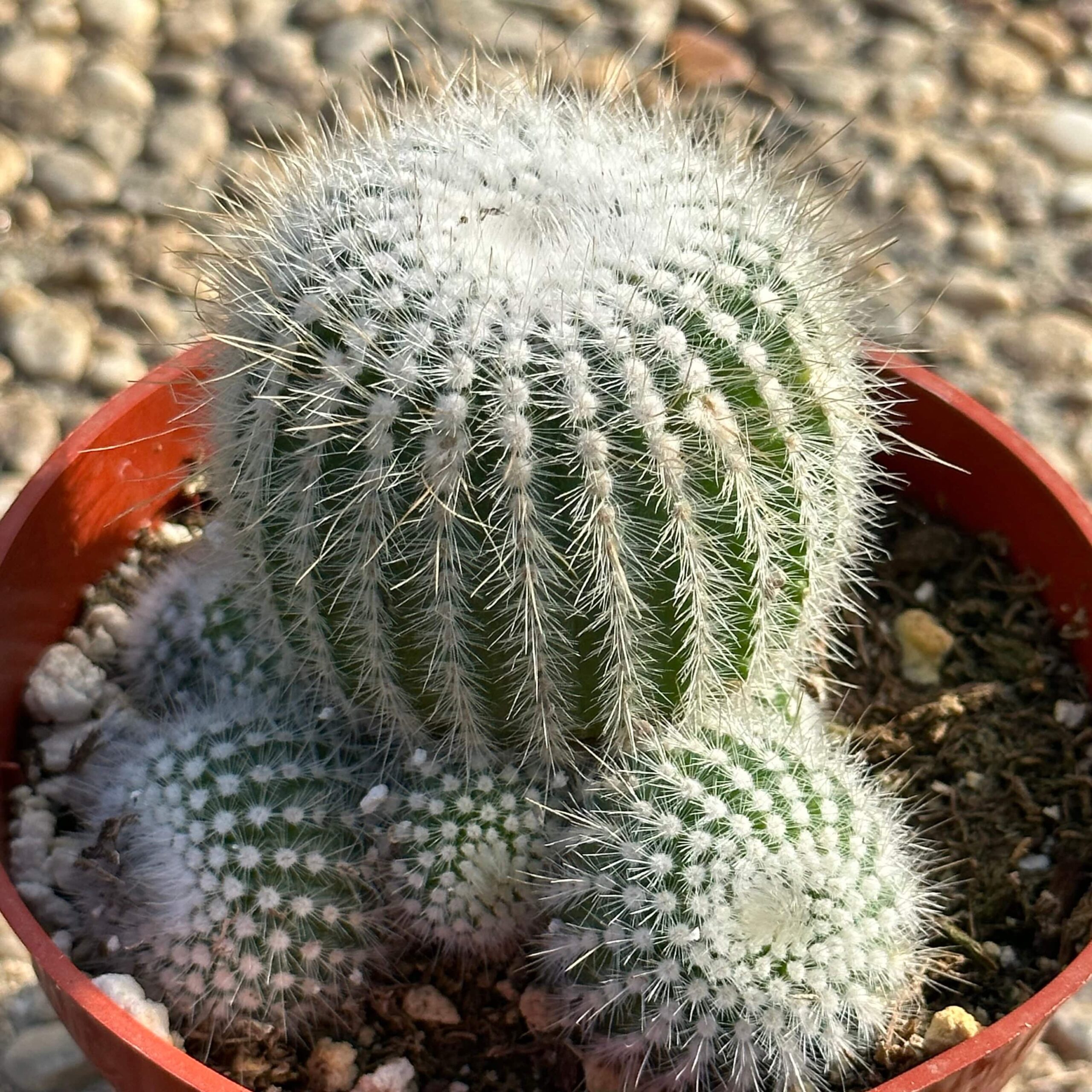
Consider the geometry of a saguaro’s ribs or the fractal patterns of a barrel cactus. These natural structures invite mathematical exploration—symmetry, angles, scaling. A classroom cactus can become a living compass for interdisciplinary learning. Art teachers might task students with sketching its contours, while science educators dissect its adaptations to arid climates. The cactus doesn’t just sit there; it sparks inquiry. Its spines, often mistaken for mere defense mechanisms, are actually modified leaves, a marvel of evolutionary ingenuity. What better way to teach adaptation than through a plant that thrives where others wither?
Crafting Connections: Hands-On Cactus Projects for Every Subject
The classroom cactus is a blank canvas for creativity, adaptable to any subject or age group. For younger learners, a “Cactus Life Cycle” unit can blend science and art: students plant seeds (or propagate cuttings) in small pots, tracking growth over weeks. The tactile act of handling soil and spines fosters fine motor skills, while the slow progress teaches patience—a virtue increasingly rare in an instant-gratification world. Meanwhile, middle schoolers might design “Desert Ecosystem Dioramas,” using cacti as the centerpiece to explore food chains, water conservation, and the interplay between flora and fauna. The project demands research, collaboration, and a touch of artistic flair.
In language arts, cacti become metaphors for resilience. A writing prompt like “Describe a time you felt like a cactus—thorny on the outside, soft within” can unlock deeply personal reflections. For older students, the cactus’s role in indigenous cultures—from the Seri people of Mexico, who use it for food and tools, to Native American traditions—offers a rich vein for historical and ethical discussions. Even math classrooms can get in on the act: calculating the volume of a cylindrical cactus pot or graphing its growth rate over time turns abstract concepts into tangible experiences.
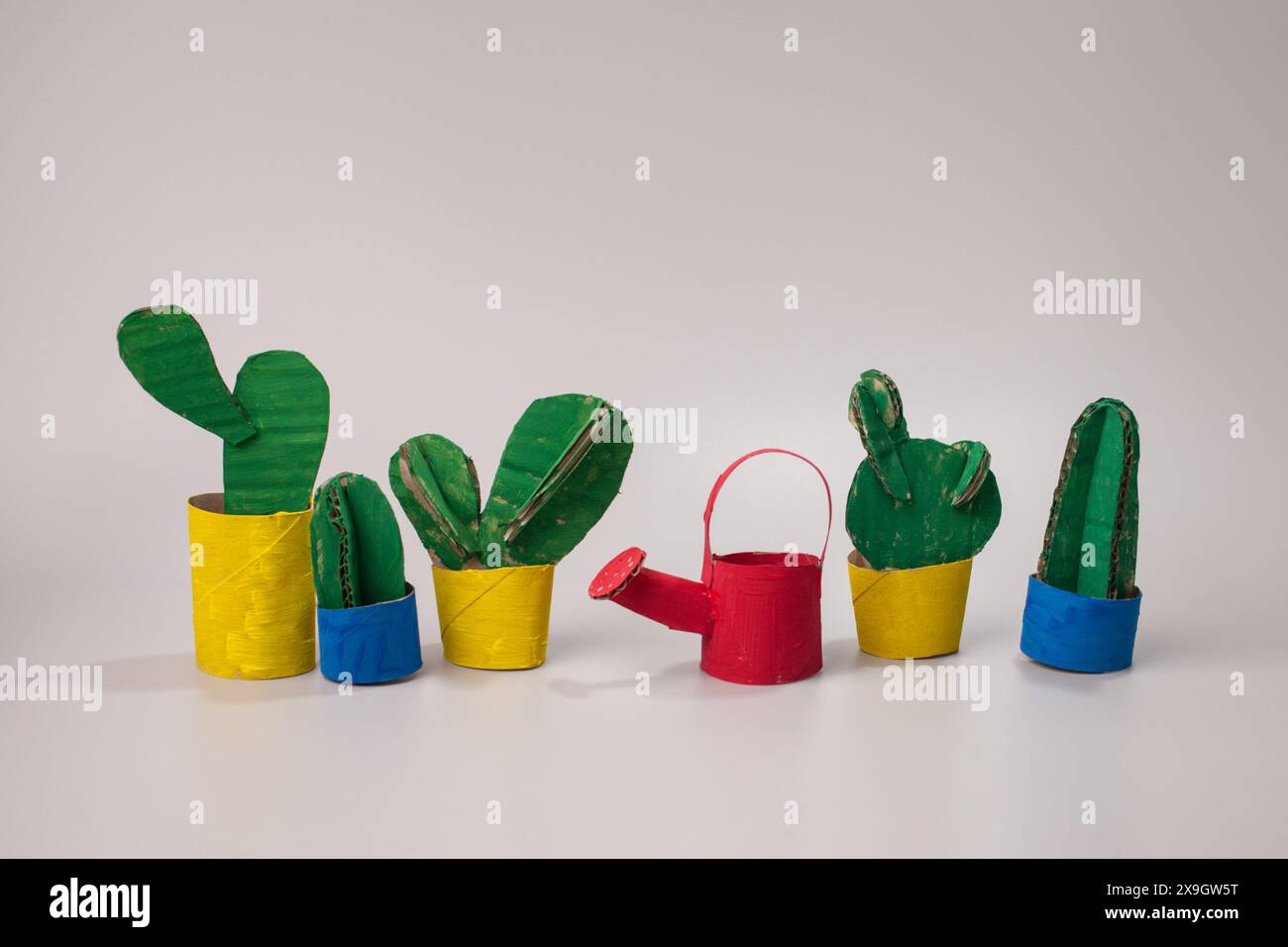
Art teachers, ever the innovators, have turned cacti into three-dimensional masterpieces. Papier-mâché cacti adorn bulletin boards, while clay sculptures challenge students to capture texture and form. One particularly inspired project involves “Cactus Portraits,” where students research a specific cactus species and create a mixed-media piece that reflects its cultural or ecological significance. The results are as diverse as the students themselves—some whimsical, others starkly realistic—each a testament to the cactus’s ability to inspire individuality.
The Emotional Ecology of Classroom Cacti
Beyond their educational utility, cacti in classrooms serve a subtler, more profound purpose: they model emotional endurance. In a world where students are often praised for speed over depth, the cactus reminds them that growth is not linear. Its slow, deliberate pace is a counter-narrative to the cult of productivity. Watching a cactus over months, students learn to appreciate incremental progress—the way a tiny green shoot emerges from a seemingly lifeless stem. This quiet observation can be a balm in classrooms where anxiety and pressure run high.
Moreover, the cactus’s solitary nature—thriving in solitude, yet capable of forming vast, interconnected root systems—mirrors the complex social dynamics of a classroom. Some students may relate to the cactus’s independence; others might see themselves in its communal growth patterns. Teachers can leverage this symbolism to foster empathy. A simple check-in like, “Which cactus do you relate to today?” can open conversations about belonging, isolation, and support networks.
There’s also something deeply comforting about a cactus’s unchanging presence. Unlike pets that require constant care, a cactus asks only for light and occasional water. This low-maintenance quality makes it an ideal companion for teachers juggling countless responsibilities. The cactus doesn’t demand attention; it simply *is*—a silent witness to the ebb and flow of the school year. In this way, it becomes a metaphor for the teacher’s own role: present, steady, and quietly transformative.
Overcoming Obstacles: Practical Tips for Cactus Integration
Of course, not every classroom is a desert biome. Limited sunlight, overzealous watering, or allergic students can pose challenges. The key is to approach cactus integration with the same adaptability the plants themselves embody. For low-light classrooms, opt for species like the snake plant or ZZ plant, which thrive in indirect light. If watering is a concern, self-watering planters or terrariums can simplify maintenance. And for classrooms with students who might be wary of spines, opt for spineless varieties like the bunny ear cactus or the Easter cactus.
Safety is paramount. While most classroom cacti are harmless, some varieties have barbed spines or toxic sap. Always research species before introducing them to a learning environment. For younger children, consider placing cacti on high shelves or in terrariums with secure lids. Alternatively, artificial cacti can provide the aesthetic benefits without the risk. The goal isn’t to create a hazard but to cultivate a space where curiosity can flourish safely.
Budget constraints shouldn’t deter educators either. Many cacti are affordable, and local nurseries often donate plants to schools. Community gardens or parent-teacher associations can also be tapped for resources. Even a single cactus on a windowsill can transform a corner of the room into a focal point for learning. The message is clear: you don’t need a jungle to bring a touch of the wild into your classroom. A single prickly companion can do the trick.
The Cactus as a Cultural Mirror
The fascination with cacti in classrooms isn’t just about their practical benefits—it’s a reflection of a cultural moment. In an era where digital distractions abound and mental health crises among students are on the rise, the cactus represents a return to basics: patience, resilience, and the beauty of the slow. It’s no coincidence that the rise of classroom cacti coincides with the growing popularity of “slow education” movements, which advocate for unhurried, experiential learning. The cactus, with its ancient lineage and modern appeal, is the perfect emblem for this philosophy.
There’s also a quiet rebellion in the cactus’s popularity. In a world that often prioritizes the soft and the sweet—the pastel aesthetics of Instagram classrooms, the cuddly mascots of early education—the cactus stands apart. It’s prickly, unapologetic, and unmistakably itself. In this way, it challenges the notion that learning spaces must be sanitized or saccharine. A classroom with a cactus is a classroom that embraces complexity, that values substance over superficiality. It’s a space where students are encouraged to be as unique and resilient as the plants they tend.
Perhaps the deepest reason for the cactus’s appeal lies in its duality: it is both a survivor and a symbol of hope. In the desert, where life is scarce, the cactus thrives. In the classroom, where challenges are constant, it reminds students that they too can adapt, grow, and even flourish. It’s a small thing, really—a plant in a pot—but its impact is anything but. It’s a quiet revolution, one spine at a time.
FAQ
What types of projects can be created with cacti in the classroom?
Projects can include life cycle studies, ecosystem dioramas, and creative art pieces, tailored to various age groups.
Are there safety considerations when using cacti in classrooms?
Yes, safety is important; some cacti have spines or toxic sap, so it's essential to choose appropriate species and manage their placement.


Leave a Reply