
Short Answer
In the sun-drenched landscapes of Mexico, where the earth meets the sky in a dance of vibrant hues, the Opuntia cactus—commonly known as the prickly pear—stands as a testament to resilience, nourishment, and cultural profundity. This unassuming yet extraordinary plant, with its fleshy pads and jewel-toned fruits, has woven itself into the very fabric of Mexican life. From the ceremonial rituals of ancient civilizations to the bustling markets of modern cities, Opuntia is more than a plant; it is a symbol of identity, a culinary marvel, and a bridge between tradition and innovation. For those eager to explore its depths, Opuntia offers a rich tapestry of stories, flavors, and meanings waiting to be uncovered.
The Historical Roots of Opuntia: A Cactus with Ancient Prestige
The story of Opuntia in Mexican culture begins millennia ago, long before the arrival of European colonizers. Indigenous peoples, including the Aztecs, Maya, and Zapotecs, revered this cactus as a sacred gift from the gods. The Aztecs, in particular, held Opuntia in such high regard that they incorporated it into their cosmology, associating it with the myth of the founding of Tenochtitlán. According to legend, the god Huitzilopochtli instructed the Mexica people to settle where they found an eagle perched on a nopal (Opuntia pad), devouring a snake—a vision that became the emblem of Mexico itself. This mythological connection imbued Opuntia with a divine aura, cementing its place in the cultural psyche as a symbol of endurance and providence.
Beyond mythology, Opuntia played a practical role in Mesoamerican life. Its pads, or cladodes, were a vital food source, providing hydration and sustenance during arid seasons. The plant’s ability to thrive in harsh conditions mirrored the resilience of the people who cultivated it, making it a metaphor for survival. Archaeological evidence, such as carbonized remains of Opuntia pads found in ancient dwellings, underscores its significance as a dietary staple. For historians and anthropologists, the cactus is a living archive, offering clues to the agricultural practices and culinary traditions of pre-Columbian societies.
Opuntia in Mexican Folklore: More Than Just a Plant
Folklore breathes life into Opuntia, transforming it from a mere botanical specimen into a character brimming with personality and symbolism. In rural communities, the cactus is often personified as a wise elder or a protective guardian. One popular tale tells of a young girl who, lost in the desert, was guided to safety by the glow of ripening prickly pears. The fruits, luminous under the moonlight, led her to a hidden oasis, where she found water and shelter. This story, passed down through generations, illustrates the cactus’s role as a benevolent force—a provider in times of need.
Opuntia also features in cautionary tales, where its thorns serve as a metaphor for the consequences of greed or recklessness. In some narratives, the cactus warns against taking more than one’s fair share, reminding listeners of the delicate balance between human desire and nature’s generosity. These stories, rich with allegory, reflect the deep ecological wisdom embedded in Mexican culture, where every element of the natural world is imbued with meaning. For those attuned to its symbolism, Opuntia becomes a teacher, imparting lessons of moderation, respect, and interconnectedness.
The Culinary Alchemy of Opuntia: From Field to Feast
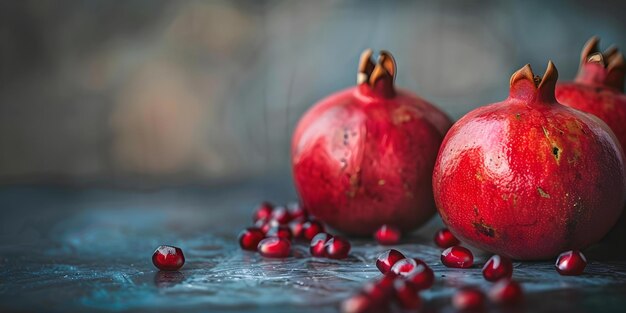
To explore Opuntia’s culinary versatility is to embark on a gastronomic adventure that spans sweet and savory, traditional and avant-garde. The most celebrated part of the cactus is its fruit, the tuna, which bursts with a flavor profile that is both tangy and subtly sweet, reminiscent of watermelon and pear. In Mexican markets, tuna is a seasonal delight, sold fresh or transformed into vibrant jams, syrups, and fermented beverages like colonche. The fruit’s vibrant red, yellow, or purple hues make it a visual feast, often used to garnish desserts or infuse cocktails with a touch of Mexican flair.
Yet the true culinary magic of Opuntia lies in its pads, or nopales. When harvested young, these pads are tender and slightly mucilaginous, with a flavor akin to green beans or okra. In Mexican cuisine, nopales are a canvas for creativity. They can be grilled and served with lime and chili, diced into salads for a refreshing crunch, or blended into smoothies for a nutrient-packed boost. In traditional dishes like huevos con nopales, the cactus pads are sautéed with eggs, tomatoes, and epazote, creating a dish that is both hearty and healthful. For the adventurous eater, nopales can even be dehydrated and ground into a flour, offering a gluten-free alternative with a subtle earthy taste.
The culinary potential of Opuntia extends beyond the kitchen. In Oaxaca, the sap of the cactus is used to make a fermented drink called *colonche*, a effervescent beverage with a tart, slightly alcoholic kick. Meanwhile, in the Yucatán Peninsula, the fruit is transformed into *xtabentún*, a liqueur infused with honey and anise, which is sipped as a digestif or used to marinate meats. These creations highlight the cactus’s ability to transcend culinary boundaries, offering a taste of Mexico’s diverse regional traditions.
Opuntia in Modern Mexican Culture: Tradition Meets Innovation
In contemporary Mexico, Opuntia is experiencing a renaissance, as chefs, artists, and entrepreneurs reimagine its role in modern life. High-end restaurants in Mexico City and Guadalajara are incorporating nopales into gourmet dishes, pairing them with ingredients like truffle oil, queso de cabra, and even molecular gastronomy techniques. Meanwhile, food trucks and street vendors continue to celebrate the cactus in its most authentic forms, from *tacos de nopales* to *agua de tuna*, ensuring that its cultural legacy remains alive and accessible.
The cactus also plays a starring role in Mexico’s sustainable food movement. With its minimal water requirements and ability to grow in poor soil, Opuntia is championed as a climate-resilient crop. Organizations are promoting its cultivation as a means to combat food insecurity and restore degraded lands. In some communities, women-led cooperatives are processing Opuntia into value-added products like jams, cosmetics, and even biodegradable packaging, turning tradition into economic empowerment. This fusion of heritage and innovation underscores Opuntia’s relevance in addressing contemporary challenges, from climate change to gender equality.
Artistically, Opuntia inspires a wealth of creativity. Painters, muralists, and textile artists draw from its striking visual elements—the geometric patterns of its pads, the vivid colors of its fruit—to create works that celebrate Mexican identity. In folk art, the cactus often appears in *alebrijes* (fantastical animal sculptures) or embroidered onto traditional garments, symbolizing the enduring connection between nature and culture. For artists, Opuntia is a muse, a symbol of both the wild and the cultivated, the ancient and the modern.
Health and Wellness: The Nutritional Powerhouse of Opuntia
Beyond its cultural and culinary significance, Opuntia is a nutritional powerhouse, packed with vitamins, minerals, and antioxidants. The pads are rich in fiber, vitamin C, and magnesium, while the fruit boasts high levels of vitamin E and betalains, compounds known for their anti-inflammatory properties. Traditional medicine has long harnessed Opuntia’s healing potential. In Mexican folk healing, nopales are used to regulate blood sugar, soothe digestive ailments, and even treat skin conditions. Modern science is now validating these claims, with studies highlighting the cactus’s role in lowering cholesterol and improving metabolic health.
The fruit, too, offers a bounty of benefits. Prickly pear juice is celebrated for its hydrating properties, while its seeds, often discarded, contain omega-6 fatty acids and can be pressed into oil for culinary or cosmetic use. In wellness circles, Opuntia is celebrated as a superfood, incorporated into smoothie bowls, energy bars, and even skincare products. Its versatility in health and beauty reflects a growing global appreciation for indigenous foods, as people seek out natural, sustainable alternatives to processed products.
A Call to Embrace Opuntia: Why This Cactus Matters
Opuntia is more than a plant; it is a living emblem of Mexico’s resilience, creativity, and deep connection to the land. In a world where food systems are increasingly industrialized and cultural traditions risk being lost, the cactus stands as a reminder of the wisdom embedded in indigenous knowledge. By embracing Opuntia—whether through its culinary delights, its symbolic richness, or its ecological benefits—we honor the past while paving the way for a more sustainable future.
For travelers, Opuntia offers an invitation to explore Mexico beyond its tourist hotspots. Visit a local market in Puebla or Michoacán to taste fresh tuna, or take a cooking class to learn how to prepare nopales from scratch. For home cooks, experimenting with Opuntia can be a delightful challenge, whether it’s adding nopales to a stir-fry or blending prickly pear into a cocktail. And for those passionate about sustainability, supporting Opuntia-based products or cultivating the cactus in a home garden can be a small but meaningful act of environmental stewardship.
In the end, Opuntia is a testament to the power of nature to nourish, inspire, and endure. It challenges us to look closer at the world around us, to find beauty in the unexpected, and to celebrate the stories that shape our identities. As Mexico continues to share its treasures with the world, the humble prickly pear stands tall—a symbol of pride, a culinary delight, and a bridge between generations.
FAQ
What is Opuntia?
Opuntia, commonly known as prickly pear, is a cactus native to the Americas, particularly valued in Mexican culture for its nutritional, cultural, and culinary significance.
What are the culinary uses of Opuntia?
Opuntia is used in various culinary forms, including fresh fruit, jams, syrups, and dishes like huevos con nopales, showcasing its versatility in both traditional and modern cuisines.
What health benefits does Opuntia offer?
Opuntia is rich in vitamins, minerals, and antioxidants, providing benefits like regulating blood sugar and improving metabolic health.

Leave a Reply