
Short Answer
What if you could sculpt a cactus that dances between the spiny elegance of a Parodia and the bold, architectural flair of another species? Grafting Parodia cacti with their prickly kin isn’t just a horticultural trick—it’s an art form, a rebellion against the ordinary, and a celebration of botanical creativity. Imagine merging the golden, ribbed globe of a Parodia ‘Golden Ball’ with the trailing tendrils of a Hylocereus, or fusing the dense, woolly spines of a Parodia ottonis with the dramatic ribs of an Echinocactus grusonii. The result? A living sculpture that defies expectations and thrills the senses. But before you dive into this green-thumbed adventure, let’s unravel the secrets of Parodia grafting—where patience meets precision, and where even the most seasoned growers might find themselves tangled in a thorny challenge or two.
The Allure of Parodia Grafting: Why Bother with a Scalpel and Some Spines?
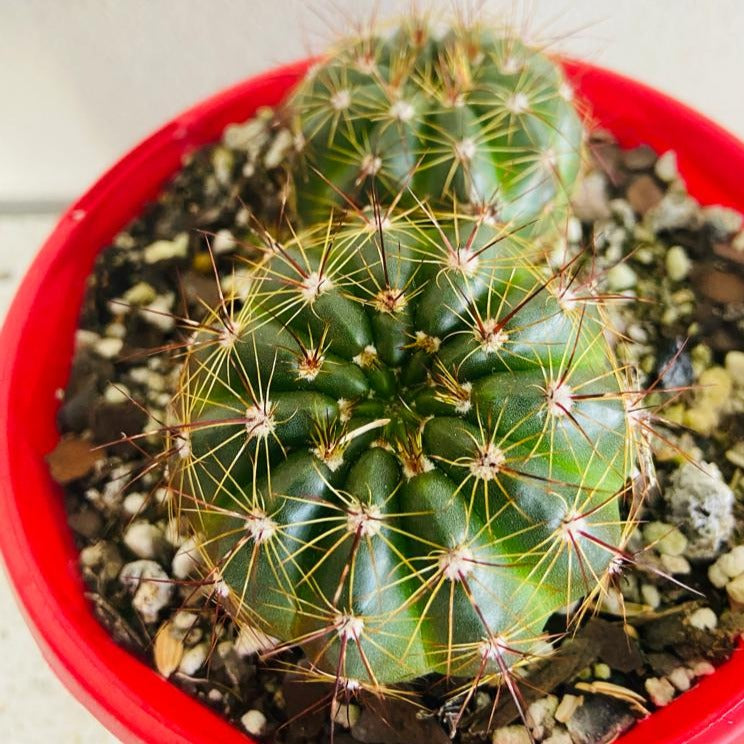
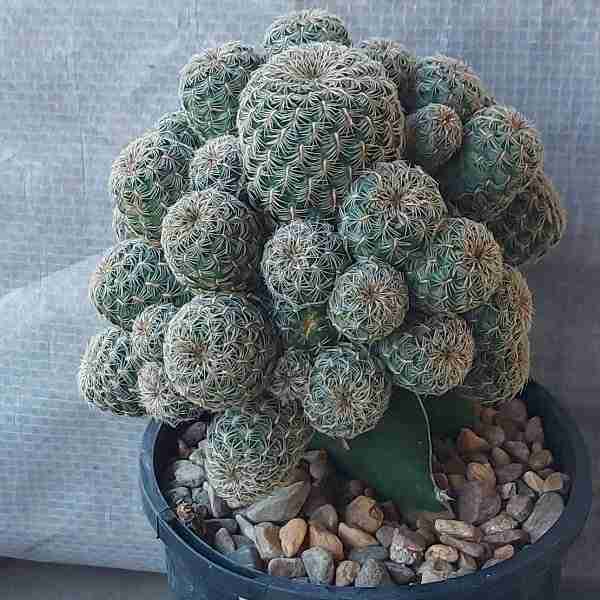
Parodia cacti, with their compact forms and vibrant, often ribbed bodies, are already showstoppers in any collection. But grafting them onto other cacti isn’t just about aesthetics—it’s about unlocking potential. Picture a Parodia ottonis, its spherical body covered in soft, golden spines, suddenly infused with the vigor of a faster-growing stock like a Myrtillocactus or a Cereus. The grafted plant may grow more rapidly, flower more prolifically, or even develop hybrid traits that neither parent could achieve alone. There’s a rebellious joy in this process, too: breaking the rules of what a cactus “should” look like. Why settle for a single species when you can create a living chimera, a botanical Frankenstein’s monster of spines and splendor?
Yet, this isn’t a task for the faint of heart. Grafting is equal parts science and sorcery. The stock (the base plant) must be robust enough to support the scion (the Parodia you’re grafting), while the scion itself needs to be healthy and free of rot. Timing is everything—too early, and the tissues won’t fuse; too late, and the scion may have already begun to wither. And then there’s the matter of compatibility. Not all cacti play nice together. Some stocks are too slow-growing, others too prone to rot, and a few might simply reject their Parodia passengers outright. The challenge is part of the thrill, though. Every failed graft is a lesson in disguise, a step closer to mastering the delicate dance of cambial alignment and vascular fusion.
Choosing Your Stock: The Unsung Hero of the Grafting Saga
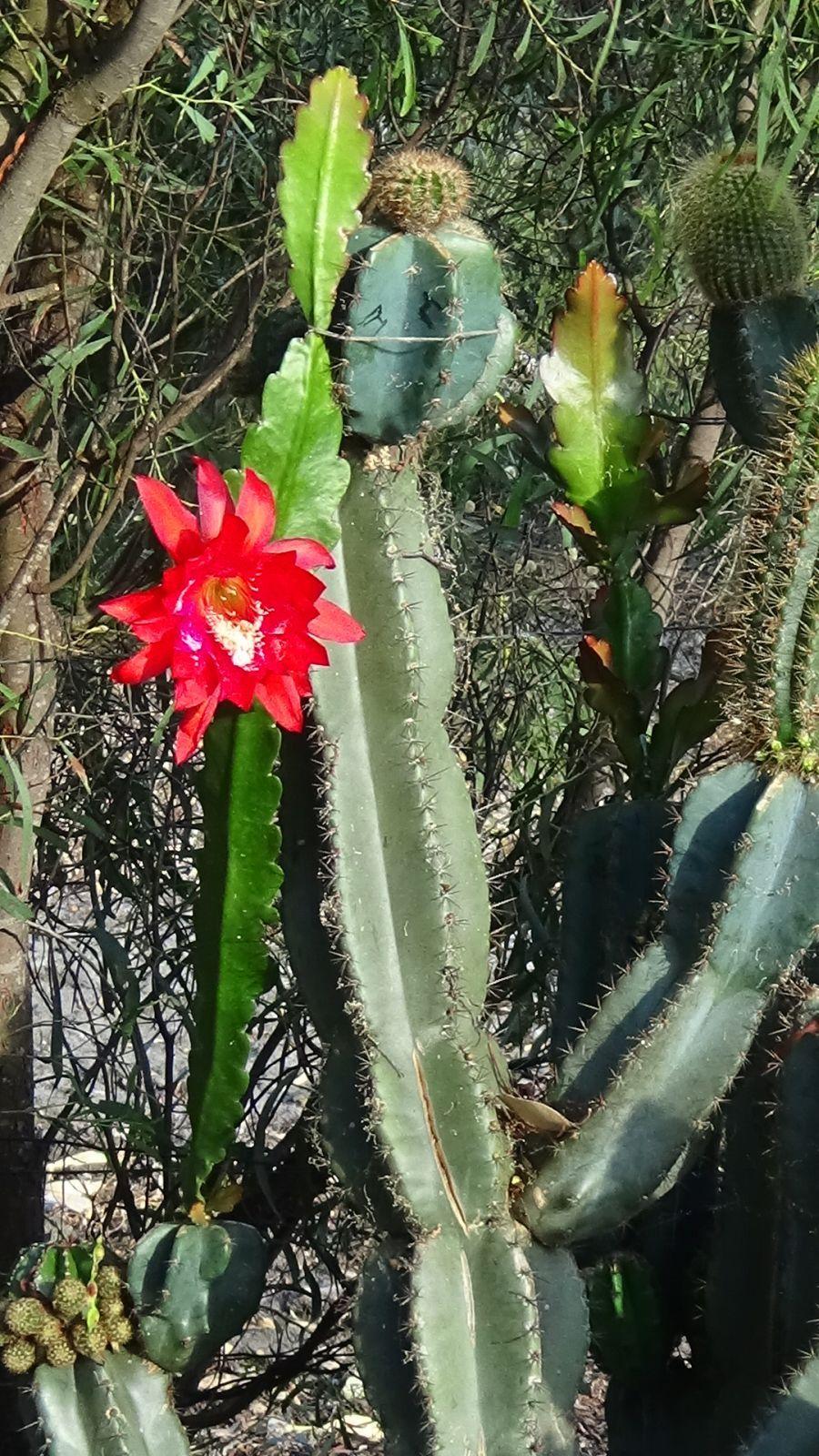
The stock isn’t just a passive participant in this botanical ballet—it’s the backbone, the silent partner that determines whether your Parodia graft will thrive or wither. The ideal stock is fast-growing, disease-resistant, and, most importantly, compatible with Parodia species. Enter the Hylocereus, the queen of grafting stocks. With its rapid growth and resilience, it’s like the nurturing aunt who always has your back. Then there’s Myrtillocactus geometrizans, a stock that’s both vigorous and aesthetically pleasing, its blue-green stems providing a striking contrast to the Parodia’s golden spines. For those seeking a more dramatic effect, Echinopsis species offer a robust, columnar form that can elevate a Parodia scion to new heights.
But not all stocks are created equal. Some, like Pereskiopsis, are prized for their quick healing and minimal scarring, making them perfect for delicate or slow-growing scions. Others, such as Selenicereus, bring a touch of the exotic with their sprawling, vine-like growth habit. The key is to match the stock’s growth rate and health to the scion’s needs. A Parodia ottonis grafted onto a sluggish stock may never take off, while the same scion on a Cereus could rocket toward the heavens. Do your research, experiment, and don’t be afraid to play matchmaker—your Parodia’s future depends on it.
Selecting the Scion: The Parodia’s Moment to Shine
The scion is where the magic happens—the Parodia you’ve chosen to graft, with all its unique charm and character. Whether it’s the fuzzy, golden spines of a Parodia ‘Golden Ball’ or the dense, radial spines of a Parodia erinacea, the scion must be healthy, plump, and free of damage. Look for a segment that’s neither too young nor too old; a scion that’s just mature enough to handle the stress of grafting but young enough to fuse seamlessly with the stock. Avoid any signs of rot, discoloration, or pests—these are red flags that spell doom for your graft.
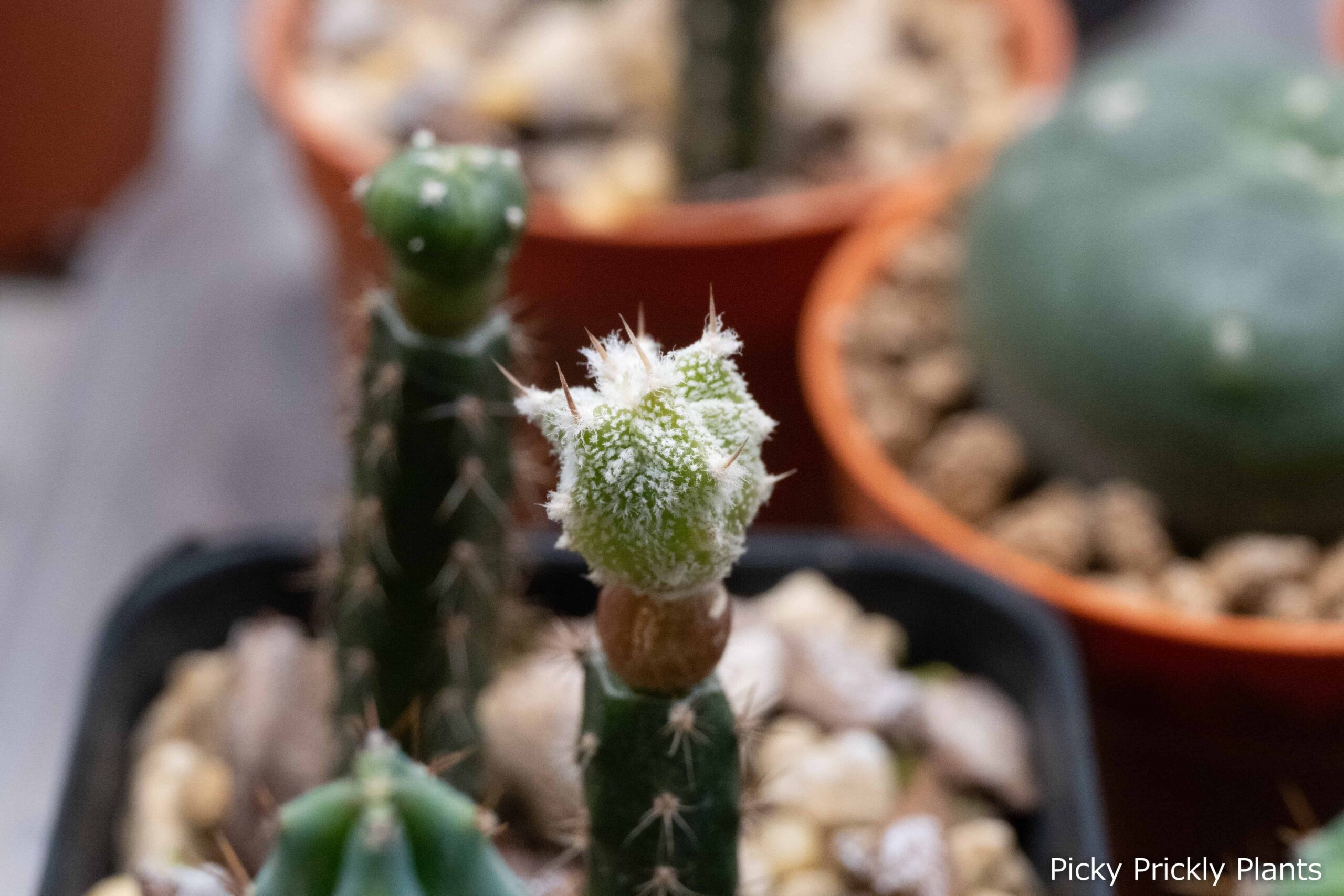
Size matters, too. A scion that’s too large may overwhelm the stock, while one that’s too small might struggle to establish itself. Aim for a scion that’s roughly one-third the diameter of the stock. This balance ensures that the graft has enough surface area to fuse properly without becoming a burden. And don’t forget to consider the scion’s orientation. The vascular tissues must align perfectly for the graft to take, so position the scion so that its cambial layer (the growth layer just beneath the skin) sits flush against the stock’s cambial layer. It’s a bit like solving a puzzle, but the prize is a living work of art.
The Grafting Process: A Delicate Dance of Blade and Biology
Now, the moment you’ve been waiting for—the actual grafting. First, sterilize your tools. A scalpel, razor blade, or grafting knife should be sharp and clean to prevent infection. Next, make a clean, horizontal cut on the stock. The cut should be smooth and even, like a surgeon’s incision. Then, make a corresponding cut on the scion. If you’re using a wedge graft, angle the cut to create a slight taper, ensuring maximum contact between the scion and stock. For a flat graft, keep the cuts as level as possible.
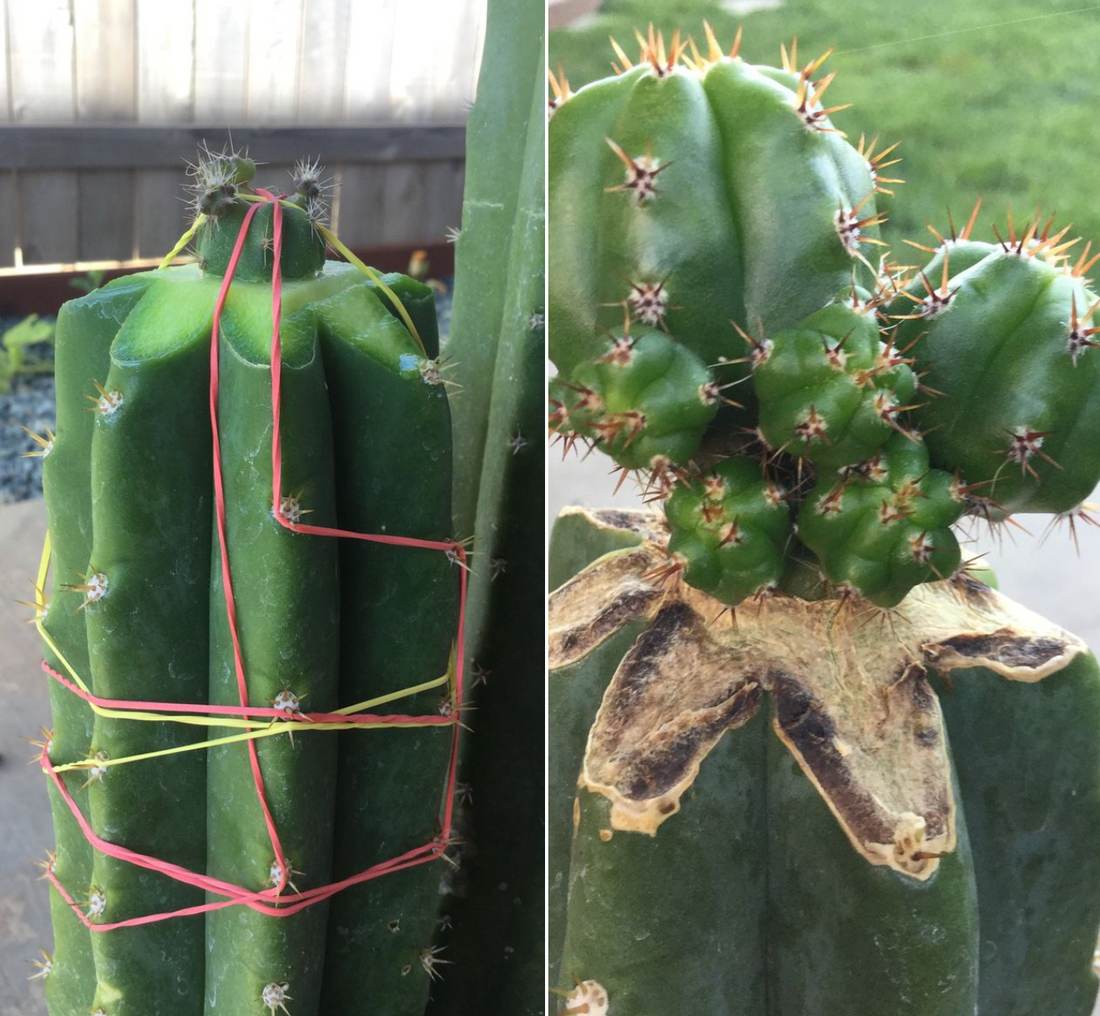
Here’s where things get tricky. The scion must be placed onto the stock with surgical precision. Align the cambial layers—those thin, greenish layers just beneath the skin—so they’re in direct contact. This is the highway for nutrients and water, the lifeline that will bind the two plants together. Once aligned, secure the graft with grafting tape, rubber bands, or even a specially designed grafting clip. The goal is to hold everything in place without crushing the delicate tissues. Too loose, and the graft may fail; too tight, and you’ll strangle the life out of it.
Aftercare is critical. Place the grafted plant in a shaded, humid environment to reduce stress. Avoid direct sunlight, which can cause the scion to shrivel before it has a chance to fuse. Mist the plant lightly every few days to maintain humidity, but don’t overdo it—too much moisture invites rot. In a few weeks, you’ll know if your graft has taken. A healthy scion will remain firm and plump, while a failed one will turn mushy or detach entirely. Patience is your greatest ally here. Some grafts take months to fully integrate, so don’t rush the process. The reward? A Parodia that’s more than the sum of its parts—a botanical masterpiece born from your own two hands.
Troubleshooting: When the Graft Goes Rogue
Even the most meticulous graft can go awry. Maybe the scion dried out before it could fuse, or perhaps the stock rejected its new passenger. Don’t despair—failure is just another step on the path to mastery. If the scion wrinkles or softens, it’s a sign of dehydration. Try rehydrating it by soaking it in water for a few hours before attempting another graft. If the stock shows signs of rot, trim away the affected tissue and try again with a fresh cut. And if the graft simply refuses to take, don’t be afraid to experiment. Try a different stock, a different scion, or even a different grafting technique. The world of cacti is vast and forgiving—there’s always another combination to explore.
Another common issue is the dreaded “graft rejection,” where the scion and stock fail to bond. This can happen if the cambial layers aren’t aligned properly or if the graft is disturbed before it has a chance to heal. To minimize the risk, handle the grafted plant as little as possible during the healing process. Keep it in a stable environment, free from drafts and temperature fluctuations. And remember, not every graft will succeed—and that’s okay. Even the most experienced growers lose their fair share of plants. What matters is the journey, the lessons learned, and the next graft waiting to be attempted.
Beyond the Basics: Pushing the Boundaries of Parodia Grafting
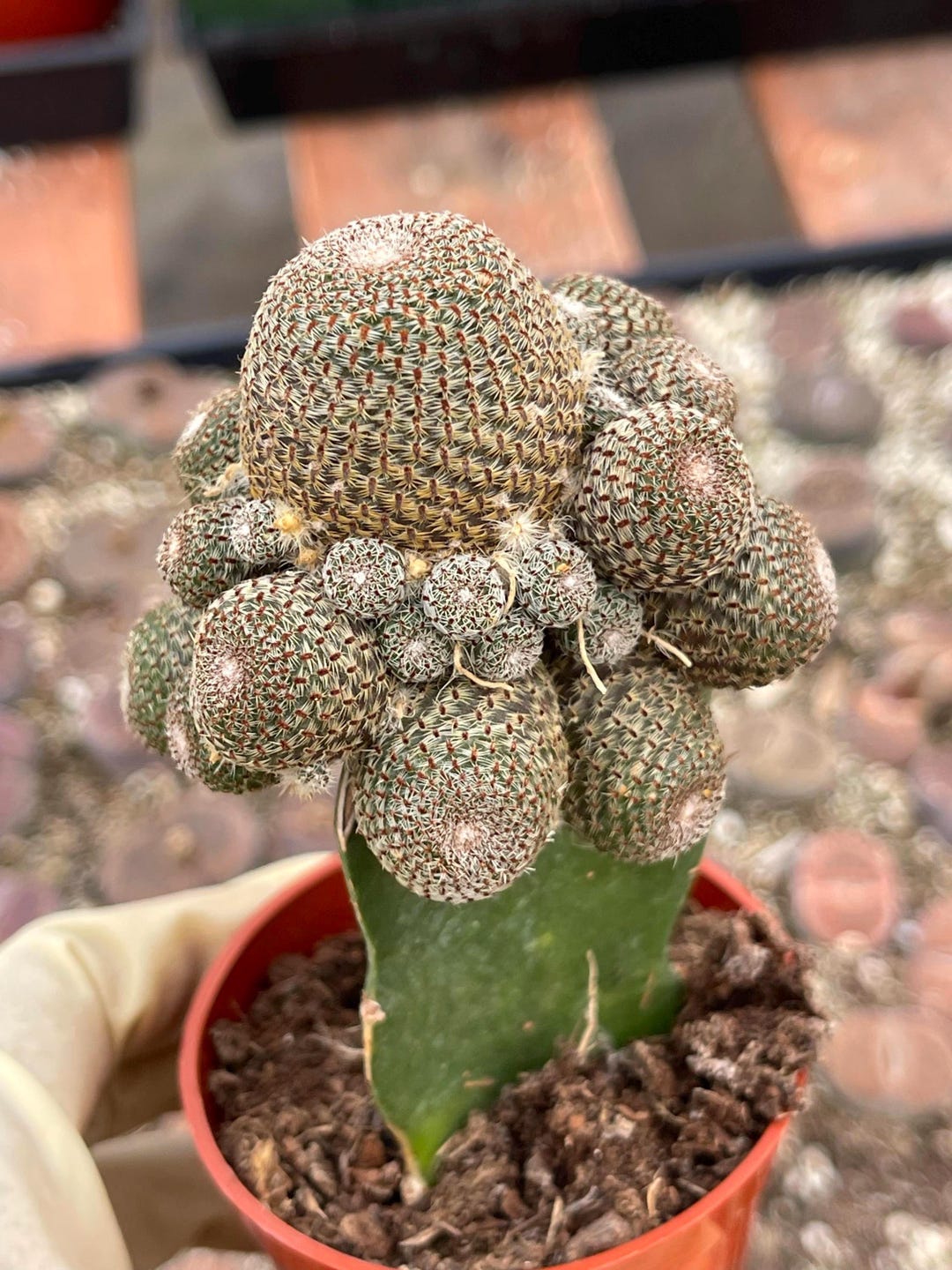
Once you’ve mastered the fundamentals, it’s time to get creative. Why stop at grafting a Parodia onto a single stock? Try stacking multiple scions onto a single stock, creating a towering, multi-headed specimen that’s as whimsical as it is unique. Or experiment with unconventional stocks, like a Pereskia or a Quiabentia, which bring their own exotic flair to the mix. You could even attempt a “double graft,” where two Parodia species are grafted onto a single stock, resulting in a plant that’s a true botanical hybrid.
The possibilities are limited only by your imagination—and your tolerance for a few thorny setbacks. Grafting Parodia cacti is as much about embracing the unexpected as it is about achieving perfection. Some grafts will flourish beyond your wildest dreams, while others will fizzle out in a sad, shriveled heap. But that’s the beauty of it. Every failure is a story, every success a triumph. And when you finally hold a grafted Parodia in your hands—a living testament to your skill and perseverance—you’ll know it was all worth it.
FAQ
What is Parodia grafting?
Parodia grafting is the process of joining a Parodia cactus onto a compatible cactus stock to combine traits and improve growth or appearance.
Which cacti make good rootstocks for Parodia grafting?
Good rootstocks include Hylocereus, Myrtillocactus geometrizans, Cereus, Echinopsis, Pereskiopsis, and Selenicereus due to their growth rate and compatibility.
How do I ensure a successful graft?
Ensure both scion and stock are healthy and rot-free, align cambial layers precisely, use sterilized tools, secure the graft properly, and provide shaded, humid aftercare.
What problems might occur during grafting?
Potential problems include graft rejection, scion dehydration, stock rot, improper alignment, and mechanical disturbance before healing.
Leave a Reply