
Short Answer
Have you ever gazed upon a quirky, multi-colored cactus and wondered, “How on Earth do they get these fascinating combinations to grow seamlessly together?” Cacti grafting might sound like a botanical magic trick reserved for experts, but it’s actually an accessible and rewarding horticultural skill for beginners willing to dive into the world of succulent artistry. Yet, the challenge remains: how do you delicately match two spiky plants in a way that they not only survive but thrive joined as one? Strap in, because this beginner’s guide to grafting cacti will help unravel the mystery and equip you with the know-how to create your own living sculptures.
Understanding the Art and Purpose of Cacti Grafting
Grafting is more than a simple horticultural procedure; it is a fusion of two distinct plants to synergize their strengths and aesthetics. At its core, grafting involves attaching the tissue of one cactus, called the scion, onto another cactus, the rootstock, enabling them to grow as a single organism. Why do this? Some species grow slowly or are particularly vulnerable to root rot, but when grafted onto a hardier rootstock, their growth accelerates and resilience improves. Moreover, grafting allows the creation of spectacular and unconventional forms — imagine vibrant moon cacti perched atop robust army-green bases. This practice widely embraces both the functional benefits and the creative possibilities.
The potential challenges are tantalizing — ensuring compatibility between two plants, achieving a clean cut, and securing the graft so they unite properly while avoiding infection. But don’t let the complexity intimidate you. With patience and clear steps, grafting can be an enjoyable process that rewards you with living art.
Selecting the Perfect Rootstock and Scion
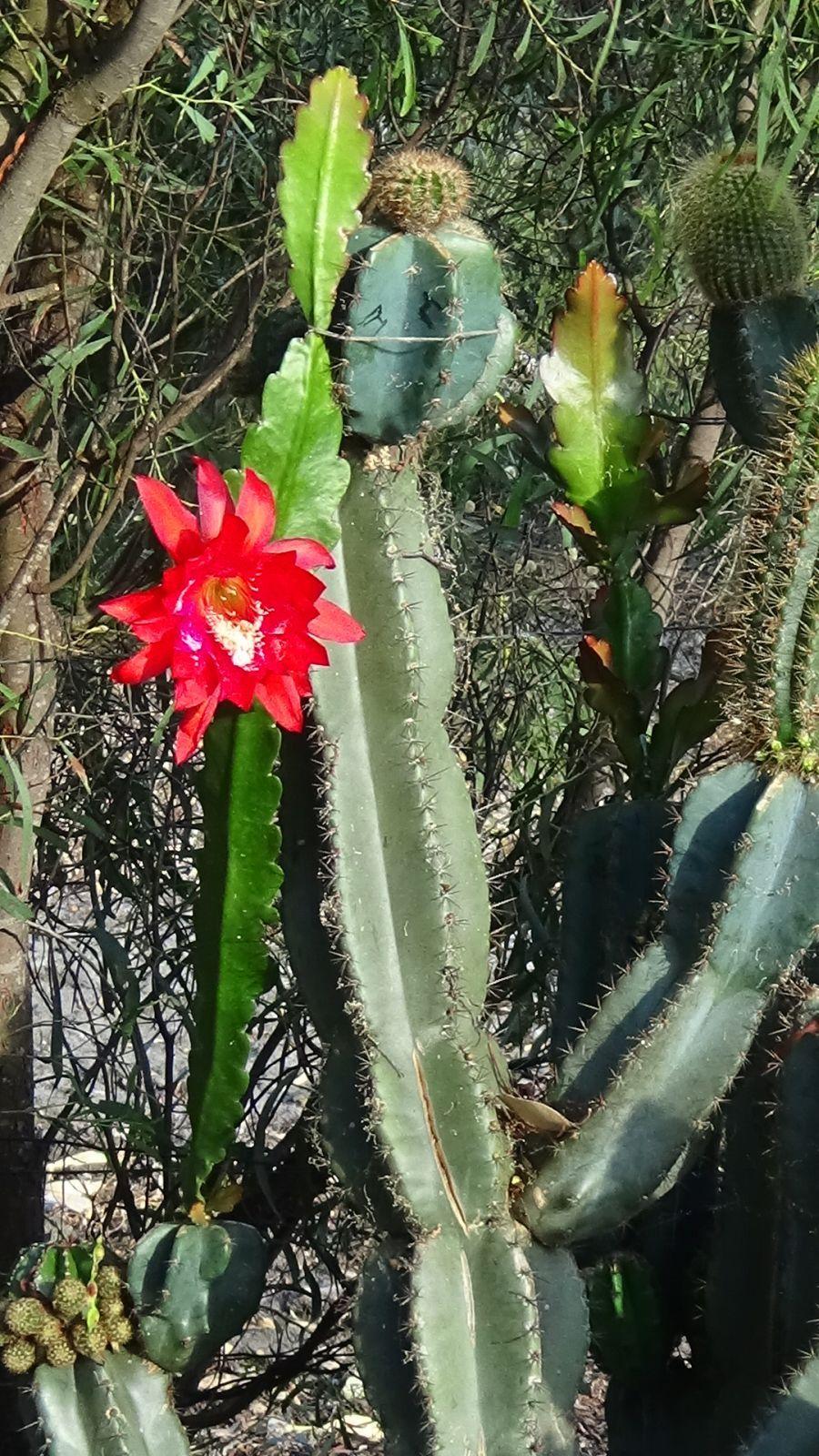
Choosing your components is a critical first step. The rootstock is the cactus that will support the graft. It needs to be hardy, disease-resistant, and vigorous. Common choices include species from the Trichocereus or Hylocereus genera because of their robust root systems. The scion, on the other hand, is the cactus you wish to propagate or decorate — often a colorful or uniquely shaped species such as Gymnocalycium mihanovichii (moon cactus) which lacks chlorophyll and thus can only survive grafted onto a photosynthesizing rootstock.
Compatibility is vital; not all cacti will happily graft together. Generally, the closer the species genetically, the higher the likelihood of success, but many enthusiasts have had success with more distant pairs, given careful technique. The healthiest specimens, free from pests or wounds, are paramount for both stock and scion to ensure longevity.
Preparing Your Tools and Workspace
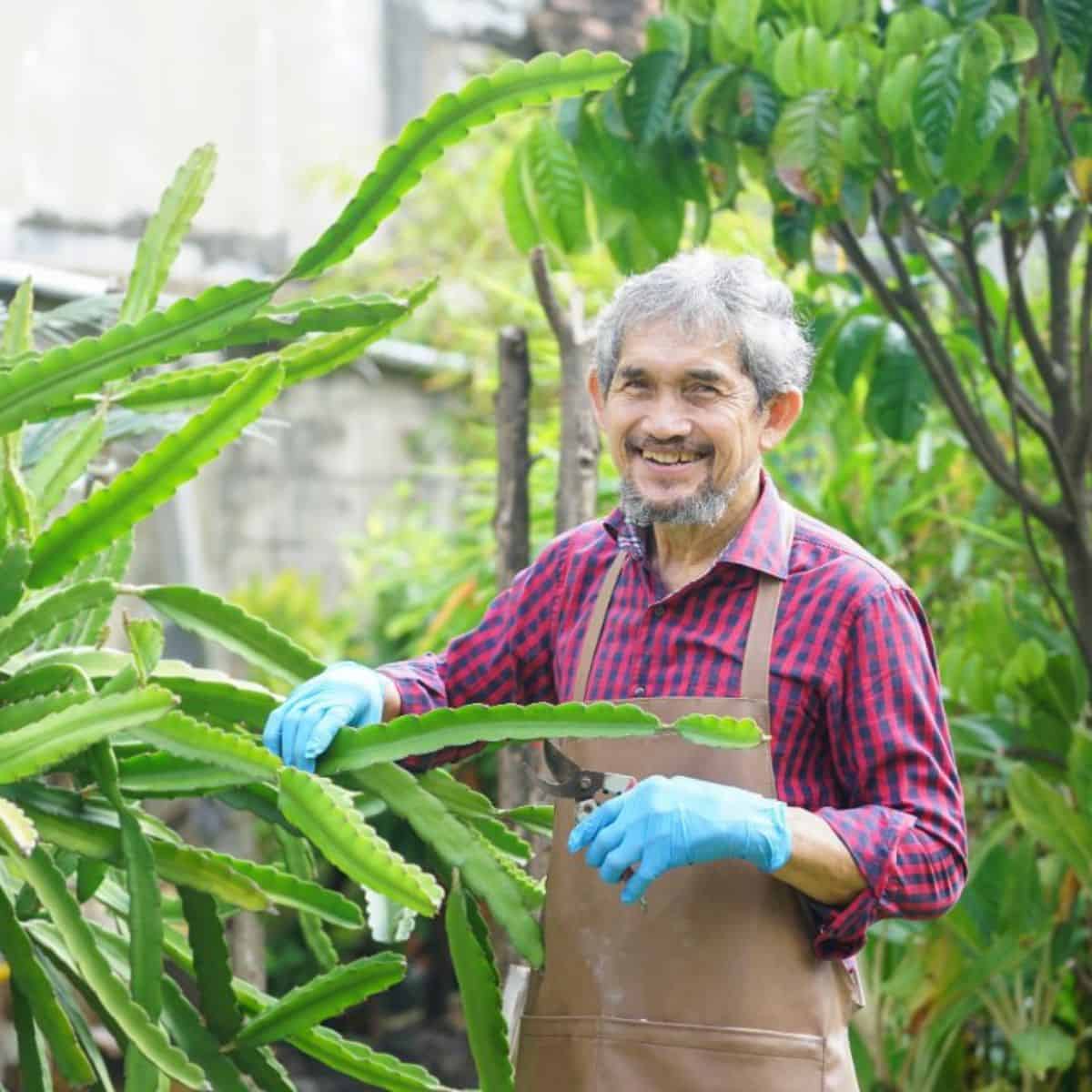
Cleanliness and precision will be your allies. Ideally, work in a well-lit, dust-free area with a stable surface. Your toolkit should include a sharp, sterilized blade — a razor or a grafting knife works well. Before beginning, sterilize your blade with rubbing alcohol to minimize the risk of introducing pathogens. Additionally, prepare rubber bands or plant tape, which will secure the scion to the rootstock until the cambial layers fuse.
Consider also having a disinfectant solution nearby to treat any accidental cuts on the plants. Your patience is also a tool of sorts; grafting requires a steady hand and a calm mind, so set aside distraction-free time to focus.
The Art of Making the Perfect Cuts
This is where precision meets dexterity. The goal is to expose the vascular cambium — the thin, often greenish layer beneath the cactus skin — on both scion and rootstock, allowing them to align and fuse. Start by making a clean, straight horizontal cut at the top of the rootstock. Then, slice the base of the scion in the same manner, matching the diameter as closely as possible.
Sometimes the cuts may not perfectly align if the diameters differ. In such cases, a modified wedge graft can be attempted: carve a V-shaped notch into the base of the scion, then fit it snugly into a matching slit in the rootstock. Whatever method you choose, avoid ragged edges or crushing tissues, as they can impede vascular connectivity.

Securing the Graft and Ensuring Successful Healing
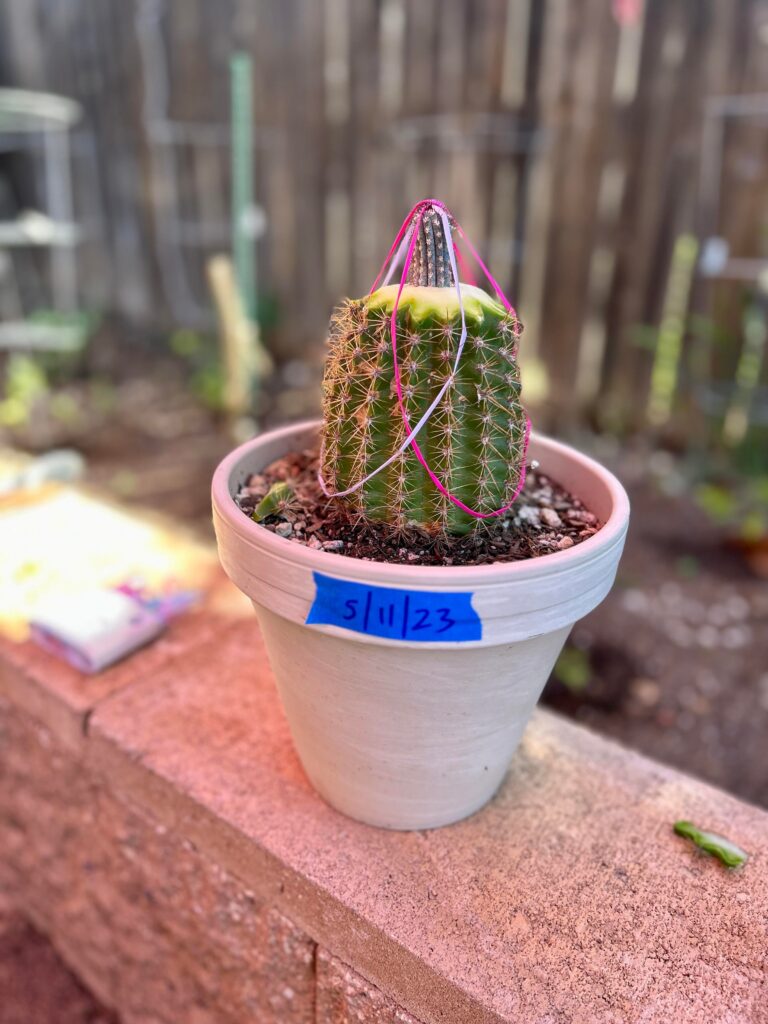
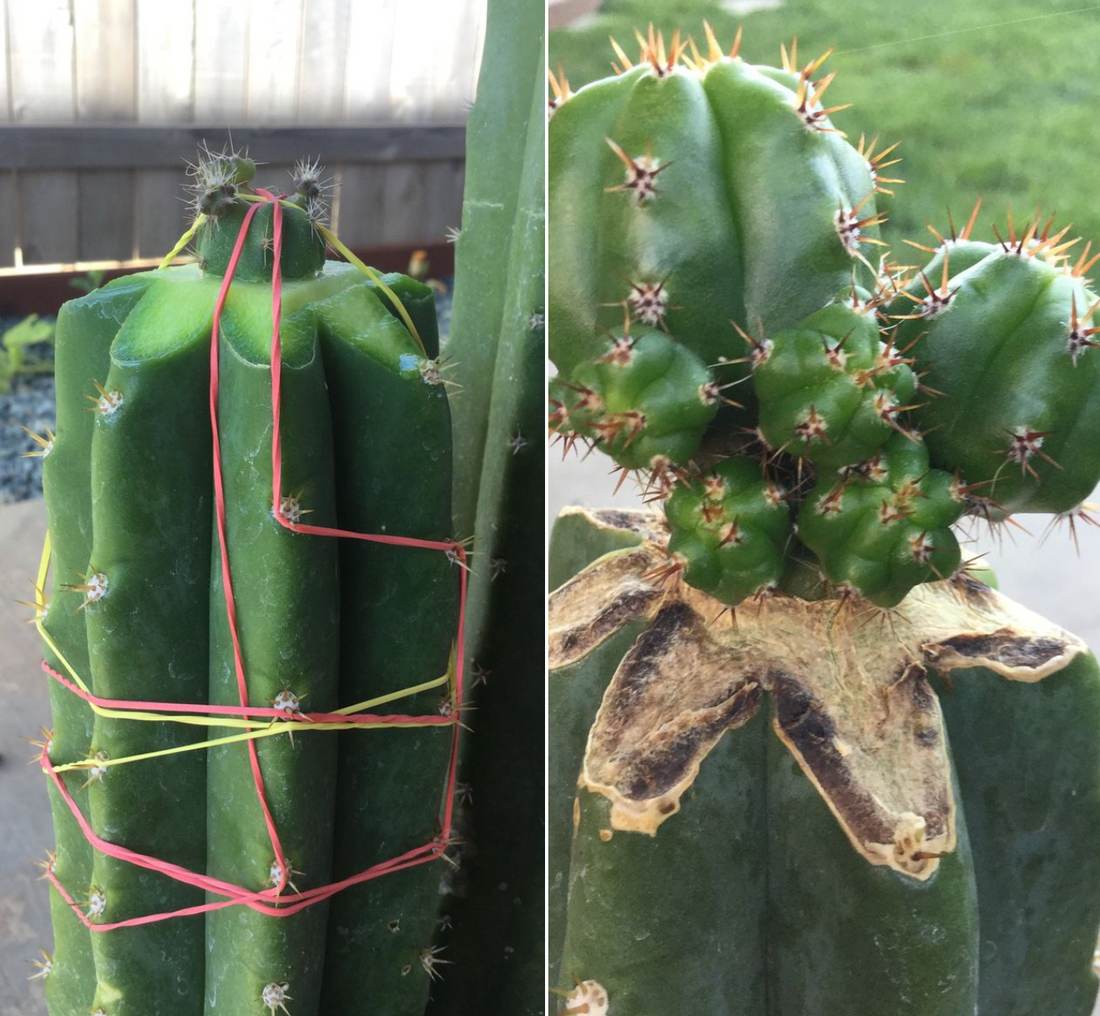
Once aligned, securing the union is essential for cambial contact and stability. Wrap the graft junction carefully with rubber bands or specialized grafting tape, applying firm but gentle pressure to hold the plants together without damaging the tissues. This binding prevents movement, which could disrupt the grafting process. Some growers use parafilm for added protection and moisture retention.
Place your newly grafted cactus in a warm, bright location but avoid direct sunlight, which might stress the delicate union and cause desiccation. Humidity should be moderate to encourage healing but not so high as to promote fungal growth. Resist the urge to water immediately — it’s recommended to wait about a week before lightly watering, allowing the graft site to callus and start the union process.
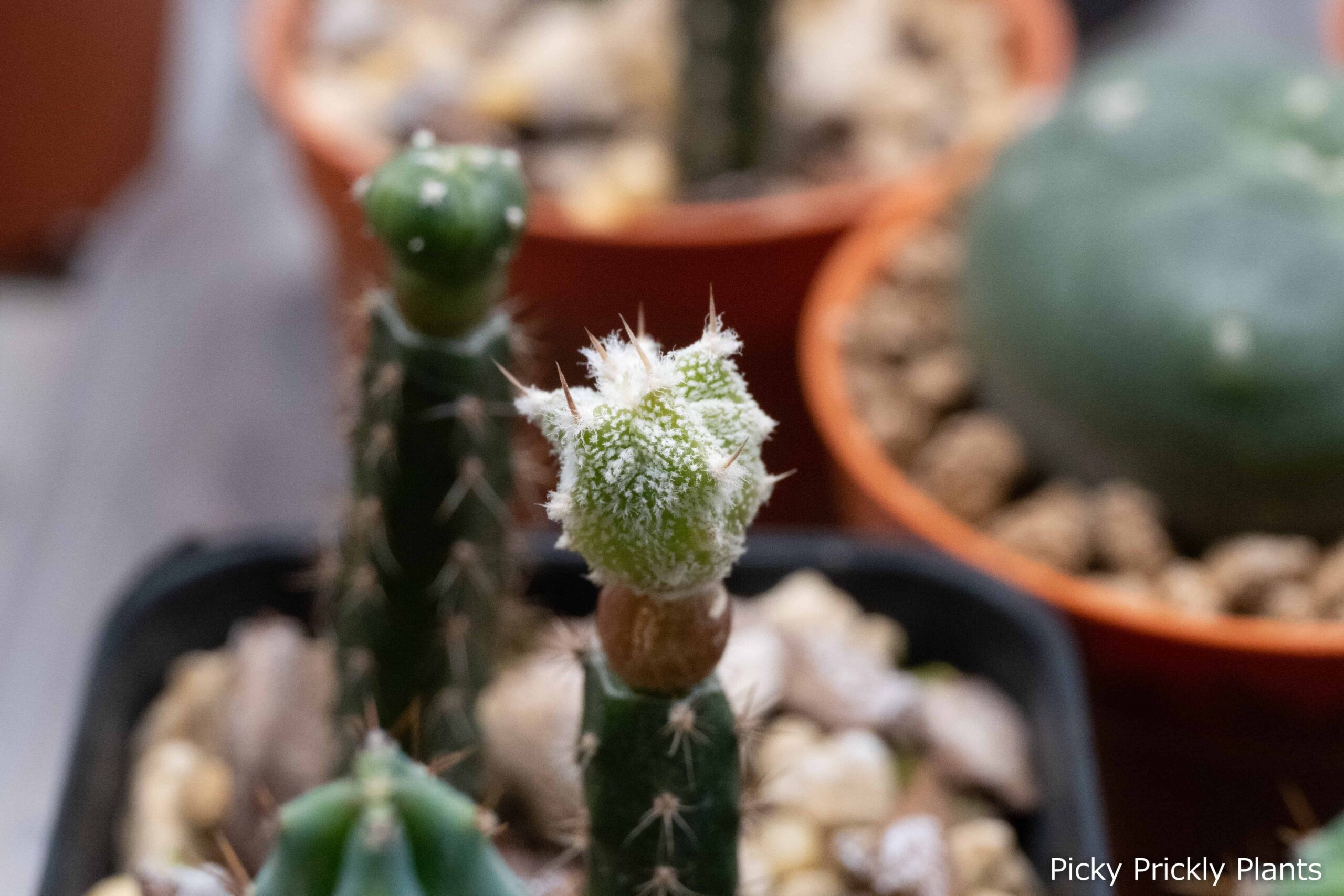
Healing time varies but expect at least 2 to 4 weeks before the graft is fully established. Signs of success include new growth on the scion and no discoloration at the junction. If the scion turns mushy or shriveled, the graft may have failed, but don’t be discouraged — it’s a learning curve.
Post-Graft Care and Long-Term Cultivation
After the graft has taken hold, maintenance becomes crucial. Continue to provide bright, indirect light to stimulate photosynthesis especially if your scion lacks chlorophyll. Water sparingly — cactus roots do not favor soggy soil. Fertilize occasionally with a diluted cactus fertilizer during active growing seasons.
Watch out for pests like mealybugs, which often target weak or stressed plants. Keep the graft clean by gently brushing away dust and inspecting the union regularly. If rubber bands or tape become tight or begin to degrade, carefully remove them once the graft has stabilized.
Creative Possibilities and Troubleshooting Tips
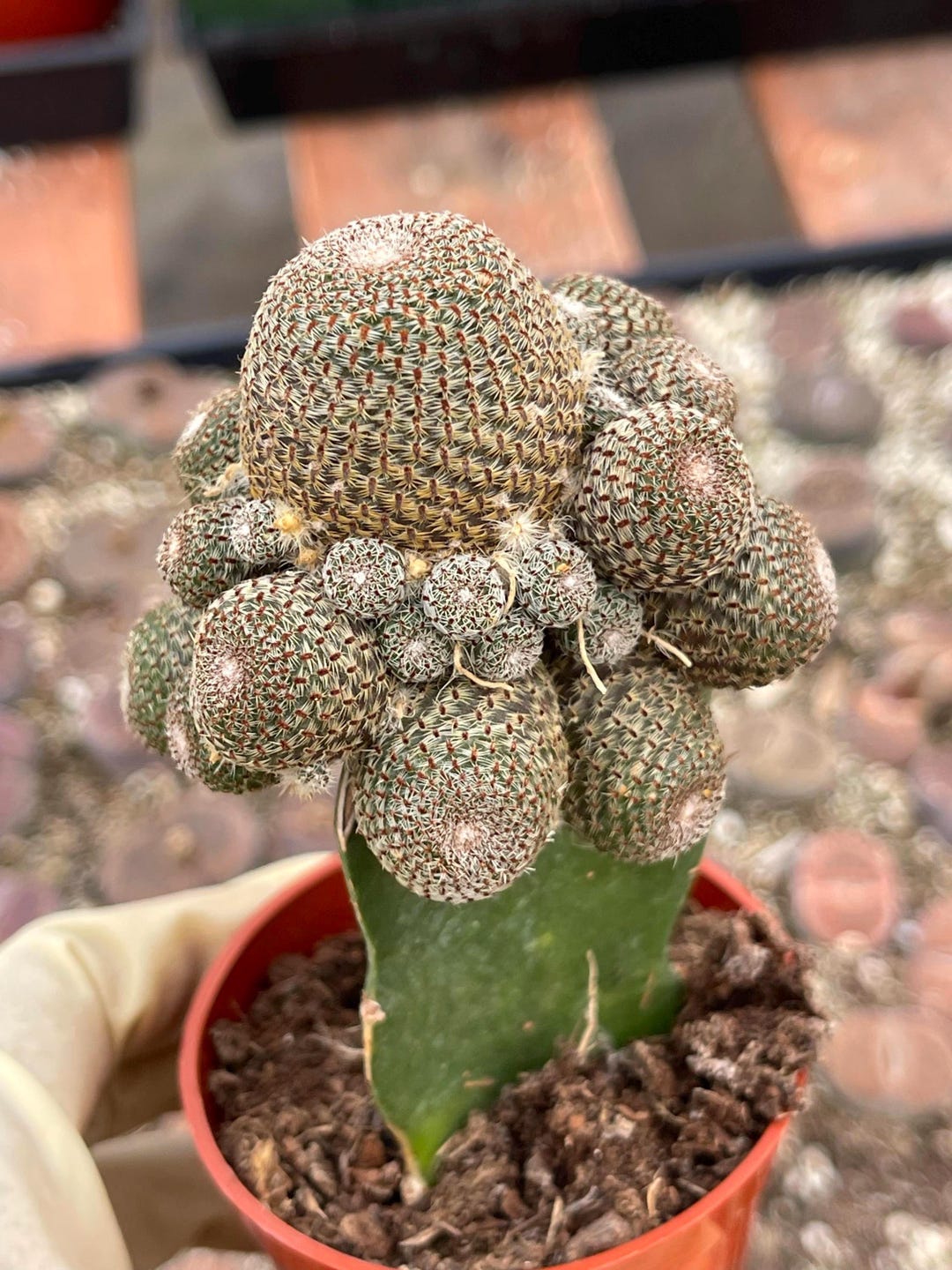
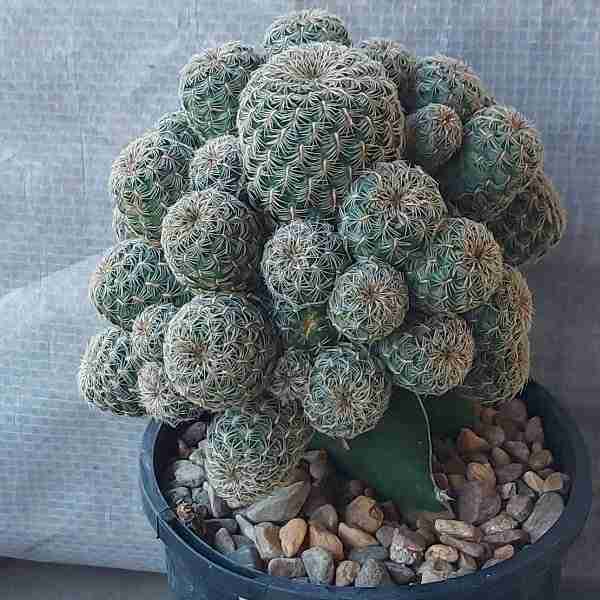
The world of cacti grafting is bursting with imaginative potential. Aside from the classic moon cactus, enthusiasts can combine variegated scions with vigorous rootstocks to craft plants with psychedelic colors. Multi-grafts — several scions united on one rootstock — open doors to miniature botanical sculptures.
But grafting isn’t foolproof. Common challenges include poor cambial alignment, incompatibility leading to graft rejection, or fungal infections. To circumvent this, always aim for the freshest cuts, maintain sanitary techniques, and don’t hesitate to try multiple attempts. Each success builds your intuition and skill.
In time, grafting turns from a novel experiment into a rewarding hobby that broadens your succulent collection not just in number, but in character. So why not grab your knife and a couple of cacti waiting in the wings? The next living masterpiece may just be a careful cut away.
FAQ
What is cactus grafting?
Cactus grafting is a horticultural technique where the tissue of one cactus (scion) is attached to another cactus (rootstock) to grow as a single plant, combining their strengths and aesthetics.
Why graft cacti?
Grafting can accelerate growth, improve resilience, allow propagation of species that cannot survive alone, and create unique decorative forms.
Which cacti make good rootstocks?
Hardy and vigorous species like those from Trichocereus or Hylocereus genera are commonly used as rootstocks due to their robust root systems.
How do I care for a grafted cactus after the procedure?
Place it in bright, indirect light, avoid immediate watering for about a week, water sparingly afterward, fertilize occasionally, and watch for pests.
What are common problems in cactus grafting?
Common issues include poor cambial alignment, graft incompatibility, fungal infections, and graft failure indicated by discoloration or shriveling.
Leave a Reply