
Short Answer
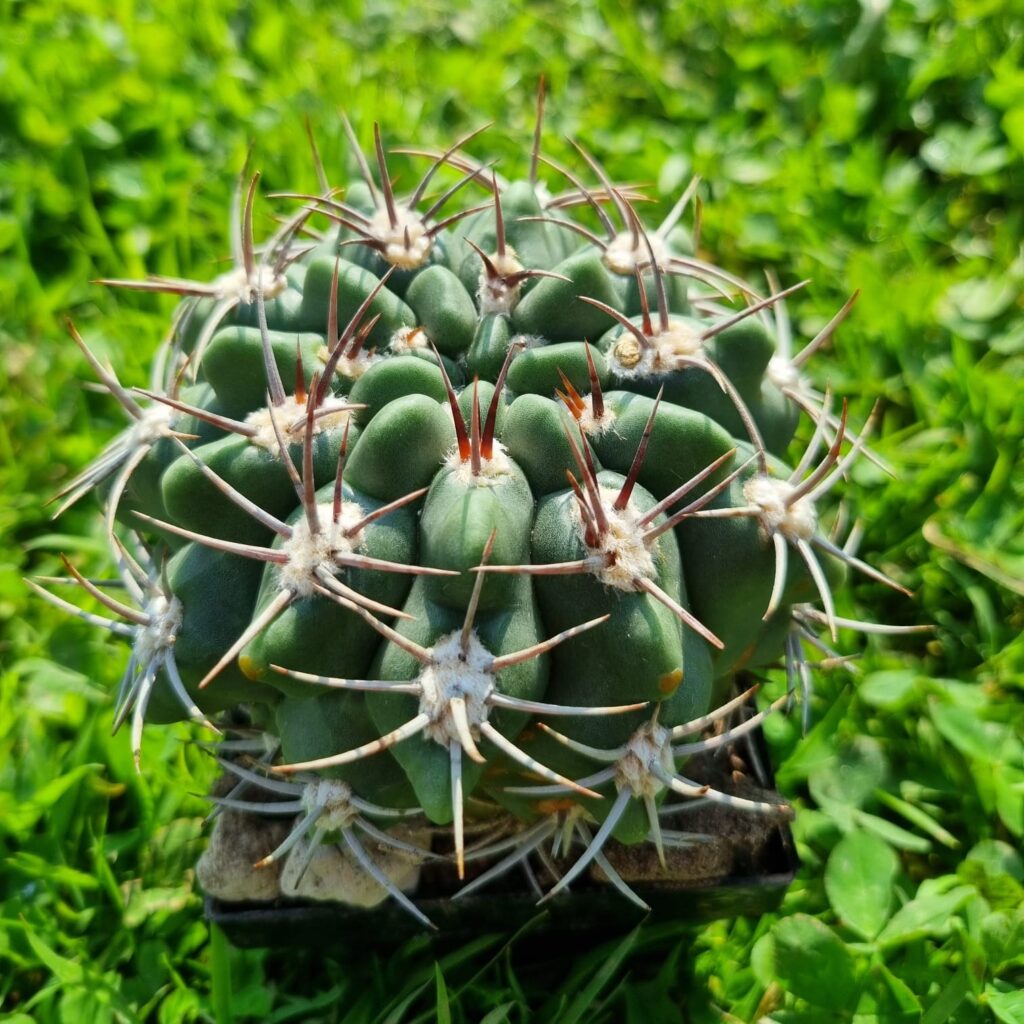
In the verdant tapestry of the cactus world, where spines stand as sentinels of resilience and blooms unfurl like whispered secrets, there exists a practice as audacious as it is artful—grafting. Among the myriad species that grace this botanical realm, the Gymnocalycium genus shines with a quiet magnetism, its globular forms and delicate flowers a testament to nature’s understated elegance. Yet, when we dare to splice its essence onto the sturdy backbone of another cactus, we embark on a horticultural alchemy that transcends the ordinary. This is not merely propagation; it is a dance of symbiosis, a fusion of tenacity and tenderness, where two disparate lives intertwine to create something entirely new.
The Art of Symbiosis: Why Graft Gymnocalycium?
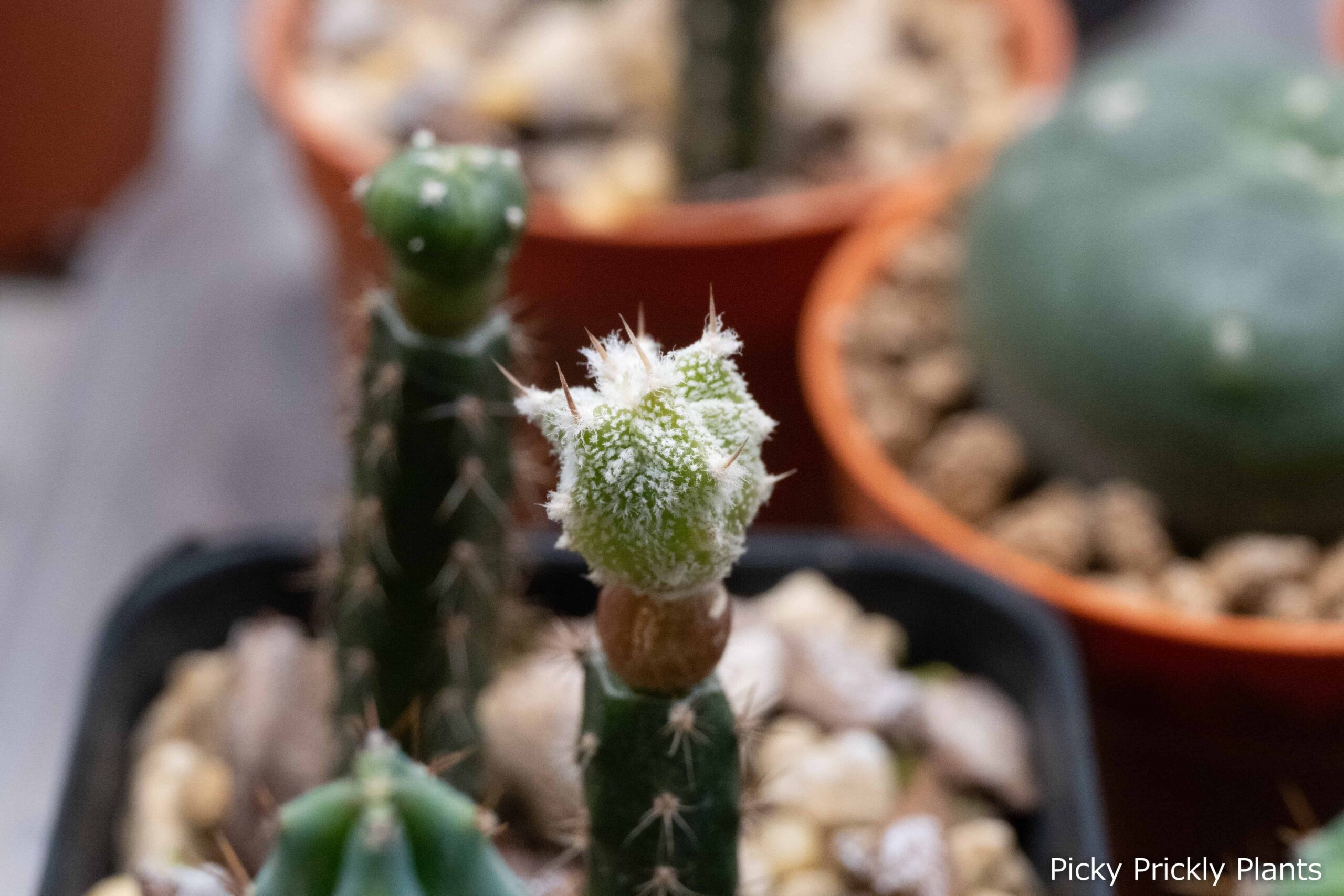
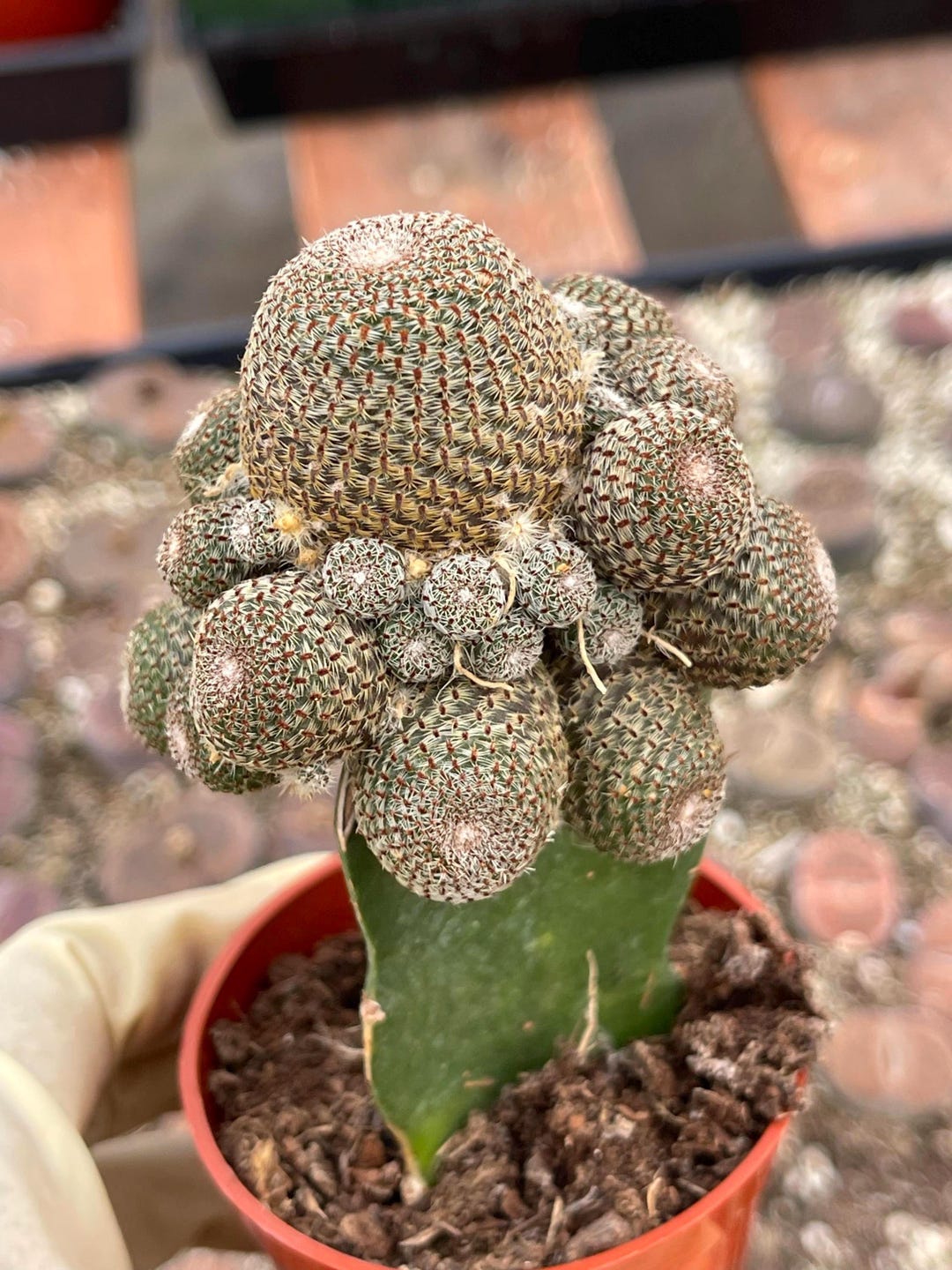
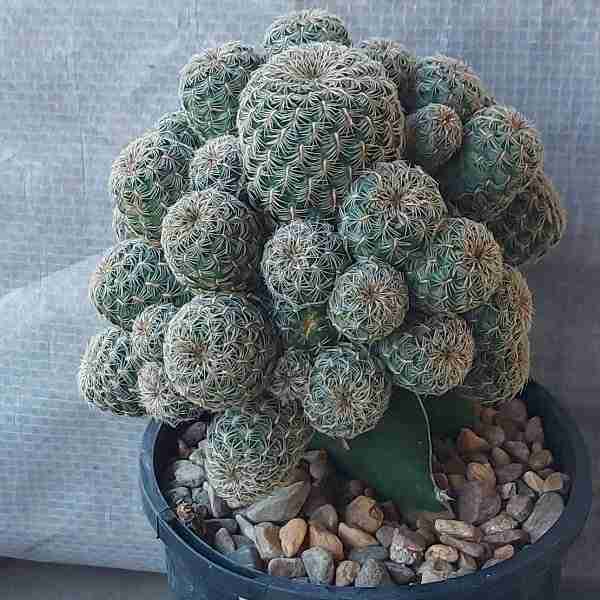
Imagine a world where the frail and the formidable coexist in perfect harmony. The Gymnocalycium, with its vibrant hues and delicate constitution, often struggles in harsh conditions, its survival hinging on the whims of climate and care. But when we graft it onto a hardier host—such as a Hylocereus or Echinopsis—we gift it a lifeline, a second chance to thrive. This union is not one of subjugation but of mutualism. The host cactus, robust and unyielding, provides the Gymnocalycium with the stability it lacks, while the grafted partner infuses the partnership with its own radiant energy. Together, they defy the boundaries of their individual natures, creating a hybrid that is greater than the sum of its parts.
The allure of grafting lies in its ability to preserve the unique traits of the Gymnocalycium—its color, its form, its ephemeral blooms—while endowing it with the resilience of its host. For collectors, this means the joy of cultivating species that might otherwise perish in their care. For artists, it is a canvas where nature itself becomes the medium. And for the curious, it is an invitation to witness the quiet rebellion of life, where two beings merge to carve out a new existence.
The Surgical Poetry of Grafting: Tools and Techniques
To graft is to perform a delicate ballet with blades and patience. The process begins with the selection of a healthy Gymnocalycium scion—its top sliced cleanly with a sterilized razor, revealing the glistening green beneath. The host cactus, too, must be prepared, its crown excised in a single, decisive motion to expose the vascular ring, that lifeblood where the two will merge. Here, precision is paramount; a misaligned cut can spell doom for the union before it even begins.
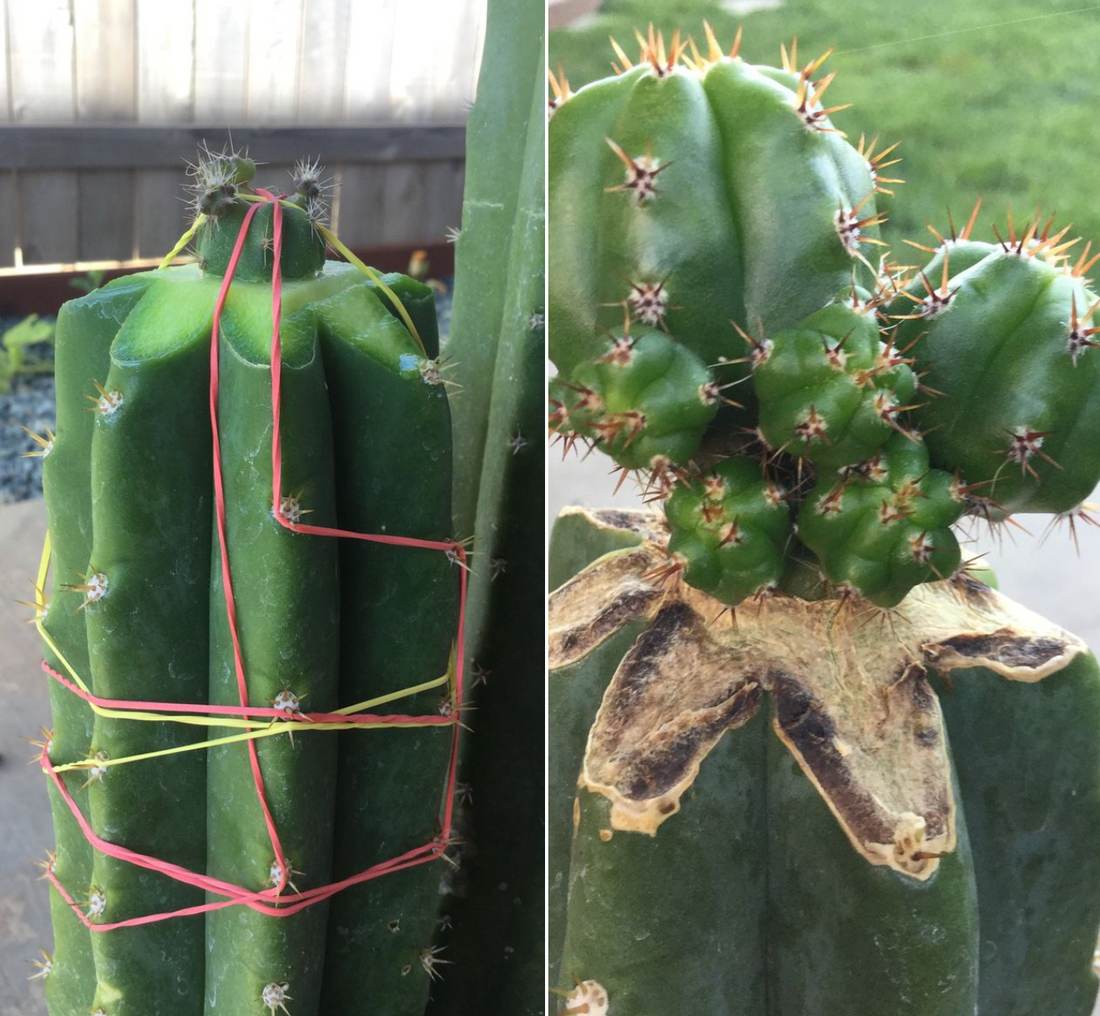
The grafting itself is a moment of intimate connection. The scion is placed atop the host, their cut surfaces pressed together with a tenderness that belies the surgical nature of the act. Some growers use grafting clips or rubber bands to hold the partners in place, while others swear by the gentle pressure of a fingertip. The key is to ensure contact without crushing, to foster a union that is both secure and unobtrusive. Once in place, the grafted cactus is left to rest in a shaded, humid environment—a recovery chamber where the magic of fusion can unfold undisturbed.
Patience is the silent partner in this endeavor. For weeks, the grafted cactus must be shielded from the harsh realities of the outside world—no direct sunlight, no errant breezes, no disturbances. It is a time of quiet anticipation, where the grower becomes a guardian, watching for the first signs of integration. When the scion remains plump and the host shows no signs of rejection, the union is complete. The cactus has, in essence, been reborn.
The Palette of Possibility: Choosing the Right Host
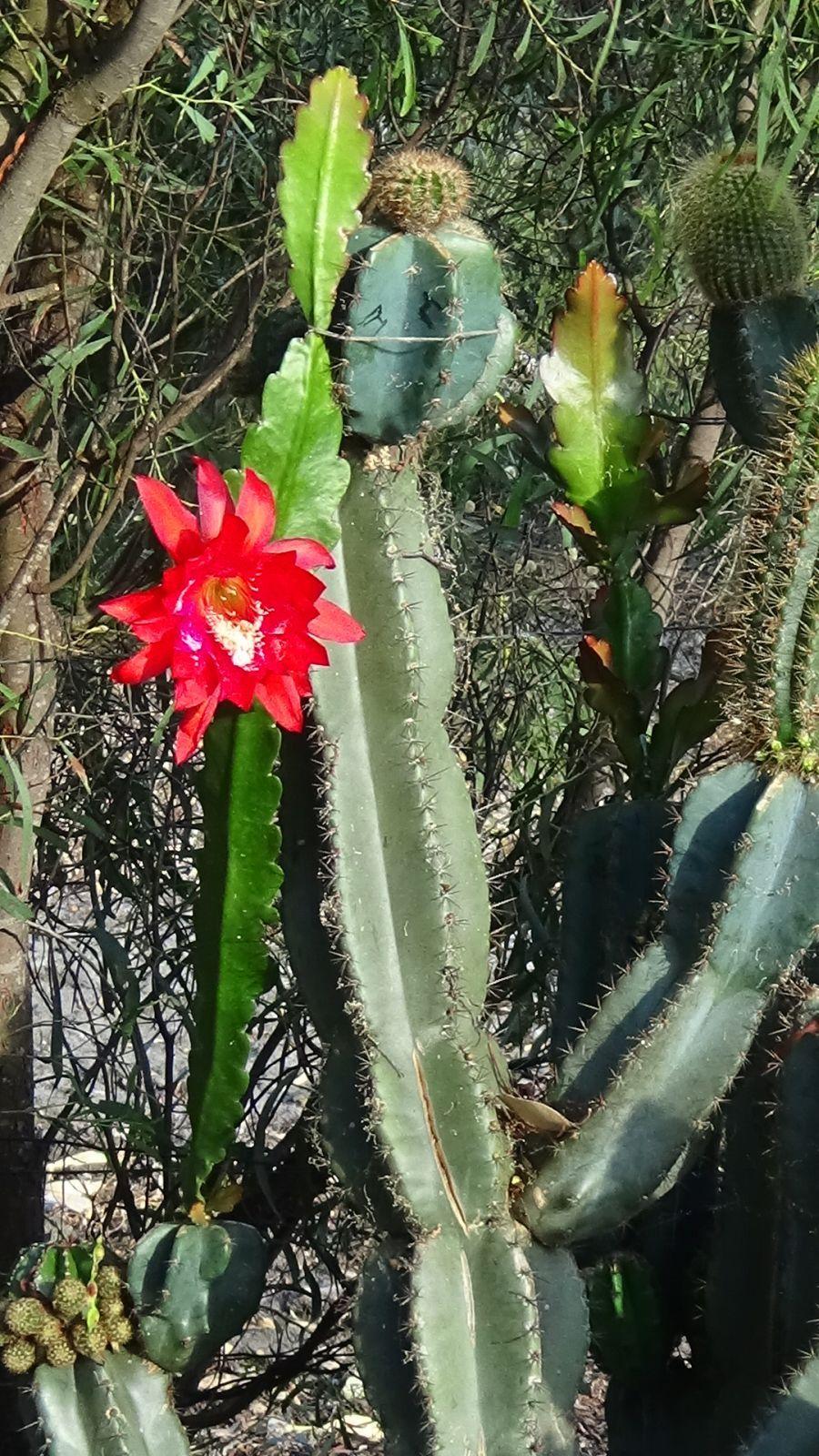
Not all cacti are created equal when it comes to hosting a Gymnocalycium. The ideal partner is one that shares a similar growth rate and care requirements, ensuring that the grafted union does not become a battleground of competing needs. The Hylocereus, with its sprawling, vine-like arms, is a popular choice, its rapid growth providing a sturdy foundation for the more deliberate Gymnocalycium. The Echinopsis, with its columnar form and resilience, is another favored ally, its thick epidermis offering protection against the elements.
Yet, the choice of host is not merely a practical consideration; it is an aesthetic one. The contrast between the Gymnocalycium’s globular grace and the host’s angular lines can create a striking visual dialogue. Imagine the Gymnocalycium’s pastel pinks nestled against the Echinopsis’s deep greens, or the fiery reds of a Gymnocalycium Mihanovichii grafted onto the pale, ribbed arms of a Selenicereus. The possibilities are as boundless as the imagination, each combination a unique expression of botanical artistry.
For those seeking a more unconventional pairing, consider the Pereskiopsis, a cactus with flat, leaf-like pads that provide a broad surface for grafting. Its rapid growth and ease of care make it an excellent host for smaller Gymnocalycium species, while its unusual form adds a touch of the exotic to the final composition. The key is to experiment, to let curiosity guide the hand, and to embrace the unexpected beauty that arises from these horticultural unions.
The Aftermath: Nurturing the Newborn Hybrid
Once the graft has taken, the real work begins. The newly formed cactus is not yet a finished masterpiece; it is a fledgling, vulnerable and in need of careful tending. Watering must be done with a light touch, for the scion is still adjusting to its new life and excess moisture can spell disaster. A well-draining soil mix is essential, allowing the roots to breathe while preventing the dreaded rot that lurks in overly damp conditions.
Light, too, plays a crucial role in the hybrid’s development. While the grafted cactus must be shielded from direct sunlight initially, it will gradually require more illumination as it acclimates. A south-facing window or a grow light can provide the gentle encouragement it needs to flourish. And as the days pass, the grower must watch for signs of distress—yellowing, wilting, or a refusal to grow—each a silent plea for adjustment in care.
Over time, the hybrid will begin to assert its own identity. The host’s influence may subtly alter the Gymnocalycium’s form, or the scion may impart a new vibrancy to the host’s appearance. It is a living testament to the power of collaboration, a reminder that even in the plant kingdom, unity can forge something extraordinary. And when the first bloom emerges—a radiant, unexpected flower—it is a moment of pure magic, a reward for the patience and care invested in the graft’s creation.
The Philosophical Undercurrent: Grafting as Metaphor
Beyond the practicalities and aesthetics, grafting the Gymnocalycium onto another cactus is a metaphor for resilience, adaptation, and the beauty of interdependence. In a world that often pits strength against fragility, this union challenges the binary, proving that vulnerability and tenacity can coexist. The Gymnocalycium, with its delicate constitution, becomes a symbol of the power of support—of how even the most delicate among us can thrive when given the right foundation.
It is also a celebration of diversity. The cactus world, like any ecosystem, thrives on variety. By grafting, we honor the uniqueness of each species while creating something entirely new. It is a reminder that beauty often lies in the fusion of differences, in the unexpected alliances that defy convention. In this act of horticultural alchemy, we are not just cultivating plants; we are cultivating a philosophy—one that embraces change, values collaboration, and finds joy in the extraordinary.
So, to those who dare to wield the razor and nurture the union, know this: you are not merely a gardener. You are an artist, a scientist, a storyteller. You are the architect of a living sculpture, the guardian of a quiet revolution. And when your Gymnocalycium graft blooms, it will not just be a flower—it will be a testament to the magic that happens when we dare to combine, to merge, to create.
FAQ
Why graft Gymnocalycium onto another cactus?
Grafting provides Gymnocalycium with a hardier rootstock to improve its survival and growth, especially in harsher conditions.
What are the best host cacti for grafting Gymnocalycium?
Common hosts include Hylocereus, Echinopsis, Pereskiopsis, and Selenicereus due to their robustness and compatible growth rates.
How should I care for a grafted Gymnocalycium cactus?
Keep the grafted cactus in a shaded and humid environment initially, water lightly, avoid direct sunlight at first, and gradually increase light exposure as it acclimates.
What tools are needed for grafting cacti?
A sterilized razor for clean cuts, grafting clips or rubber bands to hold the graft in place, and a clean, controlled environment for healing.
How long does it take for a graft to heal?
Healing typically takes several weeks, during which the grafted cactus should be kept undisturbed and monitored for signs of successful union.
Leave a Reply