
Short Answer
In the vast, ink-stained universe of tattoo artistry, where symbols whisper secrets and designs narrate sagas, one genus of cacti has quietly emerged as a darling of the body art world: Rebutia. These diminutive, jewel-like succulents, native to the high-altitude regions of the Andes, have transcended their botanical origins to become a canvas of meaning for those seeking tattoos that are as profound as they are visually arresting. Unlike their towering, spiny cousins who dominate desert landscapes, Rebutia species—with their compact rosettes and vibrant blooms—embody resilience in miniature, a trait that resonates deeply with individuals navigating the complexities of modern life. Their appeal isn’t merely aesthetic; it’s a testament to the human fascination with endurance, adaptability, and the quiet strength found in the unassuming.
The Allure of the Unassuming: Why Rebutia Captivates the Imagination
At first glance, a Rebutia tattoo might seem deceptively simple—a cluster of rounded, ribbed segments crowned with a burst of color. Yet, this unpretentious appearance belies a deeper narrative. These cacti thrive in some of the harshest conditions imaginable: thin air, relentless sunlight, and soil so poor it would make a desert blush. Their ability to flourish where others wither is a metaphor that strikes a chord with many. In a world that often glorifies grandeur, the Rebutia’s understated elegance offers a refreshing counterpoint—a reminder that greatness isn’t always loud or ostentatious. This juxtaposition of fragility and fortitude is what makes Rebutia tattoos so compelling. They serve as a visual mantra for those who see beauty in the overlooked, strength in the delicate, and meaning in the mundane.
Symbolism in Spines: The Deeper Meanings Behind Rebutia Tattoos
The symbolism of Rebutia tattoos is as layered as the concentric rings of their growth. At their core, these designs often represent adaptability—the cactus’s ability to thrive in arid, oxygen-depleted environments mirrors the human capacity to endure adversity. For survivors of trauma, these tattoos can be a badge of resilience, a permanent inked testament to their ability to bloom despite the thorns. Others see in Rebutia a symbol of patience; these cacti can take years to mature, their flowers unfurling only under precise conditions. This patience is a virtue in an era of instant gratification, a gentle nudge to embrace the slow burn of personal growth.
Additionally, Rebutia’s vibrant flowers—often in hues of red, orange, or purple—symbolize passion and creativity. The contrast between the cactus’s muted, earthy tones and its explosive blooms speaks to the idea that even in barren landscapes, life finds a way to express itself. For artists, writers, and dreamers, this duality is a powerful metaphor: creativity doesn’t require a lush environment to flourish; it only needs the right conditions to erupt into something breathtaking. Some wear Rebutia tattoos as a talisman against creative block, a reminder that their inner fire is always capable of ignition.
Design Alchemy: Translating Rebutia into Ink
Capturing the essence of a Rebutia in tattoo form is an exercise in botanical artistry. The challenge lies in distilling the cactus’s intricate details—its ribbed segments, its delicate spines, the way its flowers emerge like bursts of confetti—into a design that remains both recognizable and deeply personal. Traditionalists might opt for a blackwork approach, using stark contrasts to highlight the cactus’s geometric form, while watercolor enthusiasts could render its blooms in a riot of blended hues, as if the ink itself were bleeding into the skin. For those drawn to minimalism, a single Rebutia rosette, rendered in fine linework, can convey the same quiet strength as a more elaborate piece.
One popular design trend is the Rebutia in bloom, where the tattoo captures the cactus mid-flowering, its petals unfurling in a dynamic spiral. This not only showcases the plant’s natural beauty but also infuses the design with a sense of movement and vitality. Another approach is the abstract Rebutia, where the artist strips the cactus down to its essential shapes—circles, curves, and sharp angles—creating a design that feels both futuristic and timeless. For those who wish to incorporate personal symbolism, some artists weave in elements like constellations, geometric patterns, or even other flora to create a tattoo that tells a larger story.
Placement and Permanence: Where Rebutia Takes Root on the Body
The placement of a Rebutia tattoo can amplify its meaning, turning the body into a living gallery where art and identity intertwine. A Rebutia on the wrist or forearm, where it’s easily visible, might serve as a daily reminder of resilience or creativity. The forearm’s expanse allows for intricate detailing, making it an ideal canvas for a full rosette or a cluster of blooms. For those seeking a more intimate connection, a Rebutia tattoo on the ribcage or thigh can feel like a secret shared only with the wearer—a personal emblem of strength hidden beneath clothing, revealed only to those who matter.
The shoulder blade is another favored spot, its curvature mirroring the natural form of the cactus. A Rebutia here can appear as if it’s growing from the skin itself, its spines and flowers wrapping around the body’s contours. For those who prefer subtlety, the ankle or behind the ear offers a delicate placement, where the tattoo can be a whisper rather than a shout. The key is to choose a location that feels meaningful—a place where the tattoo can “breathe” and interact with the body’s natural movements, ensuring that the design remains as dynamic as the cactus it represents.
The Cultural Crossroads: Rebutia in Global Tattoo Traditions
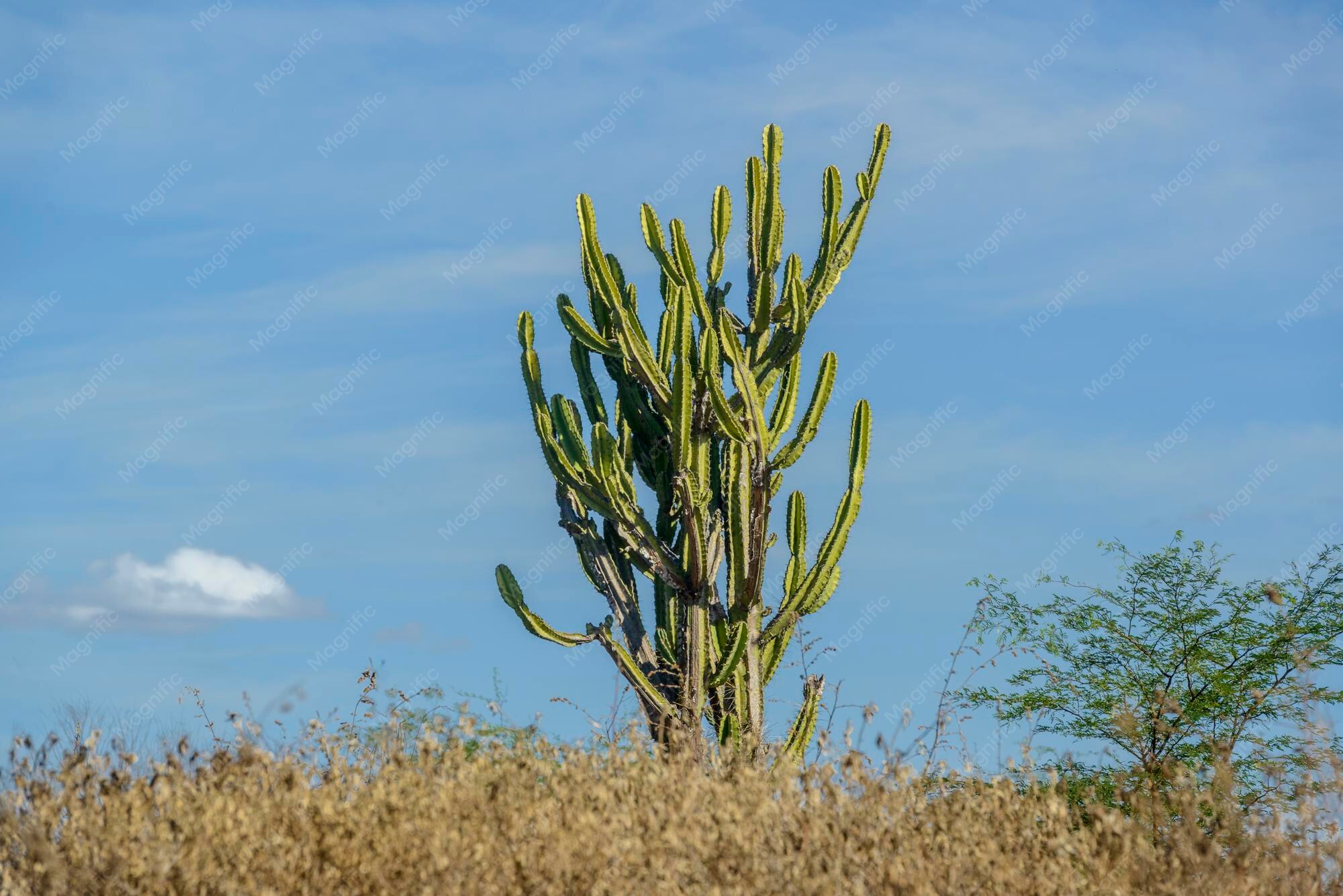
While Rebutia tattoos are a relatively modern phenomenon, their roots tap into ancient traditions of botanical symbolism in body art. Indigenous cultures across the Americas have long revered cacti—not just for their survival skills, but for their spiritual significance. The San Pedro cactus, for example, has been used in shamanic rituals for centuries, its psychoactive properties facilitating visions and healing. Though Rebutia lacks such potent compounds, its symbolic kinship with its larger cousins bridges a cultural gap, connecting contemporary tattoo wearers to a lineage of reverence for these tenacious plants.
In Japanese tattoo art, the concept of wabi-sabi—finding beauty in imperfection and transience—finds a parallel in Rebutia’s delicate balance between fragility and fortitude. The cactus’s ephemeral blooms, which last only a few days, echo the Japanese appreciation for fleeting beauty, a reminder to cherish moments of brilliance even when they’re short-lived. Meanwhile, in Western tattoo culture, Rebutia designs often align with the botanical tattoo movement, which celebrates the intersection of nature and artistry. This global tapestry of influences ensures that Rebutia tattoos are more than just pretty pictures—they’re a dialogue between cultures, eras, and personal narratives.
Beyond the Ink: The Psychological and Emotional Impact of Rebutia Tattoos
The decision to adorn one’s skin with a Rebutia tattoo is rarely made lightly. For many, it’s an act of self-actualization—a way to externalize inner strength, creativity, or resilience. Psychologically, tattoos can serve as anchors, grounding the wearer in moments of doubt or uncertainty. A Rebutia tattoo, with its connotations of endurance and adaptability, can act as a silent cheerleader, a reminder that growth is possible even in the most inhospitable conditions. Studies on tattoo symbolism suggest that individuals often choose designs that reflect their personal struggles or triumphs, and Rebutia’s layered meanings make it a versatile choice for those seeking a tattoo with emotional resonance.
Moreover, the process of getting a Rebutia tattoo—from the initial sketch to the final needle prick—can be a meditative experience. The act of sitting still, of trusting the artist to translate a deeply personal symbol into ink, is itself a form of resilience. For some, the pain of the tattoo session becomes a metaphor for the challenges they’ve overcome, a physical manifestation of their ability to endure. The resulting tattoo, then, is not just a piece of art but a rite of passage, a permanent marker of a journey from fragility to strength.
A Living Legacy: The Future of Rebutia in Tattoo Culture
As tattoo culture continues to evolve, so too does the language of its symbols. Rebutia tattoos, once a niche choice, are gaining traction as more people seek designs that are both visually striking and rich in meaning. The rise of sustainable tattooing—a movement that emphasizes eco-friendly inks and ethical sourcing—also aligns with the Rebutia’s ethos of resilience in the face of environmental challenges. Artists are experimenting with new techniques, from biomechanical interpretations that make the cactus appear to grow from the skin to glow-in-the-dark inks that mimic the cactus’s nocturnal blooming habits.
What’s more, the Rebutia’s adaptability makes it a perfect symbol for the modern world, where change is the only constant. Whether worn as a nod to personal growth, a celebration of creativity, or a testament to endurance, these tattoos are more than ink on skin—they’re a living, breathing dialogue between the wearer and the natural world. As long as there are stories to tell and struggles to overcome, the Rebutia will continue to flourish in the realm of body art, its tiny spines and radiant blooms a beacon of meaning in an ever-shifting landscape.
FAQ
What do Rebutia tattoos symbolize?
Rebutia tattoos often symbolize resilience, adaptability, and creativity, reflecting the cactus's ability to thrive in harsh conditions.
What are popular designs for Rebutia tattoos?
Popular designs include the cactus in bloom, minimalist representations, and abstract interpretations that may include personal symbolism.
Where is the best placement for a Rebutia tattoo?
Ideal placements include the forearm, wrist, ribcage, or shoulder blade, depending on how visible or intimate the wearer wants the tattoo to be.


Leave a Reply