
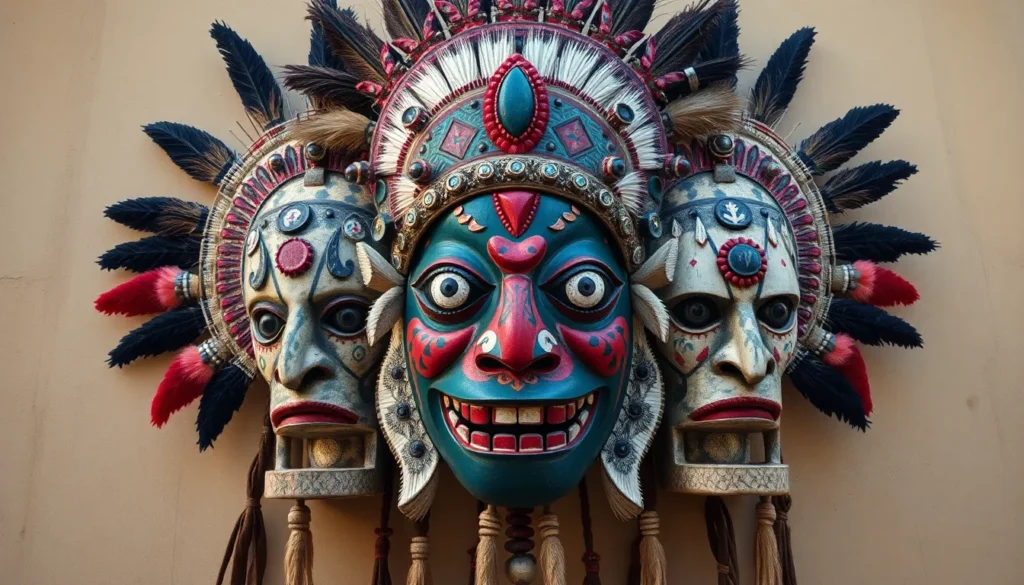
Short Answer
In the heart of the desert, where the sun bleeds into the horizon and the earth whispers ancient secrets, there grows a small, spineless cactus known as Lophophora williamsii—the sacred peyote. To the Native American tribes who have revered it for millennia, this unassuming plant is not merely a botanical curiosity; it is a living vessel of the divine, a bridge between the mundane and the mystical. Its crown, a cluster of blue-green buttons, holds within it a universe of spiritual revelation, healing, and communal unity. To dismiss peyote as a mere psychedelic is to overlook the profound tapestry of tradition, resistance, and reverence woven into its every fiber. This is the story of peyote—not as a substance, but as a sacred ally, a teacher, and a symbol of cultural resilience.
The Botanical Enigma: A Cactus Wrapped in Mystery
Peyote is a paradox—a plant that defies expectations. Unlike its spiny desert kin, it grows low to the ground, its ribbed, button-like structure cradling the essence of the earth. Its flowers, pale pink and fleeting, bloom only under the cover of night, as if shyly revealing their secrets. The Huichol people of Mexico call it hikuri, the Navajo dzi’íłí, and the Comanche wokoni—each name a testament to its sacred role in language and lore. But peyote is more than a plant; it is a living archive of Indigenous knowledge, its cultivation and preparation steeped in protocols older than recorded history.
The peyote ceremony is not a casual affair. It is a meticulously orchestrated ritual, where the gathering of the cactus is accompanied by prayers, songs, and the guidance of a peyote roadman—a spiritual leader who navigates the journey between worlds. The buttons are sliced, dried, and consumed in a sacred context, their mescaline content not the focus, but a mere instrument in a symphony of the spirit. To the uninitiated, this may seem like a simple act of ingestion, but to those who walk the peyote path, it is a communion with the divine, a dialogue with ancestors, and a reaffirmation of cultural identity.

The Visionary Tapestry: Peyote as a Portal to the Sacred
When peyote is ingested in the proper ceremonial setting, it does not merely alter perception—it unfolds reality. The visions that arise are not hallucinations, but revelations, threads of meaning pulled from the fabric of the cosmos. The Huichol, for whom peyote is the Blue Deer, embark on pilgrimages to Wirikuta, the sacred desert where the plant grows, to seek guidance from the gods. Their journey is a physical and spiritual odyssey, where peyote becomes the compass pointing toward enlightenment.
For the Navajo, peyote is the holy road, a path that leads to hózhǫ́—a state of balance, harmony, and beauty. In the peyote ceremony, participants enter a realm where time dissolves, and the boundaries between self and other blur. The visions may take the form of ancestors, animal spirits, or celestial beings, each offering wisdom, warnings, or blessings. But these are not passive experiences. The participant must engage, must listen, must integrate the teachings into their life. Peyote does not give answers; it asks questions, and it is up to the seeker to decipher the whispers of the divine.
The Comanche, who adopted peyote from the Lipan Apache in the 19th century, see it as a medicine of the heart. Their ceremonies are communal, a gathering of souls bound by song and prayer. The peyote button, when consumed, is said to open the heart, allowing the participant to feel the interconnectedness of all life. In a world that often prioritizes individualism, peyote reminds us that we are part of a greater whole—a reminder that is both humbling and empowering.
The Sacred Fire: Peyote in Ritual and Resistance
Peyote is not just a plant; it is a fire. The ceremonial use of peyote is often accompanied by the lighting of a sacred fire, a flame that symbolizes the presence of the Creator, the warmth of community, and the burning away of impurities. The fire is tended throughout the night, its embers a constant reminder of the endurance of tradition. In the glow of the flames, participants share stories, sing songs, and offer prayers—each act a thread in the larger tapestry of the ceremony.
But peyote’s fire is not just metaphorical. It is a flame of resistance. For centuries, Indigenous peoples have faced erasure, assimilation, and outright persecution for their spiritual practices. Peyote, with its deep roots in Native cosmology, became a symbol of defiance. In the late 19th and early 20th centuries, as colonial governments sought to suppress Indigenous cultures, peyote ceremonies were banned, and practitioners were criminalized. Yet, the plant endured. The Native American Church, founded in the late 1800s, became a sanctuary for those who sought to protect peyote’s sacred role. Today, its use is legally protected in the United States, a testament to the resilience of those who have safeguarded its traditions.
The fire of peyote is also a fire of healing. In a world that has inflicted generations of trauma upon Indigenous communities, peyote offers a path to restoration. The ceremonies provide a space for emotional release, for reconnection with cultural identity, and for the mending of broken spirits. It is not a quick fix, but a slow, deliberate process—one that requires patience, trust, and reverence. In this way, peyote is both a mirror and a balm, reflecting the pain of the past while offering the tools to heal.
The Peyote Path: A Journey of Transformation
To walk the peyote path is to embark on a journey without a fixed destination. Each ceremony is a step, a lesson, a revelation. The first time one consumes peyote, it may feel like a descent into the unknown—a place of disorientation, of visions that are as terrifying as they are beautiful. But with each subsequent journey, the path becomes clearer. The visions may shift from abstract shapes to profound insights, from personal struggles to universal truths. The peyote roadman, with their knowledge and experience, acts as a guide, helping the participant navigate the terrain of the spirit.
Yet, the peyote path is not for the faint of heart. It demands courage, humility, and a willingness to confront the shadows within. The plant does not offer easy answers; it offers challenges, confrontations, and sometimes, hard truths. But for those who persist, the rewards are immeasurable. Peyote teaches patience, gratitude, and the importance of living in harmony with the natural world. It reminds us that we are not separate from the earth, but a part of it—a lesson that is sorely needed in an era of ecological crisis.
The peyote ceremony is also a celebration of life. Songs are sung, prayers are offered, and stories are shared. The communal aspect of the ritual is vital—it reinforces the idea that healing is not an individual endeavor, but a collective one. In a world that often isolates and divides, peyote brings people together, weaving a web of connection that transcends language, culture, and borders.
The Future of Peyote: Guardians of the Sacred
As the world becomes increasingly disconnected from nature and tradition, the future of peyote hangs in a delicate balance. The plant’s natural habitat is under threat from climate change, urbanization, and overharvesting. The commercialization of peyote—its sale as a “psychedelic” in non-traditional contexts—poses another challenge. For Indigenous communities, the sacredness of peyote is non-negotiable. It is not a commodity to be bought, sold, or exploited. It is a living entity, a teacher, a gift from the Creator.
Efforts are underway to protect peyote’s natural growth and to ensure that its ceremonial use remains in the hands of those who understand its sacredness. Organizations like the Native American Church and Indigenous-led conservation groups work tirelessly to preserve both the plant and the traditions surrounding it. But the fight is far from over. The encroachment of modernity threatens to dilute the essence of peyote’s role, turning it into a mere curiosity rather than a sacred ally.
For those who are not Indigenous, the path to understanding peyote must be one of respect and humility. It is not a plant to be experimented with lightly, nor a trend to be co-opted by the wellness industry. Peyote’s power lies in its cultural context, in the centuries of wisdom that have shaped its use. To engage with it outside of this framework is to risk losing its essence entirely.
The sacred peyote is more than a cactus. It is a living prayer, a teacher, a healer, and a symbol of resilience. In a world that has tried to erase Indigenous cultures, peyote endures—a testament to the unbreakable spirit of those who have safeguarded its traditions. Its lessons are timeless: that healing is possible, that connection is vital, and that the earth holds within it the keys to the divine. To those who walk the peyote path, it is not just a plant, but a way of life—a way of being that honors the past, embraces the present, and looks toward a future where the sacred is never forgotten.
FAQ
What is peyote?
Peyote is a small, spineless cactus (Lophophora williamsii) revered in Native American cultures for its psychoactive properties and spiritual significance.
How is peyote used in ceremonies?
Peyote is consumed in ceremonial contexts accompanied by prayers and songs, serving as a tool for spiritual connection and healing.
What are the cultural significances of peyote?
Peyote symbolizes cultural resilience and unity among Indigenous peoples, serving as a bridge to the divine and ancestral wisdom.
FAQ
What is peyote?
Peyote (Lophophora williamsii) is a small, spineless cactus known for its psychoactive properties and spiritual significance in various Native American cultures.
How is peyote used in ceremonies?
Peyote is used in sacred ceremonies involving prayers and songs, guided by a spiritual leader, to connect participants with the divine.
Why is peyote considered sacred?
Peyote is viewed as a sacred ally and teacher, representing cultural resilience and a deep connection to Indigenous spirituality and traditions.


Leave a Reply