
Short Answer
There’s something quietly revolutionary about the Schlumbergera—a plant that thrives where others might falter, its vibrant blooms defying the chill of winter with a stubborn, almost rebellious elegance. Yet, beneath those cascading phylloclades and radiant flowers lies a secret: the soil it calls home is as meticulously crafted as the plant itself. For the Schlumbergera, commonly known as the Christmas cactus, thrives not in the loamy embrace of a garden bed but in the aerated, nutrient-conscious confines of a well-draining medium. This isn’t just a preference; it’s a survival strategy, a silent negotiation between moisture and air, between feast and famine. To understand the soil that nurtures this botanical marvel is to uncover the delicate balance that allows it to flourish where others would wither.
The Myth of the “Rich Soil”: Why Schlumbergera Rejects Fertility
Picture the typical houseplant, nestled in a dense, organic-rich soil that promises sustenance with every watering. Now imagine the Schlumbergera, recoiling from such abundance like a desert nomad from a flood. The plant’s natural habitat—clinging to the craggy ledges of Brazilian rainforests—has conditioned it to seek out substrates that mimic the porous, mineral-heavy soils of its ancestral home. A high-organic, moisture-retentive medium may seem nurturing, but for Schlumbergera, it’s a death sentence. Root rot creeps in like a thief, suffocating the plant in its own excess. The key isn’t fertility; it’s aeration. The soil must breathe, allowing water to drain swiftly while retaining just enough moisture to sustain the plant between waterings. This paradox—thriving in what others deem “poor” soil—is a testament to the plant’s evolutionary ingenuity. It doesn’t need a banquet; it needs a lifeline.
The Alchemy of Drainage: Crafting a Substrate That Breathes
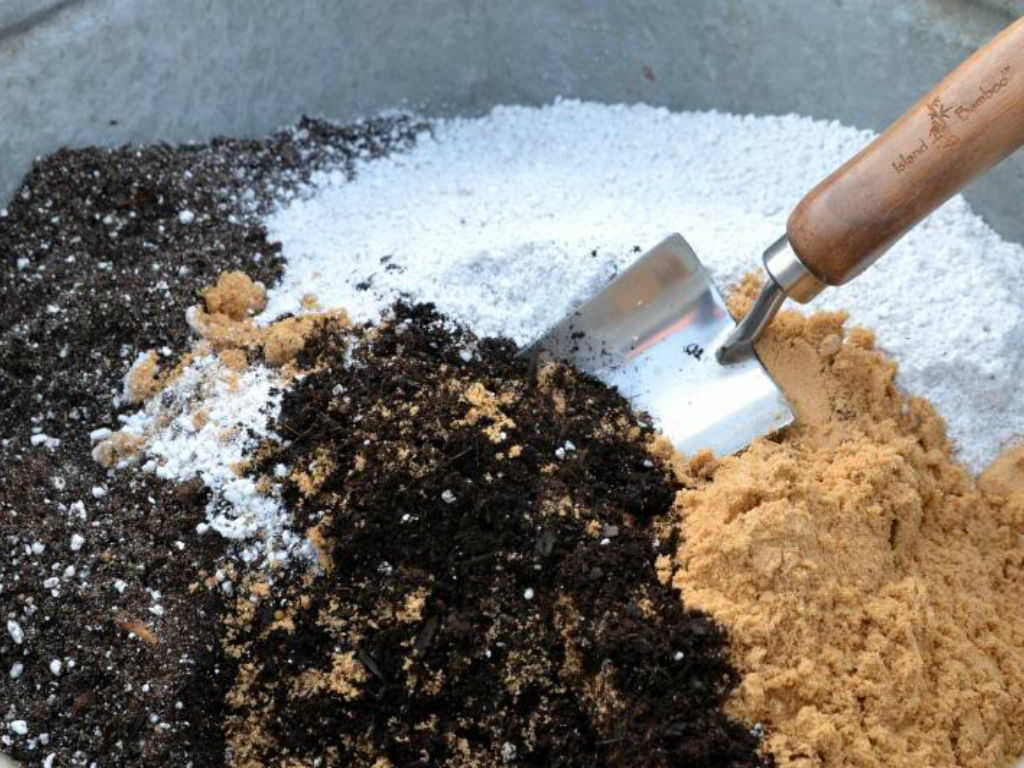
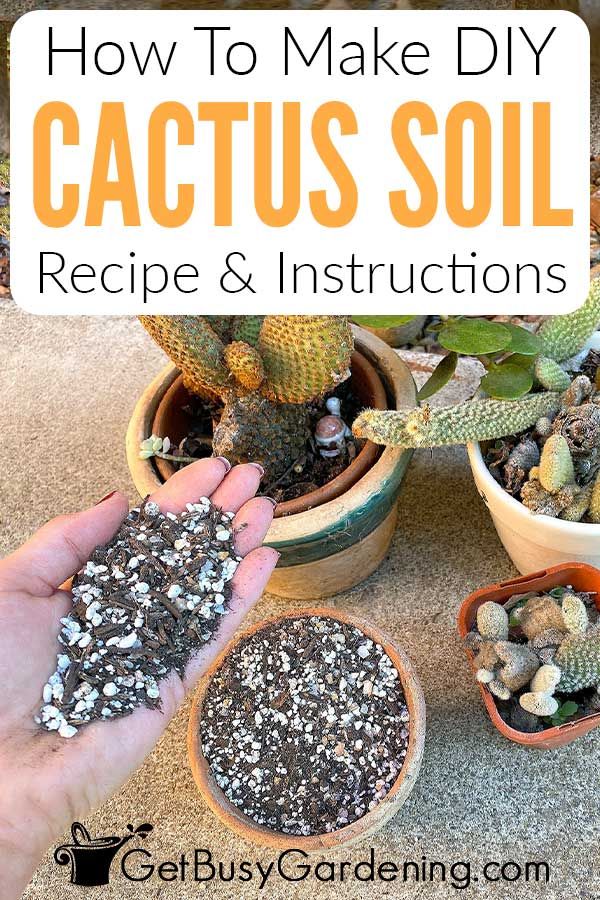
To create the ideal soil for Schlumbergera is to engage in a form of botanical alchemy, blending components that seem contradictory yet work in harmony. The foundation begins with a base of coarse materials: perlite, pumice, or even coarse sand, each particle acting as a microscopic conduit for excess water. These are not mere fillers; they are the architects of aeration, ensuring that the roots never drown in their own environment. To this, we add a modest portion of organic matter—not peat moss, which can compact over time, but coconut coir or well-aged compost, which decomposes slowly and retains just enough moisture to keep the plant hydrated without drowning it. A sprinkle of horticultural charcoal can further refine the mix, warding off the sour tang of stagnant water and the fungal foes it invites. The result? A substrate that feels alive, where water passes through like a breeze through a mountain pass, leaving the roots dry enough to thrive.

Nutrient Needs: The Delicate Dance of Minimalism
If drainage is the skeleton of Schlumbergera’s soil, then nutrients are its fleeting whispers—a touch of phosphorus here, a whisper of potassium there. Unlike the gluttonous feeders of the plant world, Schlumbergera is a minimalist, thriving on the barest of sustenance. Overfeeding is a common misstep, one that leads to lush, leafy growth at the expense of the very blooms that make the plant beloved. The solution lies in a diluted, balanced fertilizer, applied sparingly during the growing season. Think of it not as a feast but as a light sprinkling of salt on a dish—just enough to enhance the flavor without overwhelming it. A slow-release fertilizer can also work wonders, its granules dissolving gradually to feed the plant over time. The goal isn’t to stuff the soil with nutrients but to provide a steady, unobtrusive drip of what the Schlumbergera truly needs: a nudge toward vibrancy, not a flood.
The pH Paradox: Why Acidic Isn’t Always Better
Soil pH is often treated as a sacred number, a rigid rule etched in botanical stone. For Schlumbergera, however, the ideal pH—slightly acidic, hovering around 5.5 to 6.5—is less a commandment and more a suggestion. The plant isn’t fussy; it’s adaptable. What matters more than the exact pH is the consistency of the environment. Drastic fluctuations can stress the plant, causing its vibrant blooms to fade into a duller shade of pink or red. To maintain this equilibrium, a soil test is invaluable. If the pH veers too far from the sweet spot, amendments like sulfur or lime can gently coax it back into balance. But the real secret? Observation. Watch how the plant responds. Are the leaves a healthy green? Are the blooms robust and plentiful? The plant itself will tell you if the soil is right, if the pH is singing in harmony with its needs.
Repotting: The Ritual of Renewal
Repotting Schlumbergera isn’t just a chore; it’s a ritual of renewal, a chance to refresh the soil’s vitality and give the plant room to stretch its roots. Yet, this is where many enthusiasts stumble, either by choosing a pot that’s too large—trapping excess moisture like a swamp— or by using the same tired soil year after year, compacted and depleted. The ideal repotting medium is a blend of the old and the new: a third of the old soil, mixed with fresh perlite, coconut coir, and a dash of horticultural charcoal. The pot itself should be snug, just large enough to accommodate the root ball with an inch or two of breathing room. This isn’t just about space; it’s about mimicry. In the wild, Schlumbergera clings to narrow crevices, its roots spreading just enough to anchor it without drowning in excess. The repotting process should echo this constraint, ensuring that the plant remains both nourished and invigorated.
The Unseen Battle: Fungi, Bacteria, and the Soil’s Silent Wars
Beneath the surface, a silent war rages. Fungi and bacteria vie for dominance in the soil, some allies, some foes. For Schlumbergera, the enemy is stagnation—the damp, anaerobic conditions that invite root rot and fungal pathogens. This is why the soil’s structure is so critical. A well-draining medium doesn’t just prevent waterlogging; it starves the pathogens of the one thing they crave: moisture. Yet, even the best soil can become a battleground if neglected. Over time, organic matter breaks down, compacting the substrate and reducing its aeration. This is where the unsung hero of soil health comes into play: the humble earthworm. Introducing a few into the soil can work wonders, their tunneling aerating the medium and their castings enriching it with beneficial microbes. It’s a reminder that soil isn’t just dirt; it’s a living, breathing ecosystem, and Schlumbergera thrives when that ecosystem is in balance.
The Aesthetic of the Unconventional: Why Schlumbergera’s Soil Matters
There’s a quiet rebellion in the way Schlumbergera flourishes in soil that others dismiss as “inferior.” It’s a plant that doesn’t ask for much but gives so much in return—a burst of color in the dead of winter, a reminder that life persists even in the most unlikely of places. The soil it requires isn’t just a medium; it’s a manifesto. It speaks to the beauty of adaptation, the elegance of minimalism, and the importance of understanding a plant’s true needs rather than imposing our own desires upon it. To grow Schlumbergera is to engage in a dialogue with nature, one that requires patience, observation, and a willingness to let go of conventional wisdom. In doing so, we don’t just cultivate a plant; we cultivate a philosophy—one that celebrates resilience, balance, and the quiet power of the unconventional.
FAQ
What type of soil is best for Schlumbergera?
Schlumbergera thrives in a well-draining, aerated soil mix that minimizes moisture retention and prevents root rot.
How often should I fertilize my Christmas cactus?
Fertilize sparingly during the growing season with a diluted, balanced fertilizer to avoid overfeeding.
What pH level is ideal for Christmas cactus soil?
The ideal pH level for Schlumbergera is slightly acidic, around 5.5 to 6.5.


Leave a Reply