
Short Answer
Imagine a botanical enigma that whispers secrets of the tropical forest canopy—Rhipsalis, the ethereal mistletoe and coral cacti. These delicate epiphytes defy the desert stereotype we often associate with cacti, weaving a story of verdant elegance and arboreal grace. To cultivate Rhipsalis is to invite a living sculpture of nature into your home, a vibrant tapestry that thrives not with harsh sun and arid soil, but under soft canopies and with careful, deliberate nurturing. Growing these extraordinary cacti reveals the intricate dance between patience, subtlety, and an appreciation for their unique allure.
Understanding the Mystique of Rhipsalis
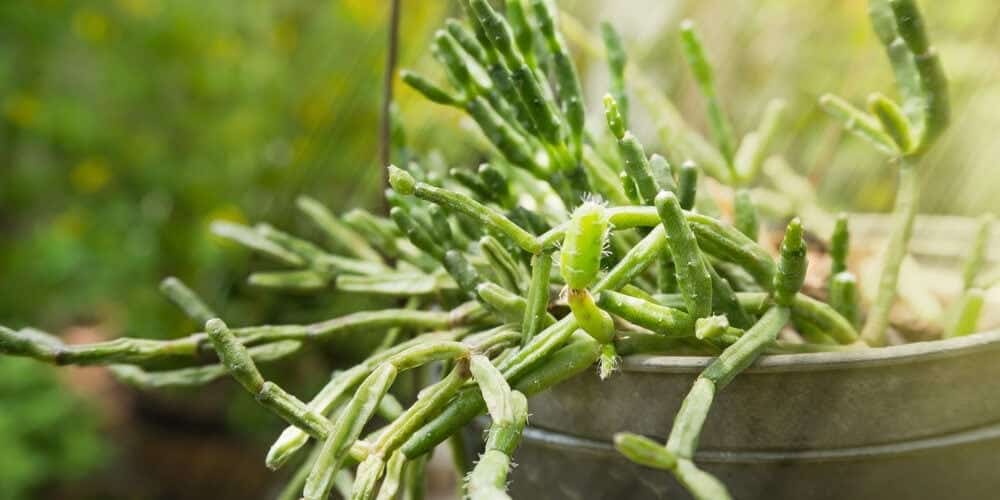
Rhipsalis is not your run-of-the-mill cactus. Often draped like coral reefs or cascading vines, these epiphytic cacti evoke imagery of underwater gardens or mossy rainforest branches. Unlike their desert cousins, they originate deep in shaded jungles of Central and South America, and even parts of Africa and Asia. Their succulent stems, sometimes cylindrical and at other times flattened and leaf-like, twist and ripple, creating a living sculpture that can both hang elegantly or sprawl with curious, wandering tendrils.
This genus embodies adaptation in its finest form. They thrive on little more than the filtered light, high humidity, and barely-there humus of forest canopies. To embrace Rhipsalis care is to simulate these subtle conditions, fostering an environment where they flourish in understated splendor. Their unique appeal lies not only in their form but in the whispered story of survival in a world less traveled by gardeners.

Light Requirements: The Poetry of Filtered Sunlight
Imagine the dappled sun itself as a delicate brushstroke on a canvas—this is the light that Rhipsalis craves. Direct sunlight is a blazing artist’s knife, too fierce and unforgiving for their tender stems. Instead, these mistletoe and coral cacti flourish under indirect or filtered light, akin to the soft glow seeping through rainforest canopies.
Too little light and your Rhipsalis may become leggy, stretching toward any glimmer of illumination. Too much, and the stems scorch, shriveling like a forgotten parchment. The ideal spot is a bright room with east or north-facing windows, or shaded outdoor areas during summer months. A translucent curtain can replicate the gentle play of light through leaves, coaxing out its best hues and healthiest growth.
The Art of Watering: Balancing Thirst and Drought
Watering Rhipsalis is a masterclass in restraint and timing. These plants are succulent but not desert-dwellers craving parched substrates. Their natural epiphytic nature means they sip moisture from the humid air and the occasional precipitation dripping from leaves above. Replicating this delicate moisture rhythm is essential for successful care.
Overwatering is the specter that haunts novice growers. Saturated soil leads to root rot, a swift death sentence for your botanical masterpiece. Instead, aim to water once the top inch of the soil dries out, usually every 7 to 10 days during the growing season. In winter, reduce watering significantly to mimic their natural dormancy period.
Humidity, a crucial element, should not be overlooked. Rhipsalis thrive with 50-60% humidity and will show marked improvement with occasional misting or placement indoors near a humidifier. Grouping plants together can also create a microclimate of moisture enrichment.
Soil and Potting: The Foundation of Flourishing
The choice of medium is more than just a container filler: it is the very foundation from which Rhipsalis draws breath and nutrients. Since these cacti are epiphytes, their roots are accustomed to clinging onto bark and absorbing minimal but potent nutrition from decomposing matter.
A soil mixture that is both airy and moisture-retentive is ideal. Think a blend of high-quality potting mix united with orchid bark, perlite, or coarse sand to ensure rapid drainage and excellent airflow. This prevents the soil from turning into a soggy swamp, which could smother your plant’s roots. Additionally, consider using pots with ample drainage holes to avoid any water stagnation.
Nutritional Needs: Feeding the Epiphytic Wonder
Though not voracious feeders, Rhipsalis appreciate periodic nourishment to maintain their intricate growth patterns. During the active growing months, a diluted, balanced cactus or succulent fertilizer can be offered monthly. Keep the strength gentle—half the recommended dose is usually sufficient.
Fertilizing too heavily or frequently disrupts their delicate metabolic rhythm and may lead to weak or deformed stems. In winter, cease feeding altogether, allowing your mistletoe cactus its natural rest phase. Think of fertilizing as a whispered encouragement—a gentle pat on the back rather than a thunderous call to thrive.
Pruning and Propagation: Cultivating Continuity
Rhipsalis’s sprawling tendrils invite a sense of wild creativity. Pruning is both an art and a necessity to maintain an attractive form and stimulate new growth. Trim unruly or dead segments using clean, sharp scissors or pruning shears. Doing so encourages bushier growth and prevents the plant from becoming overly leggy or sparse.
Propagation is an enchanting process of genesis, easily accomplished via stem cuttings. Select a healthy section of the plant, let the cut end dry and callous for a day or two, then plant it in a light, well-draining medium. Mist lightly and keep in indirect light. Roots will soon emerge, giving birth to new plants that mirror the grace of their parent.
Potential Pitfalls: Pests and Diseases to Watch For
No journey in cultivation is without its trials. Although relatively resilient, Rhipsalis can fall prey to a few unwelcome adversaries. Mealybugs and spider mites are the usual suspects, often found nestled in stem joints and hidden crevices. Their presence manifests as cottony tufts or fine webbing and can stunt growth or cause deterioration if left unchecked.
Treat infestations promptly with insecticidal soap or neem oil, ensuring thorough coverage without drenching. Hygiene is paramount—regularly inspect the plants and remove any decaying or yellowing stems to prevent fungal infections. Keeping air circulation moderate but consistent helps deter the moat of mold and mildew that can spread under stagnant conditions.
Seasonal Rhythms: Embracing Nature’s Temporal Dance
Like a silent symphony, Rhipsalis responds to the cadence of seasons. Spring and summer awaken the plant’s growth, characterized by increased watering and feeding, celebrating warmer temperatures and longer daylight hours. Fall signals preparation for dormancy; reduce feeding and watering to match cooler, darker days.
Winter calls for rest and conservation—a time to slow, to breathe and reduce activity, just as nature intended. Understanding and tuning yourself to these seasonal rhythms will transform Rhipsalis care from a chore into a mindful ritual, deepening your connection with this surreal cactus companion.

Embracing Rhipsalis in your plant collection is like harboring a fragment of a lush jungle canopy. Each twist and turn of its coral-like stems tells a tale of resilience against odds and a thriving life in hidden places. To grow these captivating cacti is to master the poetic balance of shadow and moisture, creating a living artwork that invites endless fascination and joy.
FAQ
What type of light do Rhipsalis need?
Rhipsalis thrive in indirect or filtered light, avoiding direct sunlight which can scorch their stems.
How often should I water Rhipsalis?
Water Rhipsalis once the top inch of the soil dries out, typically every 7 to 10 days during the growing season, and reduce watering in winter.
What kind of soil is best for Rhipsalis?
A well-draining mix that combines high-quality potting soil with orchid bark, perlite, or coarse sand is ideal for Rhipsalis.
How can I propagate Rhipsalis?
Propagation can be done via stem cuttings; let the cut end dry for a day or two before planting it in a light, well-draining medium.


Leave a Reply