

Short Answer
There’s something quietly revolutionary about watching a plant regrow from a mere fragment of itself. It’s as if life itself is whispering a secret: that endings can be beginnings, that what seems broken can mend, and that growth doesn’t always require grandeur—sometimes, it just needs patience, a little nurturing, and the courage to trust the process. Schlumbergera, the enchanting cactus known for its cascading blooms that defy the bleakness of winter, embodies this quiet magic. Propagating it from cuttings isn’t just a gardening task; it’s a ritual of renewal, a testament to the resilience hidden in the most delicate of stems. Whether you’re a seasoned plant whisperer or someone who’s just discovered the joy of coaxing life from a clipping, this guide will walk you through every step—with the reverence such a transformation deserves.
The Allure of Schlumbergera: Why This Plant Captivates Us
Schlumbergera isn’t just another houseplant—it’s a storyteller. Native to the misty, epiphytic forests of Brazil, it thrives where others might wither, clinging to life on tree branches with an almost rebellious grace. Its segmented stems, often mistaken for leaves, are architectural marvels, each joint a potential new life. What fascinates us isn’t just its beauty, though the vibrant pinks, reds, and whites of its flowers are undeniably mesmerizing. It’s the way it blooms when the world outside is hushed by frost, a defiant burst of color in the darkest months. Propagating it feels like participating in its defiance, a small act of rebellion against the monotony of seasonal cycles. There’s a poetic justice in nurturing a plant that thrives where it’s least expected, and that’s perhaps why so many of us are drawn to its propagation—it’s not just about growing a plant, but about growing a relationship with resilience itself.
Gathering Your Arsenal: Tools for a Propagation Odyssey
Before you embark on this green-thumbed quest, arm yourself with the right tools—not just for efficiency, but for reverence. You’ll need a pair of sterilized pruning shears or a sharp knife, because precision matters. A clean cut is the difference between a thriving cutting and a rotting experiment. Next, gather a well-draining potting mix; think of it as the plant’s first home, a cozy nest of perlite, coconut coir, and a dash of compost to mimic the airy, organic matter it would cling to in the wild. A small pot, preferably terracotta to allow for airflow, will cradle your cutting as it takes root. And don’t forget a spray bottle—humidity is the plant’s best friend during this vulnerable phase. Each tool isn’t just functional; it’s a promise to the cutting that it will be cared for with intention.
Selecting the Perfect Candidate: Choosing Your Cutting with Intention
The art of propagation begins with the selection of your cutting, and here, intuition is as important as technique. Look for a segment that’s plump and healthy, free of blemishes or soft, mushy spots—signs of rot or disease. Ideally, choose a piece with 2-3 segments, though even a single joint can root if given the right conditions. The timing matters too; early spring or late summer, when the plant is in its active growth phase, is ideal. Avoid cuttings from wilted or stressed plants, as they carry the burden of their parent’s struggles. Instead, opt for a cutting that feels vibrant, almost electric with potential. This isn’t just a fragment of a plant; it’s a lifeline, a chance to extend the legacy of a species that has thrived against the odds. Handle it gently—every touch is a whisper of encouragement.
The Ritual of the Cut: Precision and Patience
With your tools at the ready, it’s time to make the cut. Position your shears or knife at a 45-degree angle, just below a joint, and slice cleanly. Avoid crushing the stem, as jagged edges invite rot and infection. Once separated, let the cutting rest for 24-48 hours in a cool, dry place. This isn’t laziness—it’s a crucial step. The wound needs to callous over, forming a protective barrier that will shield it from the dampness of its future home. Think of it as the plant’s way of armoring itself before diving into the unknown. Resist the urge to rush; patience here is the first act of care. When the cut end appears slightly hardened and dry to the touch, it’s ready to meet its new medium.
Rooting the Dream: Creating the Ideal Environment
Now, the cutting is ready to embark on its journey to roothood. Gently insert the calloused end into your prepared potting mix, burying it just deep enough to stand upright—about a third of its length. Resist the temptation to bury it too deeply; Schlumbergera doesn’t appreciate being smothered. Lightly mist the soil and the cutting itself, then cover the pot with a clear plastic bag or a propagation dome to create a humid microclimate. This isn’t just about keeping the cutting moist; it’s about mimicking the misty, ethereal forests of its homeland. Place the pot in bright, indirect light—think of it as a sunlit glade filtered through a canopy. Avoid direct sunlight, which can scorch the delicate new growth. Now, the waiting begins. Check the soil moisture every few days, ensuring it stays damp but never soggy. Roots, invisible for now, are beginning to stir beneath the surface.
The Vigil: Monitoring Progress and Troubleshooting
Weeks may pass before you see any outward signs of progress, and that’s where the true test of patience lies. During this time, your role is that of a silent guardian. Watch for subtle shifts—a slight plumping of the segments, a hint of new growth at the tips. These are the first whispers of success. If the cutting begins to wrinkle or turn mushy, it’s a sign of rot, likely from overwatering. Remove it immediately, trim any affected areas, and start anew. Conversely, if the soil dries out too quickly, the cutting may be struggling to take hold. Adjust your misting schedule, and consider adding a thin layer of sphagnum moss on top of the soil to retain moisture without suffocating the roots. Remember, this isn’t just about growing a plant; it’s about nurturing a relationship. Every adjustment is a conversation between you and the cutting, a dialogue of care and adaptation.
The Grand Finale: Transplanting and Celebrating New Life
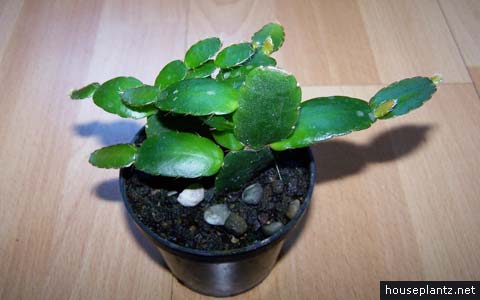
When you notice fresh growth—new segments unfurling like tiny green flags—it’s time to celebrate. This is the moment your cutting has officially become a plant in its own right. Gently transplant it into a slightly larger pot, using the same well-draining mix. Resist the urge to overpot; Schlumbergera prefers to be snug, its roots cozy and contained. Place it in a spot where it can bask in bright, indirect light, and continue to mist it lightly as it acclimates. The first bloom may take a year or two to appear, but when it does, it will be a reward for your patience, a testament to the quiet magic of propagation. Hang the pot where you can see it daily, and let it remind you that growth, in all its forms, is a process worth savoring.
Beyond the Basics: Deepening Your Connection to Schlumbergera
Once you’ve mastered the art of propagation, Schlumbergera offers more than just pretty flowers—it invites you into a deeper relationship with the cycles of life. Try experimenting with different potting mixes or propagating multiple cuttings at once, each a unique experiment in care. Observe how the plant responds to seasonal changes, and adjust your care accordingly. Share your cuttings with friends, passing on not just a plant, but a piece of this resilient spirit. Schlumbergera isn’t just a houseplant; it’s a teacher, a reminder that beauty often flourishes in the most unexpected places. And as you watch your propagated cutting thrive, you’ll realize that you, too, are part of its story—a story of renewal, resilience, and the quiet, unyielding power of growth.
FAQ
How long does it take for Schlumbergera cuttings to root?
Typically between 3 to 6 weeks, depending on environmental conditions.
What is the best time of year to take Schlumbergera cuttings?
Early spring or late summer when the plant is actively growing.
Should I water Schlumbergera cuttings immediately after planting?
No, mist lightly and keep soil moist but avoid overwatering to prevent rot.
Why is it important to let the cutting callous before planting?
To form a protective barrier preventing rot and infection.
Can Schlumbergera cuttings root in water?
Rooting in soil is preferred for better success and reduced risk of rot.



Leave a Reply