
Short Answer
Have you ever cradled a plump, emerald-green leaf in your palm, wondering if it could sprout an entire jungle of its own? The idea of propagating Schlumbergera—that dazzling holiday cactus—from a mere leaf seems almost too whimsical to be true. After all, we’ve all seen those viral videos of monstera leaves growing roots in a glass of water, so why not this spiky, festive beauty? But before you tuck a leaf into soil with the hope of a botanical miracle, let’s unravel the tangled truth behind this propagation puzzle.
The Myth of the Leafy Miracle: Can It Really Happen?
At first glance, the notion of propagating Schlumbergera from leaves feels like a botanical fairy tale. Most houseplant enthusiasts are familiar with stem cuttings—those juicy, segmented pieces that root with alarming ease. But leaves? They’re the delicate, often overlooked siblings of the plant world, more likely to wilt than to summon life from thin air. Yet, the internet teems with whispers of success, with gardeners swearing they’ve coaxed roots from a single fallen leaf. Is it possible, or is this just another horticultural myth dressed in the robes of hope?
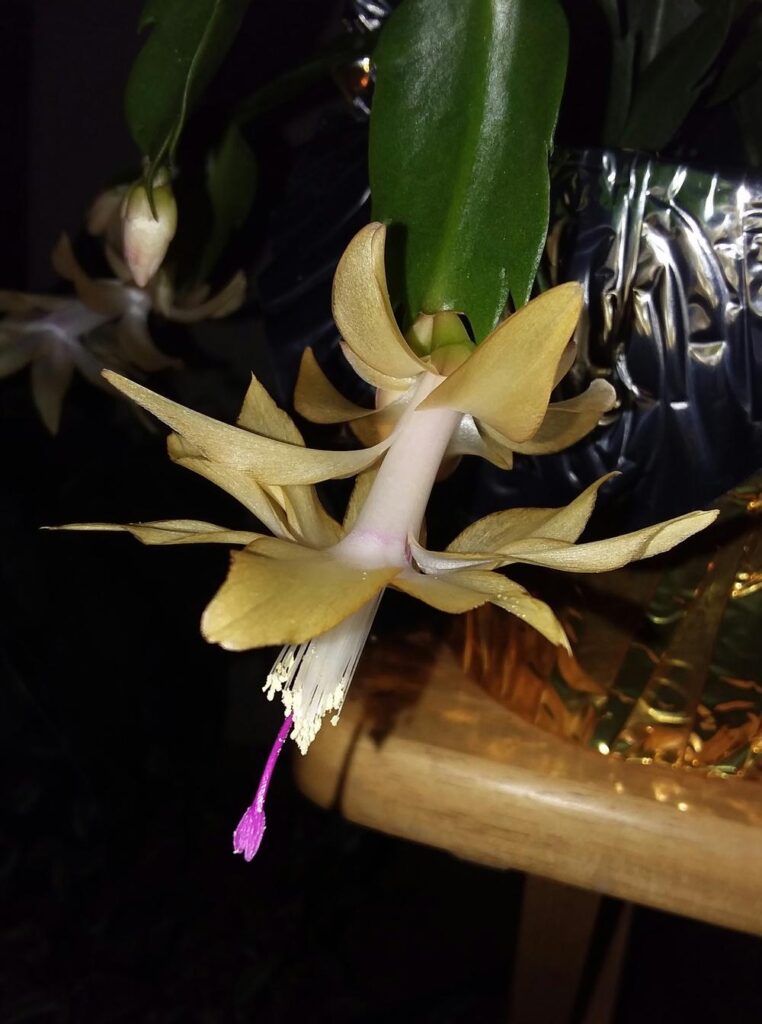
The short answer? No, not in the way you might think. Unlike some plants—such as the regal Saintpaulia (African violet) or the tenacious Sansevieria—Schlumbergera lacks the cellular machinery to regenerate an entire plant from a detached leaf. Its leaves, or more accurately, its flattened stems called cladodes, are not equipped for solo survival. They’re designed to photosynthesize, not to sprout roots and stems from their edges. So, if you’re imagining a single leaf unfurling into a full-grown cactus, you might want to temper those expectations.
The Cladode Conundrum: Why Leaves Aren’t the Answer
To understand why Schlumbergera turns a skeptical eye toward leaf propagation, we must first acquaint ourselves with its anatomy. What we casually call “leaves” are actually modified stems—thick, fleshy, and segmented, designed to store water and perform photosynthesis. These cladodes are the plant’s lifelines, and they’re not keen on parting ways with the mother plant unless absolutely necessary.
When a cladode detaches, it doesn’t just wither away. It’s a survivalist, capable of rooting and growing if given the right conditions. But here’s the catch: it doesn’t do so from the leaf itself. Instead, it relies on the meristematic tissue at its base—the same tissue that allows stem cuttings to thrive. A lone cladode, severed from its parent, can root and eventually form a new plant, but it’s not the leaf doing the heavy lifting. It’s the stem. So, while you can propagate Schlumbergera from a “leaf,” you’re really propagating it from a stem segment, not the leaf in the traditional sense.
The Playful Experiment: What Happens If You Try?
Now, don’t let this discourage you from conducting your own botanical escapade. Science thrives on curiosity, and sometimes, the most unexpected experiments yield the most delightful surprises. If you’re determined to test the leaf propagation myth, here’s what you can expect:
First, select a healthy, plump cladode from your Schlumbergera. Gently twist it from the main stem, ensuring you don’t damage the base where the magic happens. Let the wound callous over for a day or two—this prevents rot and signals to the plant that it’s time to grow. Then, place the cladode in a well-draining mix, such as a blend of perlite and cactus soil, and mist it lightly. Keep the soil barely moist, not soggy, and place it in bright, indirect light.
What you’ll likely observe is a slow, steady emergence of roots from the base of the cladode. It may take weeks, even months, for any noticeable growth. And here’s the kicker: even if roots form, the cladode itself won’t sprout new leaves or stems from its edges. It will simply grow larger, eventually branching out into the iconic zigzag pattern of its parent. So, while you won’t get a forest of new plants from a single leaf, you will get a new plant—just not in the way the internet might have led you to believe.
The Superior Strategy: Stem Cuttings and Beyond
If leaf propagation is a dead end, what’s the best way to multiply your Schlumbergera collection? The answer lies in stem cuttings, a method as straightforward as it is rewarding. Here’s how to do it like a pro:
Start by selecting a healthy stem segment, ideally one with at least two or three cladodes. Use clean, sharp scissors or pruners to make a clean cut just below a joint. Let the cutting dry out for a day or two to allow the wound to callous. Then, plant it in a well-draining soil mix, burying the bottom joint just enough to anchor it. Water lightly, and place it in a spot with bright, indirect light. Within a few weeks, you should see new growth emerging from the top of the cutting, signaling that roots have formed below.
For the adventurous propagator, there’s another method worth exploring: water propagation. While Schlumbergera isn’t as enthusiastic about water roots as some other plants, it can still be coaxed into growing in a glass of water. Simply place a cutting in a shallow dish of water, ensuring only the bottom joint is submerged. Change the water every few days to prevent bacterial growth. Within a month, you should see roots sprouting, at which point you can transfer the cutting to soil.
The Bigger Picture: Why Propagation Matters
Beyond the thrill of growing new plants, propagation is a act of rebellion against consumerism. It’s a way to reclaim agency over your green companions, to nurture life from scraps, and to challenge the idea that plants are disposable. Every cutting you root is a middle finger to the fast-plant industry, a testament to the resilience of nature and the ingenuity of those who tend to it.
And let’s not forget the joy of sharing. A single Schlumbergera can become a gift for a friend, a trade with a fellow plant lover, or a legacy passed down through generations. In a world where everything is transient, plants offer a rare constancy. They grow, they bloom, they multiply—and they ask for so little in return.
The Final Verdict: Leaves Are Overrated
So, can you propagate Schlumbergera from leaves? Technically, yes—but not in the way you might hope. The leaf itself won’t sprout a new plant. Instead, it’s the stem segment attached to it that holds the potential. But here’s the beautiful thing about gardening: the journey is just as rewarding as the destination. Whether you’re coaxing roots from a cladode or experimenting with water propagation, every attempt is a lesson in patience, resilience, and the quiet magic of growth.
So go ahead, pluck that leaf. Give it a chance. And if it doesn’t work? Well, that’s just another excuse to try again. After all, in the world of Schlumbergera, failure is just a prelude to success.
FAQ
Can I propagate Schlumbergera from leaves?
No, while leaves can root, they cannot sprout a new plant. Successful propagation requires stem cuttings.
What is the best way to propagate Schlumbergera?
The best method is to use stem cuttings from healthy segments of the plant.



Leave a Reply